As an Amazon Associate, we earn from qualifying purchases. Some links on this site are affiliate links at no extra cost to you. Our recommendations are based on thorough research and editorial judgment.


The Science of Fabric Waterproofing and DWR Treatments

Understanding fabric waterproofing and DWR treatments is essential for outdoor gear. Here’s what you need to know:
- Waterproof fabrics: Designed to block water using special coatings or membranes.
- DWR treatments: Create a barrier, causing water to bead and roll off.
- Testing: Fabrics usually exceed 1,000 mm hydrostatic head for effectiveness.
You may be interested



As we explore advancements, remember that sustainable practices are crucial for future innovations in this field. Keep reading to uncover more exciting developments.
Key Takeaways
- Waterproof fabrics utilize coatings or membranes that prevent water penetration, typically achieving a hydrostatic head of over 1,000 mm for effective protection.
- Durable Water Repellent (DWR) treatments modify fabric surface tension, allowing water to bead and roll off, but require regular reapplication and maintenance.
- Innovations in waterproof coatings include bio-based and nanotech applications, enhancing durability while reducing environmental impact and reliance on petroleum resources.
- Brands are increasingly eliminating harmful “forever chemicals” in waterproofing treatments, focusing on sustainable, recyclable materials to improve environmental safety.
- High-performance waterproof fabrics maintain durability with ratings above 3,000 mm, balancing effective waterproofing with eco-friendly practices and consumer demand.
Understanding Waterproof Fabrics
When we think about waterproof fabrics, it’s important to understand what makes them effective. These fabrics are engineered to prevent water penetration, a feat accomplished through:
- Special Coatings or Membranes: Fundamental for waterproof fabric properties.
- Durability: High abrasion and tear resistance are vital for rigorous use.
- Breathability: Some allow moisture vapor to escape, enhancing comfort.
To evaluate their effectiveness, we use testing methods like hydrostatic head tests, which measure water resistance. Fabrics typically exceed 1,000 mm in this category, indicating strong performance.
Common materials include polyurethane-coated polyester and nylon, both of which offer varying degrees of water resistance. Materials like PVC offer waterproof protection and are commonly used in outdoor shelters and camping equipment. By understanding these aspects, we can choose the right waterproof fabric for our needs, whether for outdoor clothing or industrial applications.
The Role of Durable Water Repellent Treatments

Durable Water Repellent (DWR) treatments play a crucial role in enhancing the performance of fabrics, particularly in outdoor gear. These treatments create a microscopic barrier that makes water bead and roll off, which boosts DWR effectiveness. Here are some key points on DWR durability:
- Chemical Makeup: DWRs are made with polymer particles that alter fabric surface tension.
- Longevity: They extend product life by preventing water, oil, and soil penetration.
- Maintenance: DWRs aren’t permanent; they wear off after washing, requiring reactivation.
- Environmental Impact: Fluorinated options are most effective but pose environmental concerns.
To maintain DWR performance, regular care and reapplication are essential. Similar to how high-quality stainless steel provides rust resistance in outdoor equipment, DWR coatings offer a protective barrier that enhances the durability of outdoor fabrics. Understanding these aspects can help us get the most out of our waterproof fabrics.
Recommended Products
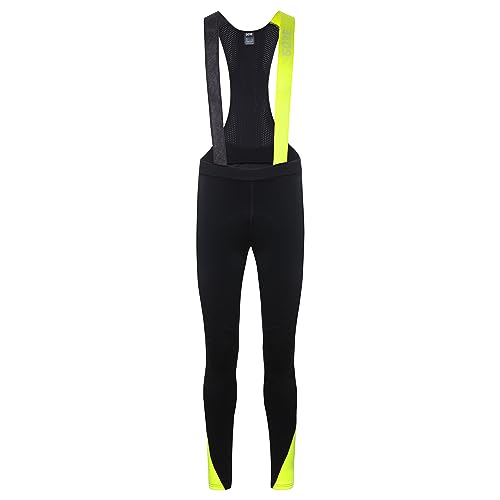
Warm men's bib tights for cyclists, Ideal for cold weather conditions
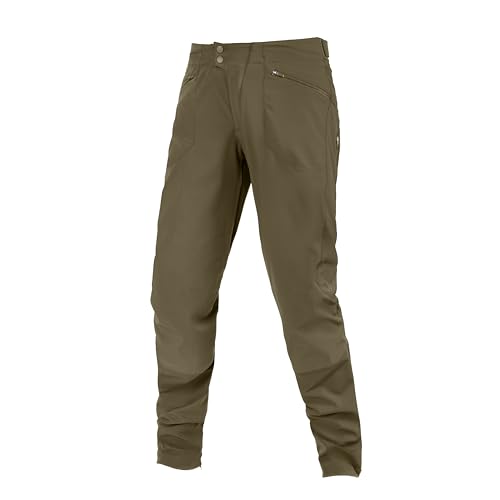
Lightweight, durable, 4-way stretch front panels with DWR finish

Membrane Technologies and Their Importance

As we explore membrane technologies, it’s important to recognize their pivotal role in modern fabric performance.
Membrane variety greatly impacts functionality, with types including:
- Hydrophilic membranes: Promote breathability by allowing moisture to escape.
- Hydrophobic microporous membranes: Prevent liquid water while enabling water vapor transmission.
- TPU and polyester membranes: Offer windproof and waterproof features for outdoor gear.
Each membrane’s performance metrics dictate its suitability for various applications. For instance:
- Outdoor sports clothing: Keeps users dry during activity.
- Medical and military uniforms: Protect from environmental challenges.
Continual advancements like electrospinning enhance these properties. As a result, we see more durable, sustainable options, impressively balancing breathability and waterproofness for users across diverse industries. Modern outdoor equipment often features waterproof ratings ranging from 3000 mm to 5000 mm to ensure reliable protection against rain and moisture in challenging conditions.
Recommended Products

Durable recycled polyamide with a waterproof and breathable Hydratic liner.

Developed together with ocean pro-racers, this hardy sailing jacket gives seasoned sailors and racers maximum protection.

Innovations in Waterproof Coatings

Innovations in waterproof coatings are transforming how we think about fabric protection, especially in a world that increasingly values sustainability and performance.
Recent developments include:
- Bio-based coatings: Utilized to reduce carbon footprints, they perform on par with traditional coatings, making them an eco-friendly choice.
- Nanotech applications: We’re seeing nanoparticles improving adhesion and flexibility in coatings, which enhances waterproofing efficiency.
- These advancements not only satisfy consumer demand for sustainable materials but also help in healthcare and food industries with their self-cleaning properties.
As manufacturers continue to embrace renewable resources and nanotechnology, the future looks promising for waterproof coatings. These innovations offer a blend of durability, safety, and environmental responsibility, shaping the next generation of fabric protection solutions. Modern outdoor gear makers are increasingly incorporating 100% post-consumer recycled polyester materials into their waterproof products, demonstrating how sustainable fabrics can maintain high performance standards.
Historical Development of Waterproof Clothing
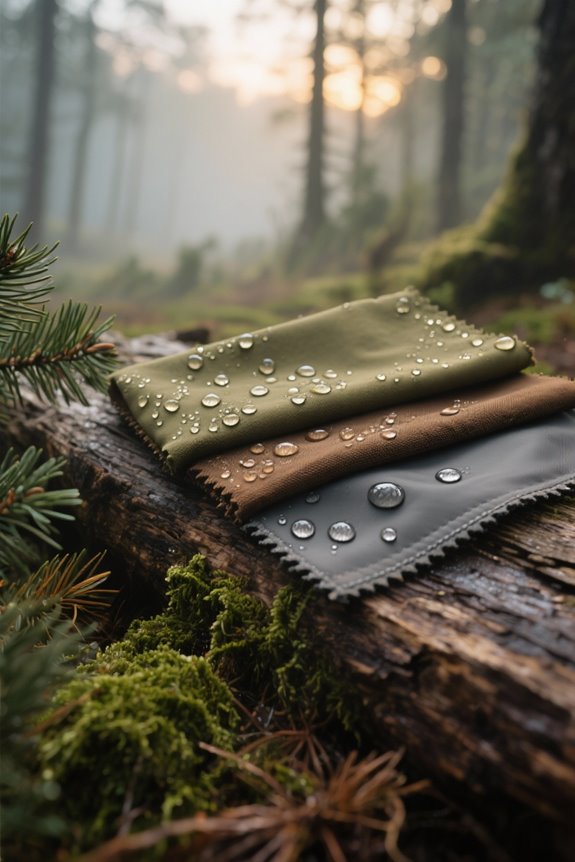
Throughout history, the quest for waterproof clothing has been driven by the need for protection against the elements. Understanding the evolution of waterproofing reveals fascinating innovations and indigenous methods:
- Early Techniques: Mesoamerican peoples used natural rubber sap to create flexible garments. Arctic Yup’ik crafted breathable clothing from marine mammal membranes.
- 19th Century Innovations: Charles Macintosh pioneered rubberized raincoats in the 1820s, while vulcanization in the 1840s improved durability.
- Oilskin: Sailors relied on sailcloth treated with linseed oil before rubber fabrics became common.
- Shifts in Materials: The Industrial Revolution brought chemical additives, leading to more effective waterproofing.
- Modern Standards: Today’s outdoor gear typically features waterproof ratings measured in millimeters, with quality fabrics achieving ratings of 2000mm or higher to ensure reliable protection against rain and moisture.
These advancements paved the way for modern waterproof fabrics, transforming how we approach protection against rain and moisture today.
Practical Applications of Waterproof Fabrics
Waterproof fabrics play an essential role in various practical applications, particularly in outdoor gear and protective clothing. Their effectiveness in weather resistance is vital for:
- Outdoor Sports Apparel: Essential for mountaineering, skiing, and camping, these fabrics keep us dry by blocking water while letting sweat escape, ensuring comfort.
- Military Clothing: Used in uniforms, they provide protection against rain and environmental hazards, with durable coatings ensuring longevity in tough conditions.
- Tents and Tarps: They maintain shelter integrity by preventing water ingress while allowing for breathability, significant during wet weather. Winter camping tents often feature waterproof ratings over 2000mm to provide reliable protection against snow and rain in harsh conditions.
- Footwear: Boots and shoes made from these materials keep our feet dry, even in muddy or wet environments, ensuring comfort and performance.
In all aspects, waterproof fabrics enhance our outdoor experiences.
Recommended Products
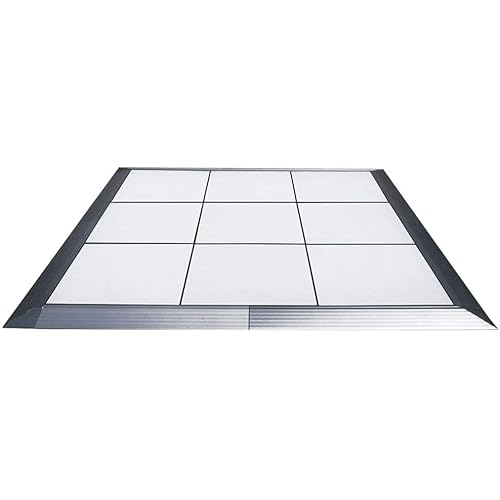
IDEAL FOR ANY EVENT - This portable dance floor will make your wedding, party, or any event sparkle with its vibrant vinyl-finished plastic tiles and aluminum edges

STANDARD FEATURES: Canvas Alpha Wall Tent includes the complete tent with aluminum frame, rafter angle kits and free-floating PVC floor, NO NEED TO BUY THEM SEPARATELY! Basic features include the stove jack with flap, durable 3-layer large triangular windows, zippered door with storm flap, mesh, sod cloth and all standard essentials packed in a waterproof tent bag for easy transport and storage

LARGE TENT: Our High Peak Frame Tents are designed for a quick and easy setup. This stylish, sleek easy ELEGANT EVENT TENT can be set-up on grass, in a parking lot, or on other asphalt surfaces with one of our stake drivers (sold separately). Their size and elegant look make them ideal for outdoor events such as weddings, receptions, graduations, and other events that need to accommodate a large number of guests.
Emerging Trends in Waterproof Fabric Technology
As we explore the exciting developments in waterproof fabric technology, it’s clear that we’re on the brink of significant advancements.
Key trends include:
- Hydrophobic advancements: New coatings enable water to bead off, keeping fabrics cleaner and requiring less washing.
- Eco-friendly innovations: We’re seeing a shift toward plant-based, biodegradable coatings that reduce environmental impact.
- Smart textiles: Fabrics now monitor health metrics and adapt to temperature changes.
- Sustainable materials: Using recycled plastics and bio-based fibers reduces reliance on resource-heavy materials.
These innovations not only enhance performance but also promote sustainability in the industry. Modern outdoor equipment now features waterproof ratings that can reach up to 5000mm, providing exceptional protection against heavy rainfall and extreme weather conditions. As we move forward, embracing these trends will make our waterproof fabrics more efficient and environmentally responsible.
Recommended Products

Integrated Connectivity: Unlike traditional setups with separate hard shells and rooftop tents, this all-in-one design creates a seamless connection between the rooftop tent and your truck bed. Three removable aluminum panels at the tent’s base open up direct access to the truck bed below—expanding your usable space significantly. Whether you're stretching out to sleep or organizing gear, you'll appreciate the extra room. Perfect for family trips and extended overlanding.

Premium Breathable TC Cotton Canvas (210 GSM): The Coody 17.2 is made from durable 210 gsm TC fabric (65% polyester / 35% cotton). This breathable canvas improves airflow and significantly reduces condensation compared with synthetic tents while providing a more comfortable interior climate for long camping stays.

Dining Set Dimensions: This outdoor dining set includes 10 dining chairs and 1 rectangle table. Table size: 125.98"L x 34.25"W x 29.92"H. Chair size: 19.69"D x 17.72"W x 31.1"H. Chair capacity: 300lbs.
The Future of Sustainable Waterproofing Solutions
With the demands for eco-friendly solutions growing, the future of sustainable waterproofing is taking shape before our eyes. We see a significant shift toward sustainable practices using eco-friendly materials, evidenced by:
- PFAS/PFC-free DWR technologies, like Kudos™XT and AEROVENT ZERO, gaining popularity.
- Plant-based treatments that rival traditional finishes, enhancing water repellency.
- Bio-based and recycled materials, such as Toray’s Primeflex, helping reduce reliance on petroleum.
Many brands are committed to eliminating “forever chemicals” and are now focusing on durability and recyclability, adhering to strict regulations. New application methods, including solvent-free options, further decrease environmental impact. These advancements are already being applied in outdoor gear, where waterproof ratings of 3000mm and above provide reliable protection while using more sustainable fabric treatments. As innovations continue, we can enjoy high-performance fabrics that respect our planet, ensuring that the future of waterproofing remains both effective and sustainable.
Frequently Asked Questions
Can I Wash Waterproof Fabrics Without Damaging Them?
Yes, we can wash waterproof fabrics without damaging them by following proper fabric care and washing techniques, such as using specialist cleaners, gentle cycles, and avoiding harsh detergents. It’s essential to maintain their waterproof performance.
How Long Do DWR Treatments Typically Last?
Imagine a shield that we need to maintain; DWR treatments typically last 3 to 6 months. Factors like use and environment affect DWR longevity, and we should follow treatment frequency guidelines for best results.
Are Waterproof Garments Suitable for All Weather Conditions?
Waterproof garments aren’t suitable for all weather conditions. While waterproof technology offers durability, they can struggle in extreme heat or heavy activity, causing moisture buildup that affects comfort. Choosing the right garment for specific weather is essential.
Can Natural Fabrics Be Effectively Waterproofed?
Yes, we can effectively waterproof natural materials. Our effectiveness assessment shows various methods, like wax and lanolin treatments, can provide water resistance while maintaining the integrity and comfort of the fabric for various uses.
How Do I Know When to Reapply DWR Treatment?
We can tell it’s time to reapply DWR treatment by checking for key indicators: water no longer beads and fabrics feel clammy. Treatment frequency depends on use; regular checks after activities help us stay informed.