As an Amazon Associate, we earn from qualifying purchases. Some links on this site are affiliate links at no extra cost to you. Our recommendations are based on thorough research and editorial judgment.

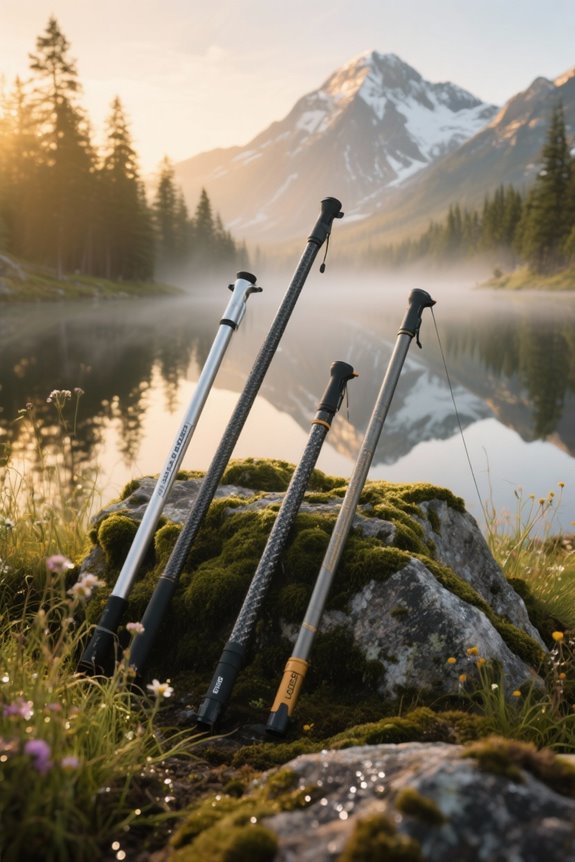
Tent Pole Materials Compared: Aluminum vs. Carbon Fiber vs. Fiberglass

When comparing tent pole materials, we see distinct differences:
- Aluminum: Strong, affordable, and weighs about 3 to 3.5 ounces.
- Carbon Fiber: The lightest option at 1.8 to 2.1 ounces, offering superior strength but comes with a higher cost.
- Fiberglass: Budget-friendly but heavier and less durable.
You may be interested



Each material affects stability, handling, and longevity. Choosing the right one is essential for your camping experience, and there’s more to unpack about their impact on the environment and innovation.
Key Takeaways
- Aluminum poles are durable, affordable, and lightweight (3-3.5 ounces), making them ideal for backpackers while reducing fatigue.
- Carbon fiber poles are the lightest option (1.8-2.1 ounces) and excel in strength-to-weight ratio but are more expensive and sensitive to impact.
- Fiberglass poles are budget-friendly but heavier, less flexible, and prone to splintering and UV damage, leading to possible longer-term replacement costs.
- Aluminum poles are naturally corrosion-resistant and eco-friendly due to recyclability, whereas carbon fiber poses recycling challenges and fiberglass contributes to landfill waste.
- Real-life user feedback shows aluminum poles perform well in adverse conditions, while carbon fiber may shatter in cold and fiberglass can become sharp and hazardous.
Weight Comparison of Tent Poles
When choosing tent poles, weight is a critical factor that often influences our decision, especially for backpackers. Here’s a quick breakdown of the primary tent pole materials and their respective weights:
- Aluminum: The go-to for many, weighing 3 to 3.5 ounces. It’s strong, durable, and reasonably priced, making it great for most backpackers.
- Carbon Fiber: The lightest option, with weights around 1.8 to 2.1 ounces. While ideal for ultralight backpacking, its higher cost can be a drawback for some. Carbon fiber poles can weigh as little as 2.3 oz, making them particularly suitable for reducing pack weight on extended camping trips.
- Fiberglass: Heavier than both aluminum and carbon fiber, typically used in budget tents, making it less appealing for weight-conscious hikers.
Understanding tent pole weight helps us choose the right gear for our adventures, striking a balance between durability and overall pack weight.
Recommended Products

LIGHTWEIGHT & ULTRALIGHT DESIGN: Perfect for backpacking, hiking, and camping, this floorless tipi is designed for easy transportation and setup, weighing only 4 lb 4 oz.

Pitches with two trekking poles (or two of our carbon fiber poles)
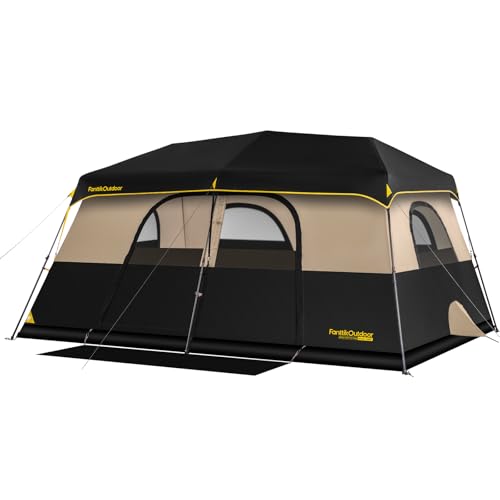
Spacious with Easy Access: The camping tent measures 168 in x 120 in, large enough for 10 people by industry standards. Easily fits 2 queen air mattresses and offers additional space for a cozy sleep. With a maximum height of 80 inches, this tent has 3-4 times more headroom compared to basic counterparts, allowing you to walk comfortably upright. Besides, it features a double-door design for easy access. A zippered divider creates 2 separate spaces, offering increased privacy and flexibility
Strength and Durability of Tent Poles

Understanding the strength and durability of tent poles is essential for ensuring they withstand the rigors of outdoor adventures. Let’s break down how different materials perform under stress.
Aluminum:
- High tensile strength and flexibility, especially 6063-T5.
- Anodized for corrosion resistance, making them long-lasting in various environments.
- Flexes under stress but can be repaired.
Carbon Fiber:
- Superior strength-to-weight ratio with excellent resistance to breakage.
- Maintains integrity in wet environments, though less tolerant to sudden impact.
Fiberglass:
- Moderate tensile strength, prone to splintering under pressure.
- Less flexible and more affected by UV exposure.
When selecting tent poles, consider how the material’s durability aligns with your gear needs, much like choosing backpacks with ripstop fabric or Cordura for enhanced longevity in harsh conditions.
Price and Cost Considerations

Price and cost considerations can greatly impact our choices when selecting tent poles for our outdoor adventures. Here’s how the materials compare:
- Fiberglass: The most budget-friendly option, often found in affordable tents, but may break frequently, increasing long-term costs.
- Aluminum: Mid-tier pricing. While more expensive to purchase, they offer better durability, potentially saving us costs on replacements.
- Carbon Fiber: A premium choice, with prices often 50% higher than aluminum. They’re light but the higher upfront cost demands careful budget breakdowns for material sourcing.
When evaluating overall value, consider that aluminum alloy poles reduce weight without sacrificing the strength-to-weight ratio that carbon fiber provides at a premium price point.
Recommended Products

STRONG; The Obsidian Heatshield from Rapid Deployment Shelter is an all weather camping sun shelter featuring rock solid design; Our heat blocking sun canopy is designed to fit the ultra tough Obsidian tent; When you need a cooling shade tent solution for camping that will hold up under any conditions, trust Rapid Deployment Shelter

Material: Fly/ TC (water pressure resistance: 13.8 inches (350 mm)); Frame: 6061 aluminum alloy; Diameter: 1.2 inches (30 mm)
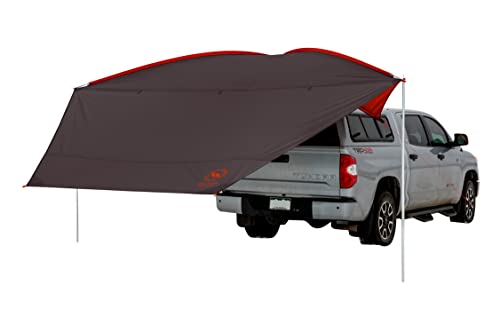
Material: polyester taffeta
Corrosion and Environmental Resistance

While we often focus on price and weight when choosing tent poles, corrosion and environmental resistance are just as crucial for ensuring long-lasting performance. Here’s a brief overview of how each material stands up against corrosion mechanisms:
- Aluminum: Though it’s inherently corrosion-resistant, proper maintenance is essential, especially in humid or saltwater conditions. Anodized options enhance protection.
- Carbon Fiber: Highly resistant to corrosion, these poles don’t rust or degrade from elements. Their strength remains intact, making them ideal for harsh environments.
- Fiberglass: This non-corrosive material resists moisture, but be wary of UV exposure, as prolonged sunlight can weaken it.
For all materials, routine checks and cleaning can greatly improve longevity. High-quality aluminum poles made from 7001 aircraft-grade aluminum demonstrate exceptional resistance to bending or breaking while maintaining their corrosion-resistant properties with minimal care. By strategically considering these factors, we can considerably extend the life of our tent poles.
Flexibility and Handling Characteristics

Having considered how materials perform against corrosion and environmental factors, it’s important to examine how flexibility and handling characteristics influence our tent pole experience.
- Flexibility:
- Composite poles lead the way, offering the most flexibility, which helps reduce breakage under stress.
- Aluminum comes next, bending without breaking but less flexibly than composites.
- Fiberglass trails behind, being less flexible and prone to breakage.
- Handling:
- Carbon fiber combines excellent flexibility and lightweight, making setup simpler.
- Aluminum is strong and durable but may bend under excessive pole tension, causing user fatigue.
- With fiberglass poles being heavier and less durable, they complicate handling overall.
- Similar to how high-quality aluminum provides durability in backpack frame sheets, aluminum tent poles offer reliable performance across various outdoor conditions.
Considering these factors can greatly impact our camping adventures.
Application Suitability for Different Camping Styles
When we think about camping styles, choosing the right tent pole can make all the difference in our experience. Here’s how different materials fit various needs:
Backpacking Preferences
- Aluminum: Ideal for durability and lightweight, perfect for long treks.
- Carbon Fiber: Excellent for ultralight trips, but costs more.
- Fiberglass: Less durable; not great for heavy use.
Family Camping
- Fiberglass: Affordable and robust, making it a popular choice for larger family tents.
- Steel: Heavy but extremely durable, suited for stable setups.
- Aluminum: Lighter than steel, balances support with mobility for family outings.
Festival and Event Camping
– Aluminum: Similar to camping chairs made with 7075 aluminum alloy, tent poles benefit from this material’s strength-to-weight ratio for quick setup and portability at festivals and outdoor events.
Performance in Cold Weather Conditions
As we explore the performance of tent poles in cold weather, it’s essential to understand how different materials handle frigid conditions. Here’s a breakdown for our cold weather performance evaluation:
- Aluminum: Lightweight and strong, it maintains flexibility, making it reliable for winter camping.
- Carbon Fiber: Combines lightweight with high strength, retaining its integrity under stress from snow and wind.
- Fiberglass: Prone to brittleness, it risks breakage in extreme cold.
- Composite: Offers good strength and flexibility but can flex excessively, which may compromise stability.
- Steel: Offers unmatched strength but is heavy; best for fixed setups.
In this pole material comparison, aluminum and carbon fiber generally shine for their balance of durability and lightweight construction in cold weather. For winter expeditions, choosing tents with two aluminum poles in a freestanding design can provide reliable quick setup even in challenging cold conditions.
Long-Term Maintenance and Care
Maintaining your tent poles is essential for ensuring their longevity and performance, especially after many camping trips. Here are some effective care techniques:
- Cleaning:
- Aluminum: Wipe away dirt to prevent corrosion.
- Fiberglass: Clean regularly to avoid brittleness.
- Carbon Fiber: Inspect for cracks, as they resist moisture.
- Storage:
- Keep poles dry and cool to prevent corrosion and brittleness.
- Disassemble multi-section poles carefully to maintain elastic tension.
- Inspections:
- Check for cracks or bends regularly, particularly in fiberglass and aluminum.
- Repair:
- Carry repair kits for on-the-go fixes, including tape and epoxy.
Following these practices will greatly enhance pole longevity, ensuring your camping gear stays reliable trip after trip. Similar to how drain outlets facilitate cleaning in outdoor coolers, proper maintenance routines make caring for your tent poles more efficient and effective.
Impact of Pole Material on Tent Stability
The choice of tent pole material considerably impacts the stability of our tents, especially under various environmental conditions. Here’s how different materials address stability concerns:
- Steel: Offers maximum stability in extreme conditions, resisting bending under heavy snow or strong winds.
- Aluminum: Provides excellent strength-to-weight ratio. It flexes under wind but often recovers, making it suitable for most camping trips.
- Carbon Fiber: While lightweight and strong, it can snap if overstressed, posing stability concerns in high winds.
- Fiberglass: Moderate strength and flexibility are useful but it can splinter under heavy stress.
Understanding these impact factors helps us choose the right pole material for our specific camping needs and desired stability level. When pole damage does occur in the field, having emergency field repair capabilities ensures we can quickly address breaks or splits to restore tent stability during our outdoor adventures.
User Experience: Real-Life Feedback
User experiences with different tent pole materials reveal a lot about how they perform in real-life scenarios.
- Aluminum poles get high marks for durability in bad weather, often bending but staying intact.
- Carbon fiber poles, while lightweight, can shatter unexpectedly, especially in cold conditions, making user testimonials suggest caution.
- Fiberglass poles often shatter under stress, and over time, they develop sharp splinters that pose safety concerns.
Material comparisons show aluminum’s resilience and ease of repair. Users appreciate that it can be fixed in the field, while carbon fiber requires complete replacement after breakage. When choosing, consider your needs: for demanding environments, aluminum stands out as the reliable choice. For light-duty, carbon fiber might fit the bill, but be cautious! Customer reviews frequently highlight the ease of assembly as a critical factor, with preassembled options receiving particularly high ratings for minimizing setup time and enhancing overall camping satisfaction.
Recommended Uses for Aluminum Poles
When selecting tent poles for our outdoor adventures, aluminum poles often emerge as a top choice due to a blend of durability, versatility, and ease of repair. Here are some recommended uses:
- Family Camping: Their aluminum versatility makes them suitable for family tents of various sizes, ensuring stability in different weather conditions.
- Long-Term Trips: Given their durability and ease of pole repairs, they’re reliable for extended camping trips where unexpected weather can occur.
- Environmentally Conscious Campers: Aluminum’s recyclability offers an eco-friendly option for those considering their environmental impact.
- Budget-Minded Adventurers: While a bit pricier than fiberglass, their longevity provides long-term savings by minimizing the need for replacements.
Recommended Products

Premium Materials: The galvanized steel roof and upgraded aluminum frame with a 5-year fade-resistant powder coating resist rust, UV rays, heavy winds, and snow, ensuring the hardtop gazebo's durability and providing all-weather protection.

STANDARD FEATURES: Canvas Alpha Wall Tent includes the complete tent with aluminum frame, rafter angle kits and free-floating PVC floor, NO NEED TO BUY THEM SEPARATELY! Basic features include the stove jack with flap, durable 3-layer large triangular windows, zippered door with storm flap, mesh, sod cloth and all standard essentials packed in a waterproof tent bag for easy transport and storage

TRUE 4-SEASON DOUBLE-LAYER HOT TENT - Hexagon uses a tent-within-a-tent design with a separate outer shell and inner tent divided by an insulating air gap to help reduce direct cold transfer in winter, manage condensation in wet weather, and reduce direct heat buildup in warm and hot weather.
Best Practices for Carbon Fiber Poles
Carbon fiber poles represent a significant step forward for tent design, especially for adventurers seeking lighter options without sacrificing strength. To maximize their benefits, we recommend the following best practices:
Cutting Techniques:
- Wrap the pole with tape before cutting to prevent fraying.
- Use a cutter designed for carbon fiber materials to guarantee a clean cut.
Maintenance Tips:
- Regularly check shock cords, adjusting tension to maintain integrity.
- Avoid impacts that could damage the poles, despite their strength.
- When packing, make sure end tips are inserted to secure shock cords for transport.
Recommended Products
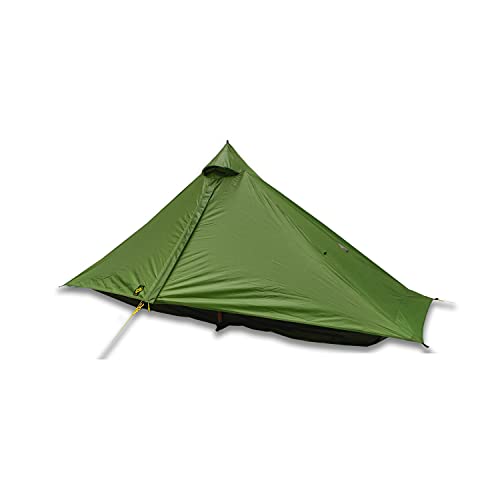
**Ultralight Backpacking Tent:** Weighing just ounces, this ultralight 1 person tent is the perfect companion for solo adventurers seeking a lightweight backpacking tent that won't weigh you down.

Premium Material - Carbon fiber is always called "the king of material," it has high strength and lightweight characteristics. HIBLE tarp poles are made of natural T300 carbon fiber. It's waterproof, rustproof and more durable than normal aluminum or steel poles. These high-quality carbon fiber poles are designed to withstand even the harshest climates without rusting.

Two, innovative one-piece fiberglass poles allow for quick setup and breakdown
Cost-Benefit Analysis of Fiberglass Poles
Although fiberglass poles might not be the first choice for elite adventurers, they present an attractive option for those of us needing reliability without breaking the bank.
Here’s a quick cost-benefit overview:
- Affordability: Generally cheaper than aluminum and carbon fiber poles, perfect for budget camping needs.
- Durability: Corrosion-resistant, allowing for less maintenance and fewer replacements.
- Repairs: Minor cracks are easily fixable on the field, saving costs on complete replacements.
- Weight: Heavier than aluminum but balanced for portability with budget materials.
In a cost comparison, fiberglass poles deliver good value for occasional campers. Their solid performance, combined with low maintenance requirements, makes them a wise investment for those who don’t need high-end features.
Recommended Products

Spacious Interior & 80" Center Height: Measuring 19' x 8' x 80", this 10-person tent fits up to 4 full size airbeds along with your gear, providing plenty of space to relax. The 80" center height allows you to stand and move freely inside

Versatile Hot Tent: 4 Season Tent equipped with stove jack for tent stove, wind-proof snow skirt with heat retention functionality to keep warm in cold weather. The double-door design and the foldable snow skirt can also ensure sufficient ventilation, make it a good choice to use in summer. - Perfect for Family Camping Hunting Fishing and more.

Sets up in under 5 minutes thanks to pre-attached poles
Environmental Impact of Pole Materials
Understanding the environmental impact of pole materials is essential for making informed choices. Let’s break it down:
- Aluminum: Highly recyclable, it minimizes waste. However, its production requires significant energy, raising greenhouse gas emissions. Yet, aluminum can thrive through effective recycling technologies.
- Carbon Fiber: While durable, it’s hard to recycle, leading to substantial waste. Its energy-intensive production also adds to the carbon footprint.
- Fiberglass: Not generally recyclable, which contributes to landfill waste. Although its production is less energy-intensive than carbon fiber, it often involves hazardous materials.
Incorporating sustainability practices, we should explore options like bamboo or wood, which offer biodegradable benefits. Overall, making eco-friendly choices in pole materials is critical for reducing our environmental impact.
Innovations in Tent Pole Technology
As we explore the domain of tent pole technology, we can see how innovations are transforming our outdoor experiences. Recent advancements include:
- Smart Tent Innovations:
- Poles with embedded sensors that adjust tension based on weather changes.
- Integrated LED lighting for improved visibility.
- Self-inflating air frames for easier setups.
- Pole Customization Trends:
- Modular components allow for rapid replacements or adaptations.
- Telescoping poles with interchangeable tips for diverse uses.
- Enhanced Materials:
- Carbon fiber with nanomaterial coatings for strength and durability.
- Fiberglass blends that offer better flexibility under extreme conditions.
These innovations not only enhance usability, but they also allow us to tailor our gear to better fit our outdoor adventures.
Frequently Asked Questions
Can I Mix Different Pole Materials in My Tent Setup?
We wouldn’t recommend mixing materials in our tent setup, as it compromises tent stability. Different pole properties can create uneven tension, leading to possible failure and misalignment, ultimately risking our outdoor experience.
How Do Tent Pole Materials Affect Overall Tent Weight?
Tent pole materials greatly influence overall weight. For instance, carbon fiber poles typically weigh only about 1.8 ounces, showcasing lightweight advantages. However, aluminum offers a balance of durability differences, ensuring our tents perform well in diverse conditions.
Are There Portable Storage Options for Tent Poles?
Yes, there are portable storage options for tent poles, like tent pole bags that are lightweight and collapsible. They make transporting our gear easier, keeping everything organized and protected during our outdoor adventures.
What Are Common Failure Points in Tent Poles?
We all know that bending strength and impact resistance matter, yet common failure points in tent poles lurk at connection joints and stress areas, where micro-cracks and splintering silently threaten our camping adventures.
How Do Pole Materials Affect Tent Airflow and Ventilation?
Pole materials greatly affect airflow dynamics and ventilation efficiency in our tents. Strong aluminum maintains tent shape, optimizing air passage, while flexible carbon fiber adjusts for better ventilation. Fiberglass, however, can sag and restrict airflow over time.