As an Amazon Associate, we earn from qualifying purchases. Some links on this site are affiliate links at no extra cost to you. Our recommendations are based on thorough research and editorial judgment.


Understanding R-Values and Tent Floor Insulation

R-value measures insulation effectiveness, guiding our camping gear choices. For tent floors, we can use various materials like foam tiles, yoga mats, or synthetic options to enhance warmth. Closed-cell foam pads are durable but may have lower R-values. To maximize heat retention, consider layering with emergency blankets or reflective materials. When backpacking, we must balance insulation with weight for comfort. By understanding these concepts, we can guarantee better camping experiences—keep exploring for more insights!
Key Takeaways
- R-value measures insulation effectiveness; higher values indicate better resistance to heat flow, enhancing camping comfort.
- Tent floor insulation materials include foam tiles, reflective insulation, yoga mats, natural fibers, and synthetic fabrics for varying warmth and durability.
- Closed-cell foam sleeping pads offer moderate insulation; however, inflatable pads may provide higher R-values for increased warmth and comfort.
- Combine individual R-values from sleeping pads and tent floors for total insulation effectiveness, ensuring appropriate warmth for camping conditions.
- Effective insulation strategies include moisture barriers, high R-value pads, and proper site selection to enhance ground insulation during winter camping.
What Is R-Value?
You may be interested


When we talk about insulation, one term often comes up: R-value. Let’s break down the R-value definition and measurement, as it’s essential for understanding insulation effectiveness.
- R-Value Definition: It measures a material’s resistance to conductive heat flow. Simply put, a higher R-value indicates better insulation.
- R-Value Measurement: It’s expressed as the temperature difference per unit heat flux between warmer and cooler surfaces.
R-value is calculated as the inverse of U-value, which measures heat transfer. Units vary by measurement systems: R-values in imperial use ft²·°F·hr/BTU, while metric uses m²·K/W. For camping sleeping pads, R-values range from 4.3 for moderate conditions to 9.5 for extreme cold weather camping, helping you select the right insulation for your expected camping conditions.
Importance of R-Value in Camping

Understanding the importance of R-value in camping can make a significant difference in our outdoor experience.
When we consider R-values, we should address some common R value myths. For instance:
- Seasonal Needs: An R-value of 1 to 2 suits warm weather, while 4 or higher helps in the cold.
- Comfort: Higher R-values guarantee warmth, improving our sleep quality, especially in chilly conditions.
- Gear Selection: Knowing R-values guides us in choosing the right sleeping pads and bags for peak comfort.
The R value benefits extend beyond comfort, as they prevent heat transfer, keeping us warmer at night. Balancing insulation with portability is key, particularly for backpackers. Just as insulation performance matters in water bottles that keep drinks at optimal temperatures for extended periods, proper insulation in camping gear maintains body heat throughout the night. Ultimately, understanding R-values enhances our camping experience, making it safer and more enjoyable.
Types of Insulation Materials for Tent Floors

Choosing the right insulation materials for tent floors can considerably enhance our camping experience. Let’s explore a few effective options:
- Foam Tiles: These provide great insulation and cushioning, making them a lightweight choice for added comfort.
- Reflective Insulation: Utilizing materials like aluminum foil, this option helps retain heat but isn’t ideal for cold ground.
- Yoga Mats: Ideal for warmth and comfort under sleeping areas, these mats can be surprisingly effective.
- Natural Materials: Grass or cotton mats can add breathability and a touch of eco-friendliness.
- Synthetic Choices: From polyurethane-coated fabrics to insulated thermal mats, these options offer durability and excellent insulation properties.
- Portable Solar Lanterns: Consider pairing your insulation with lightweight camping lanterns that collapse for easy storage and provide essential illumination during nighttime tent activities.
Recommended Products

Enhanced Workplace Safety - Our anti fatigue matting designed with a diamond textured surface creates an anti slip surface for dry applications where maintaining traction is crucial

Gym Floor Mats Cover 192 SQ. FT: Each foam floor tile measures 23.6 inches x 23.6 inches x 3/8 inch (600mm x 600mm x 10mm). Package includes 48 BLACK interlocking foam tiles and 96 end borders for a seamless look. Gym flooring cover up to 192 sq.ft of floor space, making it a perfect workout and training accessory.

COVER 192 SQ.FT. - 48 tiles eva foam floor mats Interlock together covers approx. 192 square feet of the floor area, perfect space for gym equipment or workout on it, and also safe for kids as playground.
Closed-Cell Foam Pads: Pros and Cons

Closed-cell foam pads are a popular choice among campers and backpackers for their practicality and effectiveness. They offer several benefits, including:
- Durability: Resistant to punctures, they endure rough conditions well.
- Insulation Benefits: Providing moderate insulation, they reduce heat loss to the ground.
- Affordability: Generally cheaper than inflatable alternatives.
However, they come with some drawbacks:
- Firm Comfort: While they offer support, they can be stiffer and less comfy compared to other options.
- Bulkiness: When packed, they take up more space in our bags.
- Lower R-Value: Their insulation might not be as effective as inflatable pads.
For cold weather camping, consider pads with R-values of 4.6 and above to ensure adequate warmth and protection from freezing temperatures.
Recommended Products


FEELS LIKE A REAL BED - Our queen memory foam camping mattress delivers hotel-level comfort in the wild whether stretching out solo or sharing a 2 person sleeping pad for camping

【COMFORT IS PRICELESS IN EVERY CAMPING TIME】The super soft and cozy memory foam camping mattress is made of high-density memory foam material, automatically adapts to the shape and weight of the body and provides full protection. So bring about excellent comfort and shock absorption effects. Compared to sleeping bag and camping air mattress, sleeping mattress for camping providing camping lovers with a high-level sleeping experience, allowing your body to fully rest and keep energetic.
Effective DIY Insulation Techniques

When camping, staying warm and comfortable can considerably enhance our experience. To achieve this with DIY insulation, we should focus on materials selection and assembly techniques. Here are some effective methods:
- Materials:
- Duct tape for securing pieces
- Foam pads like Thinlite for lightweight insulation
- Reflective mylar or emergency blankets to trap heat
- Assembly Techniques:
- Fanfolding materials for better coverage
- Use Velcro to easily attach insulation
Placing insulation under the tent considerably reduces dampness and enhances warmth. Remember, lightweight options, such as Thinlite at 26 oz, are essential for ease of transport. By incorporating these techniques, we can create a more comfortable tent environment that makes our outdoor adventures enjoyable. For hikers who also use trekking poles, materials like EVA foam grips provide excellent moisture-wicking properties that can inspire similar comfort considerations in tent insulation choices.
Recommended Products

The Overland Vehicle Systems Bushveld II Hard Shell Roof Top Tent is a 4-Season cantilever designed Roof Top Tent. The Bushveld Name is based on a sub-tropical woodland ecoregion of Southern Africa. The Overland Vehicle Systems Bushveld Hard II Shell Roof Top Tent has one of the largest sleeping areas on the market today; 84” x 64”.
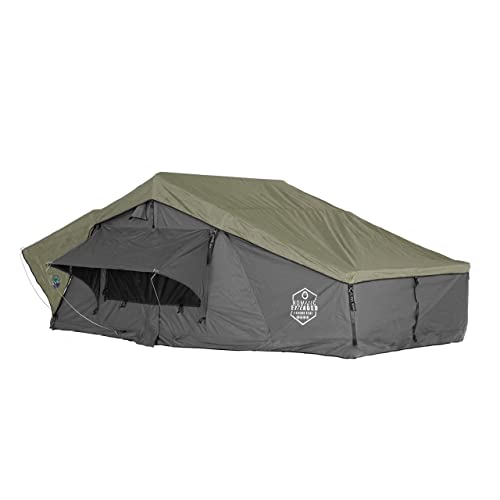
Features: Marine Grade 600D Rip-Stop Polyester Cotton Canvas Water Proof Body, 420D Polyester Oxford Waterproof Rain Fly, 110g Fade-less Gaze Breathable Windows, 3" High Density Foam Mattress with Quilted Cotton Cover, Insulated Base, Marine Grade Stainless Steel Hardware, 1000g Transportation Cover, Tubular Telescoping Ladder, Six Built In Storage Pockets, Storage Loft, Power Bank Pouch, Hand Held LED Light, LED Velcro Strip

Slimline & Lightweight: At only 163.14 lbs, our Hotham rooftop tent, shedding 8% off its predecessor’s weight, not only improves fuel efficiency but also makes handling easier, redefining what it means to travel light! With its slimline design, it packs down to a mere 5.43 in, 45% slimmer than its predecessor, it’s built for garage or undercover parking, while minimizing wind noise for a smoother drive.
Layering for Maximum Insulation
Layering for maximum insulation can dramatically transform our camping experience, allowing us to stay warm and comfortable even in chilly conditions. Here’s how we can effectively layer our insulation:
- Base Layer: Start with closed-cell foam pads, offering great thermal resistance.
- Intermediate Layer: Use reflective thermal blankets; apply layer overlap techniques to seal edges and gaps.
- Upper Layer: Add sleeping mats or insulated quilts for extra comfort.
- Protective Layer: Incorporate a tent carpet or rug to reduce cold transfer.
Considering foam density effects, denser materials like wool and high-density foam provide superior insulation. By overlapping materials and creating air pockets, we can enhance our tent’s R-value, ensuring maximum warmth throughout our trip. For winter camping, aim for a combined R-value of 5 or higher when pairing your tent floor insulation with your sleeping pad and bag. Let’s gear up for warmth!
Seasonal Considerations for Insulation
As we consider our camping insulation strategies, understanding the unique demands of each season is essential. Different seasonal temperatures and climate conditions greatly influence our insulation needs.
- Fall/Winter: Prioritize waterproof tent footprints to block cold and damp. Insulative padding with a higher R-value helps retain warmth.
- Spring: Use reflective barriers to combat ground chill, since nights can be cold but days warm.
- Hot Summer: Thinner mats suffice, ensuring comfort without excess bulk.
Just as winter sleeping bags are specifically rated for cold weather temperatures, your tent floor insulation should match the seasonal demands you’ll face during your camping adventures.
Calculating Total R-Value for Your Setup
Calculating the total R-value for our tent setup is essential for guaranteeing we stay warm and comfortable while camping. Here’s how to approach it:
- Identify Materials: List all insulation layers, like sleeping pads and tent floors.
- R-Value Calculation: Find the R-value for each material using this formula: R = d / λ (or k).
- Combine Values: Add the R-values of each layer together. This gives us the total R-value for our setup.
- Thicker Material Advantage: Remember, thicker materials provide higher insulation effectiveness.
- Consider Layering: Stacking sleeping pads can considerably enhance warmth retention.
- Match Temperature Ratings: Ensure your sleeping bag’s temperature rating aligns with the expected conditions, as bags like the Coleman Brazos are comfortable at 20°F while others perform best between 30–77°F.
Using these steps, we can guarantee our camping experience stays cozy, no matter the weather.
The Role of Emergency Blankets in Insulation
While we might think of insulation as something that primarily traps heat, emergency blankets serve a different but equally important role in outdoor settings. Here’s how they work:
- Emergency Blanket Efficiency: Made from Mylar, these lightweight blankets reflect up to 90% of radiated body heat.
- Radiant Heat Reflection: Their reflective surface guarantees heat is sent back to us, reducing radiative heat loss.
- Limitations: They don’t provide traditional insulation; rather, they function as radiant barriers against the cold.
To maximize effectiveness, we should:
- Maintain an air gap between the blanket and our body.
- Use them in combination with breathable insulation layers.
Thus, emergency blankets are valuable short-term solutions, especially when layered properly in our outdoor gear. For longer-term storage of sleeping bags and other camping gear, consider using breathable mesh fabric storage sacks that prevent moisture buildup while keeping items fresh and organized.
Ground Insulation Strategies
Ground insulation plays a vital role in our overall tent comfort, especially after understanding how emergency blankets can enhance warmth. Here are some effective ground insulation strategies:
- Use a Groundsheet: A footprint acts as a barrier against ground moisture.
- Insulated Sleeping Pads: Choose high R-value pads to slow heat loss.
- Add Extra Layers: Rugs or foam mats beneath pads offer additional insulation.
- Site Selection: Look for sheltered areas away from low spots where cold air settles.
- Elevate for Airflow: Slightly elevated spots improve circulation and reduce dampness.
For winter camping, prioritize sleeping pads with an R-value of 5 or higher to ensure adequate insulation against freezing ground temperatures.
Recommended Products

The design allows for high volume pole architecture resulting in steeper walls
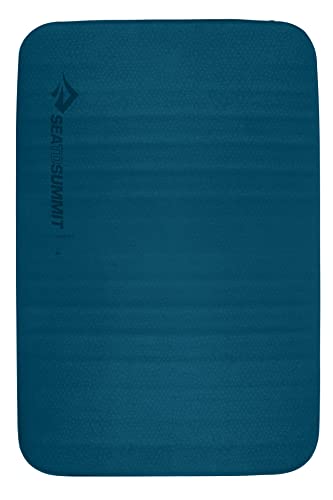
4-season luxury foam double sleeping pad is 4 inches thick, with vertical sidewalls, for maximum warmth and comfort for two people while camping, traveling, or at home

Exped MegaMat Max Duo Long Wide Plus - Self Inflating Plush Sleeping Mat, 6” Foam Pad, Pump Included
Ultimate Plush Design: The thickest self-inflating air mattress in the lineup, featuring 6 inches of open-cell foam - 50% thicker than standard camping mattress pads - creating an exceptionally soft car camping and tent sleeping surface ideal for couples
Balancing Insulation and Weight While Backpacking
How can we strike the right balance between insulation and weight while backpacking? Here are some considerations:
- Material Choices: Ultralight tents often use thin materials (15D to 20D), sacrificing some durability for lower weight.
- Weight vs. Insulation: Heavier tents provide better insulation but add to our pack weight. Generally, we aim for 2-5 pounds depending on the size.
- Tent Durability: Lightweight tent poles, often carbon composite, reduce weight but may break more easily than aluminum.
- Floor Pads: Insulated pads offer warmth without notably increasing weight, enhancing our sleep quality.
Ultimately, we must make insulation trade-offs to meet our needs, keeping comfort and weight in harmony for our backpacking adventures.
Recommended Products

Instant Setup, No Assembly Required: Simply unfold the side‑opening structure and pull out the included 7.5 ft telescoping ladder – the tent pops open automatically thanks to powerful Stabilus gas struts. Enjoy a spacious shelter in seconds, with zero poles or complex assembly
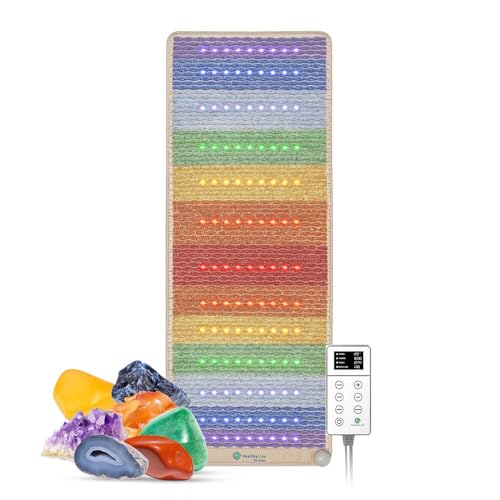
Featuring a unique blend of 7 chakra stones, this meditation mat is designed to help balance your energy and promote overall well-being during your daily routine. Each stone corresponds to a chakra, promoting holistic healing for the mind, body, and soul while also emitting deep-penetrating far infrared rays

[CARGO-READY WITH CROSSBARS] Equipped with two adjustable heavy-duty aluminum crossbars (150lbs capacity), Allows you to carry bikes, kayaks, or solar panels directly on top of your tent. Never leave your adventure gear behind again.
Tips for Winter Camping Insulation
When winter camping, effective insulation becomes a key factor in maintaining warmth and comfort during cold nights. Here are some tips we can use:
- Floor Insulation: Foam pads or even dried leaves under our sleeping pads create a solid barrier against the cold ground.
- Tent Orientation: Let’s position our tent in a sheltered spot to minimize wind exposure, and use a smaller tent to ease heating.
- Ventilation Strategies: We should guarantee some airflow to prevent moisture control issues, but not too much that we lose heat.
- Additional Layers: Adding bivy sacks or external thermal blankets enhances warmth while protecting against moisture.
Enhancing Tent Warmth With Reflective Materials
Isn’t it fascinating how adding a few reflective materials to our tent can greatly boost warmth? By incorporating reflective insulation, we can markedly enhance our camping experience. Here’s how:
- Reflective insulation benefits:
- Reflects up to 97% of radiant heat.
- Stops body heat from escaping, especially through the tent floor.
- Types of insulation:
- Single-layer: Basic heat reflection.
- Multi-layer: Superior thermal performance with added insulation.
To maximize effectiveness, we should layer reflective materials with foam pads, ensuring an air gap. This setup improves radiant heat reflection while minimizing heat loss to the cold ground. Combining these elements offers an affordable, lightweight solution for retaining warmth during those chilly nights in the outdoors.
Frequently Asked Questions
How Do R-Values Differ Between Various Insulation Materials?
As the saying goes, “different strokes for different folks.” In our R value comparison, we see insulation types vary widely: spray foam leads with high values, while fiberglass and cellulose fall behind in thermal performance.
What Factors Influence the Effectiveness of Tent Floor Insulation?
The effectiveness of tent floor insulation hinges on insulation thickness and temperature fluctuations. We must choose materials wisely, layering them effectively to combat cold and maintain warmth during variable weather conditions.
Can I Use Everyday Household Items for Insulation?
Absolutely, we can use everyday household items for insulation! For instance, newspapers can add extra warmth, while blankets provide comfort and warmth. Let’s combine them for a cozy, insulated camping experience!
How Does Humidity Affect Insulation Performance?
Humidity markedly impacts insulation efficiency by increasing thermal conductivity. As moisture seeps into materials, we notice a reduction in their effectiveness, leading to higher energy costs and potential health risks from damp environments.
What Are the Common Misconceptions About R-Values?
We’ve encountered R-value myths often, haven’t we? It’s essential to understand that temperature sensitivity and installation quality impact insulation far more than just the R-value, which doesn’t always tell the full story.