As an Amazon Associate, we earn from qualifying purchases. Some links on this site are affiliate links at no extra cost to you. Our recommendations are based on thorough research and editorial judgment.


Understanding Tent Weight Ratings and Pack Size

When choosing a tent, understanding weight ratings and pack sizes helps us make informed decisions. Here’s a quick breakdown:
- Packaged Weight: Total weight of tent, poles, and stakes.
- Minimum Weight: Just the essential components, excluding accessories.
- Trail Weight: Minimum weight plus fly and poles.
- Fast & Light Weight: Only essentials for minimalism.
You may be interested



These factors influence portability and comfort. Staying aware of these specs can enhance our outdoor experiences, as we explore further details on tent selections and comparisons.
Key Takeaways
- Tent weight ratings include packaged, minimum, trail, and fast & light weights, influencing your backpacking experience and choices.
- Packaged weight gives a realistic idea of total carried weight, including all components while minimum weight focuses on tent essentials alone.
- Trail weight combines minimum weight with fly and poles, excluding extras, and varies by brand, affecting selection for efficient hiking.
- Ultralight tents prioritize weight reduction but may use delicate materials, affecting durability compared to traditional lightweight tents that balance space and features.
- Accessories like compression sacks can significantly reduce tent volume, promoting efficient packing and load distribution for comfortable hiking.
Understanding Packaged Weight
When we’re choosing a tent, understanding packaged weight is essential for making informed decisions. Here are some key points to take into account:
- Packaged Weight Defined: This is the total weight of the tent, including all components like the body, rainfly, poles, and stakes.
- Realistic Baseline: It gives a clear idea of what we’re actually carrying on our backs.
- Tent Weight Comparisons: Packaged weight benefits us when comparing different tents and their setups, helping guarantee we choose what’s right for our needs.
- Varies by Brand: Different manufacturers might list this weight differently, so always double-check what’s included for accurate comparisons.
- Setup Efficiency: Tents with quick setup mechanisms like pop-up designs can reduce the physical effort needed during assembly, which is particularly valuable when dealing with heavier packaged weights.
Defining Minimum Weight

Defining minimum weight is essential for making smart choices about tents. It’s vital to grasp what minimum weight truly means, as there are several misconceptions.
- Core Components: Minimum weight includes the tent body, rainfly, and poles only.
- Exclusions: Items like stakes and guylines aren’t counted.
- Purpose: This figure serves as a standard metric, allowing us to compare tents without accessory weight skewing results.
Minimum weight should not be confused with the actual weight we carry. While it helps in evaluating design efficiency, its practical applications require us to add necessary setup accessories. For reference, lightweight models like the OneTigris COSMITTO weigh 2300 grams, while ultralight options such as the Wakeman dome tent come in at just 2.75 lbs using lightweight aluminum alloy or fiberglass poles. So, let’s not fall into the trap of assuming minimum weight reflects our total pack weight; it simply establishes a necessary baseline for informed comparisons.
Trail Weight Explained

Understanding trail weight is just as important as grasping minimum weight when we choose a tent for our adventures.
– What is Trail Weight?
Trail weight refers to the tent’s minimum weight, plus essential components like the fly and poles, minus extras like stakes.
- Trail Weight Benefits:
- Portability: Lightweight for easy carrying.
- Reduced Strain: Less weight means greater comfort.
- Efficient Setup: Designed for quick assembly.
However, there are some trail weight misconceptions. Not all brands define it the same way, which can affect your final choice.
When selecting a tent, it’s vital to understand these differences. For example, ultralight options like the LANSHAN tent weigh just 2.8 lbs, making them ideal for solo backpackers who prioritize minimal pack weight. With the right trail weight tent, we can elevate our backpacking experience and make every hike more manageable and enjoyable.
Fast & Light Weight Clarification

Fast & Light weight setups offer a unique approach to tent usage, emphasizing minimalism and efficiency for specific outdoor scenarios. Ideal for fast packing and minimalist camping, these setups typically include:
- Essential components: fly, poles, and possibly a footprint.
- Exclusion of the inner tent body and extra accessories to reduce weight and pack size.
While these minimalist tents prioritize quick deployment and lower weight, they may compromise on comfort and weather protection. Fast & Light is best for experienced users tackling short trips in good weather. To complement these ultralight shelters, consider pairing them with compact camping stools that fold to just 2.4 inches wide and weigh under 2 lbs for efficient packing.
The Importance of Industry Standards
While it might seem insignificant, adhering to industry standards for tent weight ratings is essential for both manufacturers and consumers. Here’s why these standards matter:
- Importance of Consistency: They guarantee comparable tent weights across brands, aiding consumers in their choices.
- Standardization Benefits: Uniform weight definitions create market clarity, making it easier for consumers to understand what they’re buying.
- Safety Compliance: Regulatory guidelines protect users by guaranteeing safety in tent setups.
- Consumer Transparency: Standardized measurements offer clear insights into tent performance expectations.
- Weight Considerations: Similar to camping gear, aiming for equipment under specific weight thresholds helps reduce overall gear weight for easier travel and enhanced convenience during outdoor adventures.
Factors Influencing Tent Pack Size
When we choose a tent, several important factors influence its pack size, impacting our backpacking experience. Here are key elements to evaluate:
- Tent Shape: Dome-shaped tents may save space but might not provide ample headroom.
- Gear Storage: Vestibules add storage but can increase pack bulk.
- Camping Style: Solo campers benefit from smaller, ultralight tents, whereas families need larger models.
- Tent Features: Features like gear lofts help with space optimization but don’t drastically reduce pack size.
- User Preferences: Comfort may require sizing up for extra space, particularly with pets or larger occupants.
- Weight Distribution: Compact designs ease carrying, while some tents might require more bulk due to material choices.
- Environmental Factors: Weather conditions affect tent complexity and overall pack size.
- Material Selection: The choice of materials like 210T polyester versus nylon affects both the tent’s durability and how compactly it packs down for transport.
Material Types and Their Impact
Selecting the right tent material is just as important as considering pack size—both can dramatically affect our camping experiences.
- Nylon Advantages: It’s lightweight, strong, and cost-effective, making it perfect for backpacking.
- Polyester Drawbacks: While durable and UV-resistant, it tends to absorb moisture, impacting overall weight.
- Dyneema Benefits: Exceptionally lightweight and strong, but its high cost limits accessibility for many.
- PVC Durability: Provides excellent water resistance and is easy to clean, suitable for heavy-duty applications.
- Canvas Maintenance: Heavy and durable, great for long-term use but requires careful upkeep.
When weighing options, we should consider cost comparisons and environmental impacts. For extreme conditions, materials with waterproof ratings of 5000 mm or higher offer superior protection against heavy precipitation and moisture. Ultimately, material choices directly affect our tent’s weight and performance.
Recommended Products

Integrated Connectivity: Unlike traditional setups with separate hard shells and rooftop tents, this all-in-one design creates a seamless connection between the rooftop tent and your truck bed. Three removable aluminum panels at the tent’s base open up direct access to the truck bed below—expanding your usable space significantly. Whether you're stretching out to sleep or organizing gear, you'll appreciate the extra room. Perfect for family trips and extended overlanding.

Shelter Size: 20' (L) x 40' (W) x 12'10" (H) | End Wall Size: 40' (W) x 21-1/4' (H)

Size: With 12x14 Gazebo (155.51"L x 131.89"W x 120.8"H) and 12x10 Gazebo (113.39"L x 131.89"W x 120.8"H).
Pole Design and Weight Considerations
Understanding pole design in tents is essential for ensuring we enjoy a stable and secure camping experience. The choices we make about pole configurations greatly impact pole stability and weight distribution.
Key factors include:
- Lightweight Materials: Using aluminum or carbon fiber reduces overall weight while maintaining strength.
- Pole Diameter: Larger diameters enhance stability but add weight.
- Structural Integrity: Design innovations like pre-bent arches improve setup ease and robustness.
- Sectional Design: Poles come in sections, affecting transportability.
For peak performance, we should consider how these elements interact. A well-designed tent balances weight, durability, and stability, ensuring we have a reliable shelter. High-quality options like 7001 T6 aviation aluminum poles combine aircraft-grade strength with lightweight construction, often weighing around 0.47 lbs per pole. By choosing wisely, we can enhance our camping experience without carrying unnecessary weight.
Recommended Products

LARGE TENT: Our High Peak Frame Tents are designed for a quick and easy setup. This stylish, sleek easy ELEGANT EVENT TENT can be set-up on grass, in a parking lot, or on other asphalt surfaces with one of our stake drivers (sold separately). Their size and elegant look make them ideal for outdoor events such as weddings, receptions, graduations, and other events that need to accommodate a large number of guests.

MATERIAL: Performance cotton-polyester blend canvas, using BCI cotton and recycled pet bottle poly fiber

Come and meet your final option of patio extended space: Domi's newest series sunroom gazebo, which seamlessly blends sunroom and gazebo features, offering a modern minimalist look that is both elegant and artistic. It enhances living quality while adding a vibrant touch to your outdoor space, making it a standout element in your home!
Accessories That Affect Pack Size
Packing efficiently for our camping trips often hinges on the accessories we choose. Key accessories greatly affect pack size through various packing strategies:
- Compression Sacks: These reduce tent volume by expelling air, creating smaller pack dimensions. By rolling tents tightly, we minimize air pockets. Using nylon or Dyneema materials, we can opt for ultralight options. Models with adjustable compression straps allow for even tighter packing by reducing gear volume by up to one-third.
- Stuff Sacks: Specialized sacks for tent components promote organization. For instance, pole stuff sacks should be 1-2 inches longer than the poles, protecting them during transit.
- External Attachment Techniques: Strapping gear externally frees up internal space. This method makes the load more balanced and accessible.
Incorporating these compression techniques allows for optimized load distribution, enhancing comfort on the trail.
Recommended Products

Mountain Focused | Lightweight construction and a sleek mummy profile make this down sleeping bag ideal for alpine climbing and camping in cold conditions.

Revolutionary ultralight design - HyperBead fabric technology makes these backpacking tents 6% lighter, 25% more waterproof, and 65% stronger than traditional options—without added chemicals. Available in 1 person tent, 2 person tent, and 3 person tent sizes

The Role of Stuff Sack Quality
When it comes to keeping our tents safe and organized, the quality of our stuff sacks plays a crucial role. Consider these factors:
- Stuff Sack Durability: High-quality materials, like 68d Poly Ripstop, provide the right balance of weight and tear resistance. Durable stitching guarantees your sack lasts.
- Compression Sack Benefits: Compression sacks can reduce volume, making packing easier, but they also stress tent fabric if overly compressed. They’re built with stronger materials, making them ideal for tight packing.
Proper care is important; keeping sacks clean and storing them away from extreme temperatures helps maintain their protective qualities. Just as lightweight designs reduce fatigue during long-distance trekking with poles, choosing compact storage solutions for your tent minimizes pack weight and maximizes carrying comfort. By choosing the right stuff sack, we maximize tent protection and packing efficiency, ultimately enhancing our outdoor adventures.
Real-World Considerations for Tent Weight
As we gear up for our next outdoor adventure, it’s essential to contemplate the real-world implications of tent weight. Choosing the right tent isn’t just about the numbers; it involves some real-world sacrifices. Here’s what to reflect on:
- Durability: Ultralight models often use delicate materials, reducing longevity.
- Space: Lighter tents can mean less interior room and fewer features.
- Features: Sacrificing weight may lead to fewer included accessories.
- Setup: Minimalist designs might complicate pitching in harsh weather.
When evaluating weight distributions across our gear, sharing components can lighten individual loads, improving our overall hiking experience. By understanding these factors, we can balance comfort, durability, and efficiency, ensuring we’re prepared for whatever nature throws our way.
Comparing Backpacking vs. Car Camping Tents
Choosing the right tent for our outdoor adventures can greatly impact our experience, especially when weighing the differences between backpacking and car camping tents.
Backpacking Advantages
- Lightweight materials, often under 3 pounds.
- Compact for easy packing, despite limited space.
Car Camping Features
- Spacious interiors with high ceilings and multiple rooms.
- Additional comfort-oriented design variations, like storage pockets.
Weight Comparisons
– Backpacking tents are minimalistic; car camping tents are bulkier.
Space Requirements
– Backpacking tents fit 1–3 people comfortably, while car camping tents accommodate 4–8+.
Durability Differences
– Backpacking tents use specialized materials; car camping tents offer robust fabrics for longevity.
Cost Analysis
– Expect to pay more for backpacking models.
Understanding these factors helps us choose the right tent for our specific needs.
Recommended Products

TRUE 4-SEASON DOUBLE-LAYER HOT TENT - Hexagon uses a tent-within-a-tent design with a separate outer shell and inner tent divided by an insulating air gap to help reduce direct cold transfer in winter, manage condensation in wet weather, and reduce direct heat buildup in warm and hot weather.

Compact Inflatable Canvas Tent for 2–4 People: RBM Outdoors Panda Air Medium is a compact air beam camping tent designed for comfortable trips for 2–4 people. The interior fits sleeping bags and essential gear while remaining easy to transport and ideal for road trips, weekend camping, and relaxed glamping.

✔UPGRADE FEATURES:Upgraded detachable 1 TPU door and 4 TPU windows,it can replace mesh windows with clear PVC windows for better light and brighter inside the tent, greatly improved functionality. Large tent with viewing window for improved breathability ,and stove jack hole on the tent top for easy heating with wood burned stove.This inflatable tent has 2 doors for easy entry and exit,to increase airflow mobility to keep you relaxing and comfortable
Analyzing Event and Canopy Tent Weights
Analyzing event and canopy tent weights is essential for ensuring a successful outdoor gathering. Understanding the various tent materials and their influence on weight distribution helps us make informed choices.
- 10×10 Canopy Tents: Average weight is 40 lbs.
- Slant Leg Tents: Weigh about 30 lbs, lighter due to design.
- Heavy-Duty Tents: Can go up to 50 lbs from thicker materials.
Larger tents designed for expansive coverage, like the Eurmax 10×10, weigh around 61 lbs. Lightweight options, such as the Eureka Tagalong at 7 lbs, favor portability over coverage.
Stability is vital; heavier weights are needed to secure larger tents against wind. We should always consider both material and weight for safety and functionality.
Recommended Products
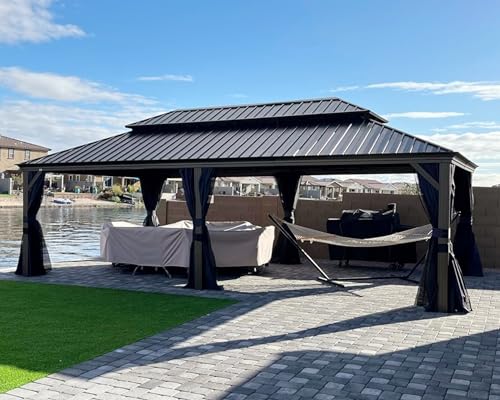
Upgrade Yarn-dyed Curtain: Made with advanced techniques, our upgraded fabric offers strong fade resistance for at least 2 years and stays intact even after a month in extreme conditions.
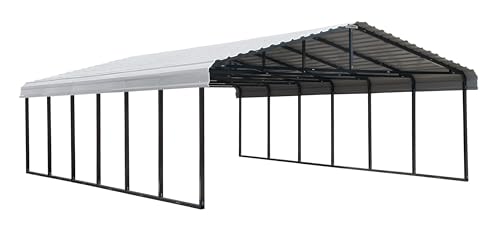
CONVENIENT DIY CARPORT: This all-weather carport functions as outdoor storage to protect your vehicles and equipment from the elements

RUSTPROOF CARPORT: Roof of carport is constructed from durable galvanized steel while the sturdy metal frame is made from rustproof aluminum for long-lasting durability
Insights on Mountaineering Tents
When it comes to mountaineering tents, understanding the right fit for our adventures makes a big difference. Key points to evaluate include:
- Tent Features: Look for options with multiple doors and vestibules for easier access and gear storage.
- Weight Distribution: A lighter tent improves our load management, making backpacking more efficient.
- Materials: Heavy-duty fabrics provide durability, yet ultralight composites like Dyneema help maintain strength without extra weight.
- Ventilation Systems: Dual peak vents enhance airflow, essential for comfort during multi-day trips.
- Seasonal Use: Four-season tents are built for harsh conditions, while three-season models suit milder climates.
Key Takeaways for Pop-Up Canopies
Understanding the key takeaways for pop-up canopies is essential for making informed choices that enhance our outdoor experiences. Here are important points to take into account:
- Canopy Types: Standard 10×10 canopies weigh around 50 pounds. For larger options, like 20×20, we must use heavier weights.
- Weight Distribution: Proper ballast is vital. We should place weights on all four corners for stability, ideally one weight per leg.
- Anchoring: At least 200 pounds of weight is necessary for hard surfaces. Using weighted footplates helps achieve this.
- Wind Resistance: A properly staked 10×10 canopy can withstand winds up to 35 mph. Adding walls decreases wind resistance.
Frequently Asked Questions
How Do I Calculate My Tent’s Effective Weight During Trips?
To calculate our tent’s effective weight, we’ll start with the packed weight, adjust for any removed items, and guarantee a good tent balance by distributing components between us for better weight distribution on our trip.
What Should I Do if My Tent Feels Heavier Over Time?
If our tent feels heavier over time, let’s focus on regular tent maintenance. Surprisingly, dirt can add up to a pound! Better weight distribution and cleanliness can keep our gear light and enjoyable for hiking adventures.
How Can Weather Conditions Impact My Tent’s Pack Size?
Weather effects can considerably impact our tent’s pack size. Moisture absorption increases weight, especially in humid conditions. We should consider these factors when selecting tents to guarantee efficiency and comfort in various weather environments.
Are There Regulations for Tent Weight at Outdoor Events?
Yes, there’re tent safety regulations we must follow at outdoor events. Local standards dictate weight requirements based on tent size and conditions, ensuring we maintain compliance and protect everyone’s safety during our gatherings.
What Packing Techniques Minimize Tent Size Regardless of Manufacturer Claims?
When we tackled a camping trip, using compression sacks and mastering tent folding minimized our tent’s size considerably. Tight rolling not only saved space but also allowed us to fit more gear efficiently in our packs.