As an Amazon Associate, we earn from qualifying purchases. Some links on this site are affiliate links at no extra cost to you. Our recommendations are based on thorough research and editorial judgment.


How to Properly Store Your Tent for Maximum Longevity

To properly store our tent for maximum longevity, let’s follow these steps:
- Ensure Complete Drying: Shake off water, wipe with a towel, and dry in a breezy area.
- Clean Gently: Use mild soap and soft brushes, rinsing well.
- Choose Storage: Find a cool, dry, ventilated spot; avoid sunlight.
- Store Wisely: Keep poles and fabric separate, and use breathable materials.
You may be interested



By doing this, we can keep our tents in top condition. There’s more to take into account about tent care and storage.
Key Takeaways
- Ensure your tent is completely dry by shaking off excess water and wiping down with a microfiber towel before storage.
- Store in a cool, dry place with good airflow, avoiding tight packing to prevent mold and degradation.
- Use breathable storage bags, like cotton or mesh, to allow moisture escape and prevent dust accumulation.
- Regularly inspect your tent for wear and functionality, focusing on seams, zippers, and the overall fabric condition.
- Avoid direct sunlight exposure during storage by using opaque bins or keeping the tent in dark closets.
Ensure Complete Drying Before Storage
When it comes to storing our tent for longevity, guaranteeing complete drying before we pack it away is essential. We should use effective tent drying methods, and here are some important steps:
- Shake Off Excess Water: Vigorously shake the tent to remove surface moisture.
- Wipe with a Dry Cloth: A microfiber towel can help eliminate remaining droplets.
- Utilize Sunlight: Position the tent in direct sunlight, but avoid extended exposure.
- Enhance Airflow: Open all doors and windows for better circulation.
- Hang Indoors if Needed: If weather isn’t ideal, hang the tent in a non-carpeted area.
Following these moisture prevention techniques helps avoid mold and guarantees our tent lasts for many camping adventures ahead! Proper drying is particularly crucial for tents with waterproof fabric and sealed seams, as moisture trapped in these areas can compromise their protective capabilities over time.
Clean Thoroughly Using Gentle Methods

After ensuring our tent is completely dry, the next step is to clean it thoroughly using gentle methods. Here’s how we can achieve effective fabric care:
- Choose the Right Soap: Use mild soaps like Nikwax Tech Wash. Avoid bleach and household detergents.
- Soft Tools: Gently scrub with soft brushes or sponges, focusing on soiled areas without hard scrubbing.
- Rinse Well: Rinse multiple times with cool or lukewarm water to remove all soap residue.
- Handle Hardware: Clean zippers with a damp cloth; avoid harsh scrubbing.
- Spot Cleaning: Use this method for localized dirt to minimize wear.
- Material Durability: When cleaning, remember that modern tent fabrics are often made with recycled nylon ripstop similar to those used in quality camping gear, which requires gentle care to maintain their protective coatings.
Recommended Products

Dual zipper closes to form sleeping bag; thick and durable materials warm and insulate; add to poncho, improvise shelter

★- ZenStyle mini washing machine featured a powerful yet quiet 1300RPM motor with max frequency of 60Hz to ensure your clothes are thoroughly washed, rinsed and spun; Separate timer control design for washer and spinner to meet your different needs; Comes with a 78.8” length water inlet hose for easier filling water; Large capacity of totally 9.9lbs (Washer: 5.5lbs, Spinner: 4.4lbs)
Store in a Cool, Dry, and Ventilated Environment

Properly storing our tent can greatly extend its lifespan. Here’s how we can effectively use tent preservation methods:
- Cool Environment: Aim for storage below room temperature. This slows material degradation and limits heat-related damage, especially to polyurethane coatings.
- Dry Conditions: Moisture is our enemy. Choose dry areas to prevent mold and odors. Basements typically aren’t ideal, so look for consistently dry spots.
- Ventilated Space: Proper airflow is essential. Avoid tightly packed storage; instead, use mesh bags or loose folds to allow breathability. Similar to how stainless steel construction resists rust and damage in camping equipment, proper ventilation prevents moisture buildup that can compromise tent materials over time.
Recommended Products

【SAVE YOUR MONEY!!! Durable Booth, Reduce Replacement】①High strength 210D Oxford material+PU coatings used in the manufacturing of this booth make its more sturdy.②Come with well-crafted design allows for easier access for vehicle and painter.③the installation of heavy-duty double zippers make it can stand more pressure.④The paint booth includes hooks for hanging lamps or lightings to guarantee your visibility at night.⑤The top & bottom D-shaped rings make easy for you to fasten the booth.

【SAVE YOUR MONEY!!! Durable Booth,Reduce Replacement】①High strength 210D Oxford material + PU coatings used in the manufacturing of this booth make its more sturdy.②Come with scientific design allows for easier access for vehicle and painter.③the installation of heavy-duty double zippers make it even more appealing.④The paint booth includes hooks for hanging lamps or lightings to realize the perfect job.⑤The reinforced D-ring at top & bottom make easy for you to fasten the booth

【BREATHABLE FABRIC and WIND ENDURANCE】 The Regatta canvas tent is made from breathable performance canvas. It's waterproof, UV resistant and available in multiple colors. With excellent wind and rain resistance, it's your reliable shelter in any weather. It's also available in a flame-retardant version for 4-season camping with wood stove. Elevate your outdoor experience with the White Duck Outdoors Regatta Tent.
Avoid Direct Sunlight and UV Exposure

To protect our tents and guarantee their longevity, we must avoid direct sunlight and UV exposure during storage. Here are some effective UV protection strategies:
- Store tents in completely dark places, like closets or opaque bins.
- Avoid locations with windows or skylights that let in any filtered light.
- Use UV-blocking, opaque sacks or containers to limit light exposure.
- Similar to how tungsten carbide tips on trekking poles resist wear from environmental exposure, proper storage materials can shield tent fabrics from UV degradation.
Store Poles and Fabric Separately

When storing our tent, one of the smartest strategies we can employ is to keep the poles and fabric separate. This approach helps prevent damage from friction and contact.
Here are some key points:
- Store poles in dedicated bags or tubes to protect them from physical damage.
- Lay poles flat or hang them vertically for proper pole alignment; avoid bends.
- Keep fabric loosely rolled or folded to minimize stress points that can degrade waterproof coatings.
- Use breathable storage containers for fabric, allowing air circulation while blocking UV rays.
- Regularly inspect poles and fabric before storage to address any issues early on.
- Include a compression sack for compact storage similar to how lightweight sleeping bags are packaged for easy transport and space efficiency.
Recommended Products

Heavy Duty: The MicroSport LowBed Trailer supports up to 20' canoes or kayaks and up to a 800 lbs load capacity
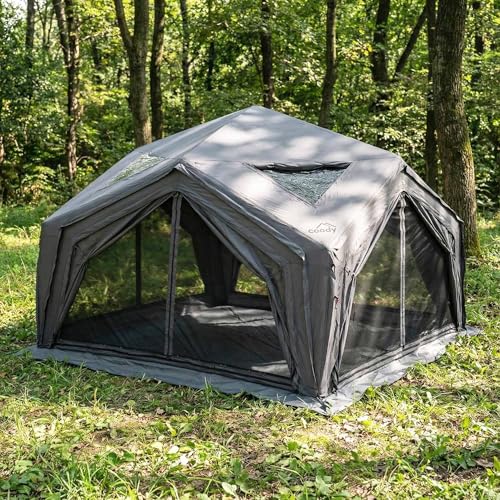
Premium Breathable TC Cotton Canvas (210 GSM): The Coody Hub is made from durable 210 gsm TC cotton canvas (65% polyester / 35% cotton). This breathable fabric allows natural airflow through the tent, helping regulate humidity and significantly reduce condensation compared with synthetic camping tents.

【Reflective Strips and Roll-up Zipper Doors】Our outdoor storage shed carport doors feature dual zippers and buckles for easy removal or roll-up. Reflective strips on both sides of the door enhance visibility, especially at night or in low-light conditions, improving safety and making it easier to locate the tent. Equipped with a mesh window, they offer superior ventilation, promoting airflow and reducing moisture build-up.
Proper Folding and Packing Practices
Folding and packing our tents correctly is essential for preserving their integrity and functionality. To keep our tent configuration safe, let’s follow these practices:
- Avoid sharp folds: They can damage water-resistant coatings.
- Loose packing: Store the tent loosely in a storage bag, reducing creases and pressure.
- Use the right bag: A larger storage bag helps prevent compression.
- Gentle handling: Handle the fabric with care to avoid abrasions and tears.
- Opt for breathable materials: This allows moisture to escape, protecting the fabric.
- Check seams regularly: Factory-sealed seams on quality tents provide weather protection but can deteriorate over time without proper storage care.
Recommended Products
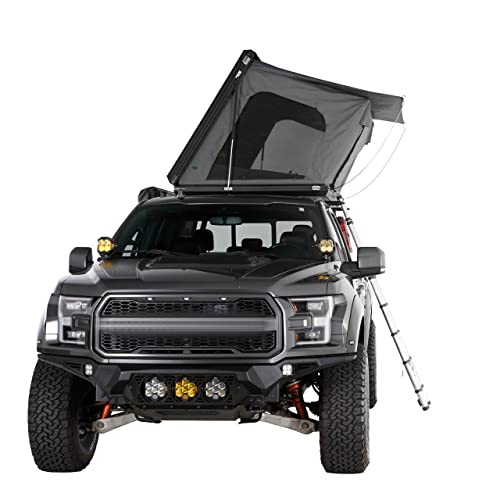
The Sidewinder is the best in class all SIDE OPENING Aluminum-Bodied Hard Side Roof Top Tent with more standard included options. The Sidewinder Roof Top Tent has a Set Up and Put Away time of less than a minute. For Set Up: Unlock two latches, pull down your ladder and insert 2 window rods.

The Mamba III is the best in class all Aluminum-Bodied Hard Side Roof Top Tent with more standard included options. The Mamba III has a Set Up and Put Away time of less than a minute. For Set Up: Unlock two latches, pull down your ladder and insert 2 window rods. Reverse the process for Put Away.

Next-Generation Modular Basecamp Design: The Coody Hub Pro is engineered as a central living space that connects seamlessly with compatible Coody tents, creating a structured modular camping system for extended stays, group camping, and organized basecamp setups.
Inspect for Moisture and Damage Regularly
Inspecting our tents for moisture and damage regularly is essential, as it helps us catch problems early and prolongs the lifespan of our gear. Here are key steps we should follow:
- Visual Checks: Before and after each trip, examine the fabric, seams, and zippers for damp spots or visible mold. Look for discoloration or musty odors as indicators of fungal growth.
- Moisture Detection: Consider using moisture meters and infrared cameras to assess moisture levels accurately.
- Routine Inspections: Clean and dry the tent after each use. Even small debris can harbor moisture.
- Storage Conditions: Verify the tent’s stored dry, away from humidity sources. When storing camping gear long-term, ensure items like camping cots are also cleaned and dried thoroughly to prevent moisture-related deterioration.
Organize Storage of Tent Components
After we’ve confirmed our tent is moisture-free and in good condition, the next step is organizing our tent components for easy access and longevity. Proper tent organization can make a big difference.
- Separate and Identify Components: Detach the tent body, rainfly, poles, stakes, and guylines.
- Component Labeling: Label bins or stuff sacks for each component type to prevent mix-ups.
- Inspect Items: Check seams and zippers for wear before storage.
- Roll or Fold Carefully: Smooth out fabric to avoid sharp folds, preserving coatings.
- Keep Small Items Together: Use a dedicated pouch for stakes and guylines.
- Consider Storage Containers: Just as rotomolded coolers feature UV-resistant materials to protect against sun damage during storage, choose containers that shield your tent components from environmental factors.
Use Breathable Storage Solutions
When we think about properly storing our tent, using breathable storage solutions is essential for ensuring its longevity. Here are key points to reflect on:
- Breathable Materials: Choose mesh or cotton-polyester bags. These prevent moisture accumulation inside the fabric and allow air circulation.
- Moisture Prevention: Avoid airtight plastic bags, as they trap humidity, leading to mold and mildew.
- Storage Tips:
- Dry the tent completely before placing it in the bag.
- Store it loosely folded or rolled, which maximizes airflow.
- Periodically check for moisture or insect damage.
- Similar to outdoor cooking equipment, consider using a hard-shell carrying case for added protection during storage and transport.
Recommended Products

Material: Flysheet: Polyester 210d (water pressure resistance: 70.9 inches (1,800 mm), Inner tent: TC

The Overland Vehicle Systems Bushveld II Hard Shell Roof Top Tent is a 4-Season cantilever designed Roof Top Tent. The Bushveld Name is based on a sub-tropical woodland ecoregion of Southern Africa. The Overland Vehicle Systems Bushveld Hard II Shell Roof Top Tent has one of the largest sleeping areas on the market today; 84” x 64”.

Considerate Design: This tents with side rooms provide greater privacy, use a full range of blackout fabrics, and are equipped with breathable mesh windows. Complete privacy and breathable environment, easily adapting to various travel needs.
Minimize Exposure to High Humidity
Minimizing exposure to high humidity is essential for preserving the longevity of our tents. Here’s how we can achieve effective humidity control and moisture management:
- Avoid high-humidity environments: Don’t store tents in basements or damp sheds. Look for spaces with humidity levels below 60% to prevent mold.
- Ensure proper airflow: Open vents and store tents loosely to allow air circulation and evaporation of residual moisture.
- Dry thoroughly before storage: Always dry tents fully to prevent mildew. Hang or drape them in ventilated areas.
- Use moisture-absorbing products: Place silica gel packets or mini dehumidifiers near storage areas to keep humidity in check.
- Select breathable materials: Use cotton or mesh bags to protect from dust while allowing moisture to escape.
Following these steps will help extend our tents’ lifespan.
Maintain an Ideal Climate for Long-Term Storage
To successfully maintain an ideal climate for long-term tent storage, we need to evaluate both temperature and humidity. Here are some guidelines:
- Control temperature extremes: Avoid excessive heat above 70°C (160°F), which can degrade coatings rapidly.
- Choose stable environments: Store in cool areas, avoiding basements with high humidity levels despite cooler temperatures.
- Monitor humidity: High humidity, even at moderate temperatures, can cause mold and mildew; always guarantee tents are completely dry before storage.
- Promote airflow: Proper ventilation helps regulate temperature and humidity, minimizing damage risks.
- Follow maintenance practices: After each camping trip, regular cleaning and drying of your canvas tent is essential before storing to prevent degradation and extend its lifespan.
Frequently Asked Questions
How Often Should I Inspect My Tent During Storage?
We should inspect our tent every 3-6 months during storage. For excellent tent condition, monthly checks are ideal, especially after heavy use, ensuring we catch any issues early with inspection frequency that’s effective and thorough.
Can I Store a Wet Tent if I Dry It Later?
We shouldn’t store a wet tent, even if we plan on drying it later. In just 24 hours, moisture risks like mildew can occur, compromising our tent’s durability. Prioritize proper tent drying before storage.
What’s the Best Way to Clean Tent Zippers?
To clean tent zippers effectively, we need to prioritize zipper maintenance. Useful cleaning tips include using a soft brush for debris, mild detergent, and a specific lubricant afterward. This routine keeps our zippers functioning smoothly for future adventures.
Is It Safe to Store My Tent in the Garage?
While garage conditions might seem convenient, humidity levels can create risks for our tent. If we make certain proper ventilation and protect it from moisture, we can safely store our tent without worry.
How Can I Tell if My Tent Has Mold?
To tell if our tent has mold, we should look for discoloration, strange odors, or dampness. Regular maintenance and mold prevention are essential, so let’s inspect for early signs and keep our gear safe.