As an Amazon Associate, we earn from qualifying purchases. Some links on this site are affiliate links at no extra cost to you. Our recommendations are based on thorough research and editorial judgment.


Freestanding vs. Non-Freestanding Tents: What’s the Difference

When we’re comparing freestanding and non-freestanding tents, we notice some key differences. Freestanding tents have poles that allow them to stand independently, making setup easier on various terrains. Non-freestanding tents rely on stakes and guy lines, excelling in soft ground but needing careful anchoring. Here’s a quick breakdown:
- Weight: Freestanding tents weigh more, while non-freestanding models are lighter.
- Space: Freestanding tents offer better interior comfort.
- Stability: Freestanding tents handle wind better.
You may be interested


If you’re curious about which option suits your needs best, there’s more to uncover!
Key Takeaways
- Freestanding tents have a pole structure for independent setup, while non-freestanding tents rely on stakes and guy lines for support.
- Freestanding tents are versatile for various terrains and allow easy relocation, while non-freestanding tents excel in soft, stake-friendly areas.
- Freestanding tents are generally heavier (5 lbs+) due to additional poles, whereas non-freestanding tents weigh around 1 lb, ideal for ultralight backpacking.
- Freestanding tents offer more interior space and comfort with better durability, while non-freestanding tents may limit livability due to their A-frame designs.
- Freestanding tents provide superior wind stability and gear integration options, while non-freestanding tents may risk failure without proper staking and anchoring.
Definition of Freestanding Tents
Freestanding tents are an essential tool for campers and backpackers seeking convenience and reliability. They stand independently, thanks to a dedicated pole structure, offering some distinct advantages:
Freestanding Benefits:
- Quick Setup: They’re easier to pitch and reposition.
- Versatility: Suitable for sand, rocks, or wood.
- Interior Space: Typically provide more room and headroom.
However, there are also Freestanding Drawbacks:
- Weight: Generally heavier than trekking pole tents.
- Weather Resistance: While great on their own, staking improves stability in bad weather.
Some freestanding tents, like those with a hub design, can be set up in as little as 90 seconds, making them particularly appealing for campers who prioritize speed and ease of assembly.
Definition of Non-Freestanding Tents

Non-freestanding tents are a popular choice among campers and backpackers who prioritize lightweight gear and minimalism. Their design features focus on stability through stakes and guy lines, making careful setup essential. Here are key aspects:
- Structural Dependence: Without proper staking, the tent loses headroom and collapses.
- Weight: Typically weighing between 1–2 pounds, they are lighter than freestanding options.
- Trekking Poles: Many utilize trekking poles for support, reducing dedicated pole weight.
- Weather Resistance: Single-wall designs may struggle with condensation, but rain protection is often integrated.
- Terrain Limitations: Best suited for soft, stake-friendly surfaces, making campsite selection important.
- Gear Pairing: When combined with ultralight sleeping bags that weigh 2–5 pounds, non-freestanding tents contribute to a highly efficient backpacking setup for multi-season adventures.
Setup Versatility

When we consider setup versatility, the ability to choose a campsite freely can drastically impact our outdoor experience. Here’s how freestanding and non-freestanding tents compare:
- Freestanding Tents:
- Set up almost anywhere, on rocky or soft ground
- Quick setup speed; easy to move without disassembly
- Ideal for tent platforms or inside shelters
- Non-Freestanding Tents:
- Best in soft, stake-friendly terrains
- Require adequate anchoring; setup can be complex
- Initial pitch may need complete disassembly if conditions are poor
Just as choosing the right tent impacts your camping experience, selecting gear with proper temperature ratings ensures comfort throughout the night in varying conditions.
Recommended Products
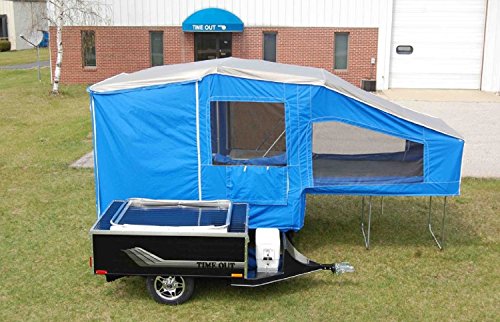
On those hot days it serves to keep your cold A/C in while still being able to enjoy the view of the outdoors. Yes each camper has an optional attachment for an A/C unit! Time Out Deluxe Camper with 23 cubic feet of cargo space. Set up time is about 3 minutes with one person. Black or White Color Scheme, Grey, Blue, or Red Stripes, Air Mattress, Wiring Harness, 1 7/8" Ball Coupler, Table, Chair, Wheels 12"

Time Out Camper with16 cubic feet of cargo space.

LARGE TENT: Our High Peak Frame Tents are designed for a quick and easy setup. This stylish, sleek easy ELEGANT EVENT TENT can be set-up on grass, in a parking lot, or on other asphalt surfaces with one of our stake drivers (sold separately). Their size and elegant look make them ideal for outdoor events such as weddings, receptions, graduations, and other events that need to accommodate a large number of guests.
Weight Considerations

Weight plays an essential role in our choice of tents, especially when planning backpacking trips. Here’s how weight considerations affect our options:
- Freestanding Tents:
- Typically 5 pounds or more due to extra poles.
- Easier setup but heavier weight distribution, making them less ideal for ultralight hiking styles.
- Non-Freestanding Tents:
- Weigh just over 1 pound by using trekking poles for support.
- Perfect for short, fair-weather trips, where we can minimize carried weight.
Even though some ultralight freestanding tents almost match the weight of non-freestanding models, they require specialized materials. For varied terrain or longer trips, the weight of a freestanding tent might be justified for improved stability and livability. When evaluating total pack weight, consider that lightweight sleeping bags can weigh as little as 2.68 pounds, allowing you to balance comfort with the warmth-to-weight ratio across your entire sleep system.
Interior Space and Comfort

Interior space and comfort are pivotal in our tent selection process, especially for lengthy adventures where we spend significant time inside. Here’s what we need to reflect on:
- Freestanding tents typically have:
- Steeper walls for better interior space.
- A dedicated pole structure, allowing flexibility in various terrains.
- Comfort features like double walls that enhance ventilation.
- Non-freestanding tents offer:
- A-frame designs, which can limit livable space.
- Impressive room inside two-person models with trekking poles.
- More careful site selection for ideal comfort.
Organizing your cooking gear efficiently with transparent pockets and multiple compartments can help maximize the limited storage space available in either tent style.
Vestibule Size and Storage
Vestibule size and storage play an essential role in our tent choice, especially on multi-day trips. Here are key points to reflect on:
- Vestibule Functionality: They provide covered storage for gear, boots, and cooking items, protecting our tent’s interior from dirt and moisture.
- Sizes: Typically range from 7 to 10+ sq ft, impacting how much gear we can store outside our sleeping area.
- Accessibility: Tents with dual vestibules enhance convenience, allowing simultaneous access without disturbing others.
- Configurations: Different door setups affect how we enter and use vestibules; larger vestibules can improve ventilation and serve as dry prep areas.
- Organization Features: To maximize vestibule efficiency, consider using backpacks with multiple pockets and compression straps to keep gear organized and secure within the limited covered space.
Occupancy Capacity
When choosing a tent, understanding its occupancy capacity is essential for a comfortable experience. Here’s what we need to contemplate:
- Freestanding Tents: These tents typically offer more interior volume. They range from 1P to 5P, with designs varying considerably. Key factors include:
- Headroom: Some ultralight models may have limited space.
- Usable Floor Area: Double-wall constructions enhance livability.
- Non-Freestanding Tents: Often smaller, they’re suitable for solo or two-person use, focusing on minimalism. Factors include:
- Space Constraints: Limited head and shoulder room.
- Site Selection: Requires flat, stakeable ground for maximum interior space.
Understanding these factors helps us choose the right tent based on our group dynamics and tent sizing needs. For couples seeking comfort in a freestanding design, models like the BISINNA tent provide ample room with dimensions of 82.7 x 47.2 inches for two people.
Durability of Materials
Choosing the right tent isn’t just about size; we also need to contemplate the durability of materials. Here’s what we should consider:
- Fabric Longevity: Freestanding tents often use thicker fabrics, enhancing durability against abrasion. In contrast, non-freestanding tents prioritize lightweight materials, which can lead to quicker wear.
- Material Maintenance: Common fabrics include:
- Silnylon: Lightweight but stretches; moderate durability.
- Silpoly: Less stretchy, more waterproof, offers better longevity.
- Dyneema Composite Fabric: Superior strength but comes at a cost.
- Stress Points: Freestanding tents distribute stress better, while non-freestanding tents need careful setup.
Properly maintaining our tent and using suitable materials can greatly impact its lifespan, ensuring it serves us well for many trips. Quality tents often incorporate tear-resistant polyester with reinforced seams to enhance durability and provide long-term weather resistance across various camping conditions.
Comparisons in Weather Stability
Understanding the differences in weather stability between freestanding and non-freestanding tents is essential, especially if we plan to camp in varying conditions.
Weather Performance Comparison:
- Freestanding Tents:
- Offer superior wind resistance, maintaining their structure under stress.
- Quick setup, can be moved before staking, ideal for changing weather.
- Robust design provides better protection from wind and rain.
- Non-Freestanding Tents:
- Rely on stakes or trekking poles, making them more sensitive to failure.
- A single misaligned or unstaked pole can lead to catastrophic failure.
- Lightweight but may require careful setup in challenging conditions.
In heavy winds or storms, freestanding tents generally provide better stability, making them a smart choice for unpredictable weather. For optimal weather protection, look for tents with a waterproof rating of at least 1500 mm and sealed seams to keep you dry during rain.
Terrain and Setup Compatibility
Terrain and setup compatibility can greatly affect our camping experience, especially when it comes to choosing the right tent. Here’s a breakdown of how these factors influence our options:
- Freestanding Tents:
- Ideal for hard, rocky, or compact terrain.
- Quick setup without stakes; easier to reposition.
- Non-Freestanding Tents:
- Best for soft to moderately firm soil.
- Require careful terrain assessment for staking techniques.
In alpine, desert, or canyon settings, freestanding tents excel due to staking challenges. While we can use rocks for non-freestanding tents, it complicates setup. Evaluating terrain helps us decide, ensuring our tent stands strong, especially in unpredictable conditions. Ultimately, our tent choice should adapt to the environment for a smoother camping adventure.
Recommended Products

Exceptional all-season performance: The 2- and 3-person Allak models are incredibly strong, fully freestanding dome tents with two roomy vestibules. They offer generous space, excellent comfort and easy pitching in any terrain, and perform equally well in fair weather as in rough conditions with high winds or heavy snow.

Accessories: 1 x canvas tent, 1 x center pole, 4 x door poles, 4 x rainproof caps, 14 x small stakes, 14 x large stakes, 14 x wind ropes, 1 x instructions.

STAY DRY AND COMFORTABLE: Waterproof canvas is breathable for the best all-season protection and airflow; Mesh screens for ventilation and views; Finally, a dry, comfortable family camping experience; Footprint sold separately
Weight and Portability Differences
When we think about weight and portability differences in tents, how do our choices impact our overall hiking experience? Here’s how these factors play out:
- Weight Distribution: Freestanding tents often come with heavier frame structures, requiring additional poles. Non-freestanding tents usually use trekking poles, saving around half a pound or more.
- Portability: Non-freestanding tents are more compact due to simpler designs. This means they fit better in our packs. Freestanding tents, with their bulkier pole bundles, can take up valuable space.
- Semi-Freestanding Options: These tents offer a middle ground, providing some weight savings while maintaining ease of setup.
- Ultralight Advantages: For those prioritizing minimal pack weight, ultralight options like the MSR Freelite series weigh just 2 lbs 6 oz while still offering a roomy interior for multiple occupants.
In the end, choosing the right tent affects not just our pack weight, but how enjoyable our hike will be.
Recommended Products

Designed for backpacking groups who want lightweight without sacrificing space, the FreeLite is the ideal semi-freestanding, ultralight 3-person tent; minimum weight is 2 lbs. 6 oz (1.07 kg)

High-performance, high-strength OSMO poly-nylon ripstop fabric has 4x longer-lasting water repellency and 3x less stretch when wet. OSMO fabric is made from 100% recycled yarns that are PFAS-free and meet flame retardancy standards without the use of added chemicals.

The FreeLite is a semi-freestanding, ultralight 2-person tent designed for backpackers who want to shed weight without sacrificing space and features; minimum weight is 2 lbs. (0.91 kg)
Packing Efficiency
Packing efficiency plays an essential role in our overall camping experience, particularly when choosing between freestanding and non-freestanding tents. To optimize our packing, we can consider several factors:
- Interior Organization: Non-freestanding tents often need fewer components, making them easier to manage.
- Packing Techniques: Freestanding tents can be packed assembled for quick setup but risk damage without careful securing.
- Space Utilization: Disassembling tents for individual packing can free up backpack space.
- External Storage: Using mesh pockets for the tent body and compression straps for poles enhances access and organization.
Ultimately, our choice will depend on the balance between setup speed and packing efficiency. By understanding these dynamics, we can make camping more enjoyable and streamlined.
Recommended Products

Eight (8) White Straps with Heavy Duty Ratchets

Heavy-Duty Construction - 1" x 12ft polyester webbing with 2500 lbs break strength; Zinc-plated ratchet handle for weather resistance & easy tightening; Double bar D-ring and snap hook assembly

? EASY TO USE - Convenience is everything, that?s why we built our Compression Strap to be as intuitive as possible; When you?re packing or unpacking your expandable shelving system the last thing you want to do is spend time looking for our quick-release buckles; That?s why we designed our extra long straps in bright vivid colors!
Gear Integration Options
Choosing the right tent involves more than just size and weight; it also hinges on how well we can integrate our gear with the shelter itself. Here’s a breakdown of gear integration options for freestanding and non-freestanding tents:
- Freestanding Tents:
- Integrated attachment points on poles and fabric, enhancing gear organization.
- Larger vestibules for easy access to external equipment like boots and bags.
- Reinforced loops for hanging lanterns or drying gear.
- Non-Freestanding Tents:
- Depend on stakes and guylines for stability, allowing creative gear attachment.
- Smaller vestibule space, often needing extra tarps for gear protection.
- Guylines may double as tie-downs for organizing lightweight gear externally.
Recommended Products

Lightweight & Portable: Measures 12.5 feet across and 7.8 feet at center height; Hub-to-hub measures 150 inches long and 150 inches wide; Packed size measures 10.5 inches long by 10.5 inches wide by 6.75 feet tall; Weight: 47 pounds

Revolutionary ultralight design - HyperBead fabric technology makes these backpacking tents 6% lighter, 25% more waterproof, and 65% stronger than traditional options—without added chemicals. Available in 1 person tent, 2 person tent, and 3 person tent sizes

Compatible with 2010-2024 4Runner.
Preferences Among Backpackers
Understanding the preferences among backpackers is essential in selecting the right tent for our adventures. When choosing between freestanding and non-freestanding tents, we consider several factors:
Weight and Packability
- Non-freestanding tents are lighter, great for ultralight setups.
- Freestanding tents provide comfort but add weight.
Interior Space and Livability
- Freestanding tents offer more headroom and space.
- Non-freestanding tents may feel cramped.
Setup and Staking
- Freestanding tents are easier to pitch on rocky ground.
- Non-freestanding options require precise staking, which some minimalist backpackers accept for weight savings.
Durability
– Both types vary in durability, often based on materials rather than structure.
Ultimately, our choices reflect backpacker preferences that balance tent aesthetics with functional needs tailored to our journeys.
Frequently Asked Questions
Can I Use a Tarp With a Non-Freestanding Tent?
Yes, we can definitely use a tarp with a non-freestanding tent! The tarp benefits us by providing extra coverage and versatility, enhancing our tent compatibility through additional shelter options that protect against the elements effectively.
How Do I Repair Minor Tears in My Tent?
When a small tear appeared in our tent, we opted for Tenacious Tape. After cleaning the area and applying the patch, we could confidently use it again, showcasing effective patch techniques and reliable tape options for quick repairs.
What Length of Stakes Do I Need for My Tent?
We’ll need stakes at least 6 inches long for stability, but larger tents might require over 12 inches. durable materials like steel enhance tent stability in various soil conditions. Always assess before deciding!
Are There Eco-Friendly Tent Options Available?
We’ve discovered incredible eco-friendly tent options made from sustainable materials like organic cotton and hemp. Plus, tent recycling programs are popping up everywhere, making it easier than ever to minimize our environmental footprint while camping!
How Do I Clean and Maintain My Tent?
To clean our tents, we should hand wash with mild soap and water, rinse thoroughly, and air dry. For ongoing maintenance, let’s inspect poles and seams regularly, ensuring our tent stays in top condition!