As an Amazon Associate, we earn from qualifying purchases. Some links on this site are affiliate links at no extra cost to you. Our recommendations are based on thorough research and editorial judgment.


The Science Behind Tent Ventilation and Condensation Control

Tent ventilation is key for plant health. Here’s why:
- Air Exchange: Regular air circulation supports CO₂ uptake and prevents microclimates.
- Temperature Regulation: Proper airflow keeps temperatures stable and cools tents.
- Humidity Control: Manage moisture with dehumidifiers and humidifiers.
- Odor Management: Use carbon filters and exhaust fans to neutralize odors effectively.
You may be interested



Understanding these elements helps guarantee your plants thrive. Stay tuned, and we’ll explore even more strategies to optimize your tent environment.
Key Takeaways
- Effective tent ventilation promotes steady air exchange, minimizing humidity levels and reducing the risk of condensation.
- Proper airflow management facilitates the escape of warm, moist air while allowing cooler, drier air to circulate inside the tent.
- Strategic placement of intake and exhaust vents enhances natural air movement, optimizing temperature and reducing moisture buildup.
- Utilizing oscillating fans maintains constant air circulation, preventing stagnant conditions that can lead to condensation and enhance plant growth.
- Regular monitoring of humidity levels and system maintenance ensures effective condensation control and a healthier camping environment.
Importance of Air Exchange in Plant Growth
When we think about the importance of air exchange in plant growth, it’s clear that a steady flow of air is essential for our plants’ health. Air flow dynamics play a significant role in ensuring ideal CO₂ distribution. Here’s how it benefits our plants:
- Carbon Dioxide Supply: Steady air exchange promotes consistent CO₂ input, crucial for photosynthesis and growth.
- Gas Exchange: Enhanced airflow across leaves improves CO₂ uptake and oxygen release, maximizing nutrient uptake.
- Uniform Conditions: Proper ventilation prevents microclimates, avoiding hot or cold spots that can hinder growth.
- Pathogen Control: Continuous airflow reduces humidity, minimizing conditions favorable for diseases.
Just as proper ventilation requires weather-resistant materials to maintain structural integrity in challenging outdoor conditions, greenhouse and tent structures must be built to withstand environmental stresses while facilitating optimal air exchange.
How Ventilation Regulates Temperature

Effective ventilation is essential for temperature regulation within a tent. By facilitating airflow dynamics, we can maintain a comfortable environment amid changing conditions. Here’s how ventilation helps:
- Heat Exchange: It allows warm air to escape while cooler air enters, reducing heat buildup.
- Temperature Stability: Ventilation minimizes heat loss and gains, supporting a steady temperature.
- Climate Adaptation: In hot climates, it cools down the interior; in cold areas, it helps manage moisture.
- Airflow Design: A well-designed ventilation system enhances airflow, reducing stagnation, which is vital for thermal comfort.
With effective tent insulation and the right airflow systems, we can create an enjoyable camping experience while optimizing temperature control. Just as breathable materials like sandwich mesh promote airflow in backpack designs to prevent overheating, similar ventilation principles apply to tent construction for maintaining optimal internal conditions. Let’s be mindful of these factors for our next outdoor adventure!
Managing Humidity Levels for Optimal Conditions

Managing humidity levels in our tents is essential for creating suitable conditions, especially when it comes to plant growth and overall comfort. Proper humidity balancing can boost growth rates by up to 30%. To effectively manage moisture, consider these strategies:
- Increase Humidity:
- Use humidifiers or misting systems.
- Place water trays or hang damp towels.
- Decrease Humidity:
- Employ dehumidifiers and improve ventilation.
- Adjust watering practices and remove stagnant water.
Monitoring is key. Using multiple digital hygrometers allows us to accurately track humidity trends. Regular calibration guarantees that our hygrometers give consistent readings. By following these methods of moisture management, we can maintain favorable humidity levels and promote a healthy environment for our plants.
Ensuring Air Circulation for Plant Health
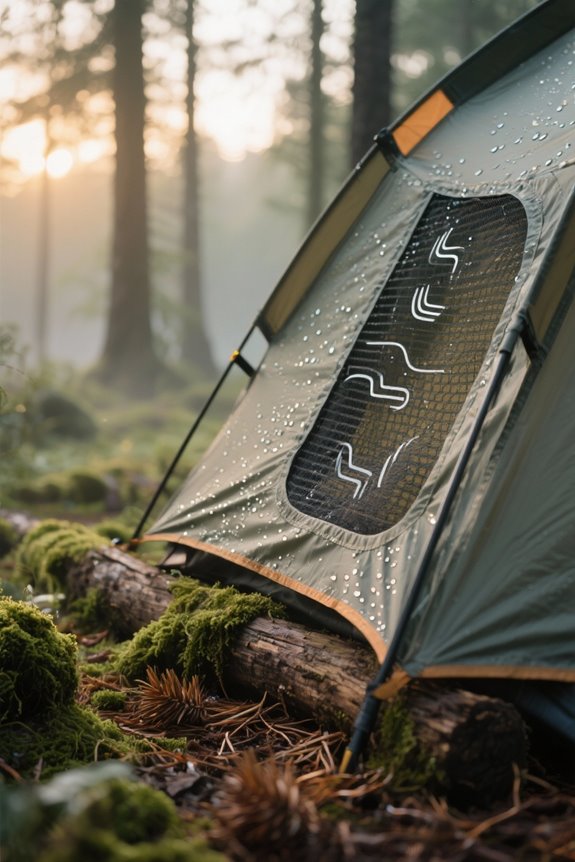
Ensuring proper air circulation is essential for plant health, as it directly impacts their ability to thrive. By managing airflow dynamics, we can help our plants achieve ideal growth. Here’s how:
- Stomatal Opening: Good air circulation keeps plant stomata open for effective photosynthesis.
- Transpiration Boost: Improved airflow enhances transpiration, aiding water movement from roots through leaves.
- Humidity Control: Circulation reduces humidity pockets, lowering the risk of fungal diseases.
- Uniform Airflow: Adequate plant spacing prevents overcrowding, allowing for even air distribution.
- Pathogen Prevention: Movement disrupts stagnant air, helping to minimize disease spread.
- Moisture Management: Just as waterproof materials protect camping gear from external moisture, proper ventilation prevents internal moisture buildup that can harm plants.
Odor Control Strategies in Tent Environments

When we think about cultivating plants in tent environments, odor control often becomes a significant concern. Effective odor neutralization techniques are vital for a successful setup. Consider implementing the following strategies:
- Carbon Filters: These trap and neutralize odor molecules, guaranteeing fresh air exits the tent.
- Inline Exhaust Fans: They work hand-in-hand with carbon filters, creating negative pressure to minimize odor leakage.
- Ducting: Non-perforated ducting connects the filters to fans, directing airflow appropriately.
- Chemical Odor Inhibitors: While effective, their use should be carefully monitored to prevent potential harm to plants.
For best results, regular maintenance is imperative. We must clean filters, check for leaks, and verify our systems are operating at peak efficiency to maintain a pleasant growing environment. Just as leak-proof designs simplify maintenance in outdoor coolers, ensuring your ventilation system remains sealed prevents odor escape and maintains optimal airflow in your tent setup.
Key Components of a Ventilation System
A well-designed ventilation system is essential for ideal plant growth in tent environments, as it helps maintain the right temperature and humidity levels. Key components to take into account include:
- Exhaust Fans: Placed at the highest point, they remove hot, humid air effectively.
- Intake Fans: Located near the bottom, they pull in fresh air, promoting airflow.
- Ducting: Guarantee minimal bends for maximum airflow and connect all components securely with clamps.
- Carbon Filters: Attach to exhaust for air purification, critical in odor-sensitive setups.
- Sensors and Controls: Monitor conditions to maintain air quality and assist in fan efficiency.
With these components, we can create a balanced system that guarantees healthy plant growth and prevents issues like condensation. Proper ventilation also reduces heat emissions from equipment, which is especially important in enclosed tent spaces where temperature regulation is critical for preventing moisture buildup.
Recommended Products

【Upgrade The Air Filtration System 】—— The booth USES a new generation air filtration system to improve air replacement speed. The blue intake pipe provides fresh air. The filter Windows on both sides absorb the paint and odors produced during work. The filter is replaceable while also helping you save money.

【FULL ACCESSORIES,HIGH EFFICIENT FILTRATION SYSTEM】Upgrade Sewinfla inflatable paint booth equipped with two high power blowers(1100W+1100W), double filter cotton, air draft device, 520W exhaust fan +33FT air ducting. Upgrade ACCESSORIES accelerate the air filtration speed and improve the filtration performance of the paint booth.

【Enhanced Filtration System for Optimal Performance】The GORILLASPRO Inflatable Paint Booth 33X20X15Ft now features upgraded accessories, including two high-power blowers, double filter cotton, an air draft device, exhaust fan, and 33FT of air ducting. These enhancements accelerate air filtration speed, ensuring improved performance and efficiency of the paint booth.
Understanding Inline Fans and Their Function
Inline fans play an essential role in maintaining ideal conditions inside grow tents, as they facilitate efficient air circulation and support healthy plant growth. Here’s how they work:
- Design: Inline fans integrate into ductwork and feature enclosed fan blades for powerful airflow with minimal noise.
- Fan Operation: They push or pull air, creating positive pressure airflow, which helps prevent moisture buildup and maintains optimal humidity.
- Airflow Efficiency: Generally measured in CFM (Cubic Feet per Minute), we should choose a fan matching our tent’s volume for one air exchange cycle per minute.
- Performance Considerations: Like camping lighting systems, inline fans should maintain runtime consistency to ensure reliable ventilation throughout day and night cycles.
Recommended Products

Kit Included: 60"x60"x80" Grow Tent; Bar LED Grow Light 645W; 8" AeroZesh G8 Fan; GrowHub E42A Controller; 6" AeroWave E6×2; 8" Black Carbon Filter; 8" Prefilter; 8" 25ft Ducting; 8" Clamp×2; 5*5ft Trellis Net; 5Gal Black Grow Bag×10; 8" Vent Cover×2; Pruning Shears; 100m Twist Tie; Sticky Trap×20; Plant Tag×20; Hook & Loop Cable Tie×10; 5 ft Aluminum Ducting Tape; Gardening Gloves; Rope Hanger×2

PREMIUM Quant-LED light GROW LIGHT - LED lights specialty manufactured by VIVOSUN with Samsung LM301 diodes for FULL spectrum light, ideal for ALL STAGES of growth. Energy efficient with a high reflective hood and adjustable dimmer to give plants optimal light intensity and spectrum. Silent functions mean that no fans cause noise pollution in your home. 600w output incentivizes low cost for the home and runs 50% less energy than “blurple” and other leading LEDs. UL, CE, ETL Certificated.

TOP INDOOR GROW TENT: Our 24" x 24" x 60" grow tent comes with 600-WATT FULL SPECTRUM LED Grow Light that delivers optimal light-spectrum coverage, more power for bloom, maximum PAR output at various distances, and super-bright lights. With two separate switches, Veg and Bloom function. Designed for SUPER ENERGY SAVING and works great in a closet, pantry, or corner of your room.
The Role of Carbon Filters in Air Quality
To guarantee ideal air quality in our grow tents, the role of carbon filters can’t be overstated. Carbon air filtration is essential for removing harmful gases and odors that compromise our indoor environment. Here’s what we need to know:
- Effectiveness: Activated carbon performance varies. Thicker filters (32–46mm) capture more VOCs and last longer.
- Maintenance: Filters should be replaced every 12 to 18 months to avoid clogging, which reduces airflow.
- Installation: Proper sizing and matching with exhaust fans are vital. Filters need adequate pressure to work effectively.
Using carbon filters not only mitigates smells from our plants but also improves overall air quality by trapping dust, pollen, and other particles. Just as waterproof materials are essential for outdoor sleeping bags to protect against moisture, proper filtration materials are critical for maintaining a controlled indoor environment. It’s a smart choice for maintaining a healthy growing space.
Recommended Products

MAXIMUM EFFICIENCY AND UNIFORM LIGHT: The upgraded G3000 LED grow light has a unique extended light bar design that provides more uniform and comprehensive canopy coverage, especially at the edges of the cultivation area. With 1184pcs bridgelux diodes, G3000 full spectrum plant light draw 300 watts with 852 umol/S, achieves an impressive PPE of 2.8 umol/J, coverage for 3x3 ft high-yield growth throughout the cycle
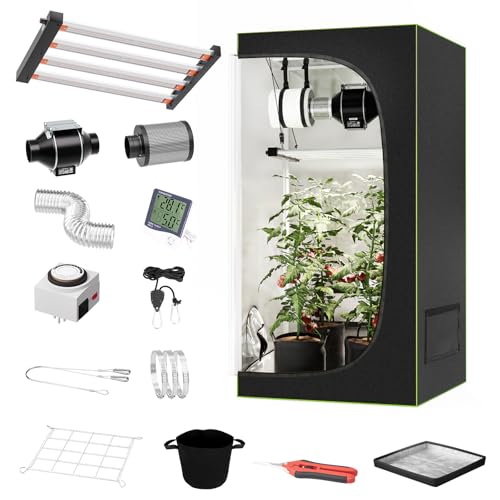
250W Full Spectrum Dimmable Grow Light: The full spectrum illumination is closer to natural light and can meet all the lighting and morphological development needs of plants at different growth stages. The maximum power of the grow light is 250W, with 676 LED beads, which is higher than most grow lights, allowing for a wider coverage range and higher light intensity
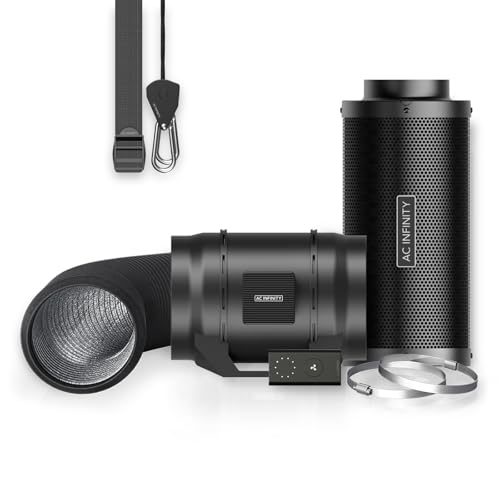
An air filtration kit with everything you need to cool, ventilate, and control odors in your grow space.
Ducting Techniques for Efficient Airflow
Efficient ducting is essential for maintaining ideal airflow in our grow tents, ensuring plants thrive in a well-ventilated environment. Here are some key techniques to keep in mind:
- Ducting Materials: Use flexible aluminum or insulated ducting for maximum airflow efficiency and noise reduction.
- Minimize Resistance: Keep ducts short and straight, avoiding bends and kinks that contribute to airflow resistance.
- Secure Connections: Attach ducting with clamps or tape, ensuring airtight seals to prevent leaks.
- Component Positioning: Place fans and filters strategically; an exhaust fan inside the tent is often effective.
- Airflow Balance: Create slight negative pressure using balanced exhaust and intake systems, promoting efficient air exchange.
- Waterproofing Considerations: When setting up ventilation in humid conditions, ensure all electrical components maintain at least an IPX4 rating to withstand moisture exposure and prevent equipment failure.
Recommended Products

Flexible: 36"x25ft Flexible Pvc Ducting Applied hard-wearing, flexible vinyl woven polyester with carbon wire spring and adhesive tape, smooth inside wall. Designed to be super flexible and flame-retardant.

Hand-free voice control with Alexa: Use your voice to control iPower device via Alexa sound and the device listing will automatically sync to Alexa. Easy to manage smart fan. Just say ''Alexa, what is the temperature'' or ''Alexa, increase the fan speed''
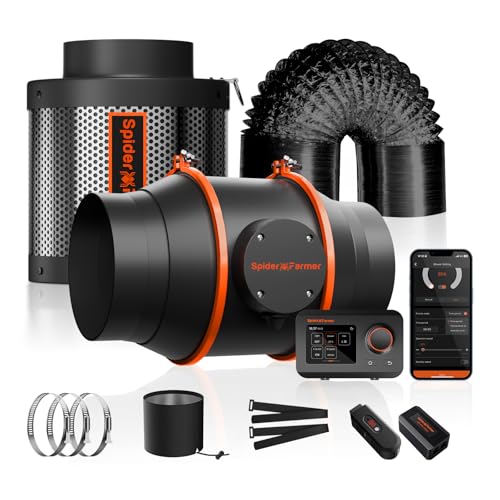
The inline fan includes temperature and humidity sensors for climate monitoring and automated regulation.The GGS Controller is powered through its RJ12 port and does not require an external power supply
Internal Air Circulation With Oscillating Fans
An effective internal air circulation system is essential for our grow tents, and oscillating fans play an important role in this setup. Here are some oscillating fan benefits we can appreciate:
- Prevents Stagnation: They create constant air movement, stopping stagnant air pockets.
- Healthy Growth: Mimicking outdoor breezes, they promote strong plant stems.
- Humidity Control: By circulating air, they maintain uniform temperature and humidity.
- Pest Prevention: Continuous airflow discourages pests that thrive in calm conditions.
- Condensation Reduction: With reduced localized moisture, we avoid issues like mildew.
To maximize these advantages, we should consider fan size, placement, and circulation techniques, ensuring ideal airflow around our plants. For optimal performance, look for fans with adjustable wind speeds that allow you to customize airflow based on your specific growing conditions. This way, we enhance our growing environment effectively.
Recommended Products

Perfect Smart Combination: Includes AeroZesh G4 4” Inline Duct Fan, GrowHub E42A+ Controller, 4” Black Carbon Filter, and φ4” 8' Black Ducting; Ideal for moving and transporting air in various air circulation and ventilation projects; The GrowHub E42A+ controller allows for precise and easy control over the fan speed, airflow, and many other elements, stabilizing and optimizing your growth environment

COMPLETE VENTILATION SYSTEM: MARS HYDRO 4 Inch Inline Fan and Filter kit includes a duct fan, speed controller, carbon filter, and 25ft flex ducting, providing a complete ventilation system for grow tent or room ventilation
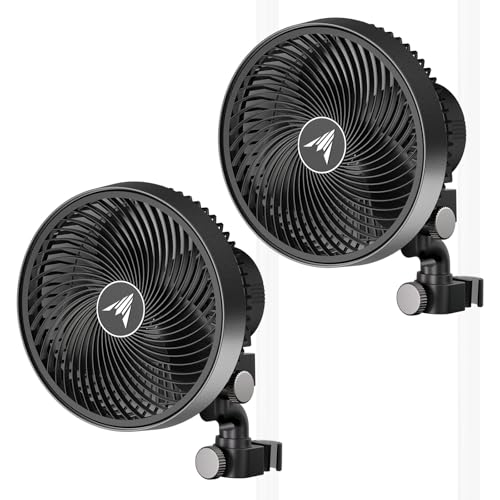
2x 9-inch clip-on fans engineered for longer-lasting, tailored circulation in grow space environments.
Strategies for Maintaining Negative Pressure
When managing a grow tent, maintaining negative pressure is vital for ideal airflow and plant health. Here are some strategies for effective negative pressure management:
- Exhaust Fan Selection: Choose an appropriately sized exhaust fan. It should exceed your required airflow (measured in CFM) to promote inward air movement.
- Seal Leaks: Regularly check all seams and vents for leaks, sealing them with airtight materials to maintain stability and reduce contaminants.
- Vent Placement: Position intake vents low and exhaust vents high. This setup allows for natural airflow optimization.
- Adjust Speeds: Utilize fan speed controllers to fine-tune settings based on the grow tent’s unique needs.
- Power Backup: Consider a portable power station to ensure your ventilation system continues operating during power outages, preventing condensation buildup and maintaining optimal growing conditions.
Effectiveness of Roof Vents in Reducing Condensation
Effective roof vents play a significant role in reducing condensation within grow tents. They offer several roof vent benefits that enhance our tent experience:
- Functionality: They let warm air escape, making room for cooler air, which helps minimize condensation.
- Airflow Dynamics: Hot, moist air exits through the vents, reducing chances of condensation on tent walls.
- Design Importance: Well-designed vents guarantee effective airflow without risking structural integrity.
- Climate Adaptation: They work well in various climates, managing internal humidity levels.
- Maintenance: Regular cleaning is essential for peak performance.
Climate Considerations for Tent Ventilation
Understanding climate considerations is crucial for effective tent ventilation. We need to evaluate various factors to guarantee comfort and minimize condensation:
- Temperature Regulation: Using advanced HVAC systems helps maintain ideal temperatures.
- Humidity Management: Deploying portable dehumidifiers can greatly reduce humidity levels.
- Airflow Strategies: Strategically placed vents and fans guarantee even air distribution, minimizing hot spots.
- Natural Ventilation: Tent openings can facilitate airflow, reducing humidity.
In addition, we can enhance our approach by installing humidity sensors to monitor and adjust conditions. This integration supports a proactive setup.
Best Practices for Tent Placement and Setup
Selecting the right spot for our tent can make a big difference in comfort and practicality. Here are some best practices for tent placement and setup:
- Site Selection: Choose established campsites that minimize environmental impact. Stay at least 200 feet from water sources to reduce moisture inside the tent.
- Tent Orientation: Position tent doors away from prevailing winds to keep rain out. For hot climates, face doors toward the wind for better airflow.
- Accessibility: Guarantee site accessibility for all campers and emergency services. Maintain safe distances from campfires and structures.
Monitoring and Maintenance for Optimal Performance
After confirming our tent is well-placed for maximum airflow and comfort, monitoring and maintaining our ventilation system is the next step to guarantee peak performance. We should conduct regular system inspections that include:
- Checking exhaust and intake fans for dust or blockages.
- Cleaning or replacing carbon filters to enhance air quality.
- Inspecting ducting for leaks or kinks.
Let’s also keep an eye on performance metrics by:
- Monitoring temperature and humidity consistently.
- Adjusting fan speeds based on the season.
- Testing airflow regularly to ascertain efficient circulation.
With diligent monitoring, we can detect potential issues early on, allowing for timely adjustments that optimize our growing environment and prevent condensation-related problems. Remember, proactive maintenance is key!
Frequently Asked Questions
What Are Common Signs of Poor Ventilation in Tents?
We notice common ventilation indicators like bulging walls and condensation buildup on surfaces. Mold growth, musty odors, and temperature inconsistencies further signal poor air circulation, impacting our overall comfort and health in the tent environment.
Can Ventilation Systems Help With Pest Control?
As the saying goes, “a stitch in time saves nine.” We’ve found that ventilation systems indeed provide pest deterrents, offering ventilation benefits by creating less inviting conditions for pests, ultimately enhancing our pest control efforts.
How Do I Know the Right Fan Size for My Tent?
To find the right fan size for our tent, we’ll need to perform an airflow calculation, ensuring the fan’s performance matches our tent’s volume, plus adjustments for filters and ducting for ideal results.
Is Passive Ventilation Effective for Small Tents?
Passive ventilation’s like a gentle breeze through a window; it can be effective for small tents, but we should consider tent size and design. Limited passive airflow may not always meet our comfort needs.
What Materials Are Best for Tent Ventilation Systems?
For ideal tent ventilation systems, we should prioritize breathable fabrics like cotton canvas for airflow design while ensuring insulating materials are incorporated to stabilize temperature. This balance enhances comfort without compromising ventilation, making our camping experience enjoyable.