As an Amazon Associate, we earn from qualifying purchases. Some links on this site are affiliate links at no extra cost to you. Our recommendations are based on thorough research and editorial judgment.

Understanding Tent Fabric: Ripstop Nylon vs. Polyester vs. Canvas

When choosing a tent fabric, understanding the differences helps us make informed decisions. Here’s a quick breakdown:
- Ripstop Nylon: Lightweight and tear-resistant, great for backpacking.
- Polyester: Budget-friendly, but shorter lifespan; good for casual camping.
- Canvas: Durable and breathable, ideal for fixed sites and colder weather.
You may be interested


Each fabric has its own strengths, like weight, durability, and price. By evaluating our needs, we can find the best fit for our outdoor adventures. Let’s explore further to uncover more details.
Key Takeaways
- Canvas offers durability and longevity, lasting 15-25 years with proper care, making it ideal for fixed camping sites.
- Ripstop Nylon is lightweight and compressible, perfect for ultralight backpacking but has a shorter lifespan of about 3 years.
- Polyester is a budget-friendly option, balancing weight and durability, ideal for car camping with a lifespan of 3-5 years.
- Packability varies, with nylon being the lightest, followed by polyester, while canvas is heavy and less portable.
- Maintenance needs differ; nylon and polyester require milder cleaning, while canvas requires specialized care to prevent mold.
Overview of Tent Fabrics
When we think about tent fabrics, we realize that the choice can greatly influence our camping experience. Selecting the right fabric type is essential for our comfort and protection during our outdoor adventures. Let’s break down some popular options:
- Canvas: Heavy, breathable cotton fibers; great for durability and UV resistance. Best for hot or tropical climates but bulkier to carry.
- Polyester: Budget-friendly and lightweight; offers minimal stretch when wet, preventing sag. However, it’s less breathable, which could lead to condensation issues in humid areas.
Modern tent fabrics like 210T polyester provide excellent tear resistance while maintaining a lightweight profile, making them ideal for backpacking and extended camping trips.
Knowing the strengths and weaknesses of each fabric type allows us to make informed decisions about our camping essentials. Whether we prioritize weight, durability, or breathability, these considerations will guide our fabric choice when planning our next trip.
Characteristics of Ripstop Nylon
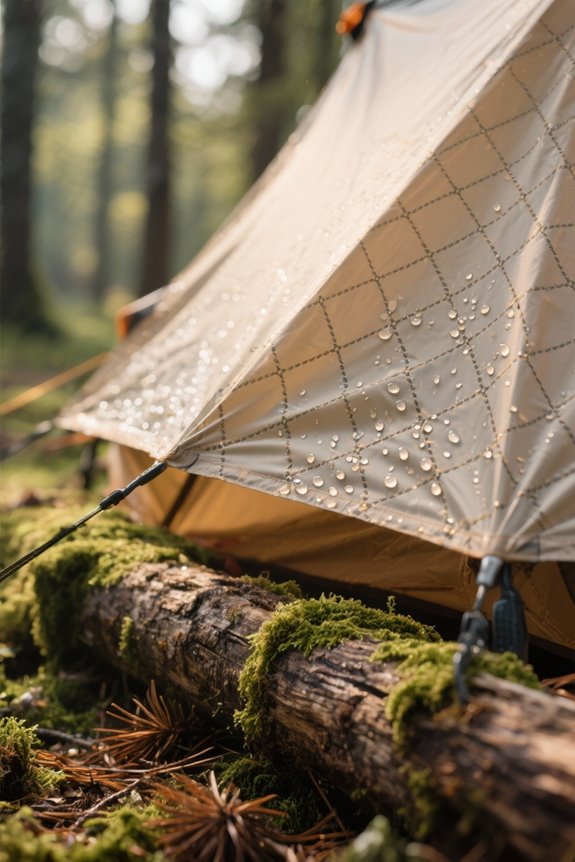
Ripstop nylon is a remarkable fabric known for its unique construction and outstanding characteristics that make it a popular choice for tent manufacturers. Here’s what we appreciate about it:
- Fabric Performance: Its crosshatch grid prevents tearing, enhancing durability.
- Weight and Packability: Lightweight yet strong, perfect for backpacking.
- Mechanical Strength: Superior tear resistance compared to polyester.
- Water Resistance: Coated with silicone or polyurethane, it offers excellent waterproofing.
- UV Resistance: Provides protection from sunlight, but shouldn’t be exposed too long.
- Breathability: Varies by coating, affecting condensation levels inside tents.
Ripstop innovations guarantee that we get a combination of strength, lightweight properties, and durability, making it an excellent choice for diverse outdoor adventures. Many high-performance tents feature waterproof ratings between 3000mm and 6000mm, ensuring reliable protection against heavy rain and wet conditions.
Recommended Products
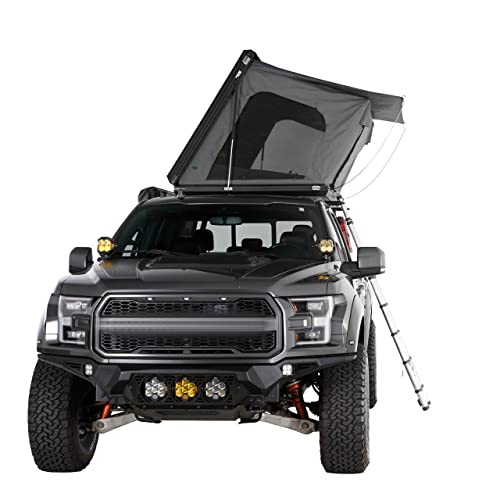
The Sidewinder is the best in class all SIDE OPENING Aluminum-Bodied Hard Side Roof Top Tent with more standard included options. The Sidewinder Roof Top Tent has a Set Up and Put Away time of less than a minute. For Set Up: Unlock two latches, pull down your ladder and insert 2 window rods.

The Overland Vehicle Systems Bushveld II Hard Shell Roof Top Tent is a 4-Season cantilever designed Roof Top Tent. The Bushveld Name is based on a sub-tropical woodland ecoregion of Southern Africa. The Overland Vehicle Systems Bushveld Hard II Shell Roof Top Tent has one of the largest sleeping areas on the market today; 84” x 64”.

THE NEW MATERIAL - We have significantly improved the fabric quality of our tents. From now on, we use 40D High Tenacity Polyester with Double Ripstop throughout all our tents. This fabric has a higher tensile strength than regular polyester yarns. Accordingly, our new tent fabric has a higher tear strength. In addition, it is lighter, falls better, rustles less and is softer to the touch.
Advantages of Ripstop Nylon
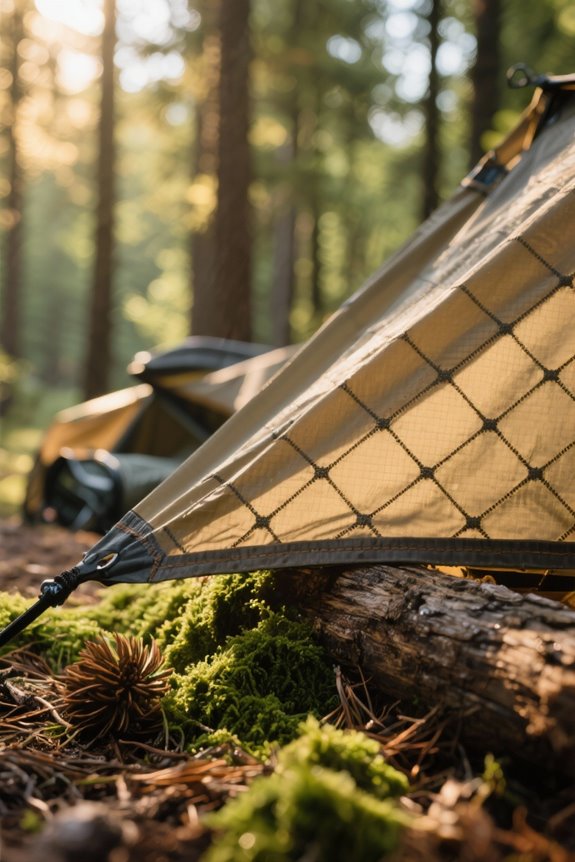
The advantages of ripstop nylon are considerable, making it a top choice for outdoor enthusiasts. Here are some notable ripstop nylon benefits that enhance fabric performance:
- Durability and Tear Resistance: The grid structure prevents small tears from spreading, ensuring longevity in harsh conditions.
- Lightweight Convenience: Combining strength with low weight, it eases transport during hikes and simplifies setup.
- Weather Resistance: Often treated for waterproofing, it keeps interiors dry while maintaining breathability.
- Versatility: Adaptable for various applications, it’s ideal for tents, backpacks, and active apparel.
- Cost Effectiveness: It offers high protection at a lower cost, resulting in long-term savings through reduced replacements.
These features make ripstop nylon an exceptional choice for gear that withstands the elements and performs efficiently. Similar to camping mattresses that use 40D nylon construction, tent fabrics benefit from nylon’s balance of durability and lightweight portability for outdoor use.
Characteristics of Ripstop Polyester
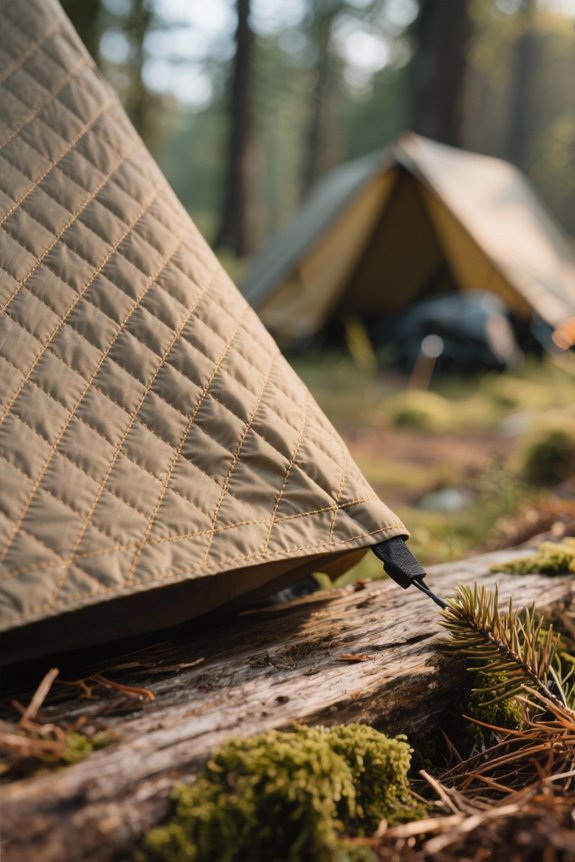
Moving from the advantages of ripstop nylon, let’s explore the characteristics of ripstop polyester, another popular fabric for outdoor gear. Here are some key points:
- Material Composition: Ripstop polyester is woven with a grid pattern of thicker threads, enhancing durability.
- Denier Ratings: Commonly used denier ratings for tents range from 70D to 150D, affecting sturdiness.
- Waterproof Ratings: It typically features polyurethane coatings for water resistance, achieving hydrostatic head ratings of around 3000 mm.
- Breathability Issues: However, these coatings may lead to some breathability issues, particularly in humid conditions.
- Durability: Ripstop polyester resists mildew and UV damage, extending its lifespan in variable weather.
- Material Safety: Like quality hydration bottles, ripstop polyester used in outdoor gear is BPA-free material, ensuring it’s safe for extended contact during outdoor activities.
Recommended Products

SPACIOUS 2–3 PERSON CAPACITY – Due to unique side‑opening structure, creating a larger area. Generous interior comfortably fits up to 2 adults and 1 child, making it perfect for family camping trips or group adventures without feeling cramped

Ultra-Slim & Lightweight Hardshell Roof Tent: Experience a new level of fuel efficiency and driving dynamics. Our tent's sleek, low-profile design significantly reduces wind resistance and weight, saving you money on gas and making it feel nearly invisible on the road
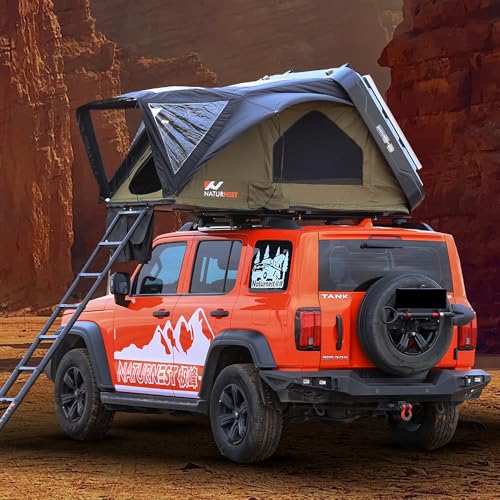
All-Weather Fortress for 4-Season Adventures: Built for any climate. The lightweight, aerodynamic, high-strength ABS hard shell, combined with an aluminum frame and sound & thermal insulating honeycomb panels and premium weather-proof fabric, shields you from wind, rain, and extreme temperatures. Connect a heater or cooler to the dedicated vent for perfect climate control inside
Advantages of Ripstop Polyester
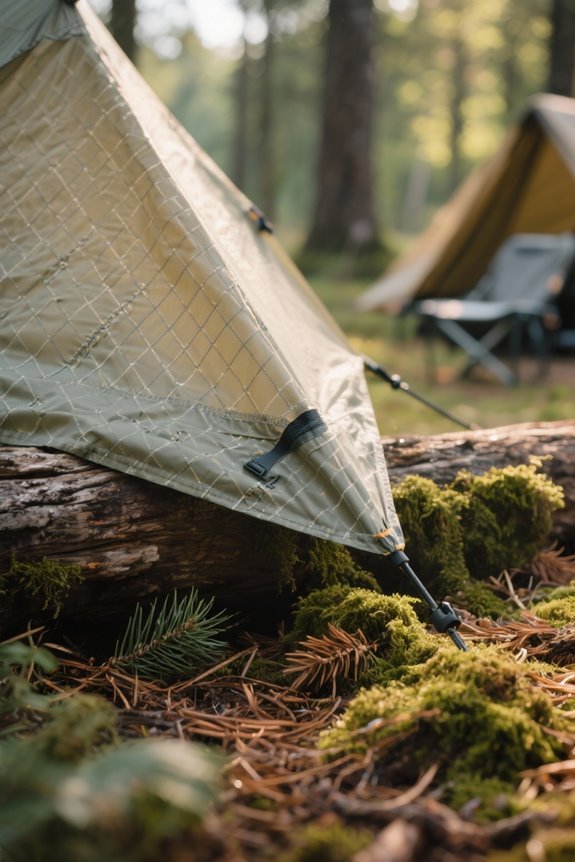
When considering outdoor gear materials, the advantages of ripstop polyester quickly stand out.
- Lightweight Advantage: It’s considerably lighter than canvas, making it perfect for backpacking and hiking. Despite its lightness, it boasts impressive tear strength.
- Weather Resistance: Ripstop polyester dries quickly and can be treated with waterproof coatings, enhancing its performance in wet conditions. It resists mildew and rot, ensuring longevity.
In addition, this fabric maintains its strength over time, which means it won’t stretch or shrink as easily. Its abrasion resistance outperforms many other materials, making it less prone to wear and tear. Fundamentally, ripstop polyester combines durability with portability, making it a top choice for outdoor enthusiasts like us. Many modern family camping tents utilize polyester taffeta fabric ranging from 150D to 185T weights to balance durability with reasonable pack weight.
Characteristics of Canvas Fabric
Typically, canvas fabric is recognized for its robust and versatile nature, making it a popular choice for various applications. Here’s what you should know about canvas types and their characteristics:
- Composition: Made from cotton or linen, often treated with PVC or gesso for added durability.
- Thread Count: Ranges from 50 to 100, offering strength without compromising weight.
- Breathability: Lower compared to other fabrics, which can influence comfort.
- Moisture-Wicking: Excellent in managing moisture for dry use.
- Heat Retention: Performs well in retaining warmth during colder conditions.
With proper fabric treatments, such as waterproofing and UV resistance, canvas becomes even more adaptable for various outdoor and industrial settings. Canvas tents benefit from weather-resistant materials that can withstand rain, snow, and extreme temperatures, ensuring reliable performance during extended camping trips.
Recommended Products
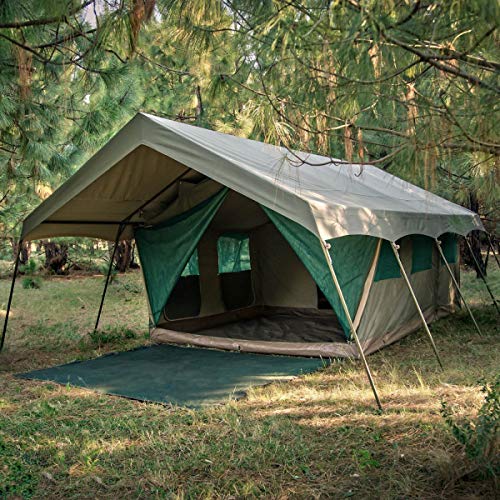
High quality fabric: Extremely durable military-grade 650 gsm canvas, ripstop, waterproof but breathable preventing condensation and mugginess, CPAI 84 fire retardant (meets all international and USA standards), rot resistant and UV resistant. Built to last with no color fading for 20 years.

STANDARD FEATURES: Canvas Alpha Wall Tent includes the complete tent with aluminum frame, rafter angle kits and free-floating PVC floor, NO NEED TO BUY THEM SEPARATELY! Basic features include the stove jack with flap, durable 3-layer large triangular windows, zippered door with storm flap, mesh, sod cloth and all standard essentials packed in a waterproof tent bag for easy transport and storage

MATERIAL: Performance cotton-polyester blend canvas, using BCI cotton and recycled pet bottle poly fiber
Advantages of Canvas Fabric
Canvas fabric offers a wide range of advantages that enhance our camping experience, particularly when compared to other materials. Here’s what we should consider:
- Breathability Benefits: Canvas provides excellent airflow, reducing condensation and improving comfort across climates.
- Natural Insulation: It helps keep our tent cooler in summer and warmer in winter, making it ideal year-round.
- Comfort and Space: Often featuring higher ceilings, canvas tents offer more livable space for furniture, reducing noise levels for a more tranquil environment.
- UV Resistance: The thick fabric blocks harmful rays and stays durable under sun exposure, thereby prolonging its lifespan.
- Environmental Impact: As a biodegradable material, cotton canvas supports sustainable camping practices and minimizes waste through long-term use and easy repairs.
- Durability and Weather Resistance: Similar to how waterproof technology protects outdoor gear against moisture, canvas fabric can be treated to withstand rain and harsh weather conditions while maintaining its structural integrity.
Choosing canvas truly elevates our outdoor adventures!
Durability and Lifespan Comparison
Durability is essential when it comes to selecting the right tent for our adventures. Here’s a quick breakdown of tent lifespans and maintenance needs:
- Canvas: Lasts 15-25 years with proper tent maintenance, but requires regular waterproofing.
- Polyester: Typically lasts 3-5 years due to lower UV resistance, making it less durable overall.
- Nylon: Generally lasts about 3 years; it’s highly abrasion-resistant but suffers from UV degradation.
- PVC: Offers a lifespan of up to 5 years, although it’s heavier.
Understanding these fabric technologies can guide our choices. To maximize longevity, we should guarantee proper care against environmental challenges like moisture and sunlight. Investing in quality may cost more upfront, but it often pays off in the long run. Higher denier ratings like 20D and 68D polyester provide superior durability and weather resistance compared to lower-quality 190T polyester options.
Recommended Products
STANDARD FEATURES: Canvas Alpha Wall Tent includes the complete tent with aluminum frame, rafter angle kits and free-floating PVC floor, NO NEED TO BUY THEM SEPARATELY! Basic features include the stove jack with flap, durable 3-layer large triangular windows, zippered door with storm flap, mesh, sod cloth and all standard essentials packed in a waterproof tent bag for easy transport and storage

Premium Breathable TC Cotton Canvas (210 GSM): The Coody 17.2 is made from durable 210 gsm TC fabric (65% polyester / 35% cotton). This breathable canvas improves airflow and significantly reduces condensation compared with synthetic tents while providing a more comfortable interior climate for long camping stays.
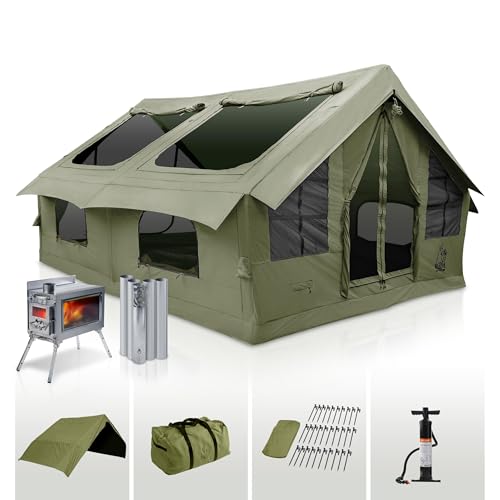
Spacious Inflatable Tent for 2–6 People: RBM Panda Air Large is a roomy inflatable canvas camping tent designed for families and small groups. The wide interior layout comfortably fits 2–6 people in sleeping bags while providing enough space for gear, movement, and relaxing during camping trips.
Weight and Packability Considerations
When selecting a tent, weight and packability can greatly impact our overall camping experience. Here’s how different fabrics compare:
- Nylon
- Lightest option, ideal for ultralight backpacking.
- Compresses to a small pack size due to flexibility.
- Ripstop variants maintain low weight with added durability.
- Polyester
- Heavier than nylon but lighter than canvas.
- Packs smaller than canvas, suitable for casual camping.
- Canvas
- Considerably heavier, with poor packability.
- Bulky size can be challenging to transport.
Considering weight distribution and pack size is essential for our adventures. Lighter materials enhance mobility, while packable options allow us to maximize comfort. Similar to camping chairs, which can be constructed from 600D Oxford fabric for a balance of durability and portability, tent fabrics must also strike the right compromise between weight and strength. Let’s choose wisely for our next trip!
Practical Uses for Each Fabric Type
How do we choose the right fabric for our camping adventures? Understanding the practical uses of ripstop nylon, polyester, and canvas can guide our decisions.
- Ripstop Nylon: Ideal for high-end backpacking, its light weight and durability suit ultralight tents for tactical use, plus it’s great in stormy conditions.
- Polyester: A cost-effective choice, it’s perfect for car camping. Its UV resistance makes it suitable for sunny environments, while easy maintenance is a bonus. Many three-season tents feature 210T polyester combined with Oxford fabric for enhanced durability and weather protection.
- Canvas: When seeking earthy vibes, canvas excels in cold weather, providing breathability and comfort. This heavyweight fabric is durable for fixed sites.
Maintenance Requirements for Tent Fabrics
Selecting the right fabric is just the beginning of our camping journey. Maintaining our tents through proper tent cleaning and storage techniques is essential for their longevity. Here’s how we can keep our tents in top shape:
Cleaning Procedures:
- Nylon: Use mild soap and lukewarm water; avoid harsh chemicals.
- Polyester: Can handle more vigorous cleaning and detergents.
- Canvas: Brush dirt off regularly, using specialized cleaners for coatings.
Storage Techniques:
- Store in a cool, dry place, away from sunlight.
- Loosely fold or roll nylon and polyester; keep canvas aired or uncoated.
- Always confirm tents are dry before storage to prevent mold.
Climate Considerations for Tent Selection
Understanding the climate where we plan to camp is essential for selecting the right tent fabric. Here’s how different materials perform based on climate impact and moisture management:
- Nylon: Absorbs about 3.5% moisture; not the best for wet environments as it can sag.
- Polyester: Absorbs under 0.5%; excels in moisture management, maintaining structure in rain.
- Canvas: Offers breathability but absorbs water, making it heavier and slower to dry.
For every adventure, we should consider:
- Cold weather? Polyester’s low expansion helps keep our tent stable.
- Hot climate? Canvas offers superior breathability, regulating temperature effectively.
Selecting the right fabric for our specific conditions guarantees comfort and structural integrity during any adventure.
Specialized Applications of Tent Fabrics
When we think about the specialized applications of tent fabrics, it’s clear that each material serves unique needs for different types of camping experiences.
- Ripstop Nylon: Ideal for ultralight backpacking tents, its strength-to-weight ratio and tear resistance make it a favorite. It’s paired with advanced coatings for waterproofing, excelling in performance-focused tents.
- Polyester: Best for family camping, it balances durability, affordability, and weather resistance. Its coated variants offer customization for various climates, making polyester versatile for both commercial and leisure use.
- Canvas: Perfect for semi-permanent setups like glamping, it’s breathable and UV resistant. It holds up in hot, humid conditions and is often utilized in luxury tents where comfort and longevity matter.
These tent fabric innovations lead to specialized tent designs that cater specifically to your camping needs.
Cost Considerations for Tent Fabrics
Cost considerations for tent fabrics can greatly impact our camping experiences and budgets. Here’s a quick breakdown of costs:
- Ripstop Nylon: $10 to $25 per square meter; great for lightweight needs.
- Canvas Fabrics: Around $16.49 per yard; higher upfront but lasts longer.
- Polyester: Generally less expensive; however, it may not last as long, leading to higher annual costs over time.
When doing a cost analysis, we should factor in both initial purchases and fabric durability. Canvas, despite being pricier initially, offers longevity that can lower our yearly cost. In contrast, polyester tents, while affordable upfront, require more frequent replacements. Therefore, we must balance initial costs with long-term value to maximize our investments.
Recommended Products
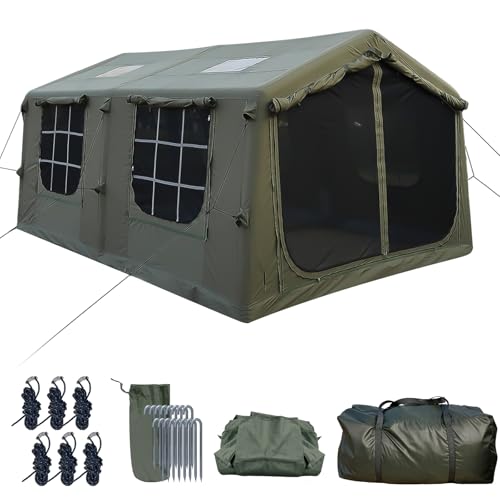
🏕️ Durable Canvas Inflatable Tent for Adults The Mohuihui Outdoors inflatable camping tent is made from premium canvas fabric, offering superior durability, breathability, and eco-friendly performance. Compared with Oxford fabric tents, canvas reduces condensation, retains heat more effectively, and provides better comfort in all weather conditions. Designed for serious outdoor camping and adventure use. Capacity: up to 10 adults (sleeping bags).

PALACE-LIKE SPACE & UNMATCHED COMFORT: Experience the ultimate "From Home to Nature" luxury. With a massive 22FT (6.7M) diameter, this glamping tent boasts an expansive 2.5x4m central living room and side bedroom that comfortably accommodate 10-12 people. We revolutionized the classic bell tent design by raising the side walls to 29.5 inches (75cm) and the door height to 76.7 inches (195cm), completely eliminating the cramped feeling and allowing unhindered, upright movement throughout the cabin

DIMENSIONS IN INCHES: Hole Size: 1-3/32 Flange Diameter: 1.865 Length Under Flange: .465 Metal Thickness: .025 Inside Diameter: 1.195 Outside Diameter: 1.910 Metal Thickness: .020
Choosing the Right Fabric for Your Needs
Selecting the right tent fabric can feel overwhelming, especially with so many options available. To make your decision easier, we should consider a few key factors:
- Weight and Portability: If we plan for backpacking, ripstop nylon’s lightweight nature is ideal.
- Durability: For long-term use, canvas tents shine with their lifespan, while ripstop nylon offers moderate durability.
- Breathability: Canvas excels in reducing condensation, essential for comfort.
- Water Resistance: Always check for waterproofing—ripstop nylon and polyester usually feature coatings.
Before our tent setup, we should perform some fabric testing to guarantee it meets our requirements. By evaluating these criteria, we can choose a fabric that suits our camping adventures perfectly!
Frequently Asked Questions
Can I Mix Different Tent Fabric Types for Performance Improvements?
Yes, we can mix different tent fabric types for performance improvements. By ensuring fabric compatibility, we create performance synergy that enhances durability, breathability, and weather resistance, ultimately optimizing our camping experience in various conditions.
How Do Temperature Fluctuations Affect Different Tent Fabrics?
Temperature fluctuations impact tent durability and temperature retention differently. While cotton canvas excels in warmth, synthetic materials struggle with insulation. Polycotton blends provide a middle ground, balancing heat retention and structural integrity through varied conditions.
What Tent Fabric Is Best for Winter Camping?
Choosing a tent fabric for winter camping is like picking a warm coat; canvas offers superb insulation properties, while ripstop nylon excels in weather resistance. We should weigh warmth against weight, depending on our adventure needs.
Are Recycled Materials Used in Any Tent Fabrics?
Yes, we’re seeing recycled materials used in tent fabrics, enhancing sustainability practices. Many brands offer eco-friendly options like recycled polyester, reducing waste and promoting environmental benefits, which is a great choice for eco-conscious campers.
How Do I Determine the Breathability of Tent Fabrics?
To measure breathability, we can check MVTR, and implement tent ventilation techniques. If humidity’s a party crasher, let’s use some humidity management tips. Our tents deserve to breathe, just like we do!