As an Amazon Associate, we earn from qualifying purchases. Some links on this site are affiliate links at no extra cost to you. Our recommendations are based on thorough research and editorial judgment.


Understanding Tent Capacity Ratings vs. Actual Space

When it comes to tent capacity, we need to understand a few key differences between rated and actual space.
- Rated Capacity: This shows the max number of people, often in cramped arrangements.
- Ideal Capacity: For comfort, aim for about 20-30 sq ft per person.
- Gear Matters: Personal items can reduce space considerably.
You may be interested


Knowing these factors helps us make better tent choices. If we consider these details, we’ll find the right fit for our camping experience.
Key Takeaways
- Tent capacity ratings often reflect maximum limits without accounting for comfort or personal gear storage requirements.
- Ideal space per person is typically 20-30 sq ft for comfortable movement and gear placement.
- Manufacturer ratings can vary widely based on design, leading to potential discrepancies in actual usable space.
- Real-world usage scenarios, like event types or personal preferences, can further influence the effective capacity of a tent.
- Always consider gear impact when calculating tent capacity, as it can significantly reduce the number of people accommodated comfortably.
Tent Capacity Definitions and Terms
When it comes to understanding tent capacities, it’s important we grasp a few key definitions. Here are some essential tent definitions and capacity terminology:
- Rated Capacity: The maximum number of people a tent can hold, usually tight and uncomfortable.
- Ideal Capacity: A more practical number that includes space for gear and comfort.
- Floor Area: Measured in square feet, it’s often suggested that each person needs about 15 square feet for minimal comfort.
Tents can vary widely in size and capacity depending on the brand and design. Often, we might need to adjust the rated capacity to guarantee everyone can enjoy their space. Understanding these terms helps us make better choices when selecting the right tent for our adventures. For example, the CORE 9 Person Instant Cabin Tent accommodates up to 9 people without gear but comfortably fits only 4 with gear, demonstrating how rated versus ideal capacity can differ significantly in practice.
How Manufacturers Calculate Capacity

Even though the process can seem complex, understanding how manufacturers calculate tent capacity is essential for finding the right fit for our needs. Here’s a breakdown to guide us:
- Basic Capacity Calculations: Manufacturers multiply tent area (length × width or diameter for yurts) by area coefficients, typically ranging from 3-8 persons per m².
- Usage Scenarios: Different events need specific space allowances. For instance, banquet seating requires 10-12 sq ft per guest.
- Density Factors & Safety Adjustments: Raw capacities are adjusted for comfortable walking paths, ventilation, and safety.
- Final Calculation: The resulting number considers these adjustments, ensuring a balance between maximum occupancy and safety standards.
- Real-World Examples: For perspective, a tent measuring 16 x 11 feet may be rated for 12 people, but realistically accommodates three queen-size air beds with minimal floor space remaining.
Real-World Comfort vs. Advertised Capacity

Understanding the difference between advertised tent capacity and real-world comfort is essential for ensuring a pleasant camping experience.
Here’s what we should keep in mind:
- Advertised capacity often assumes sleeping side-by-side without gear.
- For true capacity comfort, we should reduce the advertised number by 30-50%.
- A tent rated for four may really only fit two to three adults comfortably.
- Aim for about 20-30 square feet per person to allow for movement and storage.
- Remember that gear takes up space; the more gear, the fewer occupants we should consider.
- When planning multi-day trips, consider that ultralight day packs can help minimize the footprint of personal gear inside the tent.
Recommended Products

MATERIAL: Performance cotton-polyester blend canvas, using BCI cotton and recycled pet bottle poly fiber

TRUE 4-SEASON DOUBLE-LAYER HOT TENT - Hexagon uses a tent-within-a-tent design with a separate outer shell and inner tent divided by an insulating air gap to help reduce direct cold transfer in winter, manage condensation in wet weather, and reduce direct heat buildup in warm and hot weather.

Premium Breathable TC Cotton Canvas (210 GSM): The Coody 17.2 is made from durable 210 gsm TC fabric (65% polyester / 35% cotton). This breathable canvas improves airflow and significantly reduces condensation compared with synthetic tents while providing a more comfortable interior climate for long camping stays.
Space Requirements by Event Type

Choosing the right tent size for an event requires us to contemplate various space needs based on the type of gathering. Here are some essential guidelines:
- Classroom/Theater Seating: 10-12 sq. ft. per person, ideal for lectures.
- Lounge or Mixed Seating: 15-20 sq. ft. per person for casual setups.
- Cocktail Receptions: 5-7 sq. ft. per person, perfect for mingling.
- Formal Dinners: 12-15 sq. ft. per person, accommodating tables and chairs.
- Buffet-Style Events: 15-20 sq. ft. per person for food stations.
Additionally, we must consider aisle requirements for safe movement. Catering space should also be factored in; areas for buffet lines and bars can greatly increase our overall square footage needs. When selecting camping tents, interior dimensions matter significantly, as models like the Kelty Grand Mesa offer 30 sq ft interior space for two people, demonstrating how manufacturers calculate capacity ratings. Proper planning guarantees comfort and safety for all guests.
Recommended Products

The X7 Tectonic super heavy-duty frame is perfect for outdoor commercial use where weather conditions require a high level of strength. This range is perfect for outdoor events, job fairs, trade shows, fair exhibitors, and wedding venues. If you are at an event where the canopy needs to be left up for an extended number of days, then this pop-up canopy is certainly the right choice. If you require a durable canopy tent that will last, then the X7 is right for you.

【 Free WARRANTY】 Our package comes with a comprehensive installation guide. We proudly offer a 1-year warranty along with full customer service support. Rest assured, we’ve got you covered for any lost or damaged parts. Don’t hesitate to reach out to us with any concerns!

Premium Breathable TC Cotton Canvas (210 GSM): The Coody 17.2 is made from durable 210 gsm TC fabric (65% polyester / 35% cotton). This breathable canvas improves airflow and significantly reduces condensation compared with synthetic tents while providing a more comfortable interior climate for long camping stays.
Tent Size Categories and Typical Uses

When planning an event, it is essential to know the right tent size to use. Understanding tent size categories helps us make informed decisions during event space planning. Here’s a quick breakdown of typical uses:
- Small Tents (5×5 ft to 10×10 ft): Great for vendor booths or promo kiosks, fitting 2-10 people comfortably.
- Medium Tents (10×15 ft to 20×20 ft): Ideal for family reunions or small weddings, seating 40-80 guests.
- Large Tents (30×60 ft and up): Perfect for corporate galas or large weddings, accommodating 135-220 seated guests.
For camping purposes, multi-room cabin tents typically range from 8 to 11 person capacity with dimensions like 14×14 feet, offering separate compartments for enhanced privacy and comfort during outdoor adventures.
Recommended Products

HIGHLY DURABLE: With 12 mil thick polyethylene, this extra strong tarpaulin can be used for almost anything; cover equipment & machinery, construction sites, painting or furniture covers.

ELEGANT EVENT TENT: Our High Peak Frame Tents are designed for a quick and easy setup. This stylish, sleek easy ELEGANT EVENT TENT can be set-up on grass, in a parking lot, or on other asphalt surfaces with one of our stake drivers (sold separately). Their size and elegant look make them ideal for outdoor events such as vendor booths at fairs, craft shows, flea markets, trade shows and similar events.

HEAVY-DUTY OUTDOOR METAL CARPORT: Built with a robust 1.8-inch rust-resistant galvanized steel frame, it withstands extreme weather, heavy snow loads, and wind gusts up to 100 MPH, shielding your car from the elements.
Key Factors Influencing Tent Capacity
Selecting the right tent size isn’t just about measuring space; various factors influence how many guests can comfortably fit inside. Here are some key elements to take into account:
- Tent Design: Different designs can affect capacity. A high-peak tent offers more headroom, making it feel spacious, while a pole tent with support lines might limit usable interior space.
- User Preferences: Some guests prefer more space for activities like dancing or dining, while others may be comfortable with closer quarters. Understanding your group’s needs is essential.
- Furniture Configuration: The way we arrange tables and chairs impacts how many people we can accommodate. A banquet style might allow for more guests than individual tables.
- Material and Waterproofing: The tent’s weather resistance ratings and material quality also play a role in determining capacity, as thicker, more durable fabrics may reduce interior dimensions compared to lighter materials.
Understanding Gear and Personal Space Needs
Understanding our gear and personal space needs is essential for a comfortable camping experience. To maximize enjoyment, consider these factors:
- Space per person: Aim for at least 25–30 sq. ft. per camper when factoring in gear.
- Tent capacity vs. personal comfort: A 4-person tent fits 2–3 with gear comfortably.
- Gear organization: Use vestibules and pockets to manage equipment.
- Bulkiness of gear: Items like coolers and chairs take up more space than smaller essentials.
- Packing discipline: Minimize items using compression sacks.
- Compact utensils: Invest in folding camping utensils weighing between 0.13 kg to 0.4 kg to save valuable pack space.
Recommended Products
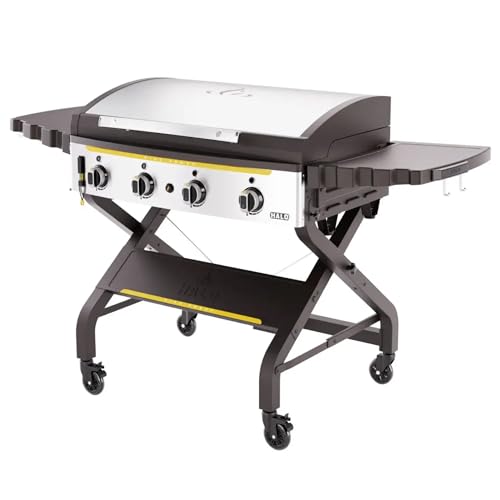
NO COLD SPOTS >> Enjoy precise temperature control and wall-to-wall even cooking across eight zones with this 4-burner griddle.

Camp Kitchen: Outdoor all-in-one camp kitchen that connects to the EXO SwingBase or EXO TopShelf in seconds using the included EXO cleat system; Boasting 85 liters (90 quarts) of internal storage space

【High Quality Material】The stove is made of 304 stainless steel material, which is durable and not easy to deform, high temperature resistance, and good thermal conductivity.
Recommendations for Selecting the Right Tent
Finding the right tent can greatly enhance our camping experience, guaranteeing comfort and protection from the elements. Here are our recommendations:
- Consider Tent Capacity: Choose a tent slightly bigger than your group size to allow gear storage and movement.
- Evaluate Tent Materials: For summer camping, opt for high-ventilation fabrics. In contrast, four-season tents with robust materials are essential for winter trips.
- Weather Considerations: Check forecasts and select tents based on expected conditions. Lightweight, easy-to-carry models are ideal for backpacking, while sturdier tents suit car camping.
- Assess Floor Dimensions: Make sure the tent’s length and width accommodate taller campers and their gear.
- Invest in Quality Sleeping Gear: Pair your tent with a reliable portable camping cot to elevate your sleep comfort and keep you off the cold, uneven ground.
Recommended Products

HIGHLY DURABLE: With 12 mil thick polyethylene, this extra strong tarpaulin can be used for almost anything; cover equipment & machinery, construction sites, painting or furniture covers.

STANDARD FEATURES: Canvas Alpha Wall Tent includes the complete tent with aluminum frame, rafter angle kits and free-floating PVC floor, NO NEED TO BUY THEM SEPARATELY! Basic features include the stove jack with flap, durable 3-layer large triangular windows, zippered door with storm flap, mesh, sod cloth and all standard essentials packed in a waterproof tent bag for easy transport and storage

High-Efficiency Heating Generates up to 34,700 BTUs and heats areas from 800 to 1,800 sq ft using a stacked tube heat exchanger for enhanced thermal efficiency and consistent warmth.
Common Misconceptions About Tent Capacity
When choosing a tent, many of us fall prey to common misconceptions about tent capacity. Here are a few points to evaluate:
- Tent Capacity Equals Comfort: Ratings often reflect how many people can fit lying shoulder-to-shoulder, not comfort. Most of us should choose a tent rated for one or two more people than needed.
- Gear Storage: Many assume capacity includes space for gear, but it usually doesn’t. We need to account for gear storage to avoid overcrowding.
- Standards Vary: Each manufacturer has different criteria for capacity ratings, so we shouldn’t rely solely on those numbers.
- Bigger’s Not Always Better: Oversized tents can be bulkier and may lead to discomfort.
- Center Height Matters: A tent’s center height, such as the 72-inch clearance in some 8-person models, significantly impacts livability and our ability to move comfortably inside.
Understanding these misconceptions helps us align tent styles with our actual camping preferences, ensuring a more enjoyable experience.
Frequently Asked Questions
How Should I Choose Between Backpacking and Camping Tents?
When we choose between backpacking and camping tents, we should prioritize tent portability options and consider backpacking weight considerations. If we’re hiking long distances, lightweight tents are essential; for car camping, comfort’s key.
What Features Affect a Tent’s Overall Comfort?
Ventilation options and floor material considerably affect our tent’s comfort. Good airflow minimizes condensation, while durable floor materials keep moisture at bay, ensuring a cozy environment, even during challenging weather conditions. Let’s prioritize these features!
Are There Specific Tents for Extreme Weather Conditions?
When we envision fierce winds and heavy snow, we think of extreme weather tents designed for durability. Their robust materials and reinforced structures keep us safe, whether we’re tackling mountaineering challenges or relaxing at basecamp.
How Do I Measure My Gear’s Space Needs?
To measure our gear’s space needs, we should assess the gear dimensions and calculate the total volume. Then, we can determine space allowance based on how much room we require for comfort and accessibility.
Can I Fit Different Sleeping Arrangements in One Tent?
Absolutely, we can fit different sleeping arrangements in one tent, but we must consider the sleeping layout and occupancy limits carefully. Mixing setups requires extra space for comfort and gear storage. Let’s plan wisely!