As an Amazon Associate, we earn from qualifying purchases. Some links on this site are affiliate links at no extra cost to you. Our recommendations are based on thorough research and editorial judgment.


The Evolution of Tent Design: From Canvas to Ultralight

The evolution of tent design showcases a shift from traditional canvas tents to ultralight, high-tech options that enhance our outdoor experiences. Key points include:
- Origins: Early tents used animal hides; nomadic cultures valued portability.
- Innovations: The 20th century introduced synthetic materials, modular designs, and pop-up tents for ease of use.
- Modern Trends: Today’s tents focus on sustainability, multifunctionality, and smart technology.
You may be interested



If you stick around, you’ll uncover more fascinating insights about tent evolution.
Key Takeaways
- Early tents were made from animal hides and evolved to use lightweight materials like 600D Oxford fabric for improved durability and portability.
- The transition to synthetic materials such as nylon and polyester in the mid-20th century revolutionized tent performance and setup convenience.
- Modular designs now allow customization for various camping needs, promoting versatility and adaptability in tent structures.
- Innovations like pop-up tents and air-beam technology support quick assembly, appealing to modern campers seeking efficiency.
- Future trends focus on biodegradable materials and smart technology integration, enhancing sustainability and user comfort in outdoor experiences.
Origins of Tent Design
When we think about the origins of tent design, it’s fascinating to see how human needs shaped this essential shelter over time.
- Prehistoric Significance: Early tents were crafted from animal hides, like mammoth skin, providing necessary insulation against harsh weather.
- Nomadic Adaptations: Many nomadic cultures relied on portable structures for shelter, enabling them to move easily across diverse landscapes.
- Tipi Innovations: Native American Plains tribes, for example, designed the conical tipi for quick assembly and disassembly, perfect for migration.
- Bedouin Expertise: In desert environments, Bedouins created black goat-hair tents, showcasing adaptability and durability.
- Material Evolution: The transition from heavy animal skins to lighter materials revolutionized tent design, with modern innovations using 600D Oxford fabric for enhanced durability while maintaining portability.
As we explore these influences, it becomes clear that tent design has always been about meeting the practical needs of survival and mobility.
Ancient Shelter Solutions

Throughout history, humans have found innovative ways to create shelters that address their specific needs and environments. Ancient structures reveal how our ancestors adapted to their surroundings using traditional materials. Here are a few notable examples:
- Sun-dried and Baked Bricks: Ancient Egyptians and Assyrians used these to craft durable shelters.
- Stone Roofs: The Greeks created stone structures to shield against rain and snow.
- Dry Stone Techniques: Early humans built enclosures without tools, showcasing resourcefulness.
- Bamboo Homes: In Southeast Asia, these stilted houses kept communities safe from floods.
- Igloos: Inuit developed snow shelters, optimizing insulation.
Modern tent designs have evolved to incorporate features like raised edges that prevent moisture intrusion, a concept that echoes ancient builders’ focus on keeping ground water away from living spaces.
Evolution in Cultural Context
As we explore the evolution of tent design, it becomes clear that cultural contexts heavily influenced various innovations.
- Cultural Symbolism:
- Tents were adorned with heraldic symbols in medieval times to showcase wealth.
- Simpler designs served utilitarian purposes for lower-status groups.
- Material Adaptation:
- Early tents used available resources: animal hides in Arctic regions and local plants by Native American tribes.
- The Silk Road facilitated material exchange, influencing aesthetics and functionality in tent design.
- Functional Design:
- Nomadic cultures prioritized portability, while elite tents featured separate rooms for different functions.
- Tents evolved to meet various needs, reflecting both societal roles and environmental demands.
- Modern dome tents continue this tradition of adapting to user needs, with capacities ranging from intimate 1-6 person designs to spacious structures accommodating up to 14 people.
Cultural context consequently shaped both the form and function of tents throughout history.
The Rise of Recreational Camping

The rise of recreational camping has transformed how we connect with nature and each other, drawing in millions of newcomers each year.
- In 2026, 81.1 million Americans camped, with 5.8 million being first-timers.
- Since 2021, over 25 million have embraced camping, indicating strong outdoor interest.
- Overall, U.S. outdoor participation reached a record 181.1 million in 2026, growing 3% from the previous year.
Diversity is booming in camping demographics, with participation increases among Black (+12.8%) and Hispanic Americans (+11.8%). Additionally, seniors (+7.4%) and youth (+5.6%) are also joining the mix.
Multigenerational camping experiences are becoming popular, reinforcing family ties. As we embrace these trends, we clearly see camping becoming a beloved pastime for all. Modern advancements in tent technology, such as ultralight construction weighing as little as 2 lbs 6 oz, have made backpacking more accessible to this growing community of outdoor enthusiasts.
Mid-20th Century Innovations

Camping has witnessed significant advancements in tent design during the mid-20th century. We saw the introduction of synthetic materials like nylon and polyester, which provided lighter, more durable options than traditional canvas. These materials not only improved tent performance but also offered better weather resistance.
Key innovations included:
- Advanced Pole Designs: Aluminum and fiberglass poles replaced wood, simplifying setup.
- Modular Designs: Tents featured interchangeable parts for tailored camping experiences, enhancing convenience.
- Versatile Styles: Pop-up tents became popular for their quick setup, catering to casual campers.
The influence of World War II propelled these developments, emphasizing lightweight, portable shelters that could be rapidly deployed. Modern developments in polyester with waterproof ratings have further enhanced tent durability, with some materials now offering protection ratings of 300 inches or more. Overall, these innovations transformed camping, making it more accessible and enjoyable for everyone.
Advances in Materials Technology
Innovations in materials technology have revolutionized tent design, shaping how we experience the great outdoors.
Key advancements include:
- Fiber Innovations: Synthetic fabrics like nylon and polyester replaced heavy canvas, offering lighter weight and improved weather resistance.
- Coating Advancements: Silicone and polyurethane coatings enhance durability, allowing materials to repel water without adding bulk.
These developments lead to:
- Less maintenance, as modern fabrics resist mold and tearing.
- Improved performance at high altitudes, with fabrics that withstand UV rays and harsh conditions.
As we explore the market, we’ll notice a trend toward sustainability, including recycled materials that reduce environmental impacts. Modern tents now feature waterproof ratings measured in millimeters, with quality camping tents offering protection levels of 2000mm or higher to ensure reliable performance in heavy rain. Through these advancements, we see tents that are not only versatile but also built for the demands of modern adventurers.
The Emergence of Ultralight Tents
Why have ultralight tents gained such popularity among outdoor enthusiasts? The answer lies in their innovative design and materials.
- Ultralight Materials: These tents utilize advanced fabrics, like silnylon, which dramatically reduce weight without compromising protection.
- Minimalist Philosophy: Emphasizing efficiency, ultralight tents strip away unnecessary features, focusing instead on essential elements for shelter.
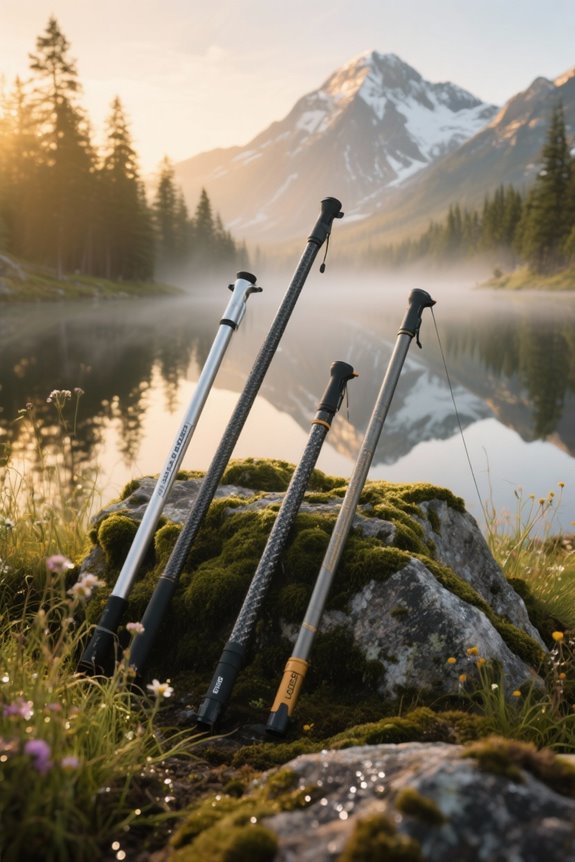
- Lightweight Structures: Many modern designs forgo traditional poles, using trekking poles instead, which saves weight and space.
- Tent Innovations: From dome shapes to single-wall designs, the evolution of ultralight tents reflects a commitment to mobility and comfort.
- Weight Standards: Backpackers targeting maximum efficiency should aim for tents weighing under 3 lbs for solo hiking adventures.
Modern Trends in Tent Design
As we embrace the evolution of tent design, modern trends are reshaping how we think about outdoor shelters. Here are key developments:
- Eco-Friendly Designs: We’re seeing a surge in biodegradable materials, like hemp and recycled polyester, reducing our environmental footprint.
- Durability: Advanced fabrics and reinforced constructions guarantee tents withstand harsh weather, prolonging their lifespan.
- User Experience: Sleek, minimalist aesthetics with customizable layouts enhance both functionality and comfort.
- Smart Features: Quick-setup designs and integrated smart fabrics improve convenience, along with options for solar-powered lighting.
- Sustainability Practices: Many companies adopt zero-waste policies, supporting a circular economy.
- Lightweight Innovation: The push toward ultralight gear extends beyond tents, with sleeping pads now utilizing 20D recycled polyester and sustainable materials to minimize pack weight without sacrificing comfort.
These innovations not only elevate our outdoor adventures but also foster a deeper connection to nature, guaranteeing we camp responsibly.
Multifunctional and Modular Tents
How have multifunctional and modular tents revolutionized the camping and event space?
These tents offer incredible flexibility through:
- Modular configurations that allow for size and shape adjustments, catering to diverse needs.
- Reconfigurable layouts that can create dining areas, activity zones, or presentation spaces, often mid-event.
- Materials like transparent and hard-wall panels enhance aesthetic appeal and functionality.
From weddings to glamping, their rapid setup and adaptability meet fluctuating guest demands. Plus, they’re eco-friendly, reducing waste with reusable components.
In disaster relief or medical facilities, these tents enable quick deployment without compromising safety. The trend toward customizable designs guarantees they fit various unique user experiences. Modern innovations like hub design systems have pushed setup times down to as little as 90 seconds, making these shelters even more practical for time-sensitive applications. Embracing multifunctional and modular tents guarantees we’re ready for any event or environment!
Smart Technology Integration
Isn’t it fascinating how smart technology has transformed our camping experiences? Today’s tents include remarkable innovations, enhancing safety, comfort, and sustainability.
- Smart Communication: Offline messaging systems enable instant communication between campers, essential during emergencies. SOS features act as lifelines, alerting others in distress.
- Autonomous Features: Air-beam technology facilitates self-inflation, saving us setup time. Rechargeable batteries also power devices, bolstering convenience.
- Climate Control: AI regulates temperature and lighting based on our needs and weather changes, promoting energy sustainability.
- Solar Integration: Portable solar panels supply lighting and device charging, optimizing energy use and adhering to eco-friendly goals. Modern backpacks complement these innovations with water-repellent finishes that protect electronic gear from moisture during outdoor adventures.
These advancements improve our outdoor experience and align with modern demands for energy efficiency, safety, and ease.
Future Directions in Tent Development
In exploring future directions in tent development, we see exciting trends that are shaping the outdoor experience for everyone.
- Sustainable Innovations: We’re increasingly using biodegradable materials, like hemp and recycled fabrics, which reduce environmental impacts.
- Urban Adaptability: Tents designed for city use are becoming popular. Lightweight, easy-to-set-up models suit parks and rooftops.
- Modularity and Multi-Functionality: Modular systems are emerging, allowing flexibility for camping, glamping, and special events.
- Compact Luxury: Glamping continues to rise, blending high-end comforts with minimal space, attracting a diverse audience.
These advancements not only enhance outdoor enjoyment but also support eco-friendly practices and meet urban lifestyle needs, showing how tents can evolve with us.
Frequently Asked Questions
How Have Tents Influenced Outdoor Survival Skills Over Time?
As we huddle under our high-tech tent, it’s clear tents have shaped our survival strategies. They’ve evolved as essential shelters, teaching us crucial skills and resilience in the face of nature’s challenges throughout history.
What Are the Environmental Impacts of Tent Manufacturing?
The environmental impacts of tent manufacturing include significant carbon footprints and waste. By choosing eco-friendly materials like recycled polyester, we can reduce emissions and promote sustainability, helping preserve our planet while enjoying the great outdoors.
How Do Cultural Variations Affect Tent Design Aesthetics?
Cultural variations dance through tent design aesthetics, weaving rich tapestries of symbolism with diverse design materials. Together, we celebrate how these elements craft unique atmospheres, reflecting identities and traditions stitched into every fabric of life.
What Are the Best Practices for Tent Maintenance and Longevity?
To guarantee our tents last, we should prioritize tent cleaning after each use and perform waterproof maintenance at season’s start. Regular inspections and proper storage will help keep them in great shape for future adventures.
How Do Tent Designs Accommodate Changing Weather Conditions?
Tent designs enhance weather adaptability through features like robust structural integrity, multiple anchor points, and adjustable ventilation. These innovations guarantee we stay safe and comfortable in varied weather conditions, allowing us to enjoy our adventures.