As an Amazon Associate, we earn from qualifying purchases. Some links on this site are affiliate links at no extra cost to you. Our recommendations are based on thorough research and editorial judgment.


The Biomechanics of Proper Trekking Pole Technique

Understanding the biomechanics of proper trekking pole technique is essential for our outdoor experiences. Here’s what we need to know:
- Reciprocal Gait: Engages arms and legs, enhancing balance and coordination.
- Grip Technique: Ideal strap use minimizes wrist strain.
- Pole Length: Adjusts for terrain; shorten uphill and lengthen downhill.
- Load Distribution: Offloads stress from lower limbs, protecting our joints.
You may be interested



By mastering these elements, we can increase stability and diminish fatigue. There’s more to explore for an improved experience.
Key Takeaways
- Proper grip and strap technique, including optimal hand threading, enhances stability and reduces wrist strain during trekking.
- Adjusting pole length according to terrain (shorter uphill and longer downhill) promotes better posture and joint protection.
- Engaging the upper body through coordinated pole movement distributes effort, minimizing strain and fatigue in lower limbs.
- Double planting poles on steep slopes improves balance and stability, facilitating easier ascents and descents.
- Ergonomic pole designs with comfortable grips and shock absorption contribute to prolonged use and reduced impact on joints.
Understanding Reciprocal Gait Integration
When we think about integrating trekking poles into our walking routine, it’s essential to understand the role of reciprocal gait. This coordinated movement pattern not only supports our balance but enhances coordination between our arms and legs. Here’s how it works:
- Stride and Speed: Using poles can increase our stride length and walking speed, improving propulsion.
- Joint Protection: Poles reduce vertical ground reaction forces, easing load on our knees, especially while descending.
- Muscle Engagement: Enhanced arm activation redistributes some load from our legs to our upper body, leading to better muscle engagement overall.
When we master this reciprocal gait, we’re not only walking more efficiently but also conserving energy on inclines, enabling longer, more enjoyable treks. To maximize these biomechanical benefits, selecting poles with ergonomic cork grips can improve comfort and reduce hand fatigue during extended hikes. Let’s embrace this technique for better balance and reduced fatigue!
Mastering Strap and Grip Technique

Mastering the strap and grip technique is essential for maximizing our trekking pole effectiveness while ensuring comfort and safety. Here’s how we can get it right:
- Strap Positioning: Always thread our hands up from the bottom of the strap. This optimizes leverage and reduces strain on our wrists.
- Grip Variations: Choose from Standard, Shaft, or Press-down grips based on the terrain. Each variation interacts with the strap for better safety and control.
- Looseness vs. Tightness: A snug strap provides stability, but we must avoid overly tight straps to prevent blood flow restriction.
- Dynamic Adjustments: We can quickly adjust strap length as we navigate different terrains, ensuring we maintain efficiency without stopping.
- Grip Material Selection: Opt for poles with ergonomic cork grips that conform to our hands over time and naturally wick away sweat, or consider EVA foam options that reduce hand fatigue during extended treks.
Exploring Biomechanical Load Distribution

Exploring how trekking poles influence biomechanical load distribution reveals their essential role in enhancing our walking efficiency and reducing strain on our bodies.
Here are some biomechanical advantages we gain:
- Load Redistribution: Trekking poles offload stress from our lower limbs to the upper body.
- Reduced Joint Loading: They can decrease joint forces by up to 16%, minimizing strain.
- Enhanced Muscle Activation: While lower limb muscle activation decreases, our trunk muscles engage more, improving stability.
- Improved Balance: Poles provide support, boosting our stability and confidence on uneven terrain.
Modern poles with anti-shock technology can absorb up to 40% of impact forces, further protecting knees, ankles, and wrists during extended treks.
In short, utilizing trekking poles promotes better biomechanics, increases our efficiency, and makes walking far more comfortable, especially during longer treks.
Terrain-Specific Adjustments for Optimal Performance

Ideal performance on various terrains requires adjusting our trekking poles to fit specific conditions, ensuring we enhance our efficiency and safety. Here are some key terrain-specific pole adjustments to take into account:
- Uphill: Shorten poles to maintain elbows at 90° for effective planting.
- Steep ascents: Employ double poling every four footfalls to engage our core and arms.
- Downhill: Lengthen poles slightly for better stability and knee protection.
- Flat ground (~5%): Use intermediate lengths or even stash poles to conserve energy.
- Variable/muddy terrain: Lengthen poles and attach mud baskets for improved grip.
For snowshoeing conditions, poles should reach shoulder height and be equipped with wide baskets to prevent sinking into deep snow while maintaining proper balance and momentum.
Enhancing Efficiency and Energy Conservation
When we trek, efficiency and energy conservation become essential for enjoying long-distance hikes without succumbing to fatigue. Using trekking poles offers notable benefits:
- Pole Propulsion: They help distribute our effort between upper and lower body, reducing strain on legs.
- Energy Modulation: Our metabolic demand may increase, but we feel less fatigued, thanks to better energy distribution.
- Improved Posture: Poles promote a more efficient walking posture, decreasing the cost of transport per distance.
- Muscle Activation: By engaging arms and shoulders, poles lower lower limb muscle fatigue, helping us sustain our endurance.
These advantages enhance our overall trekking experience, allowing us to navigate longer distances without undue exhaustion. Advanced poles with dynamic suspension systems can absorb up to 40% of impact, further reducing stress on joints and muscles during challenging terrain. Embracing proper technique maximizes these benefits on the trail.
Promoting Safety and Injury Prevention
Safety is a top priority for all of us who enjoy trekking, and using poles can considerably enhance our overall stability and injury prevention on the trail. Here’s how:
- Stability: Poles provide extra points of contact, improving balance on uneven terrain.
- Joint Protection: They can reduce impact on knees by up to 25%, helping prevent injury.
- Fall Awareness: Proper usage is crucial. Grip the straps lightly to avoid wrist injuries during falls.
- Correct Length: Adjust poles so hands are at or below elbow level for optimal circulation and support.
- Stay Alert: Watch where you place poles to avoid tripping hazards.
- Equipment Maintenance: Regular inspection of your locking mechanisms helps prevent unexpected pole collapse during use, which could lead to falls or injuries on the trail.
The Role of Pole Length in Technique
Finding the right pole length can greatly enhance our trekking experience and technique. Here’s how pole length differences impact our performance:
- Thrust and Energy: Longer poles increase thrust phase length, boosting our propulsive impulse while reducing oxygen consumption.
- Height Guidelines: Standard advice suggests poles should be about 68% of our height, but adjustments may depend on terrain.
- Biomechanics Shift: Longer poles can alter our stride, increasing stride length but decreasing rate.
- Optimal Pole Alignment: Correct angles help maintain efficiency and comfort, especially uphill where shorter poles may be beneficial.
Most quality trekking poles feature adjustable height mechanisms that allow hikers to modify pole length quickly for changing terrain conditions, with ranges typically spanning from 24 to 54 inches to accommodate various body types and hiking scenarios.
Recommended Products

Antishock Trek | Take the shock out of treks with this lightweight, adjustable, collapsible trekking pole featuring the Dynamic Suspension System.

Now in Black | LEKI’s premium trekking poles redesigned with a completely black style for a sleek look. Previously known as the Black Series FX Carbon.
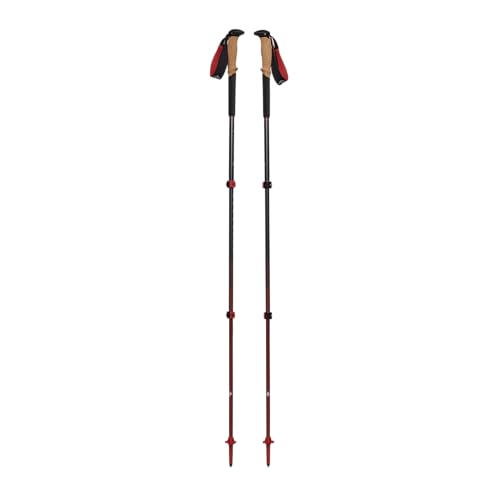
ERGONOMIC, TRAIL-READY DESIGN: Designed for comfort and stability on long hikes, backpacking trips, and mountain treks. The Pursuit Trekking Poles deliver balanced support and durability for all-season exploration.
Poles and Their Impact on Lower Limb Fatigue
Using trekking poles greatly impacts how we manage lower limb fatigue during our treks. Here’s what we need to know about pole use and its effects:
- Reduced Ground Reaction Forces: Poles can decrease vertical ground reaction forces by up to 25%, redistributing loads to our upper body, which lessens pressure on lower-limb joints.
- Muscle Preservation: By shifting some effort to our arms, poles help conserve leg muscles, reducing overall muscle fatigue.
- Joint Health Benefits: Using poles lowers cartilage damage, slows progression toward osteoarthritis, and minimizes injury risks from uneven terrain.
- Fatigue Mitigation: We experience slower onset of fatigue and quicker recovery times, making our treks more enjoyable without the fear of intense pole fatigue.
- Ergonomic Design Features: Quality trekking poles with comfortable grips like EVA foam or moisture-wicking cork reduce hand fatigue during extended use, complementing the lower limb benefits by ensuring our upper body can effectively support load distribution throughout long hikes.
Training Techniques for Improved Trekking Pole Use
When we train to improve our trekking pole use, it’s important to focus on specific techniques that enhance our efficiency and comfort on different terrains. Here are a few key approaches:
- Pole Rhythm: Coordinate your poles with your footsteps. Striking the ground with opposite poles boosts stability.
- Technique Progression: Start on easier terrain for basic coordination; then work up to technical trails.
- Adjusting Pole Angle: Aim for about 70 degrees when planting your poles. This supports better propulsion.
- Terrain Variation: Practice on various slopes to adapt your gait and pole rhythm, improving balance and confidence.
- Double Planting: Use this technique on steep sections for added stability and power.
- Grip Comfort: Select poles with ergonomic materials like cork or EVA foam to reduce hand fatigue during extended training sessions, as shock-absorbing technology also minimizes joint impact throughout your practice.
Frequently Asked Questions
Can Trekking Poles Be Used for Activities Other Than Hiking?
Absolutely, trekking poles aren’t just for hiking! We can use ’em for backcountry skiing, trail running, and even creative tasks like marking boundaries or hanging gear. They’re versatile tools for our outdoor adventures!
How Do I Choose the Right Trekking Pole Material?
When choosing trekking pole material, we should consider weight; aluminum’s durability suits rugged terrain, while carbon’s lighter, enhancing speed. Ultimately, it depends on our hiking style and how much we prioritize weight.
Are There Specific Tips for Using Poles in Winter Conditions?
We understand using poles in winter can feel intimidating, but proper pole adjustments enhance our snow safety. Let’s make certain they’re suitable for gloves, extend downhill, and practice together for confidence on icy trails.
What Size Trekking Poles Are Best for Children?
When choosing children’s pole sizes, adjustable models are best for accommodating growth and varying terrain. We should regularly check their lengths, ensuring they’re properly adjusted for comfort and ideal support during hikes.
How Can I Maintain My Trekking Poles for Longevity?
To maintain our trekking poles for longevity, we’ll focus on proper pole storage and consistent grip maintenance. By inspecting, cleaning, and securely storing them, we’re ensuring they’ll serve us well on countless adventures.