As an Amazon Associate, we earn from qualifying purchases. Some links on this site are affiliate links at no extra cost to you. Our recommendations are based on thorough research and editorial judgment.

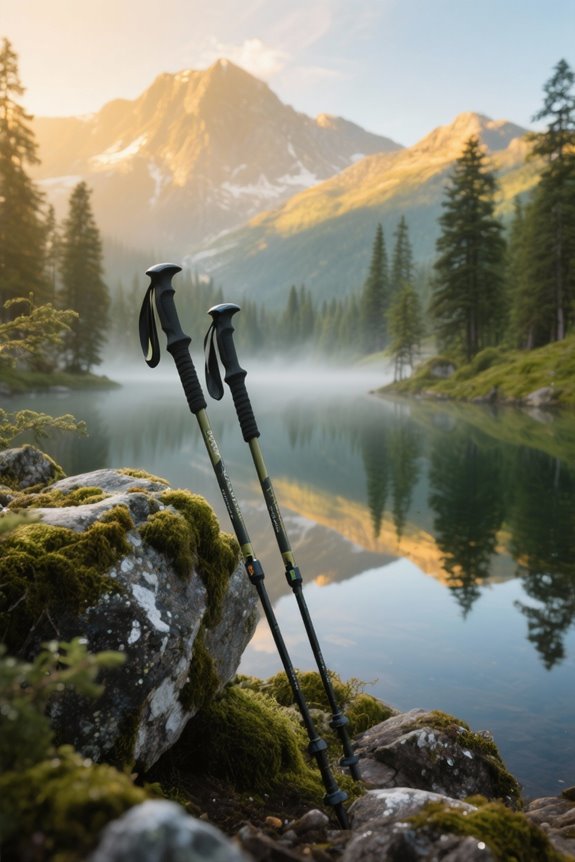
Understanding Trekking Pole Weight Distribution

Trekking poles are designed to redistribute weight effectively, which improves our hiking experience. Here’s how they help:
- Weight Transfer: They shift about 20% of our weight from legs to arms, easing fatigue.
- Stability: Extra ground contact helps us maintain balance on uneven surfaces.
- Joint Impact: Poles can reduce peak joint stress by up to 25%.
You may be interested


In short, understanding pole dynamics can enhance our hikes. If we explore more, we can uncover additional benefits!
Key Takeaways
- Trekking poles redistribute approximately 20% of body weight from legs to arms, reducing fatigue and relieving joint stress during hikes.
- Proper pole height ensures a 90° elbow bend, optimizing weight distribution and enhancing overall balance and stability while hiking.
- Lighter poles promote efficient force application, making ascents easier and providing greater maneuverability on technical trails.
- Carbon fiber poles typically offer superior weight distribution, minimizing fatigue compared to heavier aluminum poles, which are more durable.
- Adjusting pole length for uphill or downhill terrain helps maintain posture and reduces shoulder strain, improving overall hiking efficiency.
The Mechanics of Trekking Poles
When we think about trekking poles, their mechanics play an essential role in enhancing our hiking experience. Let’s explore some important aspects of their construction and functionality.
- Fixed-length poles: Simple, lightweight, with no moving parts.
- Telescoping poles: Adjustable height for varying terrains, typically range from 24–55 inches.
- Folding poles: Compact, quick to deploy but not adjustable.
- Combination poles: Blend features for versatility.
Understanding pole dynamics helps with load distribution. The right material also matters:
- Aluminum: Durable but slightly heavier.
- Carbon fiber: Lightweight and strong, though pricier.
Finally, proper grip design and locking mechanisms are crucial to maintain stability. Premium models often feature moisture-wicking ergonomic grips with padded straps to reduce hand fatigue during extended hikes. With regular maintenance and knowledge of their mechanics, we can optimize our trekking experience.
Benefits of Weight Redistribution

Weight redistribution through the use of trekking poles offers numerous benefits that can greatly enhance our hiking experiences. Here are some key redistribution benefits:
- Joint Relief: Transferring about 20% of our weight from legs to arms reduces strain on hips, knees, and ankles.
- Improved Balance: Poles provide extra ground contact, enhancing stability on uneven surfaces and lowering fall risks.
- Fatigue Reduction: Sharing the load between limbs delays muscle fatigue and supports longer hikes.
- Posture Enhancement: Trekking poles help maintain an upright posture, improving breathing capacity, particularly beneficial during exercise recovery.
Incorporating trekking poles into our adventures not only aids performance but flourishes our overall hiking enjoyment by addressing common challenges effectively. For optimal weight distribution, look for poles with ergonomic grips made from materials like EVA foam or cork that reduce hand fatigue during extended use. By utilizing this weight distribution, we can hike farther and feel better.
Energy Expenditure and Caloric Burn

As we explore energy expenditure and caloric burn while using trekking poles, it’s essential to understand how they influence our hiking performance. Here’s what we need to take into account:
- Increased Energy Expenditure: Using trekking poles can enhance our total energy expenditure by about 20%, mainly due to upper body engagement.
- Caloric Optimization: This boost is particularly evident when we carry a load, especially uphill.
- Impact on Heart Rate: Our heart rate and oxygen consumption rise, which contributes to more calories burned.
- Variable Effects: On level terrain, poles may not greatly affect our perceived exertion or energy expenditure.
- Joint Impact Reduction: The shock-absorbing technology in quality trekking poles minimizes impact on joints during hikes, which can help maintain consistent energy output over longer distances.
Biomechanical Advantages of Pole Use
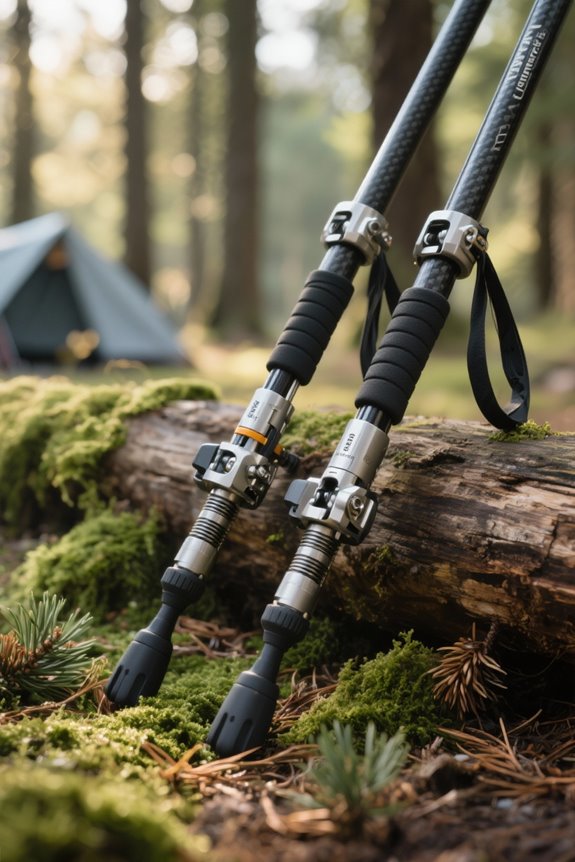
Trekking poles offer numerous biomechanical advantages that can considerably enhance our hiking experience. Let’s explore some key benefits:
- Upper Body Load Redistribution: Poles shift part of our load from legs to upper body, reducing leg stress during long hikes.
- Enhanced Stability: Using poles improves our balance and posture, lessening the risk of falls on uneven terrain.
- Muscle Activation Patterns: Engaging our upper body muscles helps distribute exertion, delaying fatigue in our legs.
- Biomechanical Propulsion: Longer poles provide a greater thrust phase, enhancing our motion efficiency and energy savings.
- Core Stability: Poles enhance trunk muscle activation, improving our overall posture and reducing strain on our lower back.
- Impact Force Reduction: Quality trekking poles with anti-shock technology can absorb up to 40% of impact forces, protecting knees, ankles, and wrists during descents and challenging terrain.
Impact on Joint Stress and Injury Prevention

When we consider the impact of trekking poles on joint stress and injury prevention, it becomes clear how beneficial they can be during our hikes.
- Joint Strain Reduction: Using trekking poles can decrease peak joint moments by up to 25%, markedly reducing stress on knees, ankles, and hips.
- Cumulative Benefits: On a 7-km downhill hike, poles can lead to a substantial reduction in joint loading, with over 5,200 impacts anticipated.
- Injury Reduction: Lower joint stress correlates with fewer muscle overuse injuries and less cartilage damage.
- Weight Considerations: The ultralight design of quality trekking poles, such as those weighing only 19.2 oz for the pair, enhances joint comfort and minimizes fatigue during long hikes.
Recommended Products

Now in Black | LEKI’s premium trekking poles redesigned with a completely black style for a sleek look. Previously known as the Black Series FX Carbon.
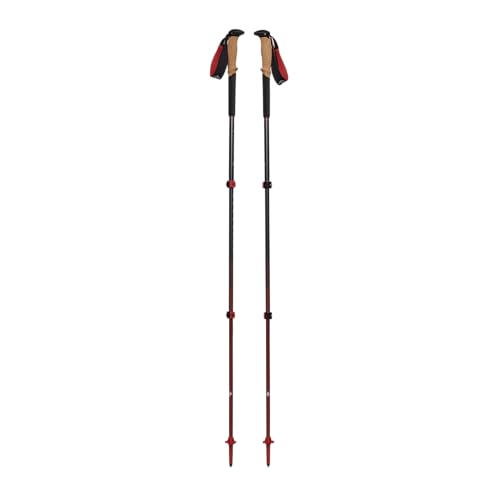
ERGONOMIC, TRAIL-READY DESIGN: Designed for comfort and stability on long hikes, backpacking trips, and mountain treks. The Pursuit Trekking Poles deliver balanced support and durability for all-season exploration.

For Elite Runner on Race Day | Ultralight, collapsible poles designed specifically for racing and competition.
Stability and Balance During Hikes
To maneuver the diverse challenges of hiking, maintaining stability and balance becomes vital, especially on tricky terrains. Here are some effective stability strategies and balance techniques we can use:
- Use Trekking Poles: They mimic a four-legged stance, increasing our base of support.
- Adjust Pole Length: Shorten them for uphill climbs and lengthen them on downhill slopes for best stability.
- Engage Arm Muscles: By using our arms, we distribute weight better, aiding balance.
- Understand Terrain: Poles give us extra contact points on uneven ground, improving our adaptability.
- Stream Crossings: They provide significant support when maneuvering tricky water crossings.
- Check Weight Capacity: Ensure your poles can handle your body weight, as lightweight models typically support 150-200 pounds while heavy-duty models can bear 300 pounds or more for maximum stability.
Pole Weight and Material Considerations
Choosing the right trekking pole involves understanding various factors, especially weight and material choice. Here’s a quick breakdown:
- Pole Material:
- Aluminum: Weighs 18-22 ounces. Durable, can bend without breaking.
- Carbon Fiber: Weighs 9.5-18 ounces. Lighter but snaps more easily.
- Hybrid: Balances both weight and durability (e.g., REI Flash Carbon at 12.9 ounces).
- Durability Factors: Aluminum withstands heavy loads better, while carbon fiber excels in vibration reduction.
- Cost Considerations: Carbon fiber can range from $75 to $230, while aluminum is often more budget-friendly.
- Grip Types: Cork grips are luxurious but raise costs. EVA foam grips balance weight and price.
Cascade Mountain Tech offers ultralight models at just 5.4 oz, making them among the lightest options available with aircraft-grade aluminum or carbon fiber construction. Ultimately, our pole choice should reflect our load-bearing needs, maintenance preferences, and hiking styles.
Recommended Products

Cant and Pan 90ºCant & 360º Pan

LIGHTWEIGHT & ULTRALIGHT DESIGN: Perfect for backpacking, hiking, and camping, this floorless tipi is designed for easy transportation and setup, weighing only 4 lb 4 oz.

Antishock Trek | Take the shock out of treks with this lightweight, adjustable, collapsible trekking pole featuring the Dynamic Suspension System.
Performance Enhancements on Steep Terrain
Understanding pole weight and material is just the beginning of enhancing our performance on steep terrain. To truly maximize our trekking advantages, we should consider several key factors:
- Leverage: Lighter poles allow us to apply more force efficiently during steep climbs, improving our performance metrics.
- Upper Body Engagement: Using poles shifts some workload from our legs to our arms and core, reducing overall fatigue.
- Stability: Two extra contact points greatly enhance balance on uneven surfaces, allowing for better foot placement.
- Controlled Descents: Poles can act as natural brakes, helping us manage speed and maintain control.
- Joint Impact Reduction: Trekking poles are particularly useful for reducing joint impact during downhill treks, distributing the stress across multiple points of contact.
Effects of Terrain on Pole Efficiency
When we consider how terrain affects pole efficiency, it’s clear that different surfaces and conditions require tailored approaches. Recognizing the impact of terrain adaptability leads to improved pole performance. Here are a few key points:
- Uneven or rocky ground benefits from poles, providing a four-legged stance for better stability.
- On slippery surfaces, poles reduce postural sway, keeping us balanced and safe.
- Using poles on steep descents lessens joint stress and impacts, preserving our muscles.
- Lighter poles enhance our ability to maneuver and adjust, especially on technical trails.
- When traversing varied terrain, poles shift effort from our legs to our upper body, reducing fatigue.
- Poles designed for multiple terrain types with quick-adjust mechanisms allow us to adapt height and configuration on the fly for optimal efficiency.
Understanding these factors helps us maximize the effectiveness of our trekking poles, ensuring a more enjoyable hiking experience.
Proper Technique for Maximum Benefit
To maximize the benefits of trekking poles, we need to focus on proper technique. Here are key aspects to take into account:
- Natural Gait: Enhance your natural walking stride, keeping it balanced.
- Stride Synchronization: Plant one pole with the opposite foot to improve stability.
- Pole Gripping: Grip your poles lightly to maintain comfort, allowing for natural movement.
- Arm Swing: Maintain a natural arm swing to help with weight distribution.
- Ground Contact: Use pole contact to propel yourself forward, not just to support.
- Pole Angle: Keep them slightly angled forward to support your forward motion, and ensure your poles are properly adjusted to your height, typically ranging from 43-51 inches, with ergonomic grips conforming to your hand over time for reduced fatigue.
Importance of Pole Length Adjustment
Adjusting your trekking poles to the correct length is essential for maximizing your comfort and efficiency on the trail. Here are some key considerations:
- Height Matters: Generally, your pole length should allow for a 90° bend at the elbow when the tip touches the ground.
- Uphill Adjustment: Shorten your poles by 5-10 cm to reduce shoulder strain and maintain leverage.
- Downhill Adjustment: Lengthen your poles by 5-10 cm to improve balance and ease joint stress.
Using proper adjustment techniques enhances your stability across various terrains. Remember, adjustable poles are versatile, making it easy to adapt to changing conditions. Proper pole length not only aids in posture but also protects your joints, so let’s make those adjustments count!
Role of Upper Body Engagement
Once we’ve got our trekking poles adjusted to the right length, we can shift our focus to how upper body engagement plays a key role in our hiking experience.
- Upper Body Activation: Using poles activates key muscles like the lats and deltoids, enhancing our overall performance.
- Muscle Endurance: Engaging these muscles helps us manage fatigue, allowing for longer hikes without over-stressing our legs.
- Stability and Balance: Pole planting provides additional ground contact, improving stability on uneven terrain while keeping our posture upright.
- Joint Protection: Active upper body involvement reduces the load on our knees, lowering the risk of injury.
Evaluating the Real Weight of Trekking Poles
When we talk about evaluating the real weight of trekking poles, it’s essential to look beyond just the number on the label. Here’s what we should consider:
- Actual vs. Claimed Weight:
- Many manufacturers omit accessories, like baskets, in their weight listings.
- For example, Fizan Compact poles claim 158 g but weigh 173 g without baskets.
- Carbon fiber poles, like the Gossamer Gear LT5, typically weigh under 5 oz, optimizing weight distribution.
- Aluminum poles, while heavier, offer durability.
- Different designs affect weight. For instance, hybrid models use both materials to balance weight with strength.
- Pole Length: Adjust so elbows form a 90-degree angle on flat terrain. Shorten poles when going uphill, lengthen them on downhill slopes.
- Grip Techniques: Slide hands into wrist straps from the bottom, gripping under the palm to share weight and reduce fatigue.
- Sync with Stride: Plant poles opposite foot movements to mimic natural rhythm. Keep poles angled forward at about 70 degrees.
- Terrain Adaptation: For uphill, push back on poles; downhill, lead with the pole for balance.
- Weight: Ultralight poles (9-10 oz/pair) offer *lightweight advantages* for thru-hikers but may lack durability.
- Durability: Choose aluminum poles for rugged conditions, accepting extra weight for reliability.
- Adjustable Lengths: Opt for telescoping poles with *adjustable lengths* for stability tailored to terrain.
- Comfort: Look for ergonomic grips and padded straps to reduce fatigue over long hikes.
Understanding these factors helps us choose the right pole for our needs.
Practical Tips for Using Trekking Poles
Using trekking poles effectively can enhance our hiking experience, making it more enjoyable and safe. Here are some practical tips to contemplate:
Recommended Products
For Elite Runner on Race Day | Ultralight, collapsible poles designed specifically for racing and competition.

Hit The Trail | LEKI’s premium trail running pole specifically designed for avid hikers and trail runners.

Premium Poles For Premium Summits | Advanced trekking poles engineered for high-alpine adventures.
Choosing the Right Poles for Your Needs
Choosing the right trekking poles for our hiking needs can greatly enhance our experience on the trail. Here’s what to contemplate:
Think about our hiking style. Are we ultralight backpackers, winter hikers, or casual day-trippers? Selecting the right poles helps us enjoy our adventures while minimizing strain and maximizing efficiency. Choose wisely!
Frequently Asked Questions
Can Trekking Poles Help Beginners Learn Proper Hiking Technique?
Yes, trekking poles can help us learn beginner techniques and proper posture. They promote stability, encourage a natural walking rhythm, and empower us to navigate tricky terrain confidently, enhancing our overall hiking experience.
How Do Trekking Poles Affect Overall Hiking Enjoyment?
Trekking poles greatly enhance our overall hiking enjoyment. With their advantages in promoting balance and stability, we feel more confident on trails, making each hike not just safer, but also more exhilarating and fulfilling.
Are Trekking Poles Beneficial in Snowy or Icy Conditions?
Absolutely, trekking poles are essential for snow safety and ice traction. They enhance our stability on slippery surfaces, help assess hidden hazards, and reduce strain, making our winter hikes safer and more enjoyable overall.
What Maintenance Do Trekking Poles Require for Durability?
For durability, we need consistent pole care, including regular inspections, cleaning, and grip replacement. By maintaining our poles properly, we can guarantee they remain reliable partners on our adventures, ready for whatever trails we tackle.
Can Trekking Poles Be Used for Activities Other Than Hiking?
Absolutely, trekking poles aren’t just for hiking; they enhance activities like trail running and provide climbing support. Did you know they can reduce stress on knees by up to 25%? Let’s explore their versatility together!


