As an Amazon Associate, we earn from qualifying purchases. Some links on this site are affiliate links at no extra cost to you. Our recommendations are based on thorough research and editorial judgment.


Understanding Trekking Pole Grip Materials and Ergonomics

Understanding trekking pole grip materials and ergonomics is essential for our comfort and performance. Here’s a quick overview:
- Cork Grips: Eco-friendly, moisture-wicking, and molds to our hand, but less durable.
- EVA Foam Grips: Lighter, more durable, and water-resistant.
You may be interested



Also, ergonomic designs adjust weight distribution, reducing strain. Considering customization options can enhance our experience. Maintenance, like regular cleaning and inspection, is key for safety and functionality. Keep going to discover more on optimizing your trekking poles!
Key Takeaways
- Cork grips are eco-friendly, moisture-wicking, and enhance grip in wet conditions but may degrade with heavy use.
- EVA foam grips are lightweight, durable, and water-resistant, offering cushioning but less hand molding than cork.
- Ergonomic designs improve posture, reduce joint stress, and enhance stability on uneven terrain, thereby increasing hiking efficiency.
- Cork is a renewable resource that supports biodiversity, while EVA foam contributes to environmental pollution due to its synthetic nature.
- Customization and regular maintenance of grips enhance personal comfort and extend their lifespan, ensuring optimal performance on various terrains.
Overview of Grip Materials: Cork vs. EVA Foam
When we think about trekking pole grips, it’s essential to understand the differences between cork and EVA foam. Here’s a quick comparison:
- Cork Grip:
- Natural, eco-friendly material
- Excellent moisture-wicking properties
- Molds to our hand over time for comfort
- Superior grip in wet conditions
- Heavier than EVA foam
- EVA Foam:
- Synthetic and lighter than cork
- Exceptionally durable and resistant to wear
- Water-resistant, preventing moisture absorption
- Offers good shock absorption
- Versatile across various climates
Both materials have their pros and cons. Choosing between cork grip and EVA foam often comes down to personal preference and specific hiking needs. Understanding these options helps us make informed trekking gear choices. Many premium trekking poles feature moisture-wicking ergonomic cork grips combined with padded straps to reduce hand fatigue during extended hikes.
The Importance of Ergonomic Design

Ergonomic design in trekking poles isn’t just a trendy feature; it’s essential for enhancing our hiking experience. Here’s why we should prioritize ergonomic benefits for better hiking performance:
- Improved Posture: Ergonomic grips promote an upright position, reducing neck and back strain.
- Joint Stress Relief: They redistribute weight from our legs to our upper body, easing knee and hip stress.
- Increased Stability: Better grips enhance our control on uneven terrain, boosting our confidence.
- Enhanced Comfort: Comfortably molded grips reduce pressure, allowing longer use.
- Energy Conservation: Good grip design helps maintain our posture, optimizing lung capacity and reducing fatigue.
With these advantages, we can hike longer, safer, and with more enjoyment. Investing in ergonomic trekking poles can truly elevate our outdoor experiences. Materials like EVA foam grips are specifically designed to absorb sweat and ensure a secure hold during extended use.
Weight Considerations in Grip Materials

- Cork vs. EVA Foam: Cork grips weigh about 9.5 oz, while EVA foam grips are lighter at around 7 oz.
- User Fatigue: Even slight weight differences can greatly affect user comfort and fatigue during extended use.
- Material Balance: We often have to balance comfort and weight—lighter grips aid in reducing fatigue, but might compromise durability.
- Moisture Management: Moisture-wicking cork handles provide a non-slip grip that reduces hand fatigue during extended hikes.
Ultimately, selecting the right grip material can enhance our trekking experience, keeping us comfortable while minimizing fatigue along the trail.
Durability Factors: Cork and EVA Foam

Selecting the right grip material for our trekking poles impacts not only comfort but also durability. Here’s a quick comparison:
Cork Durability:
- Cork wicks moisture, keeping hands dry.
- Less durable with heavy use, may deteriorate over time.
- Molds to our hands, enhancing sensitivity.
EVA Longevity:
- EVA foam is water-resistant and ideal for wet conditions.
- More durable, can withstand rigorous use without wear.
- Offers cushioning, reducing hand fatigue.
Many top-rated trekking poles combine both materials, featuring cork grips that absorb vibrations while incorporating EVA foam sections for additional cushioning.
Sustainability Aspects of Grip Materials

When we explore the sustainability aspects of grip materials for trekking poles, it’s essential to recognize their environmental impact. Here are the main points:
- Renewable Sourcing:
- Cork is harvested from trees without harm, allowing it to regenerate.
- Hemp and linen from flax are fast-growing and require minimal resources.
- Eco-Friendly Alternatives:
- These natural fibers decompose easily, reducing landfill waste.
- Synthetic grips like EVA foam persist in the environment, contributing to pollution.
- Low Environmental Footprint:
- Cork forests enhance biodiversity and sequester carbon.
- Hemp cultivation improves soil health with fewer chemicals.
- Material Performance Considerations:
- Cork grips offer sweat-wicking designs that help maintain a firm grip while providing natural comfort during extended use.
Advantages of EVA Foam Grips
While sustainability is a key aspect of grip material selection, the advantages of EVA foam grips cannot be overlooked. Let’s explore some of the key benefits:
- EVA Durability: These grips resist breaking down over time, maintaining their integrity even in wet conditions. They compress less than other materials, ensuring consistent performance.
- EVA Comfort: With a soft, cushioned surface, EVA grips reduce hand fatigue on long hikes. They absorb shock efficiently, lessening wrist strain.
- Weather Resistance: Their water-resistant nature means they won’t swell or degrade with moisture, keeping them reliable.
- Lightweight and Cost-Effective: EVA grips are budget-friendly and keep trekking poles light, perfect for long-distance hikes.
Many trekking poles featuring EVA foam grips also include padded straps that provide additional ergonomic support, further reducing hand fatigue during extended use.
Benefits of Cork Grips
Cork grips are an excellent choice for trekkers seeking both comfort and functionality in their poles. Here are the key benefits we appreciate about cork grips:
- Moisture Management: Cork effectively wicks away cork grip moisture, keeping our hands dry in humid conditions.
- Personalized Comfort: Over time, cork molds to the shape of our hands, providing personalized cork comfort that enhanced our experience.
- Shock Absorption: The soft nature of cork reduces vibrations, making long hikes more comfortable.
- Secure Grip: Even when wet, cork maintains a strong grip, minimizing the risk of slipping.
- Eco-Friendly: As a natural material, cork is biodegradable and sustainable, aligning with our values for environmental responsibility.
- Ergonomic Design: The ergonomic design of cork grips enhances ease of use and comfort during extended treks, similar to how well-designed ferro rods improve the fire-starting experience.
Recommended Products

Now in Black | LEKI’s premium trekking poles redesigned with a completely black style for a sleek look. Previously known as the Black Series FX Carbon.
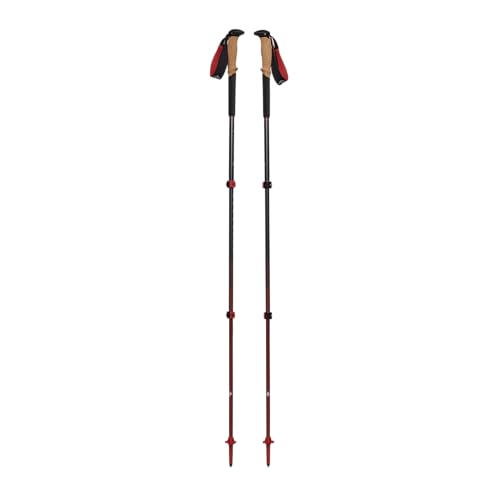
ERGONOMIC, TRAIL-READY DESIGN: Designed for comfort and stability on long hikes, backpacking trips, and mountain treks. The Pursuit Trekking Poles deliver balanced support and durability for all-season exploration.

For Elite Runner on Race Day | Ultralight, collapsible poles designed specifically for racing and competition.
Ergonomics of Wrist Straps in Trekking Poles
A strong grip isn’t just about the material; it’s also about how we hold our trekking poles, particularly through the use of wrist straps. Ergonomic wrist straps play an important role in our hiking experience. Here’s what we should consider:
- Adjustable Straps: They accommodate different hand sizes, enhancing comfort.
- Weight Distribution: Straps help evenly distribute weight, reducing strain on our hands and wrists.
- Customization: We can modify straps for preferred lengths, even swapping materials for lighter options.
- Quick-Release Mechanisms: They allow for easy adjustments based on terrain or personal preference.
Using wrist straps helps maintain proper posture and reduces fatigue, making them an essential feature for our trekking adventures. High-quality options feature padded wrist straps combined with moisture-wicking materials like cork or EVA foam to enhance comfort during extended use. With thoughtful strap selection and customization, we can elevate our hiking experience considerably.
Frequently Asked Questions
How Do I Clean and Maintain My Grips?
To clean and maintain our grips, we should use a soft, damp cloth and soapy water. Regular inspections will help us spot wear, ensuring our grips remain in top condition for every adventure.
What Grip Material Is Better for Beginners?
For beginners, we find foam grips to be more comfortable, especially in varied temperatures. While rubber grips offer durability, they can be slippery when sweaty, making foam a better choice for our initial hikes.
Can I Replace the Grips on My Trekking Poles?
Sure, we can replace our trekking pole grips, even if it feels like trying to thread a needle in a hurricane! The ergonomic benefits might coax us into the effort, but let’s not expect easy replacements.
How Do I Choose the Right Grip Size?
To choose the right grip size, we should measure our hand circumference and consider comfort. A grip diameter of 1 inch to 1⅜ inches often provides ideal comfort, minimizing fatigue during our outdoor adventures.
Are There Any Health Risks Associated With Grip Materials?
Yes, there are health considerations with grip materials. We’ve noticed that poor grip durability can lead to skin irritation or fatigue, highlighting the importance of choosing quality grips that balance comfort and durability during our adventures.