As an Amazon Associate, we earn from qualifying purchases. Some links on this site are affiliate links at no extra cost to you. Our recommendations are based on thorough research and editorial judgment.


How Trekking Pole Tips Affect Performance on Different Terrain

Trekking pole tips play a vital role in our performance on different terrains. Here’s how they influence our hike:
- Rubber Tips: Ideal for pavement, providing slip resistance.
- Metal Spikes: Best for rocky trails, enhancing grip.
- Carbide Tips: Essential for snow and ice, ensuring penetration and stability.
You may be interested



Using the right tip improves stability, reduces joint strain, and enhances efficiency. This knowledge aligns with our hiking goals. Stay tuned to learn more about optimizing performance with trekking poles!
Key Takeaways
- Rubber tips are ideal for pavement, providing grip and stability on hard surfaces without damaging the terrain.
- Metal spikes enhance traction on rocky trails, preventing slipping and ensuring secure footing.
- Narrow, sharp carbide tips are essential for snow and ice, aiding in penetration and maintaining balance in slippery conditions.
- Using the appropriate tip type increases overall hiking efficiency by improving contact and force distribution with the ground.
- Different tips affect energy expenditure and joint impact, with the right choice minimizing strain and enhancing performance on varied terrain.
Benefits of Using Trekking Poles on Uphill Terrain
When we tackle uphill terrain, using trekking poles can transform our experience in several beneficial ways. Here’s how they enhance our hike:
- Strength & Muscle Engagement: Poles shift some load from our legs to arms, helping us engage more upper body muscles. This can delay muscle soreness and fatigue.
- Efficiency & Energy Expenditure: Trekking poles increase our uphill hiking efficiency by about 10%, allowing us to maintain pace without feeling more fatigued.
- Speed & Performance: Using poles often lets us ascend quicker, with potential speed gains on steep grades.
- Joint & Muscle Relief: They reduce stress on our joints, offering comfort, especially with heavy packs. The anti-shock technology in quality trekking poles absorbs up to 40% of impact forces, further protecting our knees and ankles during steep ascents.
Recommended Products
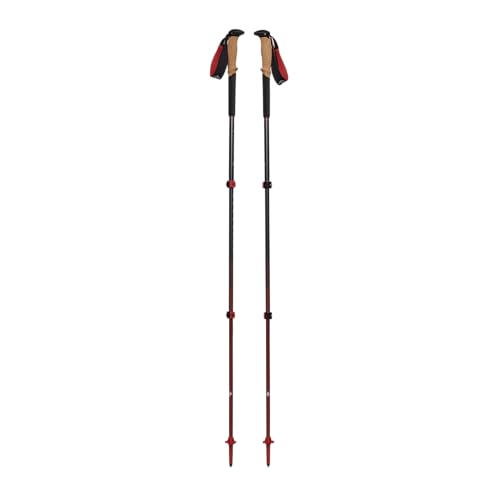
ERGONOMIC, TRAIL-READY DESIGN: Designed for comfort and stability on long hikes, backpacking trips, and mountain treks. The Pursuit Trekking Poles deliver balanced support and durability for all-season exploration.
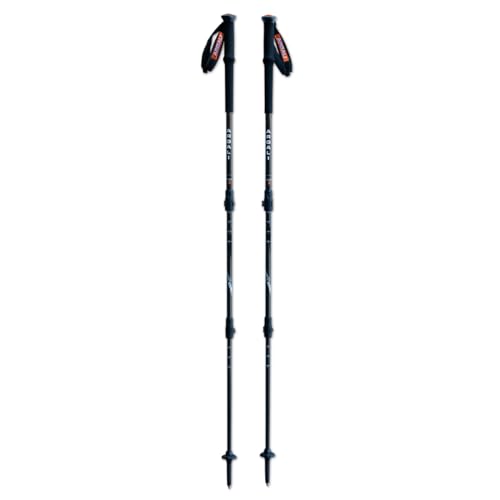
WEIGHT - 15oz.

Take the Shock Out of the Hike | Adjustable trekking poles equipped with antishock suspension systems.
How Trekking Poles Enhance Stride Length During Ascents

Using trekking poles can greatly enhance our stride length during ascents, making our hikes feel more efficient and manageable. Here’s how:
- Stride Length Increase: By using poles, we can achieve longer strides on inclines.
- Biomechanical Benefits: Poles shift some effort to our upper body, reducing lower limb stress for smoother motion.
- Enhanced Agility: We maintain balance and rhythm, helping with stride optimization on various incline angles.
- Consistency in Pace: The “metronome effect” keeps our movements steady, allowing us to sustain our stride length.
- Muscle Engagement: Engaging our upper body helps distribute effort evenly, which supports durability on challenging paths.
- Grip Comfort: Poles with moisture-wicking ergonomic grips reduce hand fatigue during extended climbs, allowing us to maintain proper pole placement and stride mechanics throughout the ascent.
Recommended Products

Antishock Trek | Take the shock out of treks with this lightweight, adjustable, collapsible trekking pole featuring the Dynamic Suspension System.

ERGOBAUM 7G ERGONOMIC FOREARM CRUTCHES FOR ADULTS- Extensively designed to be the most comfortable and advanced forearm crutches for adults available, the ERGOBAUM 7G crutches are built for its users’ needs first. Ergobaum 7G premium design features combined provide an unparalleled level of comfort and ease that is unrivaled by any other product on the market. Expect your ergonomic forearm crutches and crutches accessories to provide safety, performance, comfort and style; they will move you. FSA/HSA eligible. If you've struggled with uncomfortable crutches, the Ergobaum 7G is the upgrade your body needs.
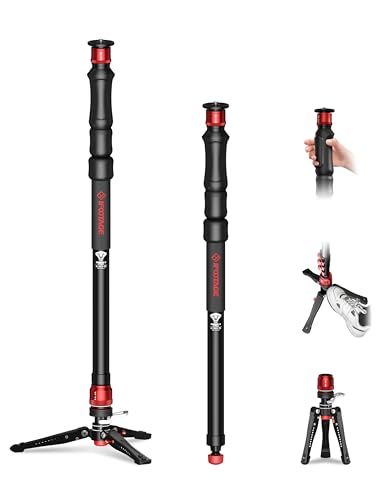
💡💡【One-Press Lifting Monopod】: Easily extend or retract the monopod with one hand— smoothly glide from 33" to 59.2" with just one hand while your other hand holds your gear. Ensuring you never miss a critical shot. Perfect for capturing fast-moving moments without delay.
The Role of Poles in Reducing Knee and Joint Impact

As we explore the impact of trekking poles on our joints, it’s clear that they play an essential role in reducing knee and joint stress during various terrains. Here’s how they help:
- Ground Reaction Force (GRF) Reduction: Trekking poles expand our base of support, shifting weight and noticeably cutting knee impact.
- Weight Redistribution: Up to 15% of our body weight can be transferred to the poles, easing the load on our joints.
- Joint Loading: Using poles can reduce knee joint loading by up to 20%, lowering the risk of knee osteoarthritis.
- Balance Improvement: Poles enhance stability, particularly on uneven ground, further minimizing joint stress.
- Shock Absorption Technology: Advanced shock-absorbing technology in poles like the TREKOLOGY TREKZ SE further minimizes impact on joints during hikes, reducing the risk of knee injuries.
Incorporating trekking poles into our hikes not only boosts performance but also promotes long-term joint health.
Recommended Products

Now in Black | LEKI’s premium trekking poles redesigned with a completely black style for a sleek look. Previously known as the Black Series FX Carbon.

For Elite Runner on Race Day | Ultralight, collapsible poles designed specifically for racing and competition.

Completely Carbon & Collapsible | Ultralight trekking poles provide an adjustable length and collapsible packability.
Energy Expenditure While Using Trekking Poles

Trekking poles can notably influence our energy expenditure (EE) during hikes, particularly when we’re carrying a load. Here’s a quick breakdown:
- Without Load: Poles generally don’t change our energy cost much at self-selected speeds.
- With Load: Using poles while carrying a backpack can increase EE, raising oxygen uptake and heart rate.
- Caloric Burn: Actively employing poles can boost caloric burn by about 20% due to added upper body demands.
- Terrain Matters: The energy cost varies based on incline; uphill walking under load can heighten energy demands considerably compared to flat terrain.
- Two vs. One Pole: Using two poles may elevate total energy expenditure and oxygen consumption more than just one.
- Tip Selection: Different pole tips can affect performance across various terrains, with rubber tips ideal for pavement and indoor use while metal spikes excel on rocky trails, muddy paths, and snowy conditions.
In essence, choosing the right setup matters for maximizing efficiency during our hikes!
The Effect of Trekking Poles on Perceived Exertion

Perceived exertion, a key element of our hiking experience, often remains a complex topic in the context of trekking pole use. When we use trekking poles, our perceived exertion doesn’t greatly change, even though physiological measures like heart rate may increase. Here are the key points to reflect on:
- On flat terrain, poles show little impact on perceived exertion.
- Uphill walking with poles may lower perceived exertion, especially with a pack, due to better stability.
- Novice users may not experience these benefits as keenly.
- Laboratory studies often report reduced exertion with poles, but field studies show mixed results.
- Poles with ergonomic grips made from materials like EVA foam or cork can enhance user comfort during long hikes, potentially reducing hand fatigue that might otherwise contribute to overall perceived exertion.
In essence, trekking poles can help distribute effort, improving comfort and stability, but their effect on perceived exertion varies across users and conditions.
Performance Improvements on Downhill Slopes
When hiking downhill, using trekking poles can greatly enhance our performance and safety. Here’s how they help:
- Reduced Joint Stress: Trekking poles distribute forces better, easing the strain on our knees and ankles.
- Energy Efficiency: While poles may slightly increase energy demand, the joint protection they offer is a significant gain.
- Pole Grip and Terrain Interaction: Choosing the right pole tips—like carbide or rubber—improves grip on various surfaces, enhancing descent control, especially on rocky or loose terrain.
- Muscle Fatigue Prevention: Poles help absorb some of the impact, reducing muscle damage and soreness from downhill hikes.
- Material Considerations: Similar to how camping chairs use durable materials like aluminum alloy frames for stability and weight support, trekking pole construction affects their ability to withstand impact forces during steep descents.
Recommended Products

Strong & Light | LEKI’s supreme ski pole specialized for backcountry touring, splitboarding, and 4-season backpacking.

Premium Poles For Premium Summits | Advanced trekking poles engineered for high-alpine adventures.

Pole material: aluminium
Stability and Balance With Trekking Poles on Uneven Ground
Balancing on uneven ground can be tricky, especially on challenging hikes. To enhance our stability, we must consider:
- Pole Tip Performance: Carbide tips dig into soft soil and reduce slips, while rubber tips are great for hard surfaces but can slide in wet conditions.
- Terrain Adaptability: Using interchangeable tip baskets prevents poles from sinking too deeply. Wider baskets help on soft ground, while smaller tips provide precise placement on rocky paths.
This adaptability is vital. A well-matched pole tip to the terrain not only maintains our balance but also helps distribute body weight evenly. With the right tips, we can lower our fall risk and enjoy long treks with greater confidence, ensuring a safer experience on uneven terrain. Tips made of tungsten carbide offer superior wear resistance compared to standard carbide, making them an excellent choice for hikers who frequently traverse rocky or abrasive surfaces.
Recommended Products

PREMIUM CARBON FIBER CONSTRUCTION: Built from 100% carbon fiber for exceptional strength, stiffness, and low weight. Provides efficient support for backpacking, trekking, and mountaineering in all seasons.
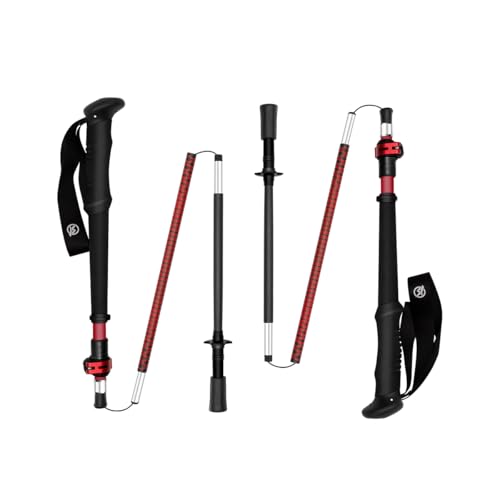
Ultra-Lightweight & Packable – Each trekking pole weighs only 6.98oz, lighter than a phone. Collapses to just 14.9in for effortless packing into backpacks, carry-ons, or travel gear.
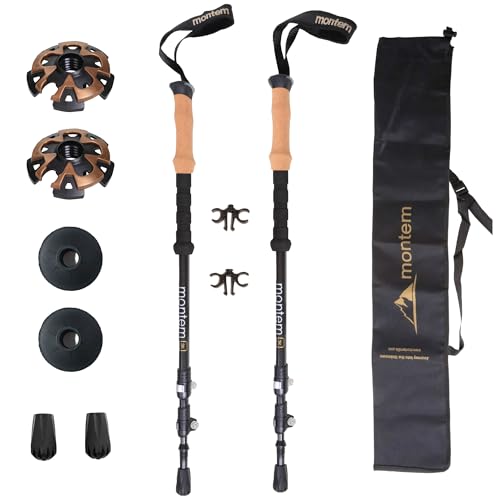
✅【NEW 3K DESIGN】A stylish and innovative 3K design fused with 100% carbon fiber offers ultra-light and compact hiking. Our trekking poles are not just functional but also make a statement on the trail.
Ventilation and Breathing Improvements When Descending
Descending steep terrain can be a challenge, but improving our ventilation and breathing can make the experience much smoother. Here are some effective strategies:
- Upright Posture: Trekking poles help us maintain an open chest, enhancing lung capacity. This posture reduces diaphragm compression, allowing for deeper breaths.
- Load Distribution: By transferring some weight to our upper body, we minimize leg strain. This relief gives our respiratory muscles a break to function better.
- Rhythm and Patterns: Poles encourage a steady pace, promoting synchronized inhalation and exhalation. A controlled rhythm reduces breathlessness.
- Lower Impact: Less stress on joints means our cardiovascular system is less taxed, improving oxygen flow.
- Enhanced Stability: The tungsten carbide tips provide superior traction on varied terrain, allowing us to focus on breathing technique rather than worrying about slipping.
Incorporating these ventilation techniques can lead to a more enjoyable and efficient descent.
The Influence of Terrain Characteristics on Pole Effectiveness
Terrain characteristics can greatly influence how well our trekking poles perform. Different surfaces challenge our pole tips in distinct ways:
- Rocky terrain: Double contact points enhance stability, helping us navigate uneven rocks and reducing joint stress.
- Soft or muddy ground: Wide, angled tips prevent sinkage and enhance traction, making it easier to move swiftly.
- Snow and ice: Narrow, sharp carbide tips penetrate deep snow while serrated tips provide grip on icy surfaces.
- Vegetation and bushwhacking: Narrow tips minimize snagging while sturdy materials resist damage from tough branches.
- Mixed terrain: Adjustability is key; changing pole length and using interchangeable tips help us adapt efficiently.
Just as camping stoves benefit from fuel type versatility to perform reliably across different conditions, trekking poles equipped with interchangeable tips allow hikers to optimize their equipment for varying terrain challenges.
Biomechanical Advantages of Using Trekking Poles
When we hike with trekking poles, we don’t just add a tool for support; we harness a range of biomechanical advantages that enhance our overall performance. Here’s how:
- Reduction of Fatigue: Poles help distribute effort, reducing stress on our lower limbs, especially during inclines.
- Improved Stride: The right pole design encourages longer strides and better timing, boosting our walking efficiency.
- Enhanced Stability: With more points of contact, we gain better balance, especially on uneven terrain.
- Lower Joint Stress: By minimizing ground reaction forces, shoulder and knee strain decreases, aiding in joint health.
- Impact Absorption: Advanced features like the dynamic suspension system can absorb up to 40% of impact, further reducing stress on joints when navigating rough or uneven ground.
Engaging Upper Body Muscles for Enhanced Performance
Hiking isn’t just about our legs; our upper body plays a significant role, especially when we bring trekking poles into the mix. By using poles, we enhance upper body engagement and muscle activation, which shifts some workload off our lower limbs.
Here’s how poles help:
- Increased Muscle Activation: We activate muscles like the biceps, triceps, and shoulders, distributing effort more evenly.
- Uphill Efficiency: On inclines, our upper body effort increases, helping with trunk stabilization and propulsion.
- Endurance Development: Regular use builds endurance in our arms and back, allowing us to maintain speed.
Incorporating trekking poles isn’t just a technique; it’s a way to optimize our overall hiking performance through effective upper body engagement.
Reducing Muscle Soreness and Fatigue Over Long Distances
To reduce muscle soreness and fatigue during long hikes, incorporating trekking poles can greatly enhance our experience. Here’s how they help:
- Lower Muscle Soreness: We often report less soreness after hikes, especially downhill, due to reduced muscle tissue breakdown.
- Improved Muscle Recovery: Poles help us recover strength faster, enabling quicker functionality after challenging trails.
- Dynamic Stability: By enhancing trunk muscle activation, trekking poles promote stability and controlled movement, which lowers overall fatigue.
- Reduced Impact: Trekking poles lessen ground reaction force, sparing our lower limbs from repetitive stress during descents.
Incorporating these tools into our hiking gear not only enhances performance but also makes long-distance trekking more enjoyable. Choose wisely, and we can maximize our outdoor adventures!
The Learning Curve for Novice Trekking Pole Users
Adjusting to trekking poles can feel like a challenging task for novice users, especially since mastering their use involves a learning curve.
- We often face coordination challenges when trying to synchronize pole movements with our natural walking pace.
- Learning proper pole placement and timing takes practice; alternating poles can feel awkward initially.
- Handling poles while managing snacks or gear adds complexity.
It’s essential to adapt to the biomechanical changes, like longer strides, which may seem unnatural at first.
– We’re also learning to effectively apply pole force, especially on inclines, for better efficiency.
Gaining experience leads to improved rhythm and ultimately enhances our confidence, allowing us to tackle various terrains with greater ease. Keep practicing; it gets easier!
Comfort and Confidence on Technical Terrain
While traversing technical terrain, having the right tools at hand can make all the difference in our comfort and confidence. Here’s how trekking poles help us tackle challenges:
- Terrain Adaptability: Pole adjustment to various heights improves stability on steep or uneven ground.
- Grip Confidence: Carbide tips excel on hard, rocky surfaces, ensuring traction.
- Stability and Balance: They serve as a third support point, reducing fall risks.
- Obstacle Navigation: Poles assist in safely crossing streams and logs, reinforcing stability.
- Efficient Movement: Using poles reduces strain, enhances speed, and helps with technique improvement on ascents.
Frequently Asked Questions
Can Trekking Poles Be Beneficial for Flat Terrains?
Absolutely, trekking poles offer valuable flat terrain benefits, enhancing our stability while walking. They help us maintain rhythm and reduce joint stress, transforming our journey into a more enjoyable, less tiring adventure together.
What Materials Are Best for Trekking Pole Tips?
For trekking pole tips, we prefer metal tips for durability and performance on rough terrain, while rubber tips are great for paved surfaces, reducing noise and protecting trails. Each has its strengths for different environments.
How Do Pole Tips Affect Grip and Stability?
Pole tips greatly impact grip and stability. We’ve noticed that choosing the right material maximizes grip importance on varying surfaces, while factors like tip sharpness and design enhance our overall stability during our adventures together.
Are There Different Tips for Various Terrain Types?
They say, “The right tool makes the job easier.” We’ve got various tip designs to match trail conditions—rubber for hard surfaces, carbide for rugged paths, and baskets for mud or snow. Let’s choose wisely!
How Should I Maintain My Trekking Pole Tips?
To maintain our trekking pole tips, we should regularly inspect for wear, clean them after hikes, and replace damaged tips promptly. Keeping spare tips handy guarantees we’re always ready for our next adventure on any terrain.