As an Amazon Associate, we earn from qualifying purchases. Some links on this site are affiliate links at no extra cost to you. Our recommendations are based on thorough research and editorial judgment.


Tent Setup Tips for Different Ground Conditions

Mastering tent setup across varying terrain ensures camping success and shelter integrity. On rocky surfaces, use rock anchors or heavy stones to secure guylines when stakes won’t penetrate. Sandy beaches demand longer stakes angled deeply, with sand bags for extra stability. Soft forest floors accept standard stakes easily, but check for root systems first. Hard-packed dirt requires robust stakes and a mallet for proper insertion. Snowy conditions need wide snow anchors or buried stuff sacks as deadman anchors. Always clear debris, level your site, and use a footprint for ground protection regardless of surface type.
You may be interested



# Tent Setup Tips for Different Ground Conditions
When setting up a tent, we should consider the ground conditions for stability. Here are some tips:
- Grass: Find a flat, debris-free area with proper ventilation.
- Soft Soils: Use deadman anchors and weighted options for secure holding.
- Rocky Ground: Steel stakes work best for tough surfaces.
- Wet Areas: Choose elevated spots and use a tarp to divert water.
- Windy Conditions: Angle the narrow side into the wind and secure additional stakes.
Stick with us for more detailed strategies!
Key Takeaways
- Choose flat, dry grass areas for tent setup, positioning the entrance away from winds for better shelter and ventilation.
- On wet or muddy ground, elevate the tent and use a tarp to prevent water buildup and direct drainage away.
- For soft soils, utilize deadman and weighted anchors alongside traditional stakes for enhanced stability.
- In rocky conditions, opt for durable steel or titanium stakes to ensure secure installation without bending or breaking.
- Stake guylines at a 45-degree angle for effective stability, and prioritize consistent tension while avoiding over-tensioning to prevent damage.
Grass: Best Practices for Tent Setup
When setting up a tent on grass, we’re looking at several best practices that can make the experience smoother and more effective. First, we should choose a flat, dry area free from rocks and holes. This helps with tent stability and comfort.
Next, tent orientation is key; position the entrance away from prevailing winds for better shelter. Ensuring good tent ventilation is also essential—avoid low spots where cold air can settle.
Before we lay the tent down, let’s remove any debris like sticks or stones. Using a footprint helps protect the tent floor from moisture and abrasion. Finally, let’s check soil firmness to make sure it securely holds the stakes, promoting stability overall while we camp. For added comfort and insulation from the ground, consider pairing your tent with a sleeping pad that has an R-value of 3 to 4 for spring and fall conditions.
Anchoring Techniques for Soft Soils

Setting up a tent on soft soils presents unique challenges, requiring us to adapt our anchoring techniques for a secure hold. Here are some effective methods:
- Deadman Anchors: Bury horizontal objects like logs or sandbags in a trench at least 12-18 inches deep. This increases resistance in loose soils.
- Weighted Anchors: Placing heavy rocks or sandbags at tent corners can enhance stability. Make sure these are weighed down securely, especially in windy conditions.
- Combining Techniques: Use weighted anchors along with traditional stakes for a mixed approach. This helps when some areas are soft, while others are firmer.
- Material Considerations: Choose stakes made from durable materials like aluminum or reinforced plastic that won’t bend easily in soft ground, similar to how quality camping gear uses robust construction for outdoor durability.
Recommended Products

Metal Panels:Equipped with reinforced metal side panels to enhance overall structural strength, ensuring strong wind resistance and long-term durability without deformation.

【FIRE RESISTANT】Heavy-duty 450g PVC top cover meets Fire Retardant Standard CPAI-84 & NFPA 701, 100% waterproof, and resistant to UV light, making it a great shade and sun protection from UV rays. The big size of this tent can hold up to about 60-80 people for a banquet, and 80-100 people for a party. Please consult your local fire marshal for tent requirements BEFORE purchase.

Package Contains: 5000pcs 6 inch landscape fabric staples, these u-shaped garden stakes bulk are rust-proof and anti-rust, can be used for a long time in daily gardening activities.
Selecting Stakes for Rocky or Hard Ground
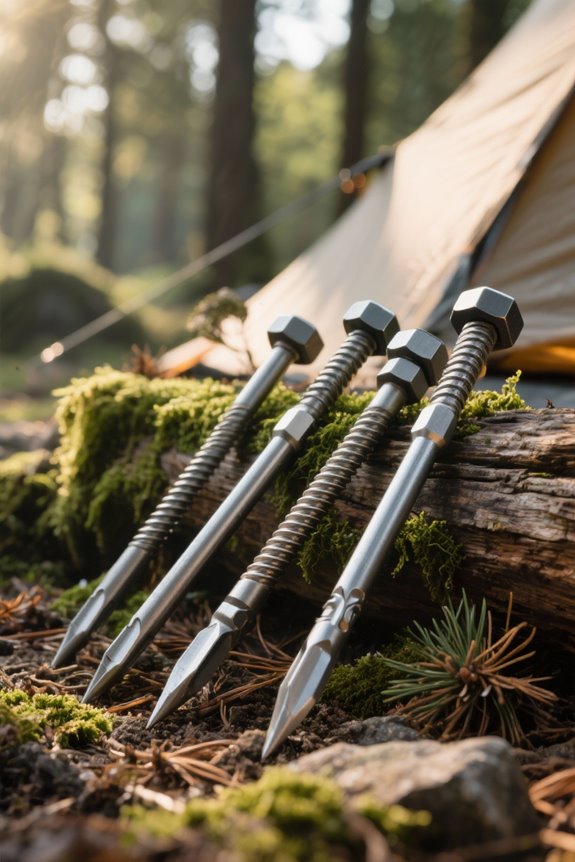
Selecting the right stakes for rocky or hard ground is essential for a successful tent setup, as improper choices can lead to instability. Here’s what we should consider:
Stake Material:
- Steel stakes: Best for durability; withstands hammering.
- Titanium stakes: Lightweight yet strong; ideal for backpackers.
- Aluminum stakes: Good strength-to-weight ratio; available in various lengths.
- Galvanized stakes: Reliable for all ground types.
Stake Design:
- Nail-style stakes: Effective for compact soil.
- Shepherds hook stakes: Ultralight but may struggle in rocky terrain.
- Longer stakes (8-10 inches): Provide better hold.
For extended camping trips where gear weight matters, consider that ultralight titanium stakes can weigh less than two ounces while maintaining the strength needed to secure your tent in challenging terrain, similar to how ultralight water bottles optimize pack weight for adventure seekers.
Recommended Products

ULTIMATE ANCHORING STRENGTH Constructed from heavy duty steel alloy with a 3/4 inch diameter; provides an ultra strong grip to secure commercial inflatables bounce houses and large event tents against harsh winds

Package Contents: you will receive 24 pieces of ground anchors screw in coming with 1 piece of power nut driver drill bit and 1 piece of T handle hex wrench, the sufficient quantity is enough to meet your daily use and replacement needs

Integrated biscuit scrapes stake free of dirt and mud.
Strategies for Wet or Muddy Ground Conditions

After guaranteeing our stakes are ready for rocky or hard ground, we should be prepared for the challenges posed by wet or muddy conditions. Here are some strategies to keep in mind:
- Site Selection: Opt for elevated, well-draining areas to prevent water buildup. Avoid low spots where mud collects.
- Tarp Placement: Lay a tarp beneath the tent, guaranteeing it fits tightly within the tent’s footprint to avoid funneling water inside.
- Ground Preparation: Remove debris and consider using protective mats for stability.
- Drainage Management: Dig shallow trenches uphill from the tent to direct water away, following the natural slope.
- Tent Setup: Stake the rainfly taut and ventilate the tent to reduce condensation.
- Bathtub Floor Design: Consider tents with raised edges that help keep moisture and mud from seeping in, providing an extra barrier against wet ground conditions.
Implementing these strategies can guarantee a dry, comfortable camping experience.
Recommended Products

【Camping And Farm Poly Tarps】TARPAL tarps are designed to be more suitable for outdoor use, more suitable for camping or farm use. Our tarps have excellent water resistance, can be covered over the tent, waterproof against rain, or spread under the body to protect against moisture; If you are a farmer, you can use the tarp to build an awning or shed for farm tools or livestock.

Sturdy Artificial Grass--The height of the artificial grass rug outdoor is 20MM(0.8 inch). 4 tones Synthetic grass looks and feels like real natural lawn, has excellent UV resistant, fireproof, waterproof, weather resistant.If turf roll grass pile be squashed . Don't worry, just need to reverse brush or be left for 3 days in sun to recover straight pile naturally.

☀【Multi-Function Rainfly】With high waterproof-rated Silver-coated fabric, the rainfly provides full protection to effectively block heavy rain and prevent moisture inside the tent, featuring stain-repellent properties for easy cleaning and maintenance. The silver coating helps reflect most UV rays, effectively reducing the interior temperature/ stuffiness of the Air tent, particularly suitable for summer use or in areas with intense sunlight, such as beach camping.
Managing Tent Setup in Windy Environments

When we’re camping in windy environments, we need to approach our tent setup with care to secure stability and safety. Here are some key strategies:
- Tent Orientation: Position the narrowest side of the tent into the wind. This reduces wind resistance and prevents potential damage.
- Windbreak Selection: Choose sites with natural windbreaks, like trees or hills, to shield from direct winds.
- Anchoring and Staking: Start staking on the windward side, using heavy-duty stakes at a 45-degree angle. Confirm all guy lines are taut to evenly distribute wind forces.
- Assembly Techniques: Set up tent poles first; it keeps the fabric controlled. Weigh the tent down with gear during setup.
- Pole Selection: Consider using adjustable aluminum tent poles that can extend up to 8 feet and support loads of 50 lbs, providing the extra stability needed in challenging wind conditions.
Setting Up Tents on Snow and Frozen Ground
Setting up a tent on snow or frozen ground can be a bit tricky, but with the right approach, we can secure a sturdy shelter against the elements. Here’s how to do it:
- Snow Surface Preparation: Start by selecting a level site. Consolidate the snow by stomping where the tent will go, preventing collapse and drafts.
- Stakes and Anchors: Use aluminum V-stakes for better penetration, or create deadman anchors. Bury rocks or skis horizontally in the snow, packing tightly around them for added stability.
- Guy Lines: Tie them around the deadman anchors or natural objects, ensuring they pull the tent taut. Regularly check the tension to maintain stability, especially as temperatures fluctuate.
- Additional Considerations: If you’re planning to cook inside or near your tent vestibule, a portable rocket stove can provide efficient heating while using natural fuel sources like wood or biomass, which are often more reliable than gas canisters in freezing temperatures.
Recommended Products

Model Number : SD-650

Large Capacity: This tent has a spacious 6 person capacity for accommodating groups.

Sleep & Gather: The Vault Dome Tent is a versatile camping tent experience with its spacious 4-person interior for three season reliability
Utilizing Ground Protection Methods
Utilizing ground protection methods is essential for ensuring our tents remain stable and dry, especially in challenging conditions. Here are some effective strategies:
- Ground Tarp: Choose a tarp that’s slightly smaller than the tent floor to prevent water pooling.
- Tent Footprints: Consider custom-fitted covers for excellent abrasion and puncture protection.
- Foam Pads: These add cushioning and safeguard against sharp objects in the soil.
- Placement: Position ground cloths inside to protect the tent floor and outside to shield against debris.
- Size Matters: Aim for your ground tarp to be about 6 inches larger than the tent, folding edges under.
- Repair Preparedness: Pack a waterproof adhesive repair kit to quickly fix any punctures or tears in your ground protection layers during your outdoor adventure.
The Importance of Proper Drainage
Proper drainage not only enhances our camping experience but also secures our safety and comfort during wet conditions. To guarantee effective drainage systems around our tent, we should consider the following:
- Site Selection: Choose elevated locations with natural slopes to promote water flow away from our tent.
- Trenching: Dig shallow ditches around the perimeter to channel water effectively.
- Berms and Tarps: Utilize small earthen ridges and install sloped rain tarps to block surface water.
- Groundsheet Protection: Use impermeable groundsheets to prevent moisture from the soil.
- Stable Platform: Setting up a roll-top camping table on level ground near your tent provides a raised, dry surface for gear and meals even when the surrounding area becomes wet.
Adjusting Guyline Tension for Stability
When we’re camping, adjusting guyline tension is key to keeping our tent stable and secure. Proper tension management helps distribute forces from wind and rain effectively. Here are some essential tips for guyline adjustments:
- Initial Setup: Stake all lines first, then return to each for tension.
- Optimal Angle: Keep guylines running straight to maximize force transfer.
- Tensioning Methods: Use tautline hitches for adjustable tension, or plastic tensioners for easier adjustments.
- Periodic Checks: Re-tension after weather changes or ground settling.
- Mindful Adjustments: Avoid over-tensioning; it’s about firmness, not rigidity.
Just as titanium camping mugs are designed to withstand extreme temperatures and conditions without warping, your tent’s guyline system must maintain consistent tension across varying weather conditions.
Choosing the Right Stake Type for Different Terrains
Choosing the right tent stakes is as important as adjusting guyline tension for keeping our shelter secure. Let’s consider how different stake materials and shapes affect our camping experience.
For Rocky or Hard Ground:
- Rock Stakes: Heavy-duty carbon steel, excellent penetration.
- Y-shaped Stakes: Durable, resistant to bending (e.g., MSR Groundhog).
- Core Stakes: 7075 aluminum, strong for hard surfaces.
For Soft Sand and Snow:
- Screw Stakes: Twisted design, prevents pullout.
- Blizzard Stakes: Long, broad surfaces, effective as side-buried anchors.
- V-shaped Stakes: Grip better in loose terrain due to their holes.
For Medium or Compact Soil:
- CarbonCore Stakes: Lightweight, high strength.
- Nail Stakes: Thin but less reliable.
- Shepherd’s Hook Stakes: Easy to install but weaker hold.
Just as tent stakes need to match ground conditions, sleeping bags require proper temperature ratings to ensure comfort and safety during your camping trip.
Recommended Products
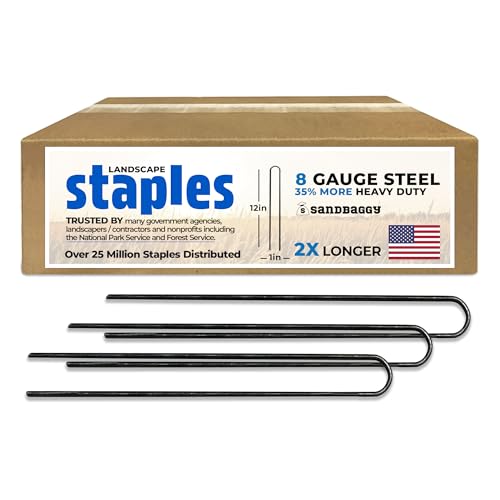
Proudly Made in the USA: Manufactured in America using superior steel and rigorous quality control, delivering professional-grade strength, consistency, and reliability.

11 x 22 NESO PARTY TENT (Aqua Fronds). Made for the outdoors, your Neso Party Tent weighs 23 lbs. It can easily be carried as a backpack. Use sand or rocks to stabilize on the beach and screw stakes and carabiner clips for off the beach.

HEAVY DUTY! Made from 1/2" diameter #4 Rebar, these rebar pins are suitable for use in tough rocky soil or compacted clay, providing dependable support in various soil types.
Ensuring Safety While Hammering Stakes
Guaranteeing our safety while hammering stakes is essential for a secure camping experience. To do this effectively, we should adopt proper hammering techniques paired with the right safety equipment:
- Gloves: Always wear gloves to protect our hands.
- Hammer Type: Use a soft rubber mallet or lightweight hammer to minimize damage to stakes.
- Finger Position: Keep fingers clear of the stake tops to prevent injuries.
When hammering:
- Strike gradually, maintaining consistent force and checking for stake alignment.
- Insert stakes at a 45-degree angle for better hold, making sure they penetrate the ground adequately.
- After setting each stake, conduct a firm pull test to guarantee stability.
Reducing Lawn Damage During Setup
Reducing lawn damage during tent setup is crucial for preserving the beauty and health of our outdoor spaces. Here are some key tips to keep in mind:
- Choose the right stakes that won’t harm the grass but resist strong winds.
- Minimize stake usage by opting for tents requiring fewer stakes, like frame tents.
- Use stake protectors to shield the turf from stake damage.
- Consider alternatives: sandbags or weights can replace stakes in many setups.
- Plan stake locations carefully to avoid crucial lawn areas.
For effective turf care, we can also utilize temporary flooring. FastDeck systems allow sunlight and airflow while protecting the grass. By following these tips, we not only maintain our lawns but guarantee enjoyable outdoor experiences.
Overcoming Challenges With Soft and Loose Soil
When we’re setting up tents on soft or loose soil, it’s essential to understand the unique challenges this type of terrain presents. Here are some effective strategies to take into account:
- Soil Assessment: Check how loose or soft the ground is before we start.
- Anchoring Methods:
- Use multiple stakes in a series to enhance holding power.
- Try deadman anchors by burying objects like sticks horizontally and attaching guylines.
- Employ rock stacking to add weight and surface area over buried anchors.
- Stakes: Opt for thick stakes that penetrate deep to resist uplift forces.
- Guylines: Keep them short to reduce leverage on stakes, and use low-stretch lines for better tension control.
Tips for Maximizing Tent Stability in Strong Winds
Setting up a tent in strong winds can be a formidable task, especially after dealing with the challenges posed by soft or loose soil. Here are some effective tips to maximize tent stability:
- Heavy-Duty Stakes: Use steel stakes at least 42″ long, inserted at a 45-degree angle toward the tent.
- Guy Lines: Secure multiple tie-outs to distribute wind loads evenly across the fabric.
- Tent Orientation: Face narrow edges into the wind and pitch the tent low to minimize wind resistance.
- Material Matters: Opt for strong fabrics (e.g., 1000 denier, 16 oz) and tents designed for wind resistance with double tube rafter poles.
- Inspection: Regularly check stakes and guy lines to maintain structural integrity against strong winds.
Following these guidelines helps guarantee we remain secure in our camping adventures!
Frequently Asked Questions
How Do I Find the Best Tent Location on Uneven Ground?
Finding the best tent location on uneven ground feels like a treasure hunt! We’ll embrace tent placement strategies, avoiding hazards and prioritizing comfort, all while evaluating uneven terrain considerations. Let’s pitch our way to adventure!
What Tools Are Essential for Setting up a Tent in Any Condition?
For effective tent setup, we’ll need essential tools like a mallet, multi-tool, and tent stakes. They help secure and stabilize our tent, ensuring a safe and enjoyable camping experience in any condition we face.
How Can I Prevent My Tent From Leaking in Wet Conditions?
To prevent leaks, we should focus on effective tent waterproofing techniques and properly follow rainfly installation tips, ensuring all seams are sealed and the rainfly is securely attached for ideal protection against moisture.
What Are the Signs of Poor Anchoring in Windy Weather?
In windy weather, we’ve noticed signs of poor anchoring like excessive tent movement and inadequate guy line tension. For better wind resistance, we should focus on effective anchor techniques to guarantee stability and prevent potential disaster.
Can I Set up a Tent on Sand Without Stakes?
Absolutely, we can set up a tent on sand without stakes. By utilizing sand tarp options and effective tent anchor techniques like deadman anchors or sandbags, we can guarantee a secure and stable setup.