As an Amazon Associate, we earn from qualifying purchases. Some links on this site are affiliate links at no extra cost to you. Our recommendations are based on thorough research and editorial judgment.


Tent Care and Maintenance: Extending Your Shelter’s Lifespan

To extend our tents’ lifespan, we need to prioritize proper care and maintenance. This includes:
- Immediate cleaning to prevent stains and mold.
- Using suitable products, like Nikwax for waterproofing.
- Gentle cleaning techniques, such as spot cleaning and soft brushes.
- Regular inspections to identify wear.
You may be interested



By following these guidelines, we can guarantee our shelters remain durable and reliable throughout our outdoor adventures. If we explore further, we’ll uncover more tips on effective tent management.
Key Takeaways
- Regularly clean your tent with mild soap to prevent mold buildup and maintain fabric integrity.
- Store tents in cool, dry, and well-ventilated areas to avoid moisture damage and UV exposure.
- Conduct routine inspections every 3-6 months to check for fabric wear and hardware condition.
- Apply waterproofing treatments and seam sealers before camping seasons to enhance water resistance.
- Use groundsheets and choose tent locations wisely to protect against debris and sap damage.
Importance of Immediate Cleaning
When we use our tents, it’s easy to overlook small messes, but immediate cleaning is essential. Addressing dirt and debris quickly offers us significant long-term benefits:
- Protects Fabric: Prompt removal of dirt prevents abrasion and wear on the tent fabric.
- Avoids Stains: Tackling fresh spills reduces the risk of permanent discoloration.
- Prevents Mold: Quick cleaning minimizes moisture, stopping mold and mildew growth.
- Saves Money: Timely attention avoids costly repairs or replacements down the line.
- Maintains Performance: Keeping coats intact enhances water resistance.
Regular inspection of tent poles is also crucial for identifying damage early, and having tent pole replacement kits on hand ensures you can address broken or lost poles before your next camping trip.
Choosing the Right Cleaning Products

After we’ve tackled immediate cleaning, it’s time to focus on the products we’ll use to maintain our tents. Choosing the right cleaning products is vital for longevity. Here are some recommended options:
- Nikwax Tech Wash: Gentle and effective for maintaining waterproofing.
- MiraZyme™: Perfect for eliminating mold and odors without damage.
- CELINA Mold Cleaner: Less harsh than bleach, yet effective on mildew.
For simpler cleaning, mild, fragrance-free dish soaps are good alternatives. We should prioritize eco-friendly options, avoiding bleach or harsh chemicals to protect our tents and the environment. Always remember to test any product on a small area first. By selecting the right cleaners, we’re ensuring our tents remain in top condition for many adventures ahead.
Recommended Products

PREMIUM QUALITY: Our Artificial Turf is made of premium synthetic material.UV proof, fire and corrosion resistant.Eco-friendly, safe for Kids and Pets.
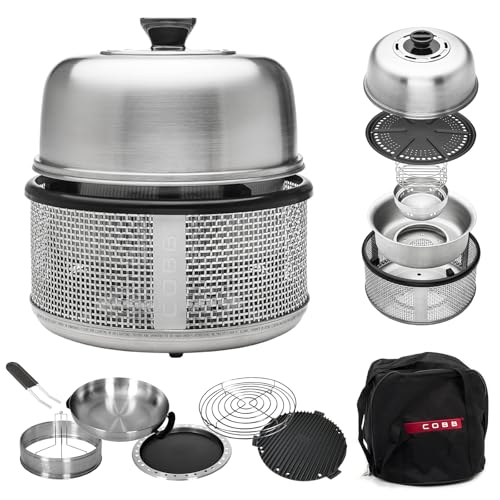
Touch-Safe & Table-Friendly: The double-walled stainless steel base locks heat inside while staying cool to the touch, and 3 rubber feet protect tables, boats, or grass from heat damage. Safely move this small charcoal grill portable mid-cook and enjoy worry-free outdoor cooking.

Everything you need to start directly into your camping adventure: BOXIO Wash, BOXIO Shower, BOXIO Beads, BOXIO Mirror
Techniques for Gentle Cleaning

To keep our tents in the best shape possible, we need to use gentle cleaning techniques that avoid damaging the fabric. Here are some effective methods we can employ:
- Spot Cleaning: For pine sap, use mineral oil or alcohol-based products, applying them carefully without over-scrubbing to minimize abrasion.
- Zipper Maintenance: Gently brush zippers with a soft toothbrush to remove dirt and debris, addressing stubborn areas with a bit of water before gentle agitation.
- Tent Fabric Care: Use non-abrasive sponges or soft brushes with warm water and mild soap. Avoid harsh detergents and scrubbing.
- Tent Poles: Wipe poles with a rag to keep them clean without risking damage.
- Seam Inspection: After cleaning, check for any wear on sealed seams and waterproof coatings to ensure your tent maintains its protective qualities.
Recommended Products

INCLUDES: The set includes 2 cots, 2 carry bags for hassle-free transport, 4 stack adapters (2 in each bag) for flexible configuration, and 2 locking straps (1 in each bag) for added security

Safely clean walls and furniture without harsh chemicals, including – Wallpaper, painted walls, lampshades, paintings, books, air vents, fan blades, auto interiors.

Will not scratch Paint like Mesh covered sponges.
Proper Rinsing Techniques

Gentle cleaning doesn’t end with washing; proper rinsing techniques are essential to confirm our tents maintain their integrity and performance. Here’s how we can confirm an effective rinse:
- Rinse Methods: Drain all soapy water before refilling with clean water. Submerge the tent and agitate gently to remove residues. Repeat until rinse water runs clear.
- Water Temperature: Always use lukewarm or cold water. Hot water can damage waterproof coatings and fabric fibers.
- Important Tips:
- Avoid pressure washers or harsh chemicals.
- Rinse zippers and poles thoroughly to eliminate dirt.
- Focus on seams and folds, where buildup occurs.
- Pay special attention to welded floors and seams, as these areas are critical for maintaining water resistance in cabin tents.
Air Drying Your Tent

Air drying your tent is an essential step in maintaining its longevity and performance. Here’s how we can reinforce effective drying:
- Shake Off Excess Moisture: Start by shaking the tent to remove water droplets.
- Position It Right: Place the tent in direct sunlight for ideal drying speed, but avoid prolonged exposure to prevent UV damage.
- Ventilation Techniques: Open doors and windows to enhance airflow, using fans if possible.
- Leave Pitched: Keep the tent pitched as long as we can; this maximizes wind exposure.
Keep in mind, the drying duration may vary based on the weather conditions. For complete drying, turn the tent inside out and check for damp spots regularly. Proper drying is especially important for waterproof materials like PVC, which require thorough drying to prevent deterioration and maintain their protective capabilities. This way, we can confidently reinforce it’s ready for the next adventure!
Ideal Storage Conditions
When we think about storing our tents, it’s essential to reflect on the environment it will be kept in. Here are some key points to note:
- Location: Choose a cool, dry, and well-ventilated space. Avoid attics, garages, and basements unless they meet these criteria.
- Storage Materials: Use breathable bags and avoid compression. Store poles separately to prevent damage.
- Temperature Control: Maintain consistent temperatures, avoiding areas with extreme heat.
- Protection: Keep tents off the ground on raised platforms or shelves to reduce moisture exposure.
- Seam Maintenance: Before long-term storage, inspect and apply tent seam sealer to any vulnerable areas to prevent leaks when you’re ready for your next adventure.
Avoiding Long-Term Compression
After ensuring our tents are stored in ideal conditions, we need to pay attention to how we pack them. Improper packing can lead to compression risks that shorten our tent’s lifespan. To avoid issues, consider these tips for optimal packing:
- Limit compression: Store tents in compression sacks for no more than 2-3 days.
- Use oversized sacks: They help prevent over-compression and protect fabric.
- Gentle compression: Cinch straps loosely to reduce stress on materials.
- Avoid sharp folds: Combine rolling with folding to minimize creases.
- Separate poles: Never store tent poles compressed; this maintains overall tent integrity.
Similar principles apply when selecting storage solutions for your backpacking gear, where compression straps assist in load management while preventing damage to essential equipment.
The Significance of Regular Inspections
Regular inspections are essential for maintaining the integrity and longevity of our tents. To effectively extend their lifespan, we should establish a routine based on inspection frequency. Here’s a maintenance checklist we can follow:
- Visual Examination: Check the tent frame, poles, and connections for any damage.
- Load Points: Confirm that tension rods and stakes are secure and intact.
- Fabric Condition: Look for any tears, discoloration, or seam separation in the fabric.
- Setup Compliance: Make certain the tent is properly aligned and anchored.
Pay special attention to waterproof ratings, as tents typically feature coatings ranging from 1500 mm to 8000 mm that can degrade over time with exposure to UV rays and repeated use.
Seam and Fabric Waterproofing Maintenance
Maintaining the waterproofing of our tent seams and fabric is essential for a dry and comfortable camping experience. Here’s how we can guarantee our shelter stays watertight:
Seam Sealing:
- Regularly inspect seams for peeling or damage.
- Remove old tape residue, then carefully apply new seam sealer, following manufacturer guidelines.
Coating Reapplication:
- Clean the tent fabric thoroughly to remove dirt and old coatings.
- Reapply polyurethane (PU) coatings in thin layers, allowing them to dry completely.
Additional Tips:
- Use seam sealers and coatings compatible with our tent fabric.
- Give products 24 hours to cure in a ventilated space before using.
- Just as camping coffee pots made from food-grade stainless steel resist corrosion and maintain their integrity outdoors, quality waterproofing products should be selected for their durability and resistance to environmental degradation.
Recommended Products

STANDARD FEATURES: Canvas Alpha Wall Tent includes the complete tent with aluminum frame, rafter angle kits and free-floating PVC floor, NO NEED TO BUY THEM SEPARATELY! Basic features include the stove jack with flap, durable 3-layer large triangular windows, zippered door with storm flap, mesh, sod cloth and all standard essentials packed in a waterproof tent bag for easy transport and storage
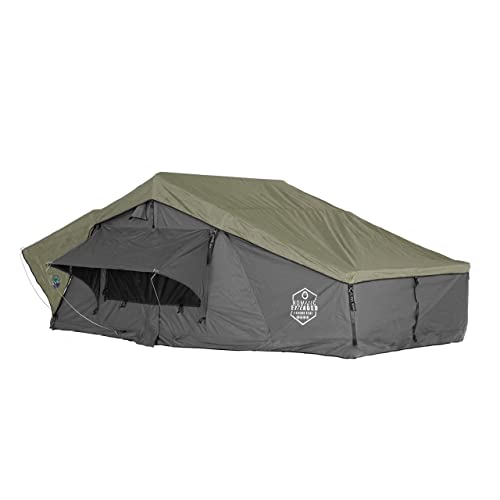
Features: Marine Grade 600D Rip-Stop Polyester Cotton Canvas Water Proof Body, 420D Polyester Oxford Waterproof Rain Fly, 110g Fade-less Gaze Breathable Windows, 3" High Density Foam Mattress with Quilted Cotton Cover, Insulated Base, Marine Grade Stainless Steel Hardware, 1000g Transportation Cover, Tubular Telescoping Ladder, Six Built In Storage Pockets, Storage Loft, Power Bank Pouch, Hand Held LED Light, LED Velcro Strip

【Spacious Home for Family & Groups】Planning a weekend at the national park or with friends? DRACO becomes a true home outdoors with a flexible T-shaped divider. The main curtain separates a private sleeping wing from an open living area. Inside the sleeping wing, an extra divider creates two bedrooms or opens into one large sleep space. Use the living area for dining, games, or relaxing. Close curtains for privacy at night, and change the setup anytime to fit your group.
Addressing Common Tent Repairs
When it comes to camping, a well-maintained tent can be our best friend in the great outdoors. Addressing common tent repairs helps guarantee our shelter lasts. Here’s how we can handle essential repairs:
- Tent Patching: For small holes, use adhesive repair tape with at least one inch overlap. Larger tears require sewing with waxed thread, followed by waterproof patches.
- Pole Repairs: Broken poles can be splinted with a pole sleeve and duct tape. Make certain to straighten bent sections gently first.
Regularly inspect our tent’s poles and seams before trips. This way, we can prevent potential failures in the field. Remember, carrying a multipurpose repair kit can make all the difference during our outdoor adventures. Consider storing repair supplies in a tactical backpack alongside your camping gear for quick access when needed.
Recommended Products
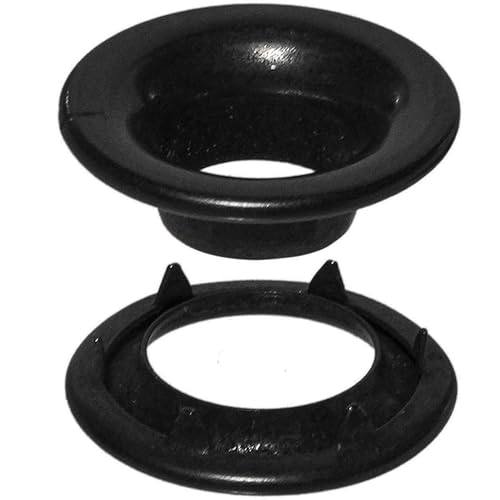
DIMENSIONS IN INCHES: Hole Size: 1-3/32 Flange Diameter: 1.865 Length Under Flange: .465 Metal Thickness: .025 Inside Diameter: 1.195 Outside Diameter: 1.910 Metal Thickness: .020

DIMENSIONS IN INCHES: Hole Size: 5/16 Flange Diameter: .630 Length Under Flange: .200 Metal Thickness: .015 Inside Diameter: .400 Outside Diameter: .655 Metal Thickness: .011
DIMENSIONS IN INCHES: Hole Size: 7/16 Flange Diameter: .970 Length Under Flange: .185 Metal Thickness: .015 Inside Diameter: .546 Outside Diameter: .970 Metal Thickness: .011
Smart Usage Practices for Longevity
To guarantee our tent stands the test of time, practicing smart usage techniques is essential. Here are key practices for longevity:
- Choose the right tent location: Avoid pitching under trees to prevent sap and debris damage. Look for level ground to reduce tension on fabrics.
- Follow camping etiquette: Respect site guidelines and minimize disturbance to the local environment.
- Use groundsheets: Place these under your tent to protect against moisture and abrasions.
- Avoid prolonged exposure: Keep the tent out of harsh sunlight and extreme weather.
- Promptly take down: Don’t leave the tent set up for extended periods, as this increases wear.
- Secure proper ventilation: Manage steam and condensation by ensuring adequate airflow, which helps prevent moisture damage and extends the life of your tent’s materials.
Environmental Considerations in Tent Care
Environmental considerations play an essential role in tent care, as various factors can greatly impact the longevity and performance of our gear. Here’s what we should keep in mind:
- Humidity Control: High moisture levels lead to mold and corrosion. Always dry tents thoroughly before packing, and consider using moisture removers in storage.
- UV Protection: Prolonged sun exposure weakens materials and fades colors. Store tents in shaded, cool areas to minimize UV damage and avoid basements or attics where temperatures can fluctuate.
- Cleaning: Regularly remove dirt and contaminants using soft brushes. Harsh chemicals can weaken fabric integrity.
Seasonal Maintenance Routines
As we care for our tents throughout the year, implementing seasonal maintenance routines is key for ensuring their longevity and performance. Here’s a quick maintenance schedule we can follow:
- Every 3-6 months: Conduct seasonal inspections for fabric wear and hardware condition.
- Post-trip care: Clean fabric with mild soap to prevent mold.
- Spring deep clean: Vacuum and wipe surfaces thoroughly.
- Waterproofing: Reapply treatments before season use and check seams.
- Monthly checks: Inspect frame joints and hardware for wear.
- Storage: Always pack and store tents dry to prevent damage.
Recommended Products

All-Weather Durability:Experience year-round enjoyment in your outdoor space with Kullavik's robust iron and aluminum construction, finished with a weather-resistant spray. The durable design stands up to wind, rain, and sun, ensuring your investment lasts season after season
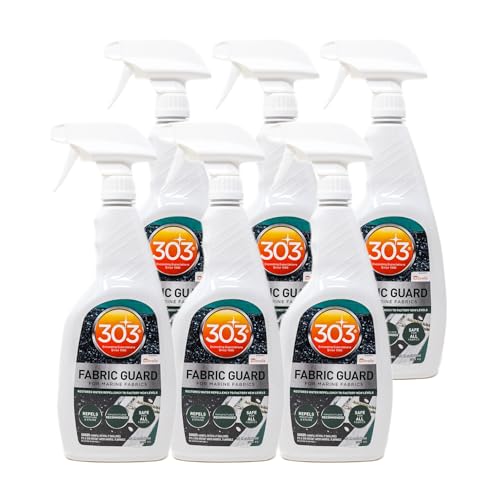
WATER REPELLENCY: Recommended by Sunbrella, a leading outdoor fabric manufacturer, 303 Marine Fabric Guard restores waterproof fabric to factory new levels when applied to clean & dry fabrics while also defending against spills.
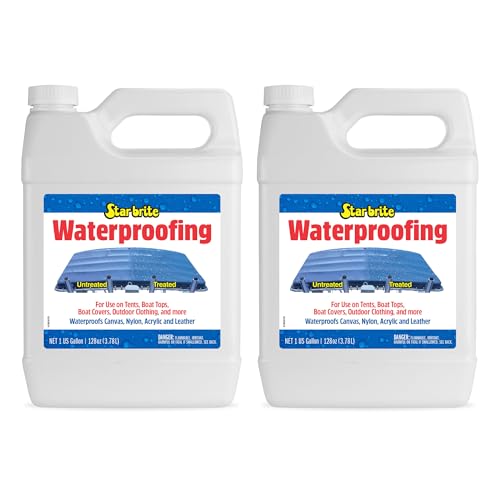
ULTIMATE PROTECTION FOR OUTDOOR FABRICS: Marine-grade protection for boat covers, car covers, bimini tops, sail covers, tents, jackets, backpacks, boots, awnings, and patio covers
Frequently Asked Questions
How Often Should I Clean My Tent After Camping Trips?
Think of our tent as a trusty companion—it deserves care. We should clean our tent frequency-wise after every muddy trip or at least once each season. Post-trip maintenance keeps it ready for our next adventure!
Can I Machine Wash My Tent for Cleaning?
We can’t recommend machine washing our tents due to potential damage. Instead, let’s explore safer tent cleaning techniques, like hand washing or spot cleaning, to protect our gear and extend its lifespan effectively.
What Signs Indicate My Tent Fabric Needs Waterproofing?
We can tell our tent fabric needs waterproofing when we notice leaks, damp spots, or dullness. Using waterproofing methods like sprays or sealants can restore its effectiveness and keep us dry during our adventures.
How Long Can I Store My Tent Without Using It?
We can store our tent for multiple years without use, especially if we follow proper tent storage duration and techniques. This way, we’ll effectively work towards tent lifespan extension, ensuring it remains functional when needed.
What Materials Should I Avoid When Repairing My Tent?
When repairing our tent, we should avoid low-quality fabric types, plastic injected zippers, and poorly sealed patches. Sticking to reliable patching methods guarantees longevity and keeps our shelter safe from leaks and damage.