As an Amazon Associate, we earn from qualifying purchases. Some links on this site are affiliate links at no extra cost to you. Our recommendations are based on thorough research and editorial judgment.

How to Read Tent Specifications and Features

When we want to read tent specifications, we should focus on several key features:
- Capacity: Check square footage per person.
- Design: Know the difference between pole, frame, and clearspan tents.
- Materials: Look for durable, waterproof options.
- Weather Ratings: Understand season suitability and rain protection.
You may be interested


By identifying these specific aspects, we guarantee we’re choosing the right tent for our needs. And as we explore further, we can uncover even more insights on choosing the perfect shelter.
Key Takeaways
- Understand tent capacity by checking square footage per person; different setups require different allocations (e.g., cocktail vs. seated dinner).
- Familiarize yourself with tent types (e.g., pole, frame, clearspan) to determine which structure suits your needs and environment.
- Evaluate materials used; look for higher denier ratings and waterproof, UV-resistant coatings for durability and weather resistance.
- Check for seasonal ratings, including whether the tent is 3-season, 4-season, or extended for suitable usage throughout different weather conditions.
- Note additional features like vestibule space, multiple doors, and setup efficiency to match the tent’s functionality to your camping preferences.
Understanding Tent Capacity
When planning an event, understanding tent capacity is crucial for ensuring everyone has a comfortable experience. Let’s break it down:
- Tent Sizing: Capacity depends on the setup—cocktail events need about 8–10 sq. ft. per person, while seated dinners require 12–15 sq. ft.
- Guest Comfort: A full 40×100 tent can house up to 300 guests seated, but we should avoid pushing these limits. More space equals better comfort.
- Consider Extras: Food stations, dance floors, and bars take up room. We should factor these into our total area for ideal guest comfort.
When selecting a tent, it’s essential to balance maximum capacity with the actual space we need for our guests to enjoy the event fully. Just as weight distribution is critical in backpack design for comfort during outdoor activities, proper spacing in tents ensures guests can move freely and comfortably throughout the event.
Exploring Tent Design & Structure

Choosing the right tent design and structure can greatly enhance our event experience, often influencing both functionality and aesthetics. Here’s a breakdown of different types:
- Pole Tents: Require staking, have center poles that reduce usable area.
- Frame Tents: No interior poles, ideal for various surfaces, easy to set up.
- Clearspan Tents: Provide vast, column-free interiors, perfect for large events.
- Tensile Tents: Use tensioned fabric for a modern look and structural integrity.
- Dome Tents: Offer iconic aesthetics with strong resistance to wind and rain.
- Hub Tents: Feature a unique hub design that enables rapid setup in approximately 90 seconds, eliminating loose parts for efficient assembly.
Each design has unique advantages, suitable for different purposes. Balancing tent aesthetics with structural integrity guarantees we create a memorable space tailored to our event’s needs. Understanding these options helps us make more informed decisions.
Evaluating Tent Materials & Durability

Evaluating tent materials and durability is essential to guarantee we select the best option for our needs, especially when assessing the factors that affect performance. Here are key aspects to contemplate:
- Material Types:
- *Canvas*: Breathable and durable, great for family camping.
- *Polyester*: Lightweight and affordable, perfect for casual use.
- *Nylon*: Strong yet lightweight, excellent for backpacking.
- *Dyneema/Cuben Fiber*: Very strong and waterproof, but pricey.
- Durability Factors:
- *Denier Rating*: Higher means more durability.
- *Tent Coatings*: Look for waterproof and UV-resistant options.
- *Maintenance*: Regular treatments can enhance longevity.
- Pole Materials:
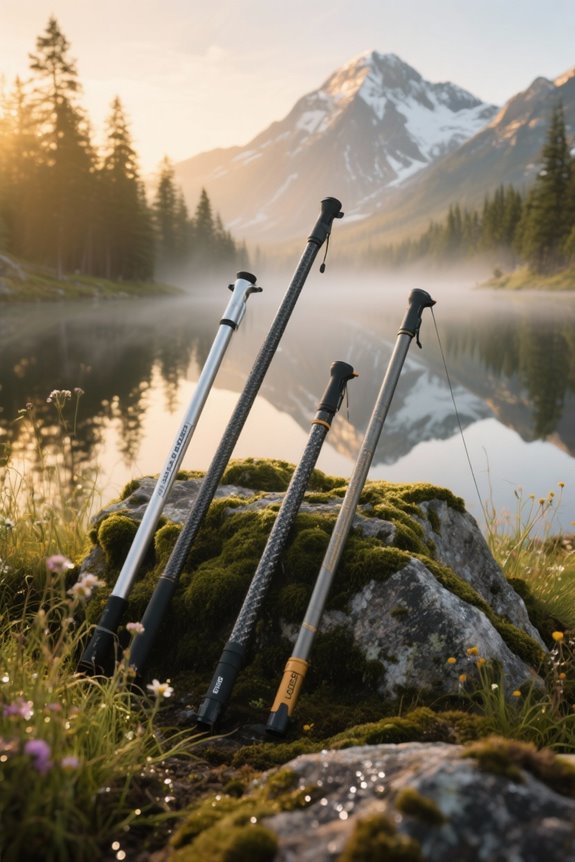
- When comparing tent pole options, carbon fiber tent poles offer 200% more durability and resistance to deformation than aluminum, with stiffness that’s 80% higher, making them an excellent choice for harsh conditions despite their higher cost.
Understanding these elements helps us evaluate fabric blends, ensuring our chosen tent meets our needs for durability and performance.
Recommended Products

MATERIAL: Performance cotton-polyester blend canvas, using BCI cotton and recycled pet bottle poly fiber

STANDARD FEATURES: Canvas Alpha Wall Tent includes the complete tent with aluminum frame, rafter angle kits and free-floating PVC floor, NO NEED TO BUY THEM SEPARATELY! Basic features include the stove jack with flap, durable 3-layer large triangular windows, zippered door with storm flap, mesh, sod cloth and all standard essentials packed in a waterproof tent bag for easy transport and storage

The Mamba III is the best in class all Aluminum-Bodied Hard Side Roof Top Tent with more standard included options. The Mamba III has a Set Up and Put Away time of less than a minute. For Set Up: Unlock two latches, pull down your ladder and insert 2 window rods. Reverse the process for Put Away.
Assessing Weather & Seasonality Features

After we’ve looked at tent materials and durability, the next factor that can really influence our camping experience is how well a tent handles various weather conditions and seasonal changes. Here’s what to contemplate:
- 3-Season Tents: Perfect for spring to autumn, but not winter.
- Extended Season Tents: Stronger, for early spring and late fall.
- 4-Season Tents: Built for harsh winter, can handle snow and strong winds.
When evaluating weather features, focus on:
- Rain Protection: Full rainflies are best.
- Waterproof Ratings: Higher millimeters mean better resistance.
- Ventilation: Mesh panels improve airflow.
Look for tents with a minimum waterproof rating of 1500 mm, though models with 2000+ mm to 3000 mm ratings offer superior protection against heavy rain and wet conditions.
Recommended Products

TRUE 4-SEASON DOUBLE-LAYER HOT TENT - Hexagon uses a tent-within-a-tent design with a separate outer shell and inner tent divided by an insulating air gap to help reduce direct cold transfer in winter, manage condensation in wet weather, and reduce direct heat buildup in warm and hot weather.

Patented Raised Roof & 15‑Second Setup: No complex pole assembly for daily use—just pull the ladder to open or close the tent (Poles are included only for the rainfly in high winds). The patented elevated hard shell gives you extra headroom and a spacious interior—sit up and move around comfortably

DYNADUCK fabric, with 10.10 oz army duck cotton canvas and a water repellent
Weight, Pack Size & Portability Considerations

When it comes to camping, weight, pack size, and portability are often top of mind, especially for backpackers. Here’s what we need to evaluate:
- Packed Weight: This includes everything—a tent body, rain fly, poles, and more. It’s the most realistic weight we’ll carry.
- Trail Weight: Often just the tent body, rain fly, and poles, but beware; it might not count essential items like stakes.
- Tent Dimensions: Smaller tents pack tighter, making them easier to carry, but we should balance size with livability.
- Weight Distribution: Choose lighter stakes and guy lines to trim ounces while ensuring secure pitching.
- Ultralight Options: For solo backpackers prioritizing minimal weight, some tents weigh as little as 0.66 kg, offering exceptional portability without sacrificing essential weather protection.
Recommended Products

The design allows for high volume pole architecture resulting in steeper walls

High-performance, high-strength OSMO poly-nylon ripstop fabric has 4x better water repellency and 3x less stretch when wet. OSMO fabric is made from 100% recycled yarns that are PFAS-free and meet flame retardancy standards without the use of added chemicals.

Revolutionary Fabric Technology - Experience superior HyperBead technology across our ultralight tent line. This proprietary waterproof tent fabric outperforms traditional materials without added chemicals. The breathable combination of solution-dyed nylon ripstop and polyester mesh is engineered for lasting performance whether you choose a 2 person tent or larger family camping tent
Analyzing Livability & Usability Features
Understanding livability and usability features can make a big difference in our overall camping experience. Here’s what we should consider:
- Interior Space: Look for cabin-style tents with vertical walls to maximize headroom. Guarantee the usable floor area meets our needs.
- Organizational Features: Check for interior mesh pockets and overhead gear lofts to keep essentials handy and maintain floor space.
- Door Accessibility: Multiple doors are ideal. They provide easier access and minimize disturbances, especially with several campers.
- Environmental Comfort: Consider window size for light and ventilation options. Closable mesh panels help control bugs and regulate temperature.
- Setup Efficiency: Evaluate the tent’s setup time, as some models offer quick assembly in under 3 minutes while others feature instant pop-up designs that eliminate the traditional pitching process entirely.
The Importance of Ventilation in Tents
Ventilation in tents plays an essential role in guaranteeing a comfortable camping experience. Understanding the ventilation benefits is imperative for our health and comfort. Here are a few reasons why proper airflow management is critical:
- Fresh Air Supply: Ventilation prevents stale air and guarantees we breathe in clean oxygen.
- Humidity Control: It helps manage moisture, reducing condensation and preventing damage to gear.
- Odor Reduction: Good airflow dissipates unwanted smells from cooking or wet gear.
- Mold Prevention: Continuous airflow helps stop mold and mildew before they can affect our health.
Many four-season tents incorporate mesh fabrics and multiple windows to enhance ventilation and moisture control, ensuring optimal breathability even in humid conditions.
Identifying Different Tent Types
After ensuring proper ventilation in our tents for a comfortable camping experience, it’s time to explore the various types of tents available. Understanding tent shapes and styles can help us choose the best option for our needs:
- Dome Tents: Easy to set up, stable in wind, great for families.
- A-Frame Tents: Lightweight with a classic triangular shape, good for soft ground.
- Tunnel Tents: Spacious and well-structured, ideal for group camping.
- Cabin-Style Tents: Tall with vertical walls, maximizing interior space.
- Wall Tents: Robust for rugged conditions, suitable for long-term stays.
Each style offers unique features, so let’s consider our camping purpose and environment when making our choice. For those seeking quick deployment, instant cabin tents can set up in as little as 60 seconds to 2 minutes, making them excellent choices for spontaneous trips or when we need shelter fast. By recognizing these differences, we can find the perfect tent for our next adventure.
Recommended Products

POP-UP PARTY: Instantly create a 23' x 23' x 13.12' nightclub for birthdays, weddings, and corporate events; provides a stylish, comfortable space for guests.

Model Number : SD-650

PALACE-LIKE SPACE & UNMATCHED COMFORT: Experience the ultimate "From Home to Nature" luxury. With a massive 22FT (6.7M) diameter, this glamping tent boasts an expansive 2.5x4m central living room and side bedroom that comfortably accommodate 10-12 people. We revolutionized the classic bell tent design by raising the side walls to 29.5 inches (75cm) and the door height to 76.7 inches (195cm), completely eliminating the cramped feeling and allowing unhindered, upright movement throughout the cabin
Recognizing Stability and Setup Factors
When we choose a tent for our outdoor adventures, we can’t overlook the importance of structural stability and proper setup. Here are some key factors to reflect upon:
- Tent Design: Geodesic and dome tents offer better wind resistance due to their shape.
- Anchoring Systems: Understanding how to use different anchoring methods can make a big difference:
- Stakes: Great for soft ground.
- Weights: Perfect for hard surfaces.
- Guy Ropes: Essential for enhancing stability in strong winds.
- Ground Type: Always match your setup method to the surface.
- Structural Features: Heavier materials and design elements can improve stability.
- Setup Efficiency: Look for tents with color-coded poles that simplify assembly, allowing beginners to set up camp in under 10 minutes.
Choosing the Right Tent for Your Needs
How do we guarantee we’ve chosen the right tent for our outdoor adventures? It starts with matching our camping preferences to the tent features available.
- Dome tents are great for stability and budget-friendly options.
- Cabin tents offer headroom but are heavy for backpacking.
- Tunnel tents provide easy setup but need staking for winds.
- Instant tents pop up quickly for car camping, while backpacking tents prioritize weight.
Size matters, too. Consider peak height for comfort, floor length for legroom, and vestibule space for gear storage. Don’t forget the number of doors for easy access! Just as trekking poles enhance stability on uneven terrain with adjustable heights and ergonomic grips, selecting the right tent features ensures comfort and functionality for your specific outdoor needs. By clearly identifying our needs, we can confidently select the perfect tent for unforgettable outdoor experiences.
Recommended Products

Compact Inflatable Canvas Tent for 2–4 People: RBM Outdoors Panda Air Medium is a compact air beam camping tent designed for comfortable trips for 2–4 people. The interior fits sleeping bags and essential gear while remaining easy to transport and ideal for road trips, weekend camping, and relaxed glamping.

✔UPGRADE FEATURES:Upgraded detachable 1 TPU door and 4 TPU windows,it can replace mesh windows with clear PVC windows for better light and brighter inside the tent, greatly improved functionality. Large tent with viewing window for improved breathability ,and stove jack hole on the tent top for easy heating with wood burned stove.This inflatable tent has 2 doors for easy entry and exit,to increase airflow mobility to keep you relaxing and comfortable

Exceptional all-season performance: The 2- and 3-person Allak models are incredibly strong, fully freestanding dome tents with two roomy vestibules. They offer generous space, excellent comfort and easy pitching in any terrain, and perform equally well in fair weather as in rough conditions with high winds or heavy snow.
Frequently Asked Questions
What Accessories Are Essential for Tent Setup and Maintenance?
When we commence our camping adventures, essential accessories like sturdy tent stakes and a reliable ground tarp become our steadfast allies, ensuring our shelter stands firm while protecting our comfort beneath nature’s embrace.
How Do I Repair a Tear in My Tent?
To repair a tear in our tent, we can use tent patching techniques like the sew-and-glue method or repair tape. Choosing appropriate fabric repair options guarantees durability and keeps our tent safe for future adventures.
What’s the Best Way to Clean My Tent?
When it comes to cleaning our tent, we should avoid cutting corners. Using appropriate cleaning agents like technical fabric wash and mild soap preserves tent materials. Spot clean stubborn stains, and always rinse thoroughly before drying.
Can I Use My Tent in Winter Conditions?
Yes, we can use our tent in winter conditions, but it’s essential to choose a suitable winter tent designed for cold weather. It should provide insulation, ventilation, and durability to withstand harsh elements effectively.
How Do I Choose a Tent Based on My Camping Style?
Choosing a tent’s like searching for the Holy Grail! For backpacking, we need lightweight options, while for family camping, let’s prioritize spaciousness. Balancing comfort and portability will elevate our outdoor adventures to legendary status!