As an Amazon Associate, we earn from qualifying purchases. Some links on this site are affiliate links at no extra cost to you. Our recommendations are based on thorough research and editorial judgment.

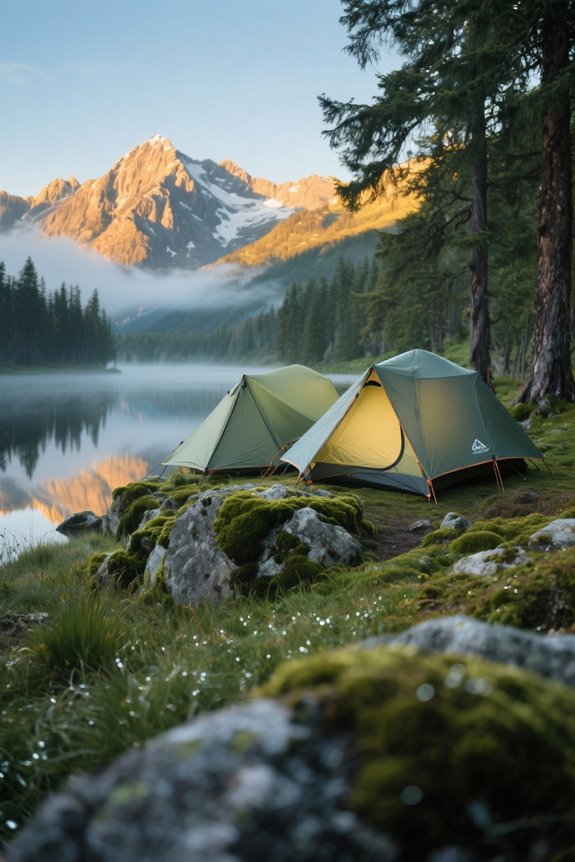
Single Wall vs. Double Wall Tents: Pros and Cons Explained

When we compare single-wall and double-wall tents, we notice some key differences. Here’s a quick breakdown:
- Single-wall tents are lighter and pack smaller, great for ultralight backpacking.
- Double-wall tents offer better moisture management and durability, thanks to their two-layer design.
You may be interested


For climates with high humidity or rain, double-wall tents are best. In contrast, single-wall tents excel in dry conditions. Let’s explore more details to help find the right tent for our needs.
Key Takeaways
- Single-wall tents are lighter and ideal for ultralight backpacking, while double-wall tents offer better moisture management and durability.
- Double-wall tents feature superior rain protection and temperature regulation, making them suited for humid and wet environments.
- Single-wall tents are quicker to set up, but double-wall tents provide better airflow, reducing condensation during use.
- For longer trips needing more internal space and gear storage, double-wall tents are preferable over single-wall options.
- Your tent choice should be based on expected weather conditions and personal preferences, balancing lightweight convenience with comfort and protection.
Construction and Design Differences
When choosing between single-wall and double-wall tents, understanding their construction and design differences is essential for making an informed decision.
Key Differences:
- Fabric Layers:
- Single-wall: One layer of fabric, quick setup.
- Double-wall: Two layers—rainfly and an inner tent.
- Inner Space:
- Double-wall tents offer organized inner space with compartments.
- Moisture Management:
- Single-wall tents rely on a single waterproof layer.
- Double-wall tents improve air circulation, reducing condensation and keeping the inner tent dry.
- Durability:
- Double-wall tents often outlast their single-wall counterparts due to the extra fabric.
- Many double-layer designs incorporate mesh fabrics and multiple windows to enhance ventilation and moisture control throughout the tent.
Recommended Products

SHARP AND STURDY: These heavy-duty, solid tent stakes are suitable for many kinds of soil, asphalt, and even concrete with proper drilling. The tips of the spikes are sharp and can penetrate the lawn base (grass, sand, clay, etc. ) easily and stay in place. They are easy to use & durable enough without bending.

STANDARD FEATURES: Canvas Alpha Wall Tent includes the complete tent with aluminum frame, rafter angle kits and free-floating PVC floor, NO NEED TO BUY THEM SEPARATELY! Basic features include the stove jack with flap, durable 3-layer large triangular windows, zippered door with storm flap, mesh, sod cloth and all standard essentials packed in a waterproof tent bag for easy transport and storage

TRUE 4-SEASON DOUBLE-LAYER HOT TENT - Hexagon uses a tent-within-a-tent design with a separate outer shell and inner tent divided by an insulating air gap to help reduce direct cold transfer in winter, manage condensation in wet weather, and reduce direct heat buildup in warm and hot weather.
Weight and Packability

Weight and packability are essential factors to reflect on in our tent selection process. Here’s a breakdown of each option:
Recommended Products

Exceptional all-season performance: The 1-person Soulo tent is an extremely strong, robust, and fully freestanding dome tent with one integrated vestibule. Its rugged strength, compact footprint, and excellent comfort make it a great tent for the most challenging conditions, and it performs equally well year-round, in both fair and rough weather with high winds or heavy snow.

Revolutionary Fabric Technology - Experience superior HyperBead technology across our ultralight tent line. This proprietary waterproof tent fabric outperforms traditional materials without added chemicals. The breathable combination of solution-dyed nylon ripstop and polyester mesh is engineered for lasting performance whether you choose a 2 person tent or larger family camping tent

External pole structure allows for completely external setup, saving valuable time in extreme conditions.
Single-Wall Tents:
- Pack Weight: Lighter due to a single fabric layer.
- Compact Design: Packs small and efficiently, ideal for backpackers.
- Efficient Packing: Fewer components mean faster setup and breakdown.
Double-Wall Tents:
- Pack Weight: Heavier due to extra layers and components.
- Compact Design: While some ultralight models are available, they still take up more space.
- Additional Components: Tent poles and vestibules can add bulk and required care during packing.
For reference, ultralight backpacking tents can weigh as little as 2.8 lbs, with compact packed dimensions around 15.7 inches by 4.7 inches, making them highly portable for 3-season backpacking trips.
Breathability and Condensation

Breathability and condensation are crucial factors to contemplate before we commit to a tent option.
- Single-Wall Tents:
- Combine waterproof layers, resulting in limited breathability.
- Higher condensation levels appear inside, affecting comfort.
- Double-Wall Tents:
- Separate layers enhance airflow and moisture control.
- Breathable inner tents allow vapor escape, directing condensation to the outer fly.
- Multiple doors promote better ventilation.
Though advanced fabric technology can improve single-wall tent performance, they still typically experience more condensation. On the other hand, double-wall tents manage moisture effectively, keeping our gear dry.
When evaluating tents, consider that models with waterproof ratings between 3000mm to 5000mm provide excellent protection against heavy rain while managing internal moisture levels.
Ultimately, understanding these differences guarantees we can choose the best tent, enhancing our outdoor experiences and comfort under various conditions.
Weather Protection and Suitability
Understanding how our tent choice aligns with varying weather conditions is key to having a comfortable outdoor experience.
Weather Protection
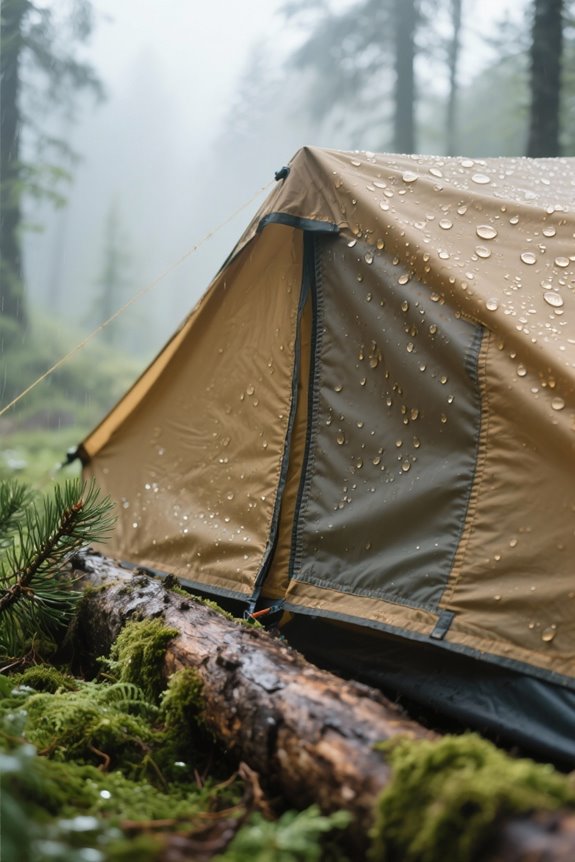
- Double-wall tents offer superior rain protection through their two-layer design, reducing leakage risks.
- They typically feature factory seam-taped construction, enhancing reliability.
- MSR tents provide water resistance ratings between 1,200-3,000mm, ensuring excellent moisture protection in challenging conditions.
Climate Adaptability
- They work well across diverse climates, managing temperatures effectively and reducing condensation.
- Single-wall tents excel in dry, cold conditions but struggle with internal moisture in humidity.
Key Considerations
- In heavy rain, double-wall tents provide better gear protection with vestibules.
- For colder environments, double-wall tents excel in managing condensation and drafts, making them more comfortable overall.
Recommended Products

Durable Polypropylene Material: Made from heavy duty polypropylene material for long lasting use.

Size: 12' x 18' gazebo with 36 bulbs outdoor hanging lights for 72 ft.

Ideal Space: This Domi outdoor gazebo roof measures 18' L X 12' W x 10.1' H and it provide 216 square feet, which becomes a perfect choice for outdoor barbecue,party or daily relaxation with your family and friends.What’s more,you can use it as an outdoor parlor or even a parking shed for your car.
Setup Complexity and User Considerations

When we set out on our adventures, the tents we choose can markedly influence our camping experience, especially regarding setup complexity. Here’s a breakdown:
- Single-Wall Tents:
- Simpler and faster to pitch.
- Ideal for rainy weather since it’s all one unit.
- Often uses trekking poles, saving bulk.
- Double-Wall Tents:
- Requires more components and time for setup.
- Separate rainfly and inner tent can be cumbersome.
- Offers better ventilation and moisture management.
- Typically includes accessory features like insect netting.
User preferences play a significant role in choosing between the two based on terrain, conditions, and camping style. For those prioritizing speed, some modern tents feature preattached poles and color-coded components that can reduce assembly time to just 1-5 minutes. Ultimately, knowing what suits our needs best can enhance our outdoor experience remarkably.
Cost and Durability
Cost and durability are essential factors we need to take into account when choosing between single-wall and double-wall tents.
- Cost Efficiency:
- Single-wall tents are cheaper upfront but may need replacement sooner.
- Double-wall tents cost more initially but can save money over time due to their longer lifespan.
- Lifespan Comparison:
- Double-wall tents often feature better materials and designs, making them more resistant to harsh conditions.
- They manage condensation effectively, reducing maintenance and potential water damage.
- Quality materials like high-density nylon or ripstop fabric enhance tent longevity and provide superior resistance to tears and abrasion in challenging outdoor conditions.
Recommended Products

Modified Item:No, Non-Domestic Product:No

POP-UP PARTY: Instantly create a 26.25' x 26.25' x 16.5' nightclub for birthdays, weddings, and corporate events; provides a stylish, comfortable space for guests.

PALACE-LIKE SPACE & UNMATCHED COMFORT: Experience the ultimate "From Home to Nature" luxury. With a massive 22FT (6.7M) diameter, this glamping tent boasts an expansive 2.5x4m central living room and side bedroom that comfortably accommodate 10-12 people. We revolutionized the classic bell tent design by raising the side walls to 29.5 inches (75cm) and the door height to 76.7 inches (195cm), completely eliminating the cramped feeling and allowing unhindered, upright movement throughout the cabin
Ideal Use Cases for Each Tent Type
Selecting the right tent goes beyond just cost and durability—it hinges on understanding where and how we plan to use it. Here are the ideal scenarios for each type:
Single-Wall Tents:
- Best for alpine and high-altitude expeditions due to light weight and quick setup.
- Great for ultralight backpacking and fastpacking, emphasizing minimal weight.
- Preferred for short trips on dry trails where weather is predictable.
Double-Wall Tents:
- Perfect for humid and wet environments, keeping moisture at bay.
- Ideal for family and group camping, offering spaciousness and comfort.
- Works well for longer stays requiring better ventilation and gear storage.
- For larger groups of 8 or more people, consider dome tents with quick pop-up mechanisms that allow for easy solo setup in minutes.
Ultimately, our personal preferences and intended use will guide our decision on which tent to choose.
Recommended Products

Fits three people with plenty of room for additional gear

Revolutionary Fabric Technology - Proprietary HyperBead fabric delivers 6% lighter, 25% more waterproof, and 65% stronger performance without added chemicals. Available in both one person tent (1 lb. 11 oz.) and two person tent (1 lb. 14 oz.) configurations for ultralight backpacking

Alpine Green tent fits 4 people with plenty of room for additional gear
Frequently Asked Questions
What Materials Are Commonly Used for Single-Wall Tents?
Single-wall tents commonly use nylon fabrics, often paired with waterproof coatings for enhanced performance. We’ve found these materials provide a lightweight option while balancing breathability and moisture protection during our outdoor adventures.
Can Single-Wall Tents Be Used for Winter Camping?
Winter camping with single-wall tents can feel like huddling under a thin blanket; while they’re lightweight, moisture management and winter insulation can be tricky. We prefer double-walls for added warmth and comfort in harsh conditions.
Are There Single-Wall Tents With Good Ventilation Options?
Yes, there are single-wall tents with effective ventilation strategies that help minimize tent condensation. These models often offer adjustable vents and mesh panels, allowing us to manage airflow while reducing moisture build-up during our camping trips.
How Do I Maintain a Single-Wall Tent?
To maintain our single-wall tent, we should focus on regular tent cleaning, ensuring it’s dry before storage for moisture control. Inspect for damage often, and keep it in a cool, dry place to extend its lifespan.
Do Double-Wall Tents Come With Built-In Gear Storage Solutions?
When we venture into nature’s embrace, double-wall tents bloom with built-in gear storage solutions. They whisper secrets of organization, offering pockets and vestibules to cradle our gear, keeping it as safe as our dreams.