As an Amazon Associate, we earn from qualifying purchases. Some links on this site are affiliate links at no extra cost to you. Our recommendations are based on thorough research and editorial judgment.


How to Size Trekking Poles for Your Height

To size trekking poles for our height, we can follow a few simple guidelines. First, we want to maintain a 90-degree elbow angle when holding the pole vertically. Here’s a quick sizing chart based on height:
- 4’0″ – 4’4″: 85-90 cm
- 4’6″ – 4’10”: 95-100 cm
- 5’0″ – 5’6″: 105-115 cm
- 5’8″ – 5’11”: 120-125 cm
- 6’0″ – 6’4″: 125-135 cm
You may be interested



By adjusting for terrain and activity, we can optimize our trekking experience. Let’s explore more ways to improve our pole selection together.
Key Takeaways
- Subtract 50 cm from your height in cm to determine the ideal pole length for flat terrain.
- For steep ascents, shorten poles by 5–10 cm; lengthen for descents by the same amount.
- Maintain a 90-degree elbow angle while holding poles vertically for proper sizing.
- Use the standard sizing chart, adjusting based on your specific height range.
- Consider your arm length and terrain type for the most comfortable fit and performance.
Understanding Trekking Pole Length Guidelines
When we think about choosing the right trekking poles, understanding size guidelines is essential for ensuring both comfort and efficiency on the trail. Here’s what to keep in mind:
- Basic Length Rule: Ideal pole length lets the elbow form a 90-degree angle when holding the pole vertically.
- Starting Point: Subtract 50 cm from our height (in cm) for flat terrain.
- Adjustments: Shorten poles by 5–10 cm for steep ascents, and lengthen by the same amount for descents.
- Trekking Pole Types: Different activities like Nordic walking or trail running may require different lengths.
Beware of sizing myths! Incorrect lengths can lead to strain or instability, damaging our hiking experience. Finding the right size greatly enhances our comfort and performance. After a long day on the trail, properly sized poles work in tandem with quality gear like portable camping cots to ensure we recover well for the next day’s adventure.
Standard Sizing Chart for Trekking Poles

Selecting the correct trekking pole length can make a significant difference in our hiking experience. Here’s a standard sizing chart for reference:
- Height 4’0″ – 4’4″ (122-132 cm): 85-90 cm poles
- Height 4’6″ – 4’10” (137-147 cm): 95-100 cm poles
- Height 5’0″ – 5’6″ (152-168 cm): 105-115 cm poles
- Height 5’8″ – 5’11” (173-182 cm): 120-125 cm poles
- Height 6’0″ – 6’4″ (183-193 cm): 125-135 cm poles
When choosing, consider pole materials and grip styles for comfort. For example, adjustable poles are excellent for varied terrain. Also, if you’re on the cusp of a height range, we should size up for stability. Many quality trekking poles are constructed from 7075 aluminum alloy or carbon fiber, offering both lightweight portability and durability for rugged hiking conditions.
Measurement Methods for Accurate Sizing

How can we guarantee that our trekking poles are accurately sized for peak use? By employing a few effective measurement methods. Here’s what we can do:
- 90-Degree Elbow Bend: Verify your elbows are bent at 90 degrees while holding the poles for ideal posture.
- Wrist to Floor Measurement: Measure from your wrist to the ground to determine the suitable pole length.
- Height Calculation: Use the formula (height in cm) * 0.68 for quick sizing.
- Placement Technique: Place pole tips beside your feet for balance.
For precise results, we can also utilize sizing tools like online calculators and manufacturer charts. Remember to apply adjustment techniques based on different terrains, like shortening poles for uphill climbs. Proper sizing enhances our hiking experience! When selecting poles, consider models with quick lock mechanisms that allow for effortless height adjustments on the trail.
Recommended Products

For Elite Runner on Race Day | Ultralight, collapsible poles designed specifically for racing and competition.

Lightweight & Adjustable | Fully alloy, completely adjustable trekking poles designed for hiking all over the mountain.
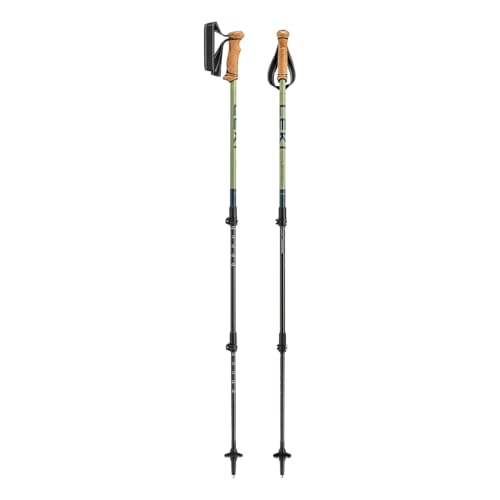
Lightweight & Adjustable | Light, tough trekking poles with adjustable convenience on daily hikes and weekend backpacking trips.
Activity Types and Their Impact on Pole Length

Understanding the impact of different activity types on pole length is essential for improving our performance and comfort on the trails. Here’s what you should consider based on our activity preferences:
- Hiking: Ideal length allows a 90-degree elbow angle for flat terrain; adjust shorter for climbs, longer for descents.
- Skiing: Shorter poles are better for alpine skiing for quick maneuverability; classic cross-country requires poles reaching the armpit.
- Nordic Walking: Slightly shorter poles optimize arm swing and posture.
- Trail Running: Choose compact, foldable poles; adjust length as terrain changes.
Regardless of pole materials, adjustable poles offer versatility across activities, helping us find the right fit. For maximum convenience during travel, look for poles with a collapsible design that can pack down to 15 inches or less. Staying aware of how our chosen activity affects pole length can enhance our experience greatly.
Terrain Considerations for Pole Sizing

When we hit the trails, the type of terrain we encounter greatly influences how we size our trekking poles. Here’s how to approach different terrain challenges:
- Flat Terrain: Minimal length adjustments needed. Use a consistent pole length.
- Uphill Terrain: Shorter poles enhance leverage and reduce arm fatigue.
- Downhill Terrain: Extend poles longer for stability and to lessen joint impact.
- Technical or Rocky Terrain: Quick length adjustments are essential; adjustable poles work best.
- Mixed Terrain: Telescoping poles offer the versatility we need for changing conditions.
Remember to choose adjustable poles, as they cover a range of 24–55 inches (61–140 cm). For those seeking simplicity and reliability, fixed-length poles excel on flat trails, mild inclines, and firm ground with fewer potential failure points. Using these guidelines, we can guarantee the best pole sizing for whatever trails we tackle.
Importance of Personal Fit and Preference
Although it might seem straightforward, personal fit and preference play a crucial role in choosing trekking poles that truly enhance our hiking experience. Here are some key comfort factors to evaluate:
- Height: Proper pole length should align with our height for maximum support.
- Weight: Lighter poles can reduce fatigue during long hikes, making them more enjoyable.
- Grip Style: Personal preference for foam or cork grips can impact comfort on longer treks.
- Wrist Straps: The right straps can provide security while reducing hand fatigue.
When we prioritize our individual needs, we improve not only our comfort but also overall performance. Ergonomic designs with padded wrist straps help distribute weight evenly across our hands, reducing strain during extended hikes on inclines. Choosing trekking poles tailored to our specific preferences helps create a better hiking adventure, allowing us to tackle trails with confidence and ease.
Fixed-Length vs. Adjustable Poles
Choosing between fixed-length and adjustable trekking poles can greatly affect how we experience our hikes. Here’s a breakdown to help us decide:
Fixed-Length Poles:
- Advantages:
- Stiffer and lighter due to single-piece construction.
- Ideal for flat terrains, providing consistent height.
- Preferred by ultra-marathon runners for quick assembly.
Adjustable Poles:
- Benefits:
- Offer versatility; we can change the length based on terrain.
- Allow multiple users to share, enhancing flexibility.
- Easier to repair due to modular design and parts.
Ultimately, fixed-length poles provide simplicity and stability on flat ground, while adjustable poles adapt to varying terrains, making them suitable for most of our hiking adventures. Most adjustable models offer a wide range, with height adjustments from 26 to 54 inches, accommodating hikers of different statures and terrain requirements. Determine which suits our needs best before heading out.
Recommended Products

Now in Black | LEKI’s premium trekking poles redesigned with a completely black style for a sleek look. Previously known as the Black Series FX Carbon.
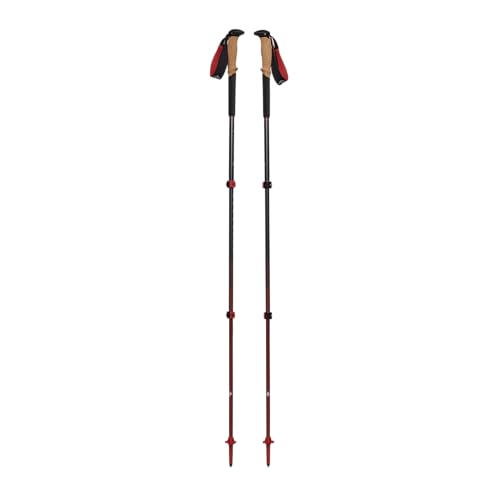
ERGONOMIC, TRAIL-READY DESIGN: Designed for comfort and stability on long hikes, backpacking trips, and mountain treks. The Pursuit Trekking Poles deliver balanced support and durability for all-season exploration.

Completely Carbon & Collapsible | Ultralight trekking poles provide an adjustable length and collapsible packability.
Adjustments for Uphill and Downhill Hiking
Adjusting our trekking poles for uphill and downhill hiking can make a significant difference in our overall comfort and performance. Here’s how to tweak them:
Uphill Adjustments:
- Shorten poles by about 5-10 cm.
- This helps maintain an ideal elbow angle for better propulsion.
- Keep poles ahead of our body to assist with upward movement.
Downhill Adjustments:
- Lengthen poles by roughly 5-10 cm.
- This enhances balance and reduces knee impact.
- Position poles slightly downhill to improve stability during descent.
- Many quality poles feature FlickLock technology or metal flip locks that make these quick adjustments easy to perform on the trail.
Recommended Products

Antishock Trek | Take the shock out of treks with this lightweight, adjustable, collapsible trekking pole featuring the Dynamic Suspension System.
For Elite Runner on Race Day | Ultralight, collapsible poles designed specifically for racing and competition.

Hit The Trail | LEKI’s premium trail running pole specifically designed for avid hikers and trail runners.
The Role of Arm Length in Pole Selection
When selecting trekking poles, it’s essential to take into account arm length as a key factor in ensuring proper fit and functionality. Here are some practical tips for personalized pole fitting:
- Measure Your Arms: Use arm measurement techniques by measuring from your armpit to your wrist, with your arm bent at 90 degrees.
- Adjust Accordingly: If your arms are shorter or longer, adjust the pole length beyond height-based calculations.
- Aim for Comfort: A proper pole length maintains a 90-degree elbow angle during gripping, reducing strain on arms, shoulders, and wrists.
- Consider Adjustable Models: Look for poles with adjustable lengths typically ranging from 90 cm to 145 cm to fine-tune the fit based on your unique arm proportions and height.
Testing Poles for the Right Fit
After considering arm length, the next step is testing the trekking poles for a fit that feels right. Here’s how we can approach it effectively:
- Initial Setup: Adjust the poles to a starting length. Stand on flat ground and verify our elbows are at a 90-degree angle when the tips touch the ground.
- Testing Techniques: Walk a few steps. If we’re hunching or reaching, it’s time for adjustments.
- Terrain Considerations: Shorten poles 5-10 cm for uphill walking to keep our arms swinging naturally. Lengthen them for downhill stability and to ease knee strain.
- User Experiences: During a hike, we should frequently reassess fit, adapting as fatigue and terrain shift.
- Comfort Check: Similar to how breathable fabrics enhance comfort in lightweight camping chairs, proper pole adjustment ensures better airflow in our arm movements and reduces muscle strain during extended treks.
This process guarantees the best comfort and efficiency, enhancing our trekking adventures.
Common Mistakes in Pole Sizing and How to Avoid Them
Many of us underestimate how critical proper sizing is when it comes to trekking poles. Here are some common sizing mistakes and how to avoid them:
- Pole Length: Always test for the ideal length, creating a 90-degree arm angle. Avoid fixed-pole pitfalls; they should be 6 to 8 inches above the elbow.
- Terrain Adjustment: Adjust poles frequently—shorten them 5-10 cm uphill, lengthen them when going downhill. This enhances stability.
- Placement: Verify poles move oppositely to your legs for better balance. Correct placement alongside your feet maximizes efficiency.
- Wrist Straps: Don’t neglect wrist straps; they help transfer weight and reduce hand fatigue.
- Individual Preferences: Remember, individual heights and styles matter. Customizing poles to fit our unique needs is essential for peak performance.
Frequently Asked Questions
Can I Use Trekking Poles if I Am Shorter Than 4 Feet?
Absolutely, we can use trekking poles if we’re shorter than 4 feet! Custom pole fittings and short person adjustments guarantee a proper fit, enhancing our hiking experience and providing the support we need.
What Materials Are Trekking Poles Made From?
Imagine we’re explorers from a bygone era. Trekking poles are crafted mainly from durable aluminum alloy or lightweight carbon fiber, balancing strength and weight. Each material offers unique benefits tailored to our hiking adventures!
How Much Do Trekking Poles Typically Weigh?
Trekking poles typically weigh between 4.9 to 19.5 ounces, depending on pole types. By examining weight comparison among carbon fiber, aluminum, and folding models, we can choose the best option for our hiking needs.
Can Trekking Poles Help With Knee Pain While Hiking?
Trekking poles are our trusty knee support and balance aid, transforming steep descents into gentle slopes. They lighten knee strain and boost stability, allowing us to hike longer, happier, and pain-free. Let’s hit the trails!
Are There Age Recommendations for Using Trekking Poles?
Yes, there aren’t strict age recommendations for using trekking poles; they offer benefits across all ages. We should prioritize youth safety and guarantee proper sizing and adjustments for everyone, enhancing comfort and stability during hikes.