As an Amazon Associate, we earn from qualifying purchases. Some links on this site are affiliate links at no extra cost to you. Our recommendations are based on thorough research and editorial judgment.


The Science of Fuel Efficiency in Different Stove Types

Understanding fuel efficiency in various stove types involves several factors:
- Lab vs. Real-World: Lab tests often overestimate efficiency, while real-world usage introduces variables like wet fuel.
- Fuel Comparisons: Charcoal is cleaner and more efficient than wood, which requires frequent refueling.
- Emissions: Different stoves impact indoor air quality and health risks.
- User Behavior: Our cooking frequency can change based on stove efficiency, leading to rebound effects.
You may be interested


There’s much more to explore about how these elements interact!
Key Takeaways
- Laboratory tests often overestimate stove efficiency; real-world use reveals significant variability affecting performance and emissions.
- Charcoal stoves achieve higher thermal efficiency (22.1%) compared to traditional wood stoves (11.8%), consuming less fuel annually.
- Well-seasoned wood enhances cooking efficiency while high moisture content diminishes it, increasing fuel consumption and emissions.
- Rebound effects can result in increased fuel use due to more frequent cooking when fuel costs decrease, averaging a 22% rise in consumption.
- Stove design factors, such as integrated heat exchangers and pot compatibility, significantly influence overall fuel efficiency and heat retention.
Understanding Laboratory vs. Real-World Stove Efficiency
When we look at stove efficiency, it’s imperative to understand the gap between laboratory settings and real-world usage.
Laboratory conditions provide controlled tests, ensuring:
- Uniform, dry fuels
- Optimized stove operations
However, real-world variability introduces challenges, such as:
- Wet or variable fuel quality
- Inconsistent cooking practices
- Environmental factors like wind
These discrepancies lead to:
- Lab tests often overestimating efficiency
- Underestimating emissions
Field tests reveal significant insights on:
- Actual stove performance
- User acceptance
- Emissions exposure
While advanced testing methods aim to align results closer to real-world situations, the limitations of laboratory tests highlight why examining stove efficiency in varied situations is essential. Understanding these dynamics can help us improve energy efficiency and environmental impacts effectively. For camping stoves specifically, BTU output ratings measured in controlled conditions may not reflect actual cooking performance when dealing with adverse weather and varying fuel quality.
Fuel Consumption Patterns: Wood vs. Charcoal
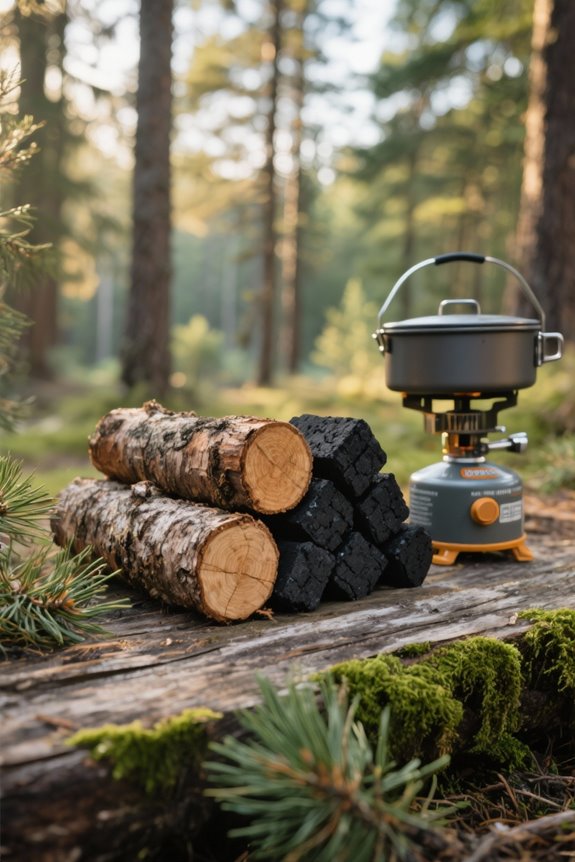
Understanding fuel consumption patterns between wood and charcoal is essential for optimizing stove use and efficiency. Here’s what we’ve discovered:
- Wood Combustion: Wood burns quickly and requires frequent refueling. Higher moisture content reduces burn efficiency, leading to more pollutant emissions and ash disposal needs.
- Charcoal Advantages: Charcoal burns hotter and cleaner, providing better heat retention with fewer pollutants. It ignites easily, needs less airflow efficiency, and burns consistently longer.
- Fuel Management: For wood, we must guarantee it’s well-seasoned to optimize efficiency.
- Ash Disposal: Wood creates more ash than charcoal, necessitating more regular clean-up.
- Material Considerations: Just as waterproof materials are essential for outdoor sleeping bags to withstand the elements, stove materials must be durable enough to handle repeated high-temperature exposure and resist degradation from heat and combustion byproducts.
Recommended Products

Premium Incense Cedar – 43 Cubic Ft: Professionally stacked in a reinforced tote for maximum volume

SUPERIOR QUALITY - Our manufacturer's ceramic and chemical engineers continuously improve every product, making ours the highest quality combustors on the market.

Quality Material: Made of stainless steel and German Schott ROBAX heat resistant glass. Stove body forged from 304 stainless steel, 3mm thickness at the top to reduce blending after burned, chimney/ elbow pipes are made of 201 stainless steel
The Shift to Modern Stove Technologies

As we explore the shift to modern stove technologies, it becomes clear that improving cooking efficiency is essential for both environmental sustainability and public health.
- Traditional stoves are still prevalent, primarily in areas lacking modern energy access.
- Improved cookstoves aim to enhance thermal efficiency and reduce emissions, though they sometimes fall short of ideal health standards.
- Adoption barriers exist, including cost, availability, and user behavior, which complicate the change to higher efficiency models.
To truly benefit, we need to prioritize the user experience, ensuring stoves fit local cooking methods. Programs must focus on measurable outcomes like fuel savings and health improvements, while addressing the challenges of real-world use. Modern camping stoves demonstrate the importance of fuel type compatibility, as models like the Primus OmniLite Ti can operate on multiple fuel sources including propane, gasoline, and kerosene, maximizing versatility in diverse conditions. By understanding these dynamics, we can move towards cleaner, more efficient cooking solutions.
Recommended Products

Powerful and Efficient Performance - The AIVOLT inverter generator boasts an exclusive 322cc 4-stroke OHV air-cooled copper winding engine with the latest technology to deliver 8000 starting watts and 6100 running watts. With its eco switch, enjoys over 10 hours of runtime at 25% load, ensuring high fuel efficiency and substantial cost savings

MULTI-VALVE 200LB TANK: High quality valves installed includes a service port, fill port, fixed liquid level port and relief valve
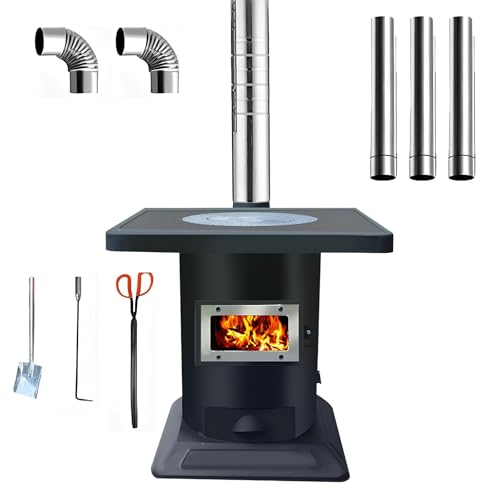
Multi-Function Woodburner: stove for multiple uses: heating, boiling water, cooking, stir-frying, or hosting parties. It's perfect as a woodburning stove for tent adventures or backyard camping.
Key Factors Influencing Stove Efficiency

In our exploration of stove efficiency, it’s clear that various factors come into play, impacting how well a stove performs. Here are some key influences:
- Fuel Characteristics: The type of fuel matters. Hardwoods like oak burn longer and hotter, while softwoods can reduce efficiency due to faster burning and creosote buildup.
- Combustion Efficiency: Advanced stove designs, like catalytic models, boost combustion efficiency by enabling secondary burning of gases, greatly improving heat output.
- Air Flow Control: Proper management of air flow enhances fuel-to-heat conversion, reducing energy waste.
- Design Factors: Stoves with optimized burner designs and structural improvements minimize heat loss and maximize thermal efficiency.
- Heat Output Ratings: BTU ratings directly affect cooking power and fuel efficiency, with propane stoves typically ranging from 8,000 to 60,000 BTUs depending on the intended use and burner configuration.
Recommended Products
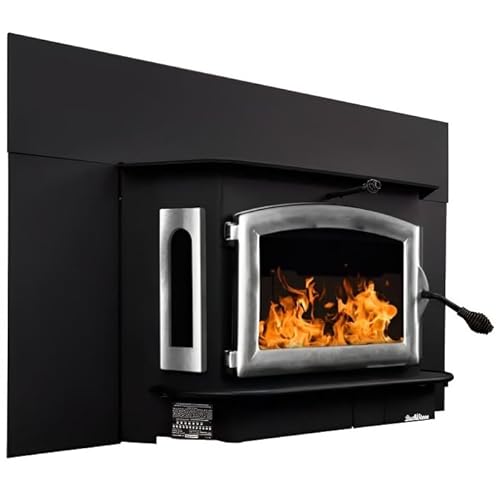
Powerful Heating: Efficiently heats a single room up to a large sized house with up to 62,745 BTUs, ensuring warmth even in every corner of the room.
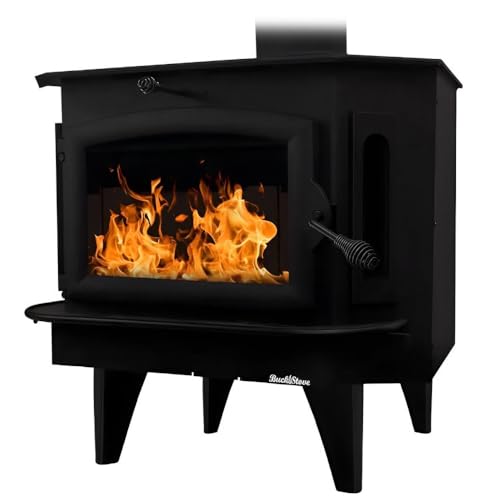
Powerful Heating: Efficiently heats a single room up to a large sized house with up to 62,745 BTUs, ensuring warmth even in every corner of the room.

Powerful Heating: Efficiently heats small to medium-sized spaces with up to 28,901 BTUs, ensuring warmth even in every corner of the room.
Emissions and Health Implications of Cooking Fuels

When it comes to cooking fuels, the impact on both our health and the environment can’t be ignored. Emissions sources like solid fuels, gas stoves, and biomass fuels contribute to indoor pollution, causing significant health risks. Here’s what we should consider:
- Respiratory Effects: These fuels are linked to asthma and COPD.
- Cardiovascular Impacts: Long-term exposure can increase heart disease risks.
- Cognitive Effects: Pollutants may also affect brain function.
Vulnerable populations, especially in developing regions, bear the brunt of these consequences. The economic burden from healthcare costs and lost productivity adds to the gravity of this issue. Shifting to clean technologies, like electric stoves, can help mitigate these environmental and health challenges substantially. For outdoor cooking applications, choosing pressure-regulated stoves can improve fuel efficiency and reduce waste compared to traditional camping stove designs.
Comparing Fuel Efficiency Across Different Stove Types
Understanding the fuel efficiency of different stove types is essential for making informed cooking choices that impact both our wallets and the environment. Here’s a quick comparison of common stove types:
- Traditional Wood Stoves: Average thermal efficiency is around 11.8%. They require about 0.17 tonnes of fuel per person annually.
- Charcoal Cookstoves: Improved, they reach efficiencies of 22.1% and use only 0.04 tonnes of fuel annually.
- Liquid Petroleum Gas (LPG) Stoves: Offer high laboratory efficiencies of 1.6-1.7 but sometimes fall short in real life.
Cooking techniques and stove materials matter immensely. Variables like pot size and cooking methods can greatly alter efficiency. Consequently, understanding these aspects helps us choose wisely and reduce fuel consumption while cooking. Backpacking canister stoves, compatible with butane and isobutane, offer powerful outputs ranging from 1940W to 7200W, making them highly efficient for outdoor cooking needs.
Recommended Products

The six high-powered BTU burners & 1 Griddle Cooktop that give you the ultimate cooking flexibility: front left (single) 12,000 BTU, front middle (single) 18,000 BTU, front right (single) 12,000 BTU, rear left (single) 12,000 BTU, rear middle (single) 12,000 BTU, rear right (single) 12,000 BTU, griddle burner 15,000 BTU. The range gives you the power to master any meal.

[Gas Stove Top]:AAOBOSI gas stove is designed with Italian craftsmanship with sealed burners with automatic shut-off flame failure protection to prevent natural gas leakage. Equipped with three heavy-duty, corrosion-resistant cast iron grates and six burners, plus one iron grill burner, the heat output is available in five 12,000 BTU, one 15,000 BTU, and one 18,000 BTU modes. The flame of the burners is not only efficient and powerful, but also meets a variety of cooking needs, suitable for stir-frying, pan-frying, steaming, boiling, deep-frying, stewing and other cooking methods.

LP Gas Type: Powered by liquefied petroleum gas (LP gas), this fryer offers stable and efficient performance. With a rated air pressure of 2.8Kpa and a 45L capacity, it can easily fry 6-8 ducks at once
The Impact of User Behavior on Fuel Use
User behavior considerably influences how much fuel we use in our kitchens, often overshadowing the efficiency ratings of the stoves themselves. Here’s how we can look at this:
- Cooking habits matter: Many of us use multiple stoves at once, which can dilute fuel savings.
- Maintenance neglect: When we don’t maintain our stoves, their functionality declines. Regular checks are essential.
- Cultural preferences: Our choices in cooking techniques often lead to a mix of stoves, impacting overall fuel use.
- Time investment: Longer cooking sessions on efficient stoves can offset savings, especially when we revert to traditional methods.
- Fuel selection impacts efficiency: Understanding burn time variability between different fuel types helps optimize cooking performance and reduce waste.
Rebound Effects After Adopting Efficient Stoves
As we embrace more efficient stoves, we might not realize how our new cooking practices can lead to unintended consequences, known as rebound effects. These rebound mechanisms can create what’s termed the efficiency paradox—where increased efficiency leads to higher overall energy use.
Key factors include:
- Reduced fuel costs: Lower prices often result in increased cooking frequency.
- Suppressed demand: Households may fulfill previously unmet cooking needs.
- Additional burners: Stoves with multiple burners can expand cooking capacity.
Studies estimate that rebound effects can increase fuel consumption by 1% to 48%, averaging around 22%. This highlights the need for better accounting of these effects in emissions reduction projects. We must consider these dynamics to enhance the effectiveness of adopting efficient stoves. Modern camping stoves like the MSR WhisperLite International demonstrate how fuel type versatility can optimize efficiency by allowing users to switch between white gas, kerosene, and unleaded auto fuel based on availability and cost.
The Role of Stove Design in Efficiency
When we consider the impact of efficient stoves, it’s not just about upgrading technology; stove design plays a significant role in determining overall effectiveness. A well-thought-out stove design can enhance heat transfer in several ways:
- Integrated heat exchangers (like those in MSR Reactor) improve heat delivery, using less fuel.
- Wind resistant designs prevent heat loss, leading to greater fuel efficiency.
- Pot compatibility: Wider pots can maximize heat conduction if the stove design accommodates their size.
- Optimized burner sizes enable low flame settings for improved savings while still boiling water quickly.
The Fire-Maple Petrel demonstrates how a heat exchanger design can significantly reduce boiling times, achieving 0.5L in just 147 seconds while maximizing fuel efficiency.
Evaluating Trade-Offs in Stove Technology Choices
How can we navigate the choices we face when selecting stove technology?
When evaluating stove options, we must consider both cost and efficiency:
- Induction Cost: Though induction stoves were once pricey, costs have dropped. Now, four-burner models average around $1,000, with portable options starting at just $70.
- Gas Accessibility: While gas stoves often feature lower initial prices, their inefficiency leads to higher long-term costs. Gas availability may also vary regionally, affecting our choices.
Understanding these trade-offs helps us align our budgets with our cooking needs. Induction stoves offer faster cooking with higher efficiency, potentially leading to lower energy bills. In contrast, gas provides traditional flame control. By weighing these factors, we can make informed decisions that suit our lifestyles while contributing to energy efficiency goals. For outdoor cooking, canister stoves maximize heat transfer and reduce fuel usage, with an 8 oz fuel canister typically supporting multiple meals on a trip.
Recommended Products
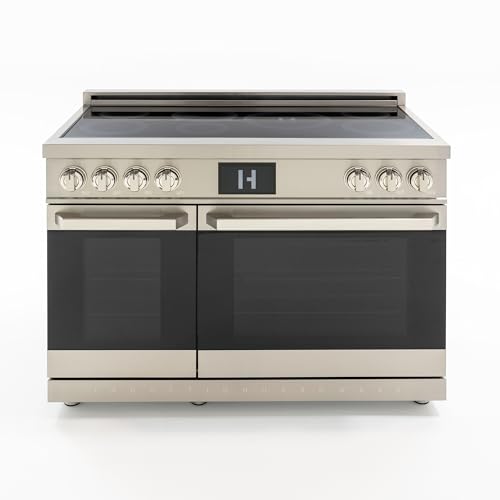
PRO-GRADE 7-BURNER INDUCTION COOKTOP – Cook faster and more precisely with seven high-performance induction burners and flexible bridge zones for griddles, fish poachers, and oversized cookware. Heats up to 50% faster than gas or electric for true restaurant-style performance at home on a 48 inch double oven induction range.

POWERFUL 4-BURNER INDUCTION COOKTOP – Cook faster and more evenly with four high-performance induction burners that deliver precise temperature control, instant heat response, and up to 50% faster cooking than traditional gas or electric stoves. The flat ceramic glass surface wipes clean in seconds and keeps your 30 inch induction range looking new for years.

Six Powerful Burners: The cooktop features four cast iron burners, including a combination of 2.6kW and 2kW elements, offering powerful and even heating for all your cooking needs.
Frequently Asked Questions
How Do Cultural Cooking Practices Affect Stove Efficiency?
Cultural cooking traditions shape our approach to fuel sourcing, impacting stove efficiency. As we embrace local practices, we often prioritize designs that reflect our culinary needs, ultimately influencing how effectively our stoves operate and conserve fuel.
What Role Does Stove Maintenance Play in Fuel Consumption?
Proper stove upkeep can save us about 4.5 kg of fuel daily. By maintaining our stoves, we’re not just improving efficiency; we’re also enjoying significant fuel savings and a healthier cooking environment. Let’s keep them clean!
Are There Regional Differences in Stove Adoption Rates?
Yes, there’re significant regional differences in stove adoption rates. We observe varying stove preferences influenced by cultural habits, while adoption barriers persist, especially in low-income areas, hindering progress toward cleaner cooking solutions for all.
How Do Weather Conditions Specifically Influence Stove Performance?
When the weather’s unpredictable, we find temperature fluctuations can greatly impact our stove performance. Cold winds and chilly nights challenge efficiency, reminding us to adapt our cooking strategies to nature’s whims for better results.
What Educational Initiatives Promote Efficient Stove Use in Communities?
We promote efficient cooking through community workshops that educate residents on using fuel-efficient stoves. These hands-on sessions enhance understanding and encourage sustainable practices, ultimately benefiting both our health and the environment in our communities.