As an Amazon Associate, we earn from qualifying purchases. Some links on this site are affiliate links at no extra cost to you. Our recommendations are based on thorough research and editorial judgment.


The Impact of Stove Design on Cooking Time

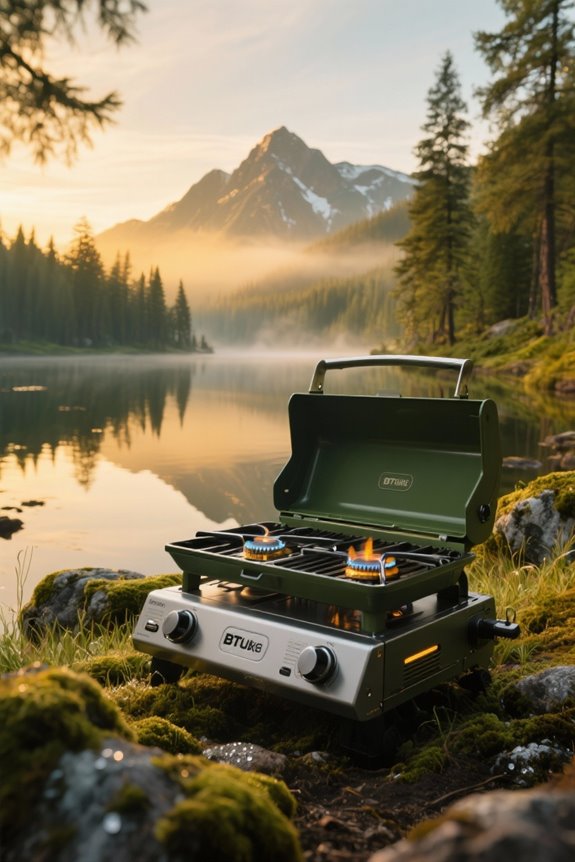
Captured in pristine wilderness, this premium camp stove showcases engineering excellence against a misty mountain backdrop. Golden hour light illuminates the device beside a crystal-clear alpine lake, surrounded by moss-covered rocks and dew-kissed grass. The rugged terrain and towering pine forest create dramatic depth, while cinematic composition highlights the stove’s innovative design features. Ultra-sharp focus reveals photorealistic detail in 8K resolution, demonstrating how advanced burner technology and heat distribution systems dramatically reduce cooking time in challenging outdoor environments.
You may be interested


# The Impact of Stove Design on Cooking Time
Stove design considerably impacts cooking times and efficiency. Here’s what we found:
- Improved Stoves: Can reduce fuel use by 25-65%.
- Cooking Speed: Many advanced stoves heat faster, cutting meal prep by up to five minutes.
- Emissions: Better designs lower harmful pollutants, enhancing air quality.
By integrating modern features, we not only save time but also boost household productivity. Understanding these aspects leads us to further benefits in cooking practices and health outcomes ahead.
Key Takeaways
- Improved cookstoves heat up faster, resulting in significantly reduced cooking times compared to traditional stoves with low thermal efficiency.
- Advanced combustion stoves, like gasifiers, significantly enhance cooking power through higher BTU ratings, reducing time spent on meal preparation.
- Traditional stoves can have thermal efficiencies as low as 11.8%, leading to longer cooking times and higher fuel consumption.
- Enhanced cooking efficiency with improved stoves allows households to save time, enabling them to engage in other productive activities throughout the day.
- Better stove designs can diminish cooking times for boiling water, with certain models reducing boil time by five minutes for 2.5 liters.
Overview of Cookstove Types
When we think about cookstove types, it’s essential to recognize the variety available, each with its own strengths and weaknesses. Here’s a quick overview:
- Traditional Stoves:
- *Materials*: Wood and charcoal.
- *Thermal performance*: Low, often below 20%.
- *Environmental impact*: High emissions lead to indoor pollution.
- Improved Cookstoves:
- *Design innovations*: Built with bricks or clay, some have chimneys.
- *User preferences*: Compact, can cut fuel use by 20–50%.
- Advanced Combustion Stoves:
- *Types*: Gasifier and forced-air stoves.
- *Market trends*: Efficient, reducing indoor air pollution considerably.
Each region may favor certain designs based on cooking styles, urban versus rural accessibility issues, and specific user needs. Understanding these variations aids in making informed choices. Modern camping stoves like the MSR PocketRocket Deluxe demonstrate how pressure-regulated designs can achieve remarkable efficiency with boil times as quick as 3.5 minutes per liter.
Cooking Time Efficiency of Improved Stoves

Improved cookstoves are not just about cleaner cooking; they also bring considerable benefits in cooking time efficiency. These cooking innovations, driven by advanced stove technologies, have transformed how we approach meal preparation. Here’s what we’ve found:
- Fuel Consumption: Improved stoves can reduce fuel use by 25-65%, which means less time spent gathering wood or charcoal.
- Time Savings: Models like the Jikokoa can decrease charcoal use by nearly 50%, cutting cooking times greatly.
- Fast Heating: Energy-efficient stoves heat up quicker, allowing us to spend less time cooking and more time on other tasks.
- User Experience: Proper maintenance and user training guarantee these stoves perform at peak efficiency, maximizing our time efficiency and fuel savings.
- Power Output: Stoves with higher BTU heat output ratings deliver stronger cooking power, with models ranging from 8,000 to 60,000 BTUs enabling faster boiling and more efficient meal preparation.
Ultimately, these enhancements lead to better household productivity and well-being.
Adoption Patterns of Advanced Stoves

Adopting advanced stoves presents both opportunities and challenges for households seeking cleaner and more efficient cooking solutions.
- Advanced Stove Patterns:
- Initially, many families use a mix of traditional and advanced stoves.
- Over time, about 6% exclusively adopt advanced stoves, while traditional stove ownership often persists.
- Usage Insights:
- Traditional stoves were used for about 209 minutes daily, dropping to around 144 minutes post-introduction of advanced stoves.
- Advanced stoves, on average, are used for only about 60 minutes daily.
- Cultural Factors:
- Regional differences, economic conditions, and cooking habits influence these adoption patterns.
- Fuel stacking remains common, showcasing a blend of technologies as households adapt their cooking strategies.
As we move forward, continuous monitoring is essential to understand these shifts better. Modern backpacking canister stoves demonstrate significant efficiency improvements, with some models featuring heat exchange technology that reduces boiling times by up to 30% compared to conventional designs.
The Role of Emissions in Cooking Duration

Understanding the role of emissions in cooking duration is essential for anyone concerned about indoor air quality and health, especially as we increasingly rely on various stove technologies.
When we cook, the emission impact creates varying cooking dynamics, influenced by stove design and fuel type. Let’s break down some key points:
- Emission Patterns: PM2.5 emissions peak during specific cooking phases.
- Stove Types: Traditional solid fuel stoves contribute up to 98% of indoor PM2.5 emissions, greatly overshadowing cleaner options.
- Cooking Duration: Longer cooking times often mean higher total emissions, extending our exposure to pollutants.
- Ventilation: Using range hoods can reduce emissions by about 17%.
Modern canister stoves with higher BTU ratings can significantly reduce cooking duration by delivering more heat output, which in turn minimizes the time spent exposed to cooking emissions.
Health Implications of Cooking Time Reduction
Reducing cooking times can greatly enhance our health, making it a key consideration for anyone interested in nutritious meals.
Here are some notable health benefits of faster cooking:
- Nutrient Preservation: Shorter cooking times maintain essential vitamins like C, B1, and B9, supporting our immune function and metabolism.
- Reduced Harmful Compounds: Minimizing exposure to high heat decreases harmful Maillard reaction substances and lipid oxidation in oils.
- Improved Cooking Safety: Less time cooking reduces smoke and pollutants, protecting our respiratory health. Using an alcohol stove with a burn time of 5-8 minutes to boil water can significantly reduce exposure to cooking emissions compared to longer heating methods.
Fuel Consumption Comparisons
When it comes to cooking efficiently, the type of stove we choose greatly affects fuel consumption and overall performance. Here are some key comparisons:
- Fuel Efficient Stoves: Canister stoves use 4 to 5 grams to boil 500 ml of water, depending on design.
- Combustion Efficiency: Traditional wood stoves offer thermal efficiency around 11.8%, while improved charcoal stoves reach about 22.1%.
- Fuel Reduction: These efficient charcoal stoves can cut fuel use by 39% compared to open fires, drastically improving cooking time.
- Design Impact: The type of stove often affects fuel consumption more than pot size, as shown by varying models of Jetboil stoves.
In short, considering stove design and fuel type is essential for maximizing fuel efficiency and minimizing waste during cooking. For backpackers prioritizing speed, the Primus Classic Trail Stove achieves quick boiling capability under 2 minutes with its 2930.71 Watt output.
Benefits of Multi-Tasking With Improved Stoves
Improved stoves bring a wealth of advantages that make cooking not only faster but also more efficient. Here’s how they enhance our cooking multitasking:
- Faster Heating: Induction cooktops heat up quickly, reducing wait times.
- Multi-Burner Capacity: Stoves with 5–6 burners allow us to prepare multiple dishes simultaneously, cutting overall cooking time.
- Versatile Cooking Modes: Features like steam, convection, and air fry mean we can use one appliance for various tasks, saving space and time.
- Smart Technology: AI-based functions automate cooking, letting us focus on other preparations.
- Consistent Temperature: Improved efficiency prevents overcooking, ensuring our meals are ready sooner.
- Lightweight Portability: Camping stoves like the MSR PocketRocket 2 weigh as little as 2.6 oz while still delivering quick boiling times, making them ideal for outdoor cooking adventures where efficiency matters.
Embracing these benefits can vastly improve our kitchen workflow, making meal preparation smoother and quicker for everyone.
Traditional Stove Usage and Its Effects
Despite the availability of modern cooking alternatives, many households continue to rely on traditional stoves for a variety of reasons.
- Traditional stove preferences remain strong, especially for tasks like making roti, with 90% of LPG users still opting for traditional stoves for this dish.
- Households spend an average of 144 minutes per day using these stoves, highlighting their place in daily routines.
- Cooking task efficiency is lower with traditional designs, as they often have thermal efficiencies of only 11.8% for wood stoves.
- Deforestation and indoor air pollution are adverse effects of continued traditional stove use.
- Modern camping equipment like built-in foot pumps demonstrates how efficient design can reduce setup time, a principle that could similarly benefit traditional stove efficiency if applied to household cooking methods.
Cultural Factors Influencing Stove Adoption
Stove adoption isn’t just about fuel types or efficiency; it’s deeply intertwined with cultural factors that shape our cooking practices and preferences. Here are some key points we should consider:
- Cultural Resistance: Traditional beliefs can limit our willingness to embrace new stove designs. Some people worry that new stoves won’t prepare our favorite meals properly.
- Gender Roles: Women often lead food preparation decisions. However, when men control household assets, it can restrict women’s ability to adopt new technologies.
- Social Networks: Seeing peers successfully use improved stoves boosts our confidence in adopting them.
- Outdoor Cooking Practices: For communities that frequently cook outdoors, portable camping tables can complement improved stove setups by providing stable, weather-resistant surfaces for food preparation.
Success depends not just on changing equipment, but also on respecting and integrating our cultural values. Adopting new stoves requires thoughtful engagement to shift perceptions and practices.
Long-term Outcomes of Stove Design on Cooking
When we think about the long-term outcomes of stove design on cooking, it’s essential to recognize how these changes can shape our everyday experiences at home.
- Many users initially “stack” both traditional and improved stoves, but this often leads to decreased reliance on the newer designs over time.
- Our preferences for stove aesthetics can greatly influence which stove we ultimately favor in the long run.
- Improved stoves do reduce emissions and enhance air quality, but sustained use is key for real health benefits.
- The impact on fuel consumption and cooking efficiency also varies, with possible rebound effects that affect long-term savings.
- Modern camping stoves with adjustable flame control enable more precise cooking temperatures, which can significantly reduce overall cooking time and fuel consumption.
We need to acknowledge these factors to fully understand their role in our cooking practices and overall well-being.
Enhancing Household Productivity Through Efficiency
As we reflect on the long-term outcomes of stove design, it’s clear that enhancing household productivity hinges on the efficiency of our cooking methods.
- Kitchen Dynamics: Efficient cooking appliances, like rocket stoves, considerably reduce cooking times.
- Productivity Metrics: Compared to traditional methods, we can save up to 60% on fuel and cut boiling time by five minutes for just 2.5 liters of water.
This means we have more time for other productive activities.
– Fuel Savings: Shifting to improved stoves leads to substantial cost savings.
By using less fuel and cooking quicker, we optimize our kitchen dynamics.
Adopting these innovative designs not only enhances our cooking efficiency but also positively impacts our overall household productivity.
Frequently Asked Questions
How Do Advanced Stoves Differ in Design From Traditional Stoves?
Advanced stoves feature design innovations like precise temperature controls and energy efficiency, unlike traditional stoves. Their sleek, safe designs minimize maintenance, enhance aesthetics, and fit seamlessly into our modern kitchens, better accommodating our busy lifestyles.
What Materials Are Commonly Used in Improved Stove Construction?
In improved stove construction, we commonly use high clay soils mixed with straw for body structure, along with insulating materials like vermiculite for better stove insulation, enhancing heat retention and cooking efficiency considerably compared to traditional methods.
Are There Specific Brands Known for Making Efficient Cookstoves?
We’ve found that brands like Samsung, LG, and Whirlpool offer efficient models that enhance our cooking experience. Their designs focus on speed and durability, making them popular choices among both home cooks and professionals alike.
How Do Local Climates Affect Stove Performance and Efficiency?
Local climate factors greatly influence stove performance and efficiency; we must adapt our stoves accordingly. Cold climates demand more fuel, while humid areas decrease combustion efficiency, impacting our cooking time and overall energy usage.
Can Improved Stoves Be Used Outdoors or Only Indoors?
When we say “the best of both worlds,” we mean improved stoves can definitely be used outdoors. They meet indoor regulations while ensuring outdoor usability, delivering efficiency and portability that’s perfect for any adventure.