As an Amazon Associate, we earn from qualifying purchases. Some links on this site are affiliate links at no extra cost to you. Our recommendations are based on thorough research and editorial judgment.


How Trekking Poles Reduce Joint Impact During Hiking

Trekking poles help reduce joint impact during hiking in several effective ways:
- They redistribute 15% of our weight, relieving stress on our knees and hips.
- Engaging our upper body lessens lower limb fatigue.
- This load distribution decreases ground reaction forces by up to 15%, mitigating knee compressive forces.
- Poles can enhance stability and balance on various terrains, allowing us to navigate obstacles more efficiently.
You may be interested



By using poles correctly, we can help protect our joints while enjoying nature. There’s more to discover about their benefits!
Key Takeaways
- Trekking poles shift 15% of body weight, reducing load on knees and hips during hiking.
- They decrease compressive forces at the knee by lowering ground reaction forces by up to 15%.
- Proper pole use reduces peak joint moments by 10-25%, minimizing joint stress.
- The poles engage the upper body, redistributing effort and delaying lower limb fatigue.
- Trekking poles with anti-shock technology absorb up to 40% of impact forces, enhancing joint protection.
Mechanisms of Joint Load Reduction
When hiking, the use of trekking poles greatly reduces the stress on our joints, allowing us to enjoy the experience with less discomfort. Here are some mechanisms of joint load reduction we’ve observed:
- Joint Unloading: By shifting about 15% of our weight to the poles, we lessen the load on our knees and hips.
- Load Transfer: This distribution of weight engages our upper body, which helps mitigate stress on the lower extremities.
- Reduction in Ground Reaction Forces: Trekking poles can decrease vertical forces by up to 15%, leading to lower compressive forces at the knee.
- Decrease in Joint Moments: Poles help lower the peak joint moments in our hips and knees by around 10-25%, reducing the risk of injury.
- Enhanced Comfort on Extended Hikes: The ultralight design of modern trekking poles, weighing as little as 8.1 oz or 19.2 oz per pair with comfortable grips like EVA foam, minimizes hand and joint fatigue during long-distance treks.
Recommended Products

Now in Black | LEKI’s premium trekking poles redesigned with a completely black style for a sleek look. Previously known as the Black Series FX Carbon.
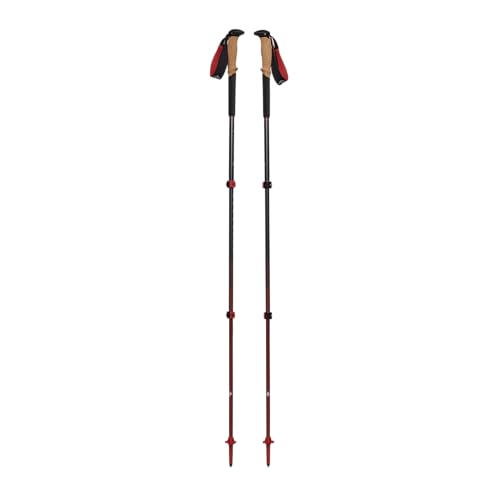
ERGONOMIC, TRAIL-READY DESIGN: Designed for comfort and stability on long hikes, backpacking trips, and mountain treks. The Pursuit Trekking Poles deliver balanced support and durability for all-season exploration.

For Elite Runner on Race Day | Ultralight, collapsible poles designed specifically for racing and competition.
Benefits for Muscle and Cartilage Health

After understanding how trekking poles can effectively reduce joint loads, we can explore their significant benefits for muscle and cartilage health.
- Muscle Recovery: Trekking poles minimize eccentric muscle contractions, reducing muscle damage and fatigue. We often face less soreness and faster recovery after hikes.
- Cartilage Protection: By decreasing stress on our knees by up to 25%, trekking poles help protect against cartilage breakdown. Lower levels of cartilage oligomeric matrix protein suggest reduced degradation.
- Joint Integrity: Using poles offloads pressure, lowering the risk of osteoarthritis progression and maintaining long-term joint health.
- Enhanced Endurance: With less muscle fatigue, we can hike longer while promoting balanced muscle engagement. Just as proper setup and preparation enhance the camping experience, understanding how to use trekking poles correctly maximizes their protective benefits for our joints.
Incorporating trekking poles into our hiking routine supports both muscle recovery and cartilage protection, making our adventures more enjoyable and sustainable.
Biomechanical Effects on Gait

Understanding the biomechanics of our gait is essential, especially when we introduce trekking poles into our hiking routine. By using poles, we experience notable benefits:
- Increased Stride Efficiency: Poles can enhance our walking speed by approximately 3.6% and lengthen stride by about 6.2%. This leads to longer, slower steps and improved overall pace.
- Gait Adaptation: As we adjust to poles, our stride mechanics shift. We extend our stance time by 2.3% to 3.3%, promoting stability and reducing joint stress.
- Force Redistribution: Trekking poles help lower vertical ground reaction forces, especially downhill, which decreases impact on our knees and minimizes overuse injuries.
- Temperature Regulation: Just as vacuum insulation in coolers reduces heat transfer to maintain cold temperatures for extended periods, proper biomechanical adaptations with trekking poles reduce energy transfer to our joints, keeping them protected during long hikes.
Ultimately, learning to harness these changes enables us to hike more comfortably and confidently, all while safeguarding our joints.
Recommended Products

Antishock Trek | Take the shock out of treks with this lightweight, adjustable, collapsible trekking pole featuring the Dynamic Suspension System.

Walking Poles

Opti-Loc Aluminum Extension Pole, 30 Ft, Three Sections, Green/Silver
Physiological Demands of Trekking Poles

Trekking poles don’t just offer support; they place unique physiological demands on our bodies while hiking. Here’s what we experience:
- Cardiovascular Demand: Our heart rate and oxygen uptake increase, showing higher cardiovascular efficiency when engaging upper body muscles.
- Effort Redistribution: By shifting some effort to our upper body, we balance exertion and delay lower limb fatigue.
- Total Energy Expenditure: We expend more energy, but perceived exertion remains steady, thanks to more efficient load distribution.
- Muscle Engagement: Trekking poles activate our arms, shoulders, and core, enhancing stability and overall movement.
- Load Management: Similar to how proper gear selection affects performance, using poles helps distribute weight more evenly across our body, reducing the burden on any single muscle group and improving our warmth-to-weight ratio of energy efficiency during extended treks.
Through these physiological adaptations, we can hike longer and maintain our pace, truly making the most of our trekking experience while preserving our endurance.
Recommended Products

Stripped down, lightweight, lean and mean for moving fast and getting the job done. Built with rugged dependability to keep you moving strongly toward your objective, no matter how big

Your Go-To Shelter - Tackle your next alpine expedition or mountaineering trek with the Thor 2P, designed for protection, ease, and reliability.

New Fabric Technology - Featuring our lightest proprietary HyperBead fabric technology: the ideal balance of strength, durability, and weight. Used on the rainfly and floor, this fabric is 6% lighter, 25% more waterproof, and 100% stronger than traditional fabrics, without added water repellent chemicals. Tent body is breathable nylon ripstop and polyester mesh.
Clinical Implications for Joint Health

While hiking, using trekking poles can greatly impact joint health, making them more than just a supportive accessory. Here are key clinical implications for our joints:
- Reduced Joint Load: Poles can decrease peak joint moments by up to 25% during downhill hikes.
- Less Muscle Damage: Serum markers indicating muscle damage lower considerably with pole use, alleviating stress on our joints.
- Pain and Function: Many users report a marked reduction in pain and improved functional outcomes within weeks.
- Balance Improvement: Effective pole techniques enhance stability on difficult terrain, reducing fall risks.
- Enhanced Stability and Traction: The tungsten carbide tips found on quality trekking poles provide excellent grip across various terrains, further minimizing the risk of slips that could lead to joint injuries.
These benefits span various user demographics, particularly those with pre-existing conditions. By incorporating poles into our routine, we can promote better joint health while enjoying nature.
Rehabilitation Uses for Trekking Poles
Rehabilitation settings often benefit from incorporating trekking poles, as they provide essential support and promote recovery across various populations. Here’s how we can effectively use them in rehab:
- Neurological Applications: Poles enhance balance and improve gait for stroke recovery, promoting natural arm swing and better posture.
- Post-Surgical Recovery: They help offload joints during early mobilization after surgeries, reducing pain and supporting functional recovery.
- Endurance Training: Engaging the upper body with poles increases heart rate without excessive joint strain.
- Balance Enhancement: Poles improve postural control, decrease fall risks, and promote better coordination.
Remember to make proper pole adjustments to fit individual needs. When selecting poles for rehabilitation, consider that lightweight materials like carbon fiber can reduce arm fatigue during extended therapy sessions. By integrating these rehabilitation techniques, we can greatly enhance our recovery process.
Recommended Products

Cant and Pan 90ºCant & 360º Pan

LIGHTWEIGHT & ULTRALIGHT DESIGN: Perfect for backpacking, hiking, and camping, this floorless tipi is designed for easy transportation and setup, weighing only 4 lb 4 oz.

ERGOBAUM 7G ERGONOMIC FOREARM CRUTCHES FOR ADULTS- Extensively designed to be the most comfortable and advanced forearm crutches for adults available, the ERGOBAUM 7G crutches are built for its users’ needs first. Ergobaum 7G premium design features combined provide an unparalleled level of comfort and ease that is unrivaled by any other product on the market. Expect your ergonomic forearm crutches and crutches accessories to provide safety, performance, comfort and style; they will move you. FSA/HSA eligible. If you've struggled with uncomfortable crutches, the Ergobaum 7G is the upgrade your body needs.
Impact on Stability and Balance
Enhancing stability and balance is a key benefit we see when we incorporate trekking poles into our hiking gear. Here’s how they contribute:
- Additional Support: By creating extra contact points, trekking poles transform our two-legged stance into a more stable four-legged stance.
- Adaptability on Terrain: They excel on uneven, slippery surfaces, helping us maintain postural sway and enhancing balance techniques.
- Wider Base of Support: On rocky slopes or wet trails, poles provide a broader base, improving confidence in challenging conditions.
- Fall Reduction: Studies show trekking poles can cut down falls by up to 30%.
- Anti-Shock Benefits: Quality trekking poles with anti-shock technology further improve stability on uneven surfaces by absorbing impact vibrations.
Incorporating these stability strategies into our hikes increases safety, allowing us to enjoy the journey more fully.
Energy Expenditure Considerations
Energy expenditure is an essential factor to evaluate when we use trekking poles during our hikes. Here’s how poles can affect our caloric efficiency and overall energy expenditure:
- Increased Caloric Burn: Using trekking poles can raise energy expenditure by about 20%. This is mainly due to engaging our upper body muscles while hiking.
- Oxygen Utilization: Poles boost oxygen uptake and metabolic input, especially on uphill or loaded trails.
- Perceived Exertion: While some studies show little difference in effort levels, others suggest we feel less exertion on inclines when using poles.
- Walking Mechanics: Poles can enhance our walking speed through improved gait, partially offsetting extra energy costs.
- Joint Impact Reduction: The shock-absorbing technology in quality trekking poles helps minimize impact on joints during hikes, which can contribute to more efficient energy use over long distances.
Limitations of Trekking Pole Use
While trekking poles can enhance our hiking experience, it’s important to recognize their limitations too.
- Cumbersome Handling: On technical trails, poles can hinder hand-over-hand climbing and may complicate tasks like eating or taking photos.
- Weight Factors: Carrying 1-2 extra pounds adds up, and bulky poles can be tough to pack, especially for air travel.
- Environmental Impact: Metal tips can damage fragile surfaces, contributing to trail erosion in sensitive areas, leading some parks to restrict their use.
- Cost Considerations: High-quality poles often exceed $100, and while budget options exist, they may lack durability and comfort.
- Terrain Limitations: On softer surfaces like sand or loose soil, poles may sink or lose stability, similar to how lightweight camping chairs can struggle to maintain balance in these conditions.
Personalizing Pole Use for Optimal Benefits
When we think about getting the most out of our trekking poles, we should consider how to personalize their use. Here are key areas where we can customize:
- Pole Length Adjustment: Aim for 68-70% of our height for flat terrain. Longer for uphill, shorter for downhill. This helps reduce joint stress by 10-20%.
- Grip Personalization: Choosing the right grip material, like cork or foam, improves comfort. Ergonomic shapes help manage moisture, making our trek more enjoyable.
- Technique Customization: Coordinate pole planting with our stride. This not only improves balance but also redistributes workload, reducing stress on knees and ankles.
- Impact Absorption Features: Look for poles with anti-shock technology that can absorb up to 40% of impact forces, providing additional protection for joints during long treks.
Personalizing these aspects of our trekking poles makes our hiking experience much more efficient and comfortable, maximizing the benefits while minimizing impact.
Recommended Products

Completely Carbon & Collapsible | Ultralight trekking poles provide an adjustable length and collapsible packability.

PREMIUM CARBON FIBER CONSTRUCTION: Built from 100% carbon fiber for exceptional strength, stiffness, and low weight. Provides efficient support for backpacking, trekking, and mountaineering in all seasons.

ULTRALIGHT, HIGH-PERFORMANCE BUILD: Made from 100% carbon fiber for exceptional strength-to-weight performance. Ideal for long-distance treks, mountain runs, and fastpacking where every gram counts.
Frequently Asked Questions
Can Trekking Poles Be Used on All Types of Terrain?
Yes, we can use trekking poles on all types of terrain, including rocky paths and muddy trails. They enhance stability and support, making our hike more enjoyable regardless of what ground we’re traversing.
Do Trekking Poles Require Special Techniques for Effective Use?
Oh, sure, let’s just wing it with trekking poles! But seriously, mastering technique is essential. A proper grip guarantees we don’t look like confused octopuses; it helps us hike effectively and enjoyably together.
How Do I Choose the Right Size Trekking Poles?
To choose the right size trekking poles, we should consider pole length based on our height and test different grip materials. Holding the pole with a relaxed arm at 90 degrees guarantees maximum comfort and support.
Are There Specific Trekking Pole Brands Recommended for Joint Support?
When we look at brands comparison for joint support, Black Diamond and Leki stand out for their advanced pole features, while REI Co-op offers budget-friendly options. Each enhances comfort, ensuring our hiking experience is enjoyable.
Can Children Also Benefit From Using Trekking Poles While Hiking?
Absolutely, children can benefit from using trekking poles while hiking. They enhance stability, promote safe hiking, and boost confidence. By making trails more manageable, poles help our kids enjoy the great outdoors while staying safe.