As an Amazon Associate, we earn from qualifying purchases. Some links on this site are affiliate links at no extra cost to you. Our recommendations are based on thorough research and editorial judgment.

Carbon Fiber vs. Aluminum Trekking Poles: Material Science

When we compare carbon fiber and aluminum trekking poles, we find key differences in material properties:
- Carbon Fiber: Lightweight and great for shock absorption but can snap under pressure.
- Aluminum: Heavier but robust, bending rather than breaking, making it excellent for rough terrain.
You may be interested



Both materials absorb impact effectively, but aluminum is generally more durable in extreme conditions. We can also explore hybrid designs that balance these strengths. Let’s uncover more insights in the next sections.
Key Takeaways
- Carbon fiber poles are lighter (210 grams) but more prone to snapping under lateral stress than aluminum poles (280 grams).
- Aluminum poles offer superior durability, bending rather than breaking, making them better for rugged terrains.
- Carbon fiber excels in shock absorption and weight savings, ideal for ultralight hikers on maintained trails.
- Aluminum’s reliability in freezing temperatures contrasts with carbon fiber, which can become brittle under cold conditions.
- Hybrid poles combine carbon fiber and aluminum benefits, balancing lightweight performance with enhanced durability and cost-effectiveness.
Material Composition of Trekking Poles
When we choose trekking poles, the material composition plays an essential role in performance, durability, and cost. The primary materials we find are:
- Aluminum Alloys:
- 7075 Alloy: Stronger, highly resistant to bending.
- 6061 Alloy: Budget-friendly but weaker.
- Carbon Fiber Composites:
- Offers high stiffness and shock absorption but can be brittle.
- Hybrid Shafts:
- Combine aluminum (for durability) and carbon fiber (for lightness).
The manufacturing processes for these materials affect their properties considerably. Aluminum poles are more durable under stress, while carbon fiber poles provide a better weight-to-strength ratio. Understanding these material properties helps us make informed decisions that balance performance and cost, ultimately enhancing our trekking experience. Similar to how backpacking chairs utilize aircraft-grade aluminum for maximum strength, trekking pole manufacturers select alloys based on the balance between weight savings and structural integrity needed for various trail conditions.
Weight Considerations for Hiking

Weight is an essential factor to evaluate for hiking, especially when we’re out on long trails. Choosing between carbon fiber and aluminum trekking poles can greatly impact our experience. Here are some weight considerations:
- Carbon Fiber Poles: Weigh about 210 grams (7.4 ounces) each, offering approximately 25% weight savings. This translates to better endurance and less overall energy expenditure on long hikes.
- Aluminum Poles: Averaging 280 grams (9.9 ounces) each, they may add to wrist fatigue, particularly on extended trails.
The lightweight design of carbon fiber helps us move faster and reduces the load on our shoulders and arms. Ultimately, lighter poles allow for carrying extra gear without increasing our total pack weight. Some manufacturers claim their aluminum poles weigh about 4 ounces less than average, narrowing the gap between aluminum and carbon fiber options.
Recommended Products

Cant and Pan 90ºCant & 360º Pan

LIGHTWEIGHT & ULTRALIGHT DESIGN: Perfect for backpacking, hiking, and camping, this floorless tipi is designed for easy transportation and setup, weighing only 4 lb 4 oz.

Antishock Trek | Take the shock out of treks with this lightweight, adjustable, collapsible trekking pole featuring the Dynamic Suspension System.
Handling and Stability
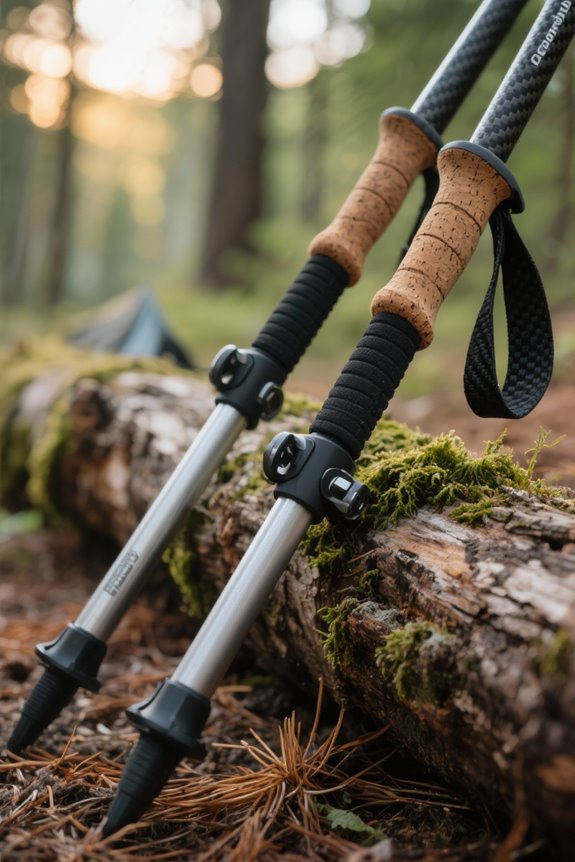
Understanding how trekking poles handle under various conditions is essential for enhancing our stability and overall hiking experience. Here’s how aluminum and carbon fiber poles compare in handling and stability:
- Pole Technique: Aluminum poles flex predictably, absorbing shocks and allowing for a more forgiving feel during descents. In contrast, carbon fiber poles are stiffer, providing direct feedback that can be beneficial on technical terrain.
- Weight Distribution: Aluminum’s consistent flex improves stability; they often bend but remain usable when overloaded. Carbon fiber poles may snap catastrophically under pressure, risking our balance.
- Cold Conditions: Aluminum maintains strength in freezing temperatures, while carbon poles can become brittle.
- Material Strength: Similar to tent construction, carbon fiber or aluminum alloy poles provide better strength-to-weight ratios than fiberglass alternatives, making them the preferred choice for serious trekkers.
When choosing, consider your environment and the pole technique required for maximum weight distribution and stability on the trail.
Recommended Products

ERGOBAUM 7G ERGONOMIC FOREARM CRUTCHES FOR ADULTS- Extensively designed to be the most comfortable and advanced forearm crutches for adults available, the ERGOBAUM 7G crutches are built for its users’ needs first. Ergobaum 7G premium design features combined provide an unparalleled level of comfort and ease that is unrivaled by any other product on the market. Expect your ergonomic forearm crutches and crutches accessories to provide safety, performance, comfort and style; they will move you. FSA/HSA eligible. If you've struggled with uncomfortable crutches, the Ergobaum 7G is the upgrade your body needs.
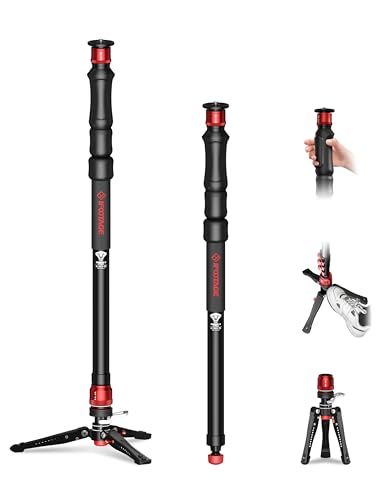
💡💡【One-Press Lifting Monopod】: Easily extend or retract the monopod with one hand— smoothly glide from 33" to 59.2" with just one hand while your other hand holds your gear. Ensuring you never miss a critical shot. Perfect for capturing fast-moving moments without delay.
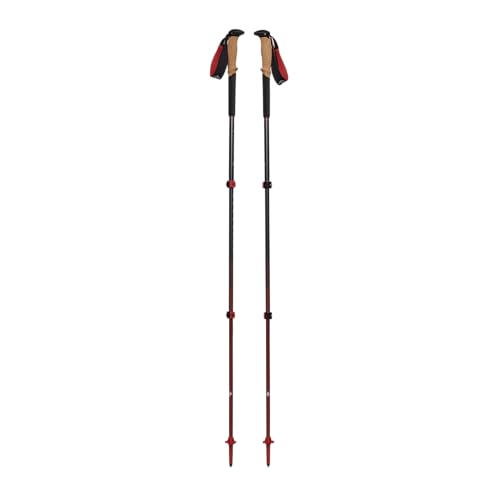
ERGONOMIC, TRAIL-READY DESIGN: Designed for comfort and stability on long hikes, backpacking trips, and mountain treks. The Pursuit Trekking Poles deliver balanced support and durability for all-season exploration.
Durability and Impact Resistance

As we assess the tools that support our trekking adventures, the durability and impact resistance of trekking poles take center stage.
- Carbon Fiber Poles:
- Lightweight and stiff, great for vertical impacts.
- Prone to shattering under lateral forces.
- Damage is often irreparable, leading to replacement needs.
- Aluminum Poles:
- Crafted from 7075 alloy, offering superior durability.
- Bend rather than break, allowing for field repairs.
- Stable across various temperatures, maintaining impact resistance.
Through durability testing, we notice that while carbon fiber shines in shock absorption, aluminum proves better for rugged applications. Prioritizing user experience, aluminum poles provide a more forgiving nature, especially in challenging terrains where unexpected loads are common. Similar to how galvanized steel frames in quality camping tents provide structural integrity against weather extremes, aluminum’s robust construction ensures reliable performance when facing unpredictable trail conditions.
Recommended Products

First-rate 3-season performance: The 2-person Niak tent is a comfortable, airy dome tent that is easily light enough to use as a palatial 1-person shelter and has one roomy vestibule. Its surprising strength, ease of setup, weather-proofness and comfort make it a highly versatile model and a great choice for a wide variety of adventures, not just during the summer, but also during the spring, fall, and shoulder seasons.

Built for rugged outdoor adventures, the MSR Hubba Hubba HD delivers superior weather protection, durability, and comfort for camping, backpacking, hiking, and backcountry expeditions in unpredictable conditions.

Revolutionary Fabric Technology - Experience the superior HyperBead technology in our ultralight tent line. This proprietary waterproof tent fabric is 6% lighter, 25% more waterproof, and 50% stronger than traditional materials—all without added chemical treatments. The breathable one person tent body combines solution-dyed nylon ripstop with polyester mesh, engineered for season after season of reliable backcountry performance
Temperature Performance
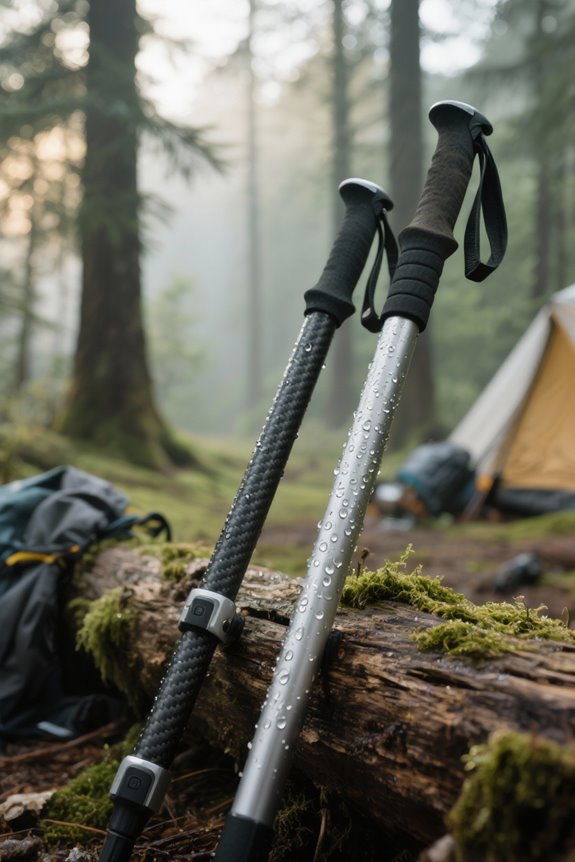
When we consider trekking poles for various climates, temperature performance becomes a critical factor. Here’s what we need to know:
- Thermal Effects: Carbon fiber has a low thermal expansion coefficient, ensuring minimal size changes. Aluminum expands more noticeably, risking locking mechanism failures.
- Cold Weather Performance: While aluminum poles bend under pressure, providing reliability in freezing conditions, carbon fiber may shatter in temperatures below 20°F.
- Heat Conductivity: Aluminum can heat up quickly in sunlight, which can be uncomfortable. In contrast, carbon fiber remains cool and comfortable to handle in hot environments.
- Material Durability: High-quality options like 7075 aluminum alloy provide exceptional strength-to-weight ratios, making them popular choices for poles that must withstand varied temperature conditions and rugged terrain.
Environmental Sensitivity
With temperature performance in mind, we now shift our focus to environmental sensitivity in trekking poles. Both carbon fiber and aluminum have important aspects to evaluate:
- Corrosion Resistance: Aluminum resists corrosion, while carbon fiber is inherently non-metallic and doesn’t corrode.
- Sustainability Measures: Aluminum can be recycled, making it a more eco-friendly option compared to the high carbon footprint of carbon fiber production.
- Trail Impact: Using poles responsibly maintains sustainable trails and protects wildlife.
- Material Degradation: In harsh conditions, aluminum may degrade faster, while carbon fiber excels in wet environments.
- Material Treatment: Similar to outdoor equipment like tent stakes, many aluminum poles feature galvanized steel coating or anodized finishes to enhance rust resistance and extend their lifespan in diverse weather conditions.
Cost Comparison
Trekking poles come with a variety of price points, and understanding these costs is essential for making the right choice. Here’s a breakdown:
- Carbon Fiber:
- Price Range: $75 to $150
- Cost Benefits: Lightweight and durable, ideal for serious hikers.
- Aluminum:
- Price Range: $30 to $70
- Cost Benefits: More affordable, durable, and easier to repair, making them great for beginners.
The significant price difference is largely due to the advanced manufacturing processes of carbon fiber. While carbon fiber poles offer weight savings, aluminum poles provide strength and cost-effectiveness, especially under heavy loads. For those mindful of budget or durability, aluminum often presents the best overall value. Many manufacturers like Montem construct their aluminum poles from aluminum 7075, the same high-grade material used in airplane construction, which contributes to their exceptional strength-to-weight ratio.
Recommended Products

Now in Black | LEKI’s premium trekking poles redesigned with a completely black style for a sleek look. Previously known as the Black Series FX Carbon.

For Elite Runner on Race Day | Ultralight, collapsible poles designed specifically for racing and competition.

Hit The Trail | LEKI’s premium trail running pole specifically designed for avid hikers and trail runners.
Performance in the Field
After evaluating the cost comparison of trekking poles, it’s time to assess how these materials perform in real-world conditions.
Field Performance: Overview
- Aluminum Poles:
- Handle higher lateral forces well.
- Can be straightened if bent, making repairs feasible.
- Preferred in winter or technical terrain.
- Carbon Fiber Poles:
- Lighter, enhancing speed on maintained trails.
- Prone to snapping under lateral stress, leading to catastrophic failures.
- User feedback often highlights reliability concerns in mild conditions.
Our Take:
While carbon fiber excels in weight-saving scenarios, aluminum offers durability where it counts. For those tackling rugged terrain or carrying heavy loads, choosing aluminum enhances confidence and performance. Both materials incorporate anti-shock technology that absorbs up to 40% of impact forces, protecting your knees and joints during extended hikes. Ultimately, consider your trip length, terrain, and the potential for repairs when making your decision.
Vibration Damping and Fatigue
When considering the performance of trekking poles, we can’t overlook how vibration damping and fatigue play essential roles in our overall experience.
- Vibration Isolation: Carbon fiber poles inherently dampen vibration, reducing shock to our hands and wrists. This means less fatigue and discomfort on long hikes.
- Fatigue Management: In contrast, aluminum poles transmit more shock, increasing muscle fatigue, especially during downhill trekking. Many users enjoy longer hiking durations with carbon fiber due to better fatigue management.
- Impact on Endurance: The reduced vibration in carbon fiber markedly enhances our endurance. This is particularly noticeable during strenuous treks, where minimizing strain on our joints is essential. Just as ultralight gear like sleeping bags under 2 lbs reduces physical strain during backpacking trips, lightweight trekking poles contribute to overall fatigue reduction and improved hiking performance.
User Priorities and Preferences
Understanding the impact of vibration damping and fatigue naturally leads us to contemplate how user priorities and preferences influence the choice between carbon fiber and aluminum trekking poles.
- Weight-Sensitive Users: Ultralight hikers prioritize lightweight gear, often choosing carbon fiber for its lower weight (210g vs. 280g).
- Durability Seekers: Users valuing robustness, particularly novices, may lean toward aluminum due to its ability to withstand rugged terrain.
- Budget-Conscious Hikers: With aluminum poles starting around $20, these are favored by beginners unsure of their trekking commitment.
- High-Performance Adventurers: Experienced hikers, willing to invest more, might opt for the advanced damping of carbon fiber.
- Grip Comfort Preferences: Many users evaluate materials like cork and EVA foam for their moisture-wicking properties and ability to reduce hand fatigue during extended treks.
Ultimately, our hiking style and specific preferences guide our choice between these materials, impacting comfort and performance on the trails.
Hybrid Trekking Pole Designs
Hybrid trekking poles represent an innovative approach to balancing weight and durability, appealing to hikers who can’t decide between carbon fiber and aluminum. These poles combine the best of both worlds:
- Carbon Fiber Top Sections: Lightweight and reduces vibrations.
- Aluminum Lower Sections: Durable and abrasion-resistant for tough conditions.
We gain several material benefits with this design. The carbon fiber upper absorbs shock, while the aluminum base guarantees structural integrity and stability. Plus, many hybrid poles offer customization options:
- Adjustable Lengths: Fit for different user heights.
- Interchangeable Accessories: Versatile for multiple activities.
These features make hybrid trekking poles a practical choice. They’re often more cost-effective than buying separate poles, providing excellent value for serious hikers looking for both performance and adaptability.
Recommended Products

Premium Poles For Premium Summits | Advanced trekking poles engineered for high-alpine adventures.

Completely Carbon & Collapsible | Ultralight trekking poles provide an adjustable length and collapsible packability.

PREMIUM CARBON FIBER CONSTRUCTION: Built from 100% carbon fiber for exceptional strength, stiffness, and low weight. Provides efficient support for backpacking, trekking, and mountaineering in all seasons.
Frequently Asked Questions
What Are the Maintenance Requirements for Carbon Fiber Trekking Poles?
We should clean our carbon fiber trekking poles after each hike, using mild soap and warm water. For storage, let them dry completely, avoiding locked sections being tightened to prevent stress on locking mechanisms.
Can Carbon Fiber Poles Be Repaired After a Break?
No, carbon fiber poles can’t be fully repaired after a break. While we can use temporary repair techniques under certain break conditions, they won’t restore the original strength, making replacement a more practical choice for us.
How Do Trekking Pole Grips Differ Between Materials?
Trekking pole grips differ mainly in grip comfort and durability comparison. Cork molds to our hands and wicks moisture, while EVA foam absorbs shock and resists wear, making choices depend on personal preference and hiking conditions.
Are Carbon Fiber Poles Suitable for Winter Hiking Conditions?
Choosing trekking poles for winter’s icy dance, we find carbon fiber less suited for rugged conditions. Its insulation properties falter against harsh elements, while aluminum shines in cold, delivering reliable winter performance that keeps us steady.
What Weight Limits Do Trekking Poles Typically Support?
Trekking poles typically support a weight capacity up to 400 lbs per pair, depending on the design and materials. We recognize that user preferences vary, so choosing the right pole for our needs is essential.