As an Amazon Associate, we earn from qualifying purchases. Some links on this site are affiliate links at no extra cost to you. Our recommendations are based on thorough research and editorial judgment.


Understanding Gear Warranty Claims and Documentation

Understanding gear warranty claims and documentation is essential for smooth processing. We start by submitting a claim through an online portal. Here’s what we need:
- Serial number
- Proof of purchase
- Description of the defect
- Supporting evidence like photos
You may be interested


Knowing warranty coverage and eligibility helps us avoid issues. Common challenges include documentation errors and misunderstanding terms. There’s much more to navigate, so let’s explore the details together.
Key Takeaways
- Start gear warranty claims by submitting essential information, including product details, proof of purchase, and defect description via an online portal or email.
- Attach supporting documentation such as images, videos, and warranty copies to enhance the credibility of your claim.
- Understand warranty coverage, eligibility criteria, and common exclusions to ensure your claim qualifies under manufacturer terms.
- Maintain thorough documentation and clear communication throughout the claims process to minimize errors and facilitate quick resolution.
- Leverage technology for efficient claim management, including using cloud systems for real-time tracking and automated processing for quicker eligibility verification.
Overview of the Warranty Claims Process
When we think about initiating a warranty claim, it’s important to understand the process from start to finish. Here’s a straightforward overview:
- Start the Submission: Use the online portal or email from the manufacturer.
- Provide Detailed Information: Include your product’s serial number, proof of purchase, and a description of the issue.
- Visual Documentation: Often, photos or videos are required to support your claim.
- Contact Details: Verify your full name and address are accurate.
- Claim Confirmation: You’ll receive an email confirming receipt; if you don’t, your claim may not have gone through.
Knowing different warranty types helps too, as this can affect claim timelines. Understanding this allows us to navigate the process efficiently and effectively. Similar to outdoor equipment like butane cartridges, always check manufacturer guidelines for specific warranty terms and expiration dates that may impact your claim eligibility.
Key Documentation Required for Gear Warranty Claims

Maneuvering through the documentation required for gear warranty claims can seem overwhelming, but we can break it down into clear components. Here’s a quick guide to key documentation tips that meet claim requirements:
- Original Purchase Documentation: Include the receipt, warranty certificate, and product serial number.
- Proof of Defect: Attach clear images or videos of the issue and a detailed description.
- Warranty Terms: Provide a copy of the warranty, showing coverage limits and deadlines.
- Claim Forms: Submit a completed form with all requested details and supporting documents.
- Supplemental Evidence: Document proper maintenance and use, and include any communication with the manufacturer.
Having these pieces organized will enhance our chances for a successful claim. For equipment like outdoor stoves, always consult the stove’s manual to verify compatibility requirements and proper usage guidelines that may affect warranty coverage. Let’s verify every requirement is met!
Recommended Products

Eco-friendly Non-Stick Granite Coating & Super Easy to Clean - Our grill pan interior is coated by non-stick granite coating, SGS approved, 100% PFOA free. Require less oil...
Step-by-Step Gear Warranty Claim Filing Procedure

Filing a gear warranty claim involves several clear steps that help us navigate the process efficiently.
- Claim Submission: Start by reporting any issues via email, phone, or web form. Confirm we have complete information like product model and serial number. After submission, we’ll receive an automated acknowledgment to confirm receipt.
- Gathering Documentation: We must provide the purchase receipt and detailed descriptions of the problem. Including clear photos of any defects is essential. For outdoor gear like sleeping bags, document any issues with anti-snag zippers, insulation performance, or compression sack damage that may be covered under warranty.
- Form Completion: Fill out the claim form carefully. Check all sections to avoid claim rejection.
- Review Process: If additional info is needed, we should promptly respond to requests. Timeliness is key to prevent delays.
Following these steps helps streamline our warranty claim process.
Recommended Products
6IN Spacing/Sideblock Baffle
6IN Spacing/Sideblock Baffle

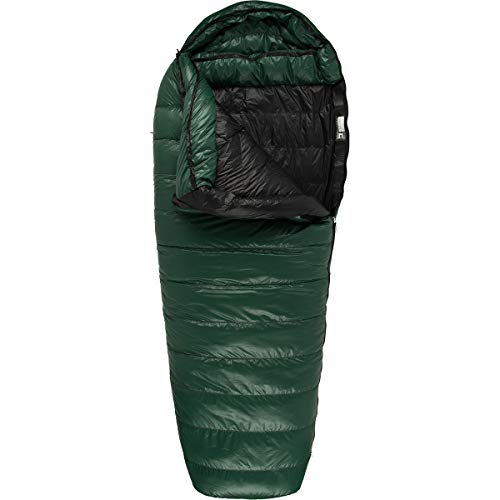
EXPEDITION-GRADE COLD WEATHER PERFORMANCE: Built for serious cold-weather camping with 2000G of premium 700FP RDS-certified white duck down. Independently ISO-tested with a Comfort Rating of 23°F (-5°C) and Limit Rating of 12.2°F (-11°C), delivering reliable warmth, exceptional loft retention and lightweight thermal efficiency for winter camping, overlanding, RV travel, and high-altitude outdoor use.
Managing and Processing Warranty Claims Effectively

Managing warranty claims effectively is essential for ensuring customer satisfaction and operational efficiency. By adopting claims automation, we can streamline our processes considerably. Here are key methods to enhance our management strategies:
- Automate Communications: Use software to keep customers informed in real-time about their claim status.
- Centralized Data Management: Track claims and analyze patterns effectively.
- Customizable Online Forms: Capture necessary information upfront, reducing follow-up requests.
- Instant Acknowledgment: Automatically send confirmation emails when claims are submitted.
These methods not only minimize manual errors but also foster clearer customer communication, leading to quicker and more accurate resolution of claims. When processing outdoor gear warranties, maintaining detailed documentation of product specifications such as waterproof coatings and materials can expedite claim validation and resolution. Ultimately, these practices boost customer satisfaction while reducing operational costs. Let’s embrace these strategies for a smoother warranty claims process.
Common Challenges in Gear Warranty Claims

While effective management techniques can streamline warranty claims, various challenges still persist in the gear warranty landscape. Here are some common issues we face:
- Warranty terminology confusion: Different terms can lead to misunderstandings about coverage and repairs. Customers may not know what’s included, especially with extended warranties.
- Parts sourcing delays: Often, the parts needed for repairs aren’t available locally. This can greatly lengthen repair times, especially during peak seasons when claims spike.
- Complex warranty terms: Ambiguous language can lead to disputes, leaving customers frustrated when claims are denied.
- Inefficient documentation: Manual entry can lead to errors, making the process slower and less reliable.
- Material durability concerns: Understanding the durability of gear materials, such as food-grade PEVA used in storage containers versus traditional plastics, can impact warranty expectations and claim outcomes.
Understanding these challenges helps us advocate for better practices that ultimately benefit everyone involved in the warranty process.
Optimization Strategies for Efficient Claims Processing
To enhance the efficiency of claims processing, we need to adopt a blend of technology and streamlined practices. Here are some strategies we can implement:
- Automate claims data exchange to reduce errors and speed up processing.
- Use risk scoring models for prioritizing claims based on urgency and complexity.
- Centralize claim communications for easy tracking and documentation access.
- Employ AI for claim prioritization, minimizing manual reviews.
- Enable real-time claim status tracking to boost transparency.
- Automate approvals for routine claims, cutting down on bottlenecks.
- Leverage user feedback from warranty claims to identify common equipment failure patterns and improve future product documentation.
Recommended Products
![AutoCAD 2022 Software [1 User CPU] [Single User] New.](https://m.media-amazon.com/images/I/41mCC1t5nAL._SL500_.jpg)
Perpetual Full Version. No subscription, no additional fees. Online account not included, so no Tech support . For Win-11 and 10 64-Bit Machines Only

Programmable USB Foot Pedal for keyboard actions and mouse clicks

【6-in-1 Smart Voice AI Mouse with Built-In Microphone】: Equipped with a high precision microphone and advanced AI chip, the Virtusx Jethro delivers voice typing, live transcription, real time translation, instant summarization powered by ChatGPT, Gemini and more. All functions are built directly into the mouse. Speak naturally and watch your words become text with exceptional accuracy, making everything from daily emails to long documents faster and easier.
Best Practices for Gear Warranty Claim Documentation
When it comes to gear warranty claims, detailed documentation is essential for a smooth process. To avoid claim disputes, we should focus on effective documentation. Here are some best practices:
- Document All Details: Include product serial numbers, purchase dates, and proof of purchase.
- Repair Order Descriptions: Record customer complaints, observed issues, and proposed fixes thoroughly.
- Visual Evidence: Use photos or videos of defects to bolster claims.
- Standardize Claim Forms: Templates help guarantee consistency and reduce errors.
- Digital Storage: Centralized repositories allow easy access and maintain audit trails.
- Regular Audits: These identify gaps and maintain standards.
- Retention Period: Keep warranty documentation for at least 3 to 5 years, as this aligns with the average lifespan of most outdoor gear products and ensures coverage throughout the typical warranty period.
Understanding Warranty Coverage and Eligibility
Understanding warranty coverage and eligibility is crucial for ensuring that you get the most out of your gear investment. By knowing the different warranty types and their eligibility criteria, we can make informed decisions.
Key Eligibility Criteria:
- Major brands: John Deere, Case IH, and Bobcat, among others.
- Tractors: Must be less than 15 years old and under 5,500 hours.
- Other equipment: Should be under 15 years and 3,500 hours.
General Coverage:
- Covers defects in materials and workmanship.
- Powertrain: Typically 5 years or 60,000 miles.
Common Exclusions:
- Damage from misuse or modifications.
- Pre-existing conditions may void claims.
When evaluating outdoor gear warranties, always verify that waterproof materials and insulation features are covered under the manufacturer’s defect policy, as these are critical components for performance in varying weather conditions.
The Role of Technology in Warranty Claims Management
In today’s fast-paced world, technology plays a pivotal role in transforming how we manage warranty claims. Here’s how:
- Technology Integration: Warranty platforms connect seamlessly with IT systems, enhancing workflow.
- Automated Processing: Digital platforms instantly verify eligibility, cutting down manual work.
- Cloud Systems: They give us real-time visibility of warranty status across locations.
- AI Utilization & Predictive Analytics: These tools forecast product issues and link data for better quality control.
- Data Insights: Analyzing warranty trends helps identify root causes and improves operational efficiency.
- Documentation Standards: Proper documentation of battery capacity and power specifications ensures accurate warranty claims for portable power equipment.
Recommended Products


Up to 20% more fuel efficient than leading competitors, this 22-kilowatt generator provides 22,000 watts of continuous power on propane and 19,800 watts on natural gas, with no refueling, no manual operation, and no extension cords needed

Industry best guard terminal accuracy
Frequently Asked Questions
How Long Does It Take to Process a Warranty Claim?
When we submitted our warranty claim for a defective backpack, it took about 30 days to process. We faced some processing delays, highlighting the importance of knowing the warranty claim timeline for future submissions.
Can I Submit a Claim if the Warranty Is Expired?
We can submit claims even with expired warranties, but success depends on manufacturer policies. When managing the claims process, gathering documentation and evidence of defects will strengthen our case. Let’s stay persistent!
What Happens if My Claim Is Denied?
If our claim’s denied, we’ll gather evidence and initiate a claim appeal, steering warranty negotiation like a skilled sailor in stormy seas, determined to uncover hidden truths and restore hope for coverage.
Are There Any Fees Associated With Filing a Warranty Claim?
Yes, there can be warranty fees associated with claim processing. These fees often cover labor and administration costs not included in the warranty. It’s important we’re clear about potential charges prior to filing our claims.
Can I Track My Warranty Claim Status Online?
Like a treasure map, warranty tracking can lead us to our claim’s status! Yes, we can track our online claims through the company’s portal using our claim number. Let’s stay informed together!


