As an Amazon Associate, we earn from qualifying purchases. Some links on this site are affiliate links at no extra cost to you. Our recommendations are based on thorough research and editorial judgment.


How Seasonal Storage Affects Gear Longevity

Seasonal storage plays a significant role in gear longevity, as fluctuations in temperature and humidity can impact materials. Here’s what we should consider:
- Temperature Changes: High heat can cause thermal damage while cold can lead to misalignment.
- Humidity Effects: Elevated humidity increases corrosion risks and promotes mold growth.
You may be interested


To protect gears, we should store them in cool, dry places, away from sunlight, and manage humidity below 60%. Stick around, and we’ll provide more practical tips to enhance gear preservation.
Key Takeaways
- Seasonal temperature fluctuations can cause thermal cycling, increasing brittleness and risk of cracks in gear materials.
- High humidity levels promote corrosion and mold growth, severely affecting gear functionality and longevity.
- Storing gears in climate-controlled environments prevents exposure to extreme temperatures and humidity, prolonging their lifespan.
- Regular inspections for moisture and degradation during storage are essential to detect early signs of wear and damage.
- Utilizing airtight containers protects gears from pests and environmental factors, effectively enhancing their durability over time.
Understanding Gear Longevity
Understanding gear longevity is essential for anyone looking to optimize performance and reduce costs over time. Different gear types experience various stress levels. For example:
– Spur and worm gears endure more stress, while helical gears offer a smoother engagement.
Material choices play an important role too. Hardened steel and alloys generally provide superior longevity compared to plastic options, which tend to wear out quickly.
Key factors influencing durability include:
- Manufacturing precision: Accurate tooth profiles and surface finishes reduce wear.
- Surface treatments: Techniques like case hardening can increase wear resistance.
Regular maintenance, like lubrication and inspections, is critical for detecting early wear signs. Similarly, outdoor equipment like portable fire pits benefit from proper storage practices, such as keeping them in dry places and inspecting for rust and corrosion to extend their usable life. By understanding these elements, we can make informed decisions that enhance gear performance and longevity in our applications.
The Role of Temperature in Gear Degradation

While we might not always think about it, temperature plays an essential role in how our gear degrades over time. Here’s what we should know:
- Temperature Extremes: High and low temperatures greatly impact mechanical properties.
- Thermal Cycling: Alternating heat can increase material brittleness, making our gear crack under stress.
- Chemical Breakdown: Elevated temperatures boost diffusion rates, leading to corrosion initiation and fast aging mechanisms.
- Moisture Ingress: Cracks allow moisture to enter, accelerating oxidation rates and reducing performance metrics.
- Mechanical Fatigue: Temperature fluctuations create stress, increasing the likelihood of failures.
- Material Considerations: Backpacks made from high-quality nylon or rip-stop polyester with reinforced stitching offer better resistance to temperature-related degradation during storage.
High Temperature Effects on Gears

The effects of high temperatures on gears can have a significant impact on their performance and longevity. Understanding these influences helps us make better decisions in gear maintenance and storage.
- High temperature can degrade gear materials like AISI 9310.
- Some materials, like VASCO matrix II, hold up better and offer greater fatigue life.
- Hot hardness and surface fatigue resistance are crucial for durability.
- Prolonged heat exposure leads to thermal aging, affecting lubricants and seals.
To maintain peak gear performance, we should consider:
- Using high-quality materials.
- Implementing uniform thermal management.
- Regularly monitoring temperature conditions.
Similarly, camping equipment stored in hot environments requires materials with corrosion-resistant properties, such as aluminum alloy, to maintain durability during seasonal storage.
Recommended Products

CONTAINS - ester base oils with the highest film strength and affinity for hot metal

Material and Purity: High-quality molybdenum disulfide (MoS2) with a purity of 99.5% and a fine particle size of 12 microns (5000 mesh) for uniform surface coverage.

Full synthetic 5W-40 diesel engine oil with Triple Protection Plus technology protects against wear, deposits, oil breakdown, and improves low-temperature flow
Low Temperature Impacts on Gear Components
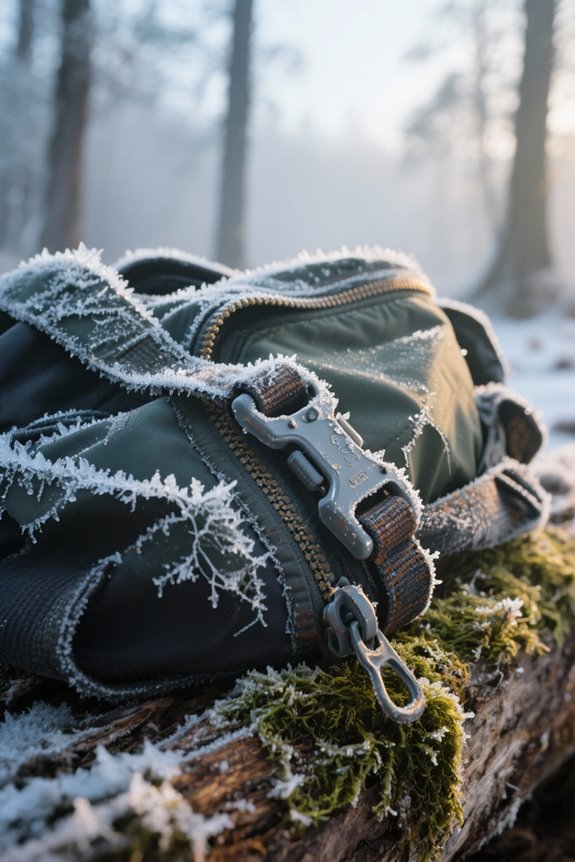
Low temperatures can profoundly affect gear components, and we need to pay attention to how these effects manifest in our systems. Here’s what we should know:
- Cold Weather Effects: Power loss in gear transmissions can spike, increasing friction by up to 300%. This can lead to considerably higher amperage demands for our motors.
- Lubrication Challenges: The thickness of lubricants rises in the cold, reducing flow and effectiveness. This can lead to insufficient lubrication, increasing wear on gear teeth.
- Material Stress: Metals contract in cold, which can misalign gears, heightening stress and fatigue. Elastomeric seals become brittle, risking breaks.
- Storage Considerations: When storing outdoor equipment like sleeping bags, temperature ratings become crucial as materials designed for warmth at 20°F or 30°F may degrade differently than those rated for milder conditions.
To maintain gear longevity, we must consider these elements when operating in lower temperatures, ensuring proper lubrication and preheating components when necessary.
Humidity’s Influence on Gear Materials

Humidity exerts a significant influence on gear materials, and understanding its effects is essential for maintaining our gear’s longevity. High humidity can lead to:
- Moisture Absorption: Organic materials like wood and leather absorb moisture, causing expansion and potential warping.
- Corrosion Risks: Metal components, especially steel, are prone to rust, reducing structural integrity.
- Mold Growth: Elevated humidity fosters mold and mildew, damaging gear surfaces and posing health risks.
To mitigate these humidity effects, moisture control is vital.
- Storage Solutions: Use desiccants or humidity controllers.
- Environment Monitoring: Keep relative humidity below 60%.
- Protective Measures: Regularly inspect and clean gear to prevent moisture-related deterioration.
Cork grips and EVA foam handles, commonly found on trekking poles, require particular attention in humid storage conditions as moisture can degrade their comfort-enhancing properties.
Effects of High Humidity on Gear Integrity
While we often focus on the aesthetic aspects of our gear, the impact of high humidity on its integrity is a critical concern we must not overlook. High humidity can lead to:
- Corrosion Acceleration: Moisture condenses on metal surfaces, causing rust and degrading components.
- Mechanical Weakness: Gear materials absorb moisture, reducing strength and increasing fatigue risk.
- Electrical Failures: Condensation can cause short circuits, disrupting electrical conductivity and reliability.
To counteract these issues, we need proactive measures:
- Corrosion Prevention: Use protective coatings and treatments regularly.
- Moisture Control: Employ dehumidifiers in storage spaces.
- Humidity Monitoring: Use hygrometers to keep track of moisture levels.
For outdoor equipment like coolers, consider replacing worn components with stainless steel screws and high-quality ABS materials that offer superior corrosion resistance in humid environments.
Recommended Products

FREESTANDING STORAGE SOLUTION: Organize kayaks, canoes, stand up paddle boards, surfboards, and paddleboard accessories with this 8-level kayak storage rack. Perfect as an indoor garage storage rack or outdoor kayak rack for docks, sheds, and yards.

Bluetooth App Monitoring: The Redodo 165Ah LiFePO4 battery features Bluetooth 5.0. Connect via the mobile app for real-time monitoring of voltage, current, power, and capacity, plus remote control over discharge and power-off functions

Heavy-Duty Tubular Frame: Sturdy frame supports up to 150 lbs per shelf, providing reliable storage for food, tools, equipment, and supplies in garages, basements, and attics.
Consequences of Low Humidity for Gear Performance
Understanding the consequences of low humidity on gear performance is essential, especially as we prepare for seasonal changes. Here’s what we should be aware of:
- Electrostatic Discharge (ESD): Low humidity can increase ESD risks, potentially damaging sensitive electronic components.
- Wood Components: In wooden gear, low humidity leads to shrinkage, causing cracks and stiffness, which can hurt performance.
- Mechanical Stress: Decreased moisture can also result in alignment issues, affecting overall functionality.
- Material Aging: While low moisture slows corrosion, it can lead to embrittlement in polymers and decreased gear integrity.
- Fabric Deterioration: Low humidity environments can compromise materials like 200D Oxford ripstop fabric, reducing their abrasion resistance and overall durability over time.
For effective gear maintenance, maintaining a balanced humidity level of 40-60% is critical. Let’s take these precautions to enhance the lifespan and reliability of our gear.
Recommended Products

Smart Bluetooth Monitoring: Auto-connects in seconds. Check battery status, control discharge, and run system checks right from your phone. Keep your adventures powered smoothly.

Includes: Rack mounting brackets, Temperature/humidity sensor, USB cable
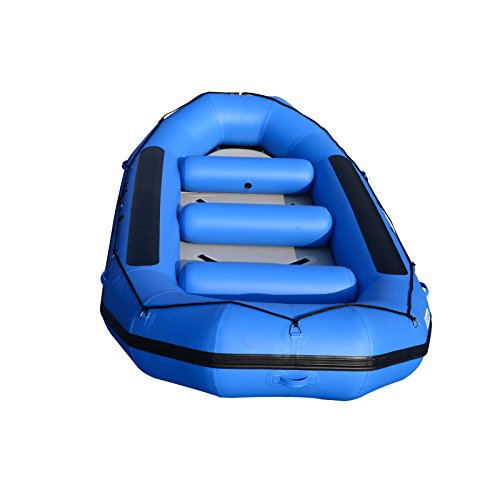
Premium Quality Materials : BRIS rafts are made by 2,000 Dtex 1.2mm PVC fabric with polyester support, having excellent resistance to tearing, tension and breaking . It is a much more heavy-duty PVC fabric than 1100 Dtex 0.9mm PVC rafts . Fabric is thick, puncture proof and abrasion resistant.These are commercial grade, exceptional quality and workmanship water crafts . and best of all, they are not expensive, so you can go rafting, without stretching your budget
Seasonal Storage Conditions and Their Risks
When we consider the risks associated with seasonal storage, it becomes clear that proper conditions can make all the difference in preserving our gear’s integrity. Here’s what we need to keep in mind:
- Climate Control: Use climate-controlled units for sensitive gear. Extreme heat, cold, and moisture can damage our equipment.
- Moisture Management: Avoid damp places. Utilize dehumidifiers and moisture absorbers to reduce risks of mold and mildew.
- Direct Sunlight: Choose storage spots free from sunlight to prevent UV damage to fabrics and boots.
- Ventilation: Guarantee good airflow to avoid stale odors.
- Pest Protection: Store items in airtight bins or bags, and regularly check for pest activity.
- Seam Integrity: Inspect tent seams before storage and apply a waterproof seam sealer if needed to prevent deterioration during off-season months.
The Dangers of Temperature Fluctuations
Proper seasonal storage is just the starting point for protecting our gear. We must also consider the dangers of temperature fluctuations, as they can wreak havoc on our equipment. Here are the primary concerns:
- Thermal Expansion: Repeated cycles induce stress, leading to microcracks and material fatigue.
- Vibration Issues: Dimensional changes can disrupt stress distribution, affecting meshing alignment and operational efficiency.
- Lubrication Strategies: Temperature shifts alter lubricant viscosity, risking inadequate protection and increased wear.
- Material Selection: Choosing inappropriate materials for gear construction can exacerbate tolerance losses.
- Failure Analysis: Regular performance testing is essential to catch issues caused by thermal impacts early.
Additionally, equipment with pressure sensor mechanisms can be particularly vulnerable to temperature-related damage if not stored in climate-controlled environments.
Seasonal Humidity Changes and Gear Wear
Humidity can have a significant impact on the longevity and performance of our gear, especially during seasonal changes. Let’s consider how we manage humidity through:
- Moisture Control: Natural fibers like cotton absorb humidity, leading to discomfort and accelerated wear. Choosing polyester or treated fabrics can help mitigate this.
- Environmental Conditions: High humidity levels (>70% RH) increase fabric saturation risks and microbial growth.
- Gear Maintenance: Regular checks for moisture during storage are essential.
- Storage Methods: Utilizing silica gel packets, ventilated containers, and avoiding compression storage can reduce moisture damage.
- Humidity Monitoring: Maintaining humidity below 60% with dehumidifiers can protect our gear from mold and corrosion.
Materials with water-resistant coatings and reinforced seams provide an additional layer of protection against moisture intrusion during storage periods between camping seasons.
Chemical Degradation Mechanisms Explained
Understanding chemical degradation mechanisms is crucial for maintaining the longevity of our gear. Several key factors contribute to this process:
- Chemical Reactions: Exposure to oxygen can lead to oxidation processes, weakening metal components.
- Environmental Factors: High humidity and temperature fluctuations accelerate reaction kinetics, particularly in polymers.
- Material Stability: Gears made from different materials react uniquely to seasonal conditions, influencing degradation mechanisms.
- Preventive Measures: Implementing proper storage strategies is essential. This includes keeping gear away from pollutants and UV light.
Physical Degradation and Its Impact on Gear Life
While we may focus on chemical processes when discussing gear longevity, physical degradation plays an equally crucial role that can’t be overlooked. Here’s how it impacts gear life:
- Abrasive Wear: This thins gear teeth, increasing the chance of breakage.
- Fatigue Pitting: Microcracks cause inefficiencies, driven by fluctuating loads and inconsistent lubrication.
- Surface Spalling: Larger material losses signify advanced degradation and potential sudden failure.
- Vibration Analysis: Increased vibrations signal issues, making regular gear inspection critical.
- Maintenance Schedules: Incorporating wear analysis helps us develop effective lubrication strategies.
Preventive Storage Strategies for Gear Preservation
To guarantee our gear lasts through many seasons, we need to adopt effective preventive storage strategies. Here’s how we can protect our belongings:
- Choose Protective Containers: Use airtight plastic bins for heavy garments. Delicate fabrics should reside in breathable cotton bags, while bulky items perform best in vacuum-seal bags.
- Maintain Ideal Conditions: Store gear in cool, dry, dark places. Avoid basements or attics, and use natural pest repellents like cedar blocks.
- Routine Inspections: Check gear periodically for mold or damage. Air out items like sleeping bags on sunny days, and reapply waterproof treatments before storage.
- Organize and Label: Sort gear by type or family, and avoid overpacking containers to allow airflow. This aids quick access when the season turns.
Implementing these preventive measures will considerably enhance our gear’s durability.
Recommended Products

COMPLETE 26-PIECE SET: Includes 10 glass containers with lids, 2 stainless steel scoops, 2 ¼ measuring cups, 2 modular storage bases, and 2 magnetic organizers, creating an all-in-one food storage system for a streamlined, clutter-free pantry.

GASKET BIN: Organize your home and keep clutter-free with the Sterilite 54-quart stackable storage containers with hinged latch clip gasket lids

Durability and Comfort: Heavy-duty construction with comfortable carrying handles ensures that you can transport your items easily and securely, no matter how rugged the storage conditions
Statistical Insights Into Gear Storage Effects
The impact of seasonal storage on our gear can’t be overstated, as various factors influence its condition and longevity. Here are some key statistics to reflect upon:
- Seasonal inventory levels can spike by 30-70%.
- Overstocking rates range between 15% to 35%, increasing holding costs.
- Stockouts during peak demand can lead to 20% lost sales.
To enhance gear durability, we should focus on proper gear categorization and adhere to seasonal trends.
By regularly auditing our inventory, which reduces shrinkage by 15-20%, we maintain gear condition.
Implementing climate control measures minimizes material degradation by up to 60%, ensuring that our gear stays functional. Adopting effective inventory methods like Just-In-Time can markedly cut storage-related deterioration, keeping our gear in top shape.
Frequently Asked Questions
How Can I Identify Signs of Gear Deterioration?
We can identify signs of gear deterioration through visual inspection techniques, noting non-uniform wear and rust. Additionally, we’ll look for chemical deterioration indicators like dark oil or leaks, signaling serious issues that need addressing.
What Types of Gear Are Most Sensitive to Environmental Changes?
About 75% of wooden instruments and antiques suffer from damage due to temperature fluctuations. We should recognize that sensitive materials like wood and paper need careful storage to avoid warping, cracking, and deterioration from environmental changes.
How Does Gear Maintenance Differ Across Seasons?
Gear maintenance varies seasonally; we perform thorough cleaning and routine inspections to address wear and protect components. Proper upkeep in spring and fall guarantees our gear remains reliable when we need it the most.
Are There Specific Storage Containers for Gear Longevity?
Imagine storing our valuable camping gear in weatherproof hard cases; it keeps it safe from moisture and damage. Using gear specific containers made of ideal storage materials guarantees we prolong our equipment’s lifespan and ready for adventures.
What Should I Do if My Gear Gets Wet?
If our gear gets wet, we should rinse it thoroughly, clean it with mild soap, and then air-dry using proper drying techniques. This helps prevent mold and guarantees our gear stays in great shape.


