As an Amazon Associate, we earn from qualifying purchases. Some links on this site are affiliate links at no extra cost to you. Our recommendations are based on thorough research and editorial judgment.


Understanding When to Repair vs. Replace Outdoor Equipment

When we’re deciding to repair or replace outdoor equipment, we should consider several key factors. First, apply the 50/50 rule: if repair costs exceed 50% of the replacement value, replacement might be wise. Also, assess equipment age and signs of performance decline, like unusual noises or reduced effectiveness. Finally, think about the environmental impact of repairs versus replacements. By weighing these aspects carefully, we can make informed decisions that extend our gear’s life. There’s more to uncover in this process.
Key Takeaways
- Assess repair costs against the 50% rule, ensuring they are lower than the item’s replacement value to justify the expense.
- Conduct a life cycle cost analysis, considering initial, operating, maintenance, and end-of-life costs for a comprehensive view.
- Monitor signs of performance decline, such as decreased functionality or unusual noises, to determine if repairs are necessary.
- Consider the environmental impact of repairs versus replacements, as repairs typically reduce waste and resource consumption.
- Consult with experts for insights on durability, maintenance strategies, and cost-benefit analyses to inform repair or replacement decisions.
The 50/50 Rule in Equipment Maintenance
You may be interested


When we think about maintaining our outdoor equipment, the 50/50 Rule often comes to mind as a handy guideline. This rule is a decision framework we use to decide between repair and replacement. Here’s how it usually works:
- Repair costs should be less than 50% of the replacement cost.
- “Replacement cost” varies: it can be the original price, used value, or new value, which can change our decision.
We primarily see this in application contexts like fleet and industrial equipment maintenance. While the 50/50 Rule is quick to apply, it’s important to remember that it oversimplifies the complexity of maintenance decisions. Factors such as equipment age, expected downtime, and future reliability also deserve our attention when evaluating what’s best for our equipment. For items like sleeping bags, we should also consider whether features such as waterproof materials and insulation quality justify repair costs or whether degradation in these critical components makes replacement the more sensible choice.
Conducting Life Cycle Cost Analysis

Conducting a Life Cycle Cost Analysis (LCCA) is essential for making informed decisions about our outdoor equipment. Through this economic evaluation, we assess the total cost of ownership over the equipment’s lifespan, including:
- Initial Costs: Purchase, installation, and permits
- Operating Costs: Energy, utilities, and labor
- Maintenance Costs: Scheduled upkeep and repairs
- End-of-Life Costs: Disposal and recycling
For camping stoves, proper storage practices like cleaning thoroughly and storing in cool, dry places can significantly reduce maintenance costs and extend the equipment’s lifespan.
Recommended Products
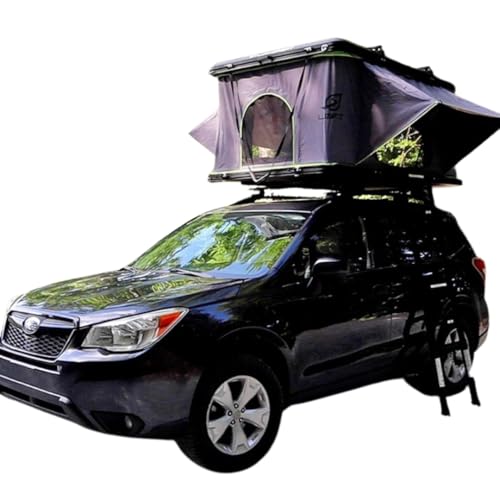
Super quick and easy set up and pack up.

Ditch the Bulky Battery: Fed up with bulky batteries wasting your space? 12V 320Ah compact battery cuts size by 1/3 smaller than 12V 300Ah, 70% lighter (57.3lbs) than 3 lead-acid 12V 100Ah, boasting 4096Wh energy (256Wh more power) to fit into tight spots and deliver extra power.
Space-Saving Powerhouse: 1/3 the size of standard 12V 300Ah batteries (32% smaller footprint!) but with 20AH HIGHER capacity. Ideal for RVs, campers, and marine vessels where every inch matters – fits seamlessly into tight battery compartments without sacrificing energy storage.
Recognizing Signs of Performance Decline

Recognizing signs of performance decline in our outdoor equipment is essential to maintaining efficiency and preventing costly repairs. We should keep an eye on critical performance indicators, such as:
- Unusual Odors or Smoke: These could signal overheating or electrical issues.
- Decreased Performance: Slower operation often indicates wear or inadequate maintenance.
- Warning Lights: If alarms light up, it’s a call for immediate attention.
- Unusual Noises: Grinding or hissing sounds might suggest component problems.
Paying attention to maintenance alerts and conducting regular inspections can help us catch issues early, reducing downtime and repair costs. For sleeping bags specifically, watch for declining insulation effectiveness when temperature ratings no longer provide adequate warmth during conditions they previously handled comfortably. Staying proactive with our equipment isn’t just ideal; it’s essential for safe and efficient operations.
Recommended Products

Industrial Outdoor Generator: Ideal for a wide variety of industrial lighting and and large equipment, this easy-to-use industrial generator features an electric start alongside a compact design that makes it easy to install on jobsites

16-INCH SOLARMAX HD TOUCHSCREEN: High-resolution display viewable at extreme angles and through polarized lenses

28,000 Peak Watts and 20,000 Running Watts; Easy-Access Start Panel with Remote Start Key Fob, Push-Button Electric Start, Engine Shut Off, and Battery Charging Port; Up to 15 Hours of Run Time at 25% load on a 17 Gallon Fuel Tank with Fuel Gauge
The Role of New Technology in Equipment Decisions

In today’s fast-paced world, the role of new technology in equipment decisions can’t be overstated. Embracing technological upgrades truly allows us to future-proof our investments. Here’s what we should consider:
- Performance Improvements: New equipment often offers better fuel efficiency and functionality, reducing long-term costs.
- Predictive Maintenance: With real-time monitoring, we can address issues before they lead to failures, further optimizing our operations.
- Regulatory Compliance: Advanced machines typically meet current safety standards, minimizing the risks associated with older models.
- Cost Analysis: If repairs exceed 50% of the equipment’s value or it’s over five years old, upgrading could be a smarter choice.
- Weight and Portability: Modern outdoor cooking equipment like pocket rocket stoves can weigh as little as 2.6 ounces while delivering superior performance, making them ideal replacements for heavier, outdated gear.
Balancing all these factors helps us make informed decisions, leading to enhanced productivity and efficiency in our work environment.
Recommended Products

Dual Kerosene Formula: Experience top-grade kerosene heating with our K1 Kerosene, optimized for efficient and clean kerosene heating in all environments.

Professional Dual Fuel Gas Range Stove – Made for modern kitchens, the KoolMore gas range burner made with stainless steel features manual control with easy-turn knobs, an accurate timer, and support for both traditional NG or LPG gas fuel needs.

PP150 pellet stoves for fireplaces are efficient for home heating up to 2,500 sq. ft. at almost 50,000 BTU, making them ideal for an older home, tiny home, shop, garage, cabin, and even for mobile-home use (fresh air kit included)
Environmental Impact of Repairing vs. Replacing

Understanding the environmental impact of repairing versus replacing outdoor equipment is essential for us as responsible stewards of the planet.
Repair benefits include:
- Waste Reduction: Repairs limit the amount of equipment ending up in landfills, which minimizes environmental contamination.
- Lower Emissions: Repair can cut emissions by approximately 40% compared to replacement. It conserves resources by preserving what’s already been produced.
- Resource Conservation: It decreases the demand on manufacturing, reducing the extraction of raw materials and the energy used in production.
- Supporting Sustainability: A focus on repair promotes environmental sustainability, allowing us to work towards net-zero emissions.
- Material Longevity: Quality outdoor gear made from hard-anodized aluminum demonstrates exceptional durability and corrosion resistance, making it worth repairing rather than replacing.
Cost Considerations for Repairing Equipment
When we think about whether to repair or replace our outdoor equipment, cost plays a significant role in our decision-making. Engaging in a thorough repair cost analysis helps us weigh options effectively. Here’s what to take into account:
- Upfront Costs: Minor repairs are often cheaper than full replacements.
- Lifespan vs. Investment: Assess whether repair costs (like a $50 carburetor fix) outweigh potential replacements (which can exceed $500).
- Future Repairs: Contemplate whether repeated repairs will add up, surpassing the value of a new unit.
- Labor and Parts: Remember that labor costs can vary; it’s important to factor all expenses into our maintenance budgeting.
For items like sleeping bags, consider that the construction quality significantly impacts longevity, and investing in durable materials upfront may reduce long-term repair needs.
Recommended Products
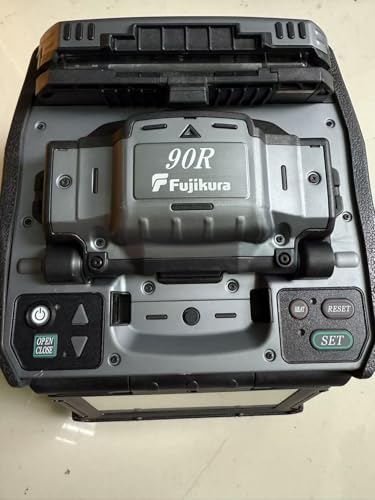
Package Accessories: 1,Mass fusion splicer 90R 2,Fiber Cleaver CT50 3, Ribbon Fiber Stripper RS-03 4, Battery Pcak BTR-15 5, AC Adapter ADC-20 6, AC Power Cord ACC-14 7, USB Cable USB-01 8, Fusion Splicer Strap ST-02 9,12 Fiber-Groove VG12-01 10, Hexagonal Wrench HEX-01 11, V-groove Cleaning Brush VCB-01 12, Carrying Case CC-39 13, Work Tray Left WT-09L 14, Work Tray Right WT-09R 15, Tripod Screw TS-03

✔️ECONOMICAL - The Newstripe 4250 Airless Striping Machine (P/N 10003947) is our most economical high pressure, pavement and athletic field marking machine. Weighing only 105 lbs., the 4250 shares many of great features of the 4400 and 4600, but with a more compact and lightweight design at a budget price. This makes it easy to push across the roughest pavement and athletic fields while producing bright and straight 2 inch to 6 inch wide lines.

44 lbs large dry ice hopper
Evaluating Equipment Age and Wear
Evaluating the age and wear of our outdoor equipment is essential for making informed decisions about repair versus replacement. Here’s how we can approach it:
- Equipment Inspection: Regular inspections help us identify rust, worn parts, or any issues that may arise.
- Maintenance Records: Keeping accurate maintenance records is crucial. They reveal whether our equipment is nearing the end of its lifespan.
- Age Threshold: Generally, equipment under 5 years old is often worth repairing.
- Usage Patterns: Consider usage frequency; high use can shorten lifespan.
- Environmental Effects: Harsh weather conditions can accelerate wear.
- Technological Advancements: Newer models might offer improved efficiency.
- Warranty Coverage: Many trekking poles come with a 1 year warranty covering defects in materials and craftsmanship, which can inform whether repair or replacement is the better option.
Recommended Products

Air Conditioner: 4th Generation DIY mini split air conditioner equipped with a low refrigerant alarm to prevent costly repairs and air filter cleaning and replacement alerts to ensure optimal air quality and efficiency

Fun, free standing playset for kids aged 3-12; includes- clubhouse with hardtop roof, 2 belt swings, trapeze bar, 9' wavy slide, propeller swing, climbing wall, cargo net, activity board and ships wheel with binoculars

[UL Certified Ultra-Long Range Battery] Massive 60V 70Ah battery charge once and rides for days: 90-180 miles (varies by speed mode terrain), enough for a full week of commuting, off-grid camping, or wilderness explorations. 1000+ charge cycle. Smart Battery Management System (BMS) prevents overheating/short circuits and complies with UL2271 certified for safety. Backed by 12.5A fast charger (5-6 hour full), this long range electric bike obliterates range anxiety.
The Importance of Backup Equipment
Having backup equipment isn’t just a nice-to-have; it’s an essential part of any operational strategy. Here are some key backup system benefits:
- Operational Continuity: Backup systems prevent interruptions, ensuring production and service delivery persist during primary equipment failures.
- Equipment Investment Importance: While the initial cost might be high, these systems can save money by minimizing downtime and avoiding costly repairs.
- Safety and Compliance: They help maintain critical safety systems, fulfilling legal requirements and protecting personnel.
- Extended Equipment Lifespan: Proper care and maintenance of backup gear ensures it remains functional and ready when needed, similar to how regular cleaning and storage practices prolong the life of outdoor equipment.
In short, investing in backup equipment is vital for maintaining operations and protecting our assets. Whether we’re in manufacturing or retail, having these systems in place safeguards against unexpected failures, allowing us to keep our business running smoothly and efficiently.
Understanding the Environmental Perspective
Understanding the environmental perspective is essential as we weigh the choices between repairing and replacing outdoor equipment. Here’s why considering environmental sustainability matters:
- Reduced Waste: Repairing extends equipment longevity, lowering waste accumulation.
- Lower Footprint: It minimizes the demand for raw materials, decreasing our environmental footprint.
- Diminished Emissions: By keeping existing equipment in use, we reduce greenhouse gas emissions linked to new manufacturing.
- Sustainable Practices: Repairing promotes resource reuse, reducing the need for frequent replacements.
However, if a replacement notably enhances energy efficiency, it could align with sustainability goals. Simple repairs like replacing worn components with weather-resistant materials can significantly extend the life of outdoor gear while maintaining performance. Ultimately, each decision we make either contributes to or detracts from a healthier planet. Let’s consider these impacts seriously when deciding between repair and replacement.
Expert Consultation for Decision-Making
When we face the choice between repairing or replacing outdoor equipment, seeking expert consultation can greatly enhance our decision-making process. Here’s how expert insights and decision frameworks can guide us:
- Financial Considerations: Experts often recommend replacing equipment when repair costs exceed 50% of its resale value.
- Age and Condition: Older equipment prone to breakdowns may lean towards replacement.
- Operational Impact: We should consider downtime costs; repairs may disrupt productivity.
- Risk Assessment: Utilizing risk matrices helps us evaluate repair frequency and replacement costs, making the best decision.
- Cost-Benefit Analysis: A thorough review allows us to weigh repair expenses against potential gains from newer technology.
- Material Durability: When evaluating outdoor gear longevity, specialists can advise on how material choices impact performance and determine whether repairs will restore equipment to optimal condition.
Consulting with specialists guarantees we make informed, strategic choices.
Frequently Asked Questions
What Are Common Repair Techniques for Outdoor Equipment?
We often use adhesive patches, waterproof tapes, and zipper replacement kits for quick fixes. Regular maintenance tips, like thorough cleaning and inspections, help us troubleshoot issues early, ensuring our outdoor gear remains reliable.
How Can I Assess the Value of My Equipment?
To assess our equipment’s value, let’s envision its lifespan as a tree: we’ll analyze its roots with a cost analysis, measuring age and condition, to uncover its true potential amidst shifting market winds.
What Resources Can Help Me Learn Repair Skills?
We can enhance our repair skills through video tutorials and community workshops. These resources provide hands-on experience, expert guidance, and a supportive environment, helping us develop the confidence needed to tackle equipment maintenance effectively.
Are There Warranties That Cover Repairs or Replacements?
Yes, there are warranties that cover repairs or replacements. We ought to look for warranty coverage that specifies repair specifications, ensuring we recognize what’s included and any responsibilities we have to keep the coverage valid.
How Does Equipment Downtime Affect My Decision?
Downtime costs us productivity and profits. When deciding to repair or replace, we must consider how often equipment fails. Regular checks can help us manage downtime better, ensuring our operations run smoothly and efficiently.


