As an Amazon Associate, we earn from qualifying purchases. Some links on this site are affiliate links at no extra cost to you. Our recommendations are based on thorough research and editorial judgment.


How Insulation Thickness Affects Cooler Performance

Insulation thickness profoundly impacts cooler performance. Here’s what we need to know:
- Thickness matters: Greater insulation thickness leads to better temperature retention.
- R-value connection: Higher R-values enhance efficiency; commercial coolers should aim for at least 25.
- Density effects: High-density materials trap heat effectively but can add weight.
You may be interested


With appropriate insulation, cooler durability increases and energy consumption decreases. Understanding these aspects is essential for optimizing performance and longevity. Stick with us to explore the latest innovations in insulation materials.
Key Takeaways
- Adequate insulation thickness directly improves cooler performance by minimizing thermal weak spots, enhancing overall temperature retention capabilities.
- Closed-cell foam insulation significantly contributes to prolonged ice retention, effectively maintaining cold temperatures for extended periods.
- Insulation thickness affects a cooler’s durability and lifespan, ensuring it withstands external temperature fluctuations without compromising efficiency.
- Measurement accuracy for insulation thickness is vital; any variations can misrepresent actual thermal performance and effectiveness.
- Thicker insulation generally yields higher R-values, indicating better thermal resistance and improved energy efficiency in coolers.
Understanding Insulation Thickness
When it comes to insulation thickness, how do we determine what’s right for our needs? We must consider several factors to guarantee peak performance:
- Insulation Uniformity: Measuring thickness at multiple points helps verify that insulation layers are consistent. This minimizes weak spots that can compromise thermal performance.
- Measurement Accuracy: Excluding variations caused by fixtures ensures we get a true representation of insulation thickness, which influences heat retention.
- Material-Specific Needs: Different materials offer varied R-values per inch, so our thickness choice needs to reflect the material’s properties to meet thermal resistance efficiently.
- Closed-Cell Foam Performance: Closed-cell foam acts as an effective barrier against temperature changes, with some premium coolers featuring 2.5-inch insulation that can maintain ice retention for up to 5 days even in 90°F temperatures.
Importance of R-Value in Coolers

Insulation thickness plays a significant role in how well our coolers perform, but understanding R-value is equally important. R-value measures thermal resistance, indicating how effectively insulation reduces heat transfer.
Key points on R-value include:
- Higher R-values mean better performance.
- Commercial coolers typically require an R-value of at least 25, while freezers often exceed 30.
- R-value influences energy efficiency and cooler lifespan.
For ideal cooler maintenance, we should prioritize insulation testing to guarantee our coolers perform effectively. Choosing the right insulation isn’t just about thickness; it’s about how much thermal resistance it provides. By focusing on both R-value and quality, we can maintain consistent temperatures, minimize energy costs, and promote durability in our coolers. Premium models like the Igloo Marine Series utilize THERMECOOL Foam insulation to achieve extended ice retention of up to 5 days.
The Role of Density in Insulation Performance

Understanding the role of density in insulation performance is vital, especially since it can greatly influence how well our coolers and freezers operate. Here’s what we should consider:
- Higher Density: It generally provides better insulation by trapping heat effectively, though it can increase weight.
- Thermal Conductivity: More density may lead to higher thermal conductivity, impacting performance.
- Structural Integrity: Density affects material stability, essential for long-term use.
- Balancing Factors: For ideal insulation, we must balance density optimization with weight and structural integrity.
When selecting insulation materials, we should remember that while density is key, it’s not the only factor. Premium roto-molded coolers typically feature thick insulation ranging from 1.5 to 3 inches, which directly impacts their ice retention capabilities. A well-thought-out approach guarantees that our coolers and freezers perform efficiently while meeting our performance needs.
Impact of Compression on Thermal Resistance

Although we might not think about it often, the impact of compression on thermal resistance is essential for the effectiveness of our insulation materials. Here’s what we should know:
- Compression decreases thickness, leading to a significant loss in R-value. For example, fiberglass batts can lose 10-25% of their R-value if compressed.
- The trapped air pockets critical for insulation become disrupted, increasing thermal conductivity and reducing thermal resistance.
- Insulation that fits snugly has a proportional R-value loss, especially in walls or crawl spaces.
- Moisture presence exacerbates compression effects, further lowering the R-value.
- Similar to how magnetic seals help portable coolers maintain thermal efficiency by preventing air gaps, proper insulation installation requires eliminating compression to preserve insulating properties.
To maintain ideal insulation performance, we need to carefully consider installation methods. Even small errors in measurement can create compression effects that degrade overall thermal effectiveness. Let’s prioritize proper sizing and installation!
Material-Specific Considerations for Insulation

When selecting the right insulation material for our projects, we should keep several critical factors in mind.
- R-Value: Polyurethane offers an R-value range of R-6 to R-8 per inch, superior to polystyrene’s R-2 to R-5.
- Thermal Conductivity: Polystyrene foam has low thermal conductivity, about 0.026 W/m·K.
- Durability: Fiberglass panels are durable but less thermally efficient.
- Moisture Resistance: Both extruded polystyrene and polyurethane resist water effectively.
- Cost-Effectiveness: Expanded polystyrene is more affordable yet less insulating than polyurethane.
Understanding material selection and manufacturing processes can guide us to make informed choices. For instance, polyurethane panels are often crafted by injecting foam between metal sheets, ensuring both performance and quality. In cooler backpacks, thick foam liners of 8mm or more provide optimal temperature retention, keeping beverages cold for 12 to 24 hours depending on the material quality and construction.
Environmental Factors Affecting Cooler Efficiency
Environmental factors markedly influence cooler efficiency and performance, building on our previous discussion about material considerations. Key elements to take into account include:
- Ambient temperature effects: Higher temperatures increase energy consumption as coolers work harder.
- Humidity impacts: Elevated humidity can reduce efficiency through condensation; dehumidification is essential.
- Air quality considerations: Poor air quality clogs filters, hindering airflow and cooling.
- Water quality issues: For evaporative coolers, high TDS levels can decrease pad efficiency.
- Seasonal adjustments: Different seasons require adjustments to maintain ideal performance.
- Weather extremes: Extreme conditions stress cooling systems, demanding more energy and attention.
- Maintenance practices: Regular upkeep is key for longevity and efficiency.
- Insulation thickness: Just as sleeping pads require specific thermal resistance values based on seasonal conditions, cooler insulation must be optimized for the environment in which it operates.
Practical Benefits of Optimal Insulation Thickness
Understanding the practical benefits of ideal insulation thickness in coolers is essential for anyone looking to maximize performance. Here’s what we gain:
- Energy Efficiency: Thicker insulation reduces heat transfer. This keeps contents cold longer, enhancing our user experience.
- Cost Savings: With less need for ice replenishment, we enjoy savings over time—an important consideration in our cost benefit analysis.
- Temperature Retention: Proper thickness guarantees consistent cold temperatures, improving our cooler’s overall effectiveness.
- Durability: High-quality insulation materials, like polyurethane foam, increase the cooler’s lifespan.
- Extended Trip Readiness: With up to 3 inches of insulation, premium coolers can keep ice frozen for several days, making them ideal for camping adventures and long outdoor excursions.
In essence, investing in proper insulation thickness isn’t just a purchase decision; it’s a smart long-term investment that pays off in performance and reliability.
Recommended Products
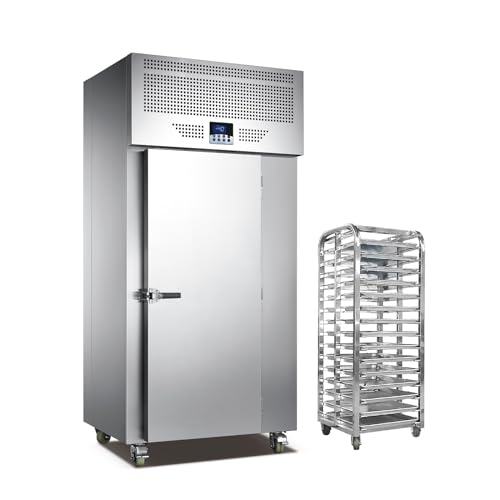
PROFESSIONAL SHOCK FREEZING TECHNOLOGY: Commercial blast chiller rapidly reduces hot food center temperature from +90°C to +3°C (+194°F to +37.4°F) within 90 minutes (chilling mode), and to -18°C (-0.4°F) within 240 minutes (freezing mode). Lowest temperature -40°C (-40°F). 360-degree cooling air convection locks in food quality and nutrition. Includes food probe to monitor center temperature accurately. Perfect for restaurants, hotels, bakeries, and ice cream shops

SPRAY FOAM INSULATION KIT INCLUDES: 216 Pcs Spray Foam Insulation (25.4 oz. - 750 ml), 12 Foam Gun Cleaner (9.9 oz./500 ml), 12 Teflon Coated Spray Insulation Foam Gun, 216 Pcs Red Nozzle (A-B), 24 Pcs Short, 24 Long Foam Gun Nozzle Tips, 216 Pcs Spray Foam Can Nozzles, 12 Safety Suit Coverall, 12 Safety Goggle, 72 Pcs Disposable Gloves, 12 Pcs Safety Mask, 1 Pcs Foam Gun User Guide. (Also you can see on each can’s how to use instructions)

High-Performance Commercial Refrigerator: The Coolski 82"W commercial refrigerator offers a spacious 72 Cu.Ft capacity, featuring a powerful cooling system that maintains temperatures between 33℉ to 41℉. Auto defrost systems can prevent the formation of frost help to retain foods' flavor and lock in nutrients.
Comparison of High-End vs. Basic Cooler Insulation
A crucial aspect to take into account in cooler selection is the difference in insulation between high-end and basic models.
- Material Differences: High-end coolers often feature rotationally molded polyethylene with high-density polyurethane foam, unlike basic models that typically use polystyrene or less effective spray foam.
- Insulation Thickness: High-end models boast 2-3 inches of insulation, ensuring better temperature retention.
- Durability: Premium coolers are built to withstand rough handling, enhancing their lifespan.
- Insulation Effectiveness: The low thermal conductivity of polyurethane, around 0.02-0.03 W/m·K, considerably aids in keeping ice for days.
These cooler comparisons clearly reveal why investing in a high-end option can truly pay off. For example, Pelican Elite Coolers utilize 2 inches of polyurethane insulation combined with a freezer-grade gasket to achieve over ten days of ice retention in their 95QT model. So, when choosing your cooler, consider insulation effectiveness as a key factor.
Vacuum-Insulated Panels: A Cost-Performance Trade-Off
When we think about insulation innovations, vacuum-insulated panels (VIPs) stand out due to their unique mechanics and impressive thermal performance.
VIP Advantages:
- High R-values (up to 66) for minimal thickness.
- Energy savings in space-constrained applications.
VIP Limitations:
- Higher initial costs due to manufacturing complexity.
- Performance can degrade over time, affecting lifecycle efficiency.
Cost Implications:
– Increased adoption despite costs, fueled by market trends favoring energy efficiency.
Application Versatility:
– Ideal for refrigeration, building facades, and appliances.
Material Innovations:
– Enhanced durability expands VIP use in various sectors.
As we weigh these factors, it’s clear that understanding both cost and performance impacts is essential in making informed insulation choices. Similarly, outdoor coolers utilize various insulation types like TempLock and Ultratherm foam to achieve ice retention ranging from 12 hours to 5 days, demonstrating how insulation quality directly impacts thermal performance in consumer products.
Assessing Local Climate for Insulation Needs
To optimize our insulation choices, evaluating the local climate is essential. Here’s how climate affects our insulation needs:
- Climate Zones: Each zone (1-8) has distinct temperature and humidity levels.
- Energy Efficiency: Proper insulation boosts energy efficiency, minimizing costs.
- Building Codes: Local codes can vary, so we should check with authorities.
- R-Values: Colder zones require higher R-values, which enhance thermal performance.
- Moisture Management: In humid areas, insulation must handle moisture effectively.
- Insulation Types: Different conditions call for specific insulation types; knowing this helps guarantee sustainability.
- Material Strength: Just as thicker PVC construction increases resistance to punctures in outdoor equipment, denser insulation materials provide better protection against temperature fluctuations.
Understanding these regional differences allows us to choose the best insulation, guaranteeing we meet local climate conditions and maximize efficiency.
The Balance Between Thickness and Material Technology
Balancing insulation thickness with advanced material technology is essential for optimizing cooler performance. Here’s how different choices affect our coolers:
- Polyurethane Foam: Provides excellent insulation (k-value of 0.02–0.03 W/m·K) but adds bulk.
- Aerogel: Superior performance (k-value of 0.01–0.1 W/m·K) allows thinner walls, albeit at a higher price.
- Polystyrene: Offers lower efficiency, requiring increased thickness for similar performance standards, making it less ideal for premium coolers.
Long-Term Effects of Insulation on Cooler Performance
Understanding the long-term effects of insulation on cooler performance is essential for anyone invested in keeping their food and drinks cold. Here’s what we should consider:
- Ice Retention Strategies: Thicker insulation leads to better temperature control and longer ice retention.
- Cooler Lifespan Enhancement: Proper insulation reduces heat stress, enhancing durability.
- Energy Efficiency: Better insulation means less ice is needed to maintain temperatures, saving resources.
- Material Considerations: Different materials like foam and vacuum impact thermal performance and longevity.
Frequently Asked Questions
How Does Insulation Thickness Affect Cooler Weight and Portability?
When we consider insulation thickness, cooler weight and portability often clash. Thicker insulation materials in cooler design add heft, making transport trickier, but ultimately enhance performance. Striking balance is key to optimize our cooler experience.
Are There Specific Insulation Thickness Standards for Different Cooler Types?
Yes, there’re specific insulation thickness standards for different cooler types, dictated by insulation regulations. In cooler design, we aim for peak performance, ensuring appropriate thicknesses are used to meet energy efficiency and condensation control requirements.
Can Inadequate Insulation Thickness Lead to Product Warranty Issues?
We’ve seen how inadequate insulation thickness can undermine insulation effectiveness, leading to warranty claims. While manufacturers promise durability, they often exclude coverage for insulation issues—highlighting the importance of meeting proper thickness standards for lasting performance.
How Do Repairs or Modifications Impact Insulation Thickness in Coolers?
Repairs and modifications, like using advanced insulation materials or effective repair techniques, can greatly enhance insulation thickness. By addressing leaks and optimizing material choices, we can improve our cooler’s overall efficiency and performance effectively.
What Are the Safety Considerations for Thicker Insulation in Coolers?
Studies show that 70% of cooler safety issues stem from insulation choices. When using thicker insulation, we’ve got to evaluate potential safety risks like moisture buildup and structural integrity, making professional installation essential for peak performance.


