As an Amazon Associate, we earn from qualifying purchases. Some links on this site are affiliate links at no extra cost to you. Our recommendations are based on thorough research and editorial judgment.


How to Plan for Emergency Situations in the Backcountry

When planning for emergencies in the backcountry, we must take proactive steps. Here’s how:
- Route Research: Match our route to skills and check for campsites.
- Itinerary Info: Share our exact route, dates, and emergency contacts.
- Emergency Kit: Pack essentials like gauze, medications, and a multi-tool.
- Weather Awareness: Stay informed about conditions and portable navigation tools.
You may be interested



By following these guidelines, we can enhance safety on our adventure. There’s more to uncover about emergency preparedness strategies.
Key Takeaways
- Assemble a comprehensive emergency kit, including first aid supplies, multi-tools, and signaling devices like whistles and emergency blankets.
- Inform others of your itinerary, including exact routes, expected timelines, and emergency contacts.
- Monitor weather conditions using multiple sources and prepare for microclimates while checking gear for wind resistance.
- Ensure effective communication with devices like Personal Locator Beacons and satellite messengers for emergencies.
- Familiarize group members with hygiene practices, medical supplies, and emergency response procedures for efficient assistance when needed.
Route Research and Planning
When we plan a trip into the backcountry, it’s essential to start with careful route research and planning. Effective route evaluation and terrain analysis lay the foundation for a safe adventure. Here are some tips:
- Choose wisely: Align the route with our group’s experience, fitness, and time availability.
- Assess elevation and mileage: Find routes that match our skill levels to prevent fatigue or danger.
- Weather watch: Stay informed about seasonal patterns and hazards like avalanche risks.
- Identify resources: Look for campsites and water sources for convenience.
- Prepare alternatives: Have backup routes ready to respond to unexpected situations.
Using topographic maps and digital tools can enhance our understanding of terrain features and guarantee confident navigation. Additionally, consider the weight capacity of any portable camping tables you plan to bring, as they typically support between 66 to 88 lbs and must accommodate your cooking equipment safely.
Informing Others of Your Itinerary

Planning our backcountry trip involves more than just route research; it’s essential to inform others of our itinerary. By sharing this information, we enhance safety and readiness in emergencies. Here’s what to include:
- Trail Details: Exact trail names and routes.
- Dates & Times: Start and end dates with expected arrival and departure times.
- Campsites: Planned campsites, stopping points, and alternatives.
- Emergency Contacts: Key numbers and medical info.
- Landmarks: Locations of water sources and significant landmarks.
We should update our contacts with any itinerary changes and set regular check-in times if possible. Leaving a printed or digital copy with a trusted person increases our chances of a swift response, should anything go wrong. Additionally, consider packing a portable propane stove in your emergency gear, as lightweight cooking equipment can prove invaluable during unexpected delays or when emergency shelter becomes necessary.
Assembling a Comprehensive Emergency Kit

As we venture into the backcountry, it’s essential to have a well-assembled emergency kit. A properly organized kit can make an important difference in emergencies. Here are key components we recommend including:
Wound Care:
- Hemostatic gauze for major wounds
- Sterile gauze pads in various sizes
- Triangle bandages for slings
Medications:
- NSAIDs like ibuprofen
- Antihistamines for allergies
- Personal prescription meds in waterproof containers
Tools:
- Multi-tool for repairs
- Emergency blanket for shelter
Hygiene:
- Nitrile gloves to prevent infection
- Hand sanitizer for cleanliness
Signaling:
– Whistle for attracting help
Heat and Light:
– In areas where campfires are permitted, a portable fire pit can provide both warmth and a means to purify water or cook food during extended emergencies.
Recommended Products

VARIETY MEAT KIT INCLUDES:- Our Variety Kit Includes 4 Pouches of Chicken Dices, 4 Pouches of Beef Dices & 4 Pouches of Ground Beef Contains 10 Servings Per Pouch. Great for feeding a family or a large group. Made with no preservatives, artificial flavors or colors.

Pro Series Design: Equipped with hospital-quality tools, this professional first aid kit ensures preparedness for backcountry emergencies

Military-grade water purifier pump removes viruses, bacteria, protozoa, and particulate from contaminated water sources virtually anywhere on earth
Understanding Weather Conditions
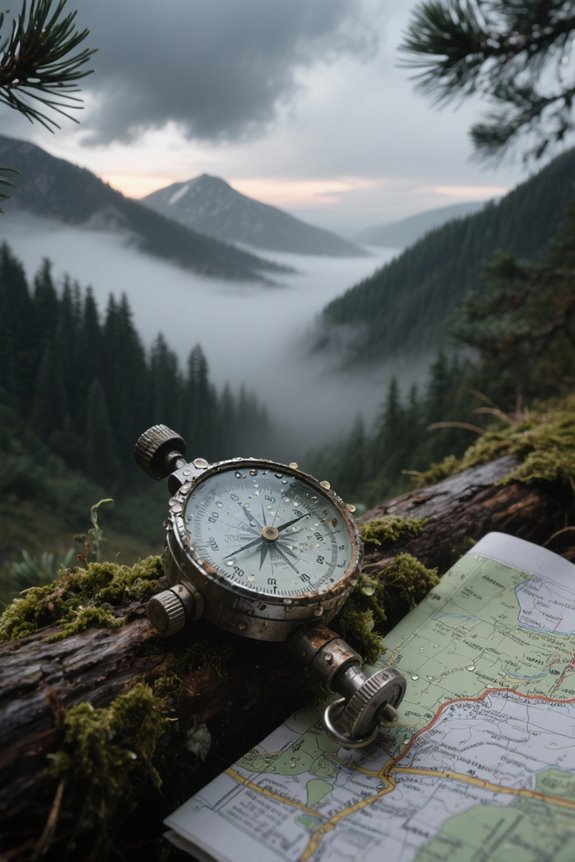
Understanding weather conditions in the backcountry isn’t just helpful; it can be crucial for our safety.
We need to recognize that weather patterns in mountainous areas can shift unexpectedly. Here’s how to stay informed:
- Research before departure: Look into historical weather patterns for our destination.
- Check multiple sources: Don’t rely solely on one forecast; consult local ranger stations and experienced hikers.
- Microclimate awareness: Elevation and geography can create diverse weather conditions; be prepared for sudden changes.
- Monitor conditions: Observe the sky, wind, and temperature constantly. If cumulonimbus clouds appear, we need to act quickly.
When planning our shelter strategy, consider that quality camping tents should withstand winds over 35 mph and provide reliable protection during unexpected storms.
Assessing Physical Fitness for Hiking
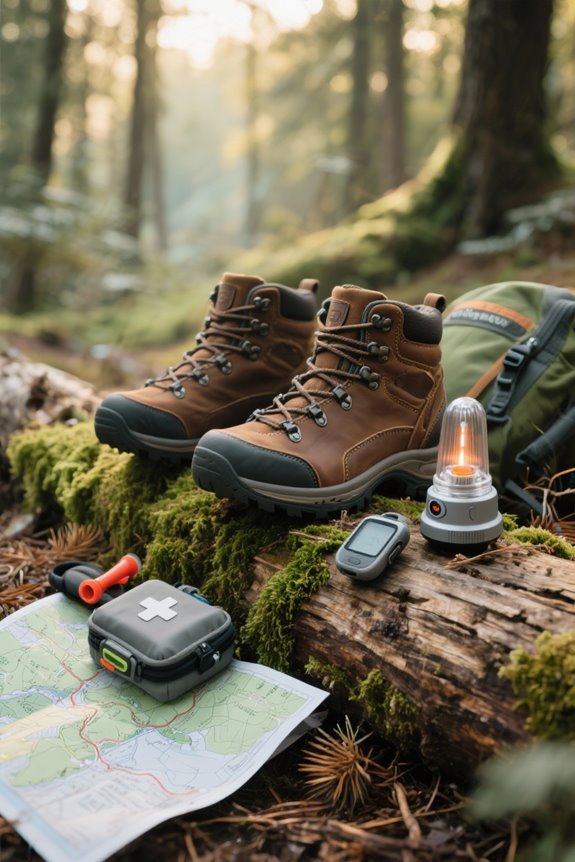
Before heading out on a backcountry hike, it’s essential we assess our physical fitness to guarantee we’re adequately prepared. Here are some key points to help us evaluate our hiking readiness:
- Fitness Benchmarks: Rate our fitness from 1 (no activity) to 10 (elite endurance).
- Objective Factors: Consider daily mileage with a pack, elevation gain, pack weight, and terrain difficulty.
- Subjective Factors: Reflect on our perceived exertion, recovery time, and joint or breathing discomfort.
We can categorize our preparation into levels:
- Entry-level: 30+ minutes walking twice a week.
- Intermediate: 5–6 sessions weekly, covering 12–14 miles/day with a pack.
- Advanced: 5–7 sessions weekly, tackling steep terrain with a 35–45 lb pack.
Honest self-assessment is vital for a successful hike! Additionally, selecting lightweight trekking poles can help reduce fatigue during long distances and improve stability on challenging terrain.
Essential Navigation Tools for Safety
Steering through the backcountry safely requires reliable tools that help us stay on course and make informed decisions. To enhance our wayfinding, we should consider:
- GPS Devices: These track our position and store routes, which are invaluable for retracing our steps. Models like the Garmin Instinct are excellent for outdoor use.
- Watches for Navigation: GPS and altimeter watches help us calculate distances and track our pace, aiding in dead reckoning.
- Magnetic Compasses: Even with advanced wayfinding technology, compasses are essential backups. We need to master compass techniques like orienting maps and finding bearings.
- Maps: Carry both paper and digital maps. Waterproof storage protects paper, and apps like GaiaGPS can help in wayfinding.
- Trekking Poles: Quality poles with tungsten carbide tips enhance traction and stability on uneven terrain, serving as multi-use tools that can assist with balance during emergency navigation situations.
Recommended Products

inReach Satellite Communication: Stay connected anywhere with two-way messaging, interactive SOS alerts, and location sharing and tracking via the global Iridium satellite network, and trigger an interactive SOS to Garmin Response, a 24/7 staffed emergency response coordination center (active subscription required) ensuring communication even in areas without cell coverage. Make more time for adventure with this premium, rugged GPS handheld and satellite communicator.

Bundle Includes: Garmin GPSMAP 67i Rugged GPS Handheld with inReach Satellite Technology + USB Charching Adapters Cube + Microfiber Cleaning Cloth + P-Bank Battery + microSDHC Ultra 32GB Memory Card with Adapter
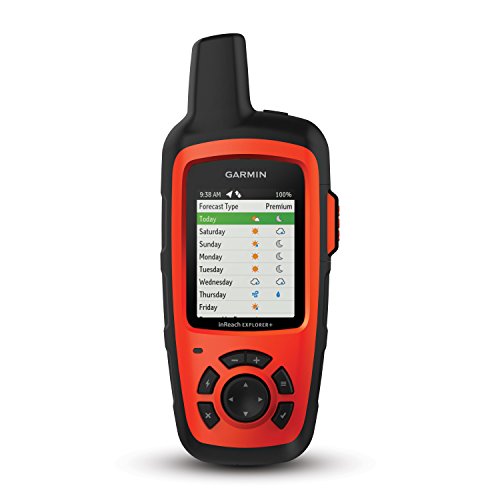
100 percent global Iridium satellite coverage enables two way text messaging from anywhere (satellite subscription required)
Customizing Your First Aid Kit
Maneuvering the backcountry means being prepared for anything, and that includes having a well-stocked first aid kit on hand. Customizing our kit guarantees we’re ready for injuries while focusing on injury prevention. Here’s what we should include:
Recommended Products
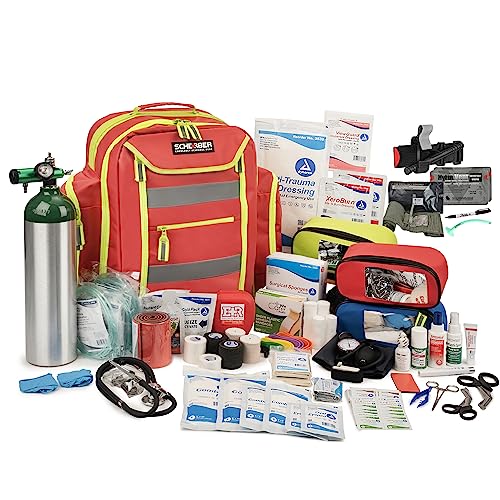
THE PERFECT FIRST RESPONSE BAG| Be Fully Stocked & Ready to Go in Case of Emergency! | High-Performance, HSA/FSA Approved Trauma & Bleeding Backpack Kit Includes Everything Professionals Need to Protect & Serve with Confidence including CAT Tourniquet, QuikClot 4x4 Dressing, HyFin Vent Chest Seal, Israeli Bandage & Oxygen Tank | Perfect for EMT, EMS, Fire, Police, Paramedics & Other Servicepeople | Extra Large Model Measures 22” x 14” x 8”

Coast Guard Approved First Aid Kit: Coast Guard Approval #160.041/23/0 ensures this marine first aid kit meets rigorous maritime safety standards

PRO KIT CONTAINS OVER 200 ITEMS: Guard life in an instant with our hand selected supply and variety of essential first aid accessories. This mighty med pouch has all the necessities you need for an emergency at home, work, school, or overnight overlanding trip.
Medical Supplies for Wounds
- Assorted bandages and adhesive strips
- Sterile pads and gauze
- Antibacterial ointment
Control & Management Tools
- Splint materials and bandages
- Hemostatic gauze
- A commercial tourniquet
Medications & Relief
- Pain relievers like ibuprofen
- Antihistamines for allergies
- Electrolyte powder for dehydration
Prevention Gear
- Sunscreen and bug spray
- Blister treatment supplies
Comfort & Protection
– A lightweight sleeping pad can serve double duty as insulation for injured individuals to prevent heat loss while waiting for help.
Effective Illumination for Nighttime Use
How can we guarantee we have effective illumination when traversing the backcountry at night? Let’s focus on light source selection and various illumination techniques. Here are some key points:
- LED Headlamps & Lanterns: Portable and long-lasting, ideal for brightening up the surroundings.
- Color Modes: Use red or amber light on headlamps to maintain night vision.
- DIY Options: Convert a water bottle into a lantern for diffused ambient light.
- Backup Options: Carry emergency glow sticks as weatherproof light sources.
Always bring extra batteries and test your gear before heading out. Position lights carefully to mark pathways or hazards, and use dim lighting to minimize glare. For extended backcountry trips, consider battery-powered lanterns with multiple lighting modes that can run for 50 to 100 hours depending on brightness settings. Each strategy guarantees we’re equipped for any nighttime situation efficiently and safely.
Recommended Products

✨【Suitable for】Full led headlights and full led taillights. Perfect Fit for (Factory halogen headlight model) 2015-2021 SUBARU WRX STI 1st Gen headlights/taillights. Not fit factory LED headlight models (not fit 16-pin plug and 20-pin plug).
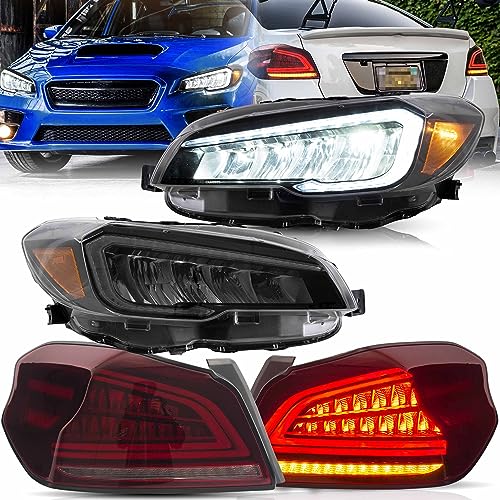
✨【Suitable for】Full led headlights and full led taillights. Perfect Fit for (Factory halogen headlight model) 2015-2021 SUBARU WRX STI 1st Gen headlights/taillights. Not fit factory LED headlight models (not fit 16-pin plug and 20-pin plug).
![VLAND LED Amber DRL Headlights & Smoked Taillights Compatible For [ 2015 2016 2017 Ford F150 ] With Red Turn Signal Lights Lamps Assembly, (Not Fit a BLIND Model & Factory LED Version)](https://m.media-amazon.com/images/I/51+9ZMzYttL._SL500_.jpg)
🔷Direct OEM Fitment - Projector LED headlights and smoked tail lights Compatible for 2015 2016 2017 Ford F150 XL, XLT, Lariat, King Ranch, Platinum, Limited. Just fit for Orignal Halogen version, not fit led version.(Don't Fit For F250 /F350 / Ford Raptor). Designed as a perfect replacement for your OE lights, they install the same way as factory units.
Fire Safety and Fire Starter Essentials
When we head into the backcountry, why is fire safety so essential? Understanding fire hazards and wildfire prevention is vital for protecting our environment and ourselves. Here are some key strategies:
- Preventive Measures:
- Use spark-producing equipment only in cooler, less windy periods.
- Park vehicles on clear ground to avoid igniting dry vegetation.
- Secure towing chains to prevent sparks.
- Fire Starter Essentials:
- Carry multiple ignition sources: waterproof matches, stormproof lighters, and ferrocerium rods.
- Pack dry tinder in waterproof containers, such as cotton balls soaked in petroleum jelly.
- Always practice fire-making skills in various weather conditions.
- Ferrocerium rods are particularly reliable because they produce high-temperature sparks up to 5,500°F, ensuring ignition even in wet or adverse conditions.
Follow local regulations and extinguish all fires completely before leaving. Stay safe and prepared!
Lightweight Emergency Shelter Options
Being prepared in the backcountry not only means knowing how to start a fire but also having a reliable shelter. Here are some lightweight options that balance packability and functionality:
- Tarps: Ultralight, easy to set up, and allow versatility in design. Practice your pitching skills!
- Bivy Sacks: Compact and waterproof, perfect for solo hikers needing quick protection.
- Teepee Shelters: Great for groups, but require good anchoring and aren’t bug-proof.
- Hammocks with Rain Fly: Ideal for rocky terrain; keep us off the ground.
- Hybrid Tarp-Tents: Blend benefits of both tarps and tents, good for various conditions.
Using quality shelter materials, like Dyneema or coated nylon, enhances durability. Mastering setup techniques guarantees we stay safe and dry. Don’t forget to pack a camping lantern hanger for emergency lighting during outages, as these lightweight tools typically weigh between 0.6 lbs to 11.2 ounces and can support lanterns weighing 5 to 15 pounds.
Recommended Products

The Alpine AscentShell Bivy is constructed to enable solo adventuring and fast-and-light movements in the mountains and beyond.
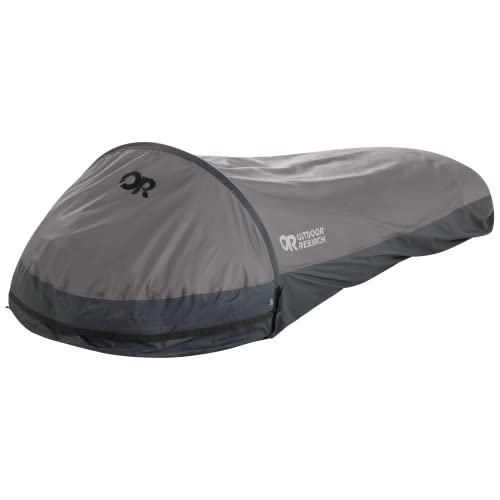
Ultralight comfort

Revolutionary Fabric Technology - Proprietary HyperBead fabric delivers 6% lighter, 25% more waterproof, and 65% stronger performance without added chemicals. Available in both one person tent (1 lb. 11 oz.) and two person tent (1 lb. 14 oz.) configurations for ultralight backpacking
Communication Devices and Signaling Techniques
In the backcountry, effective communication can be a lifesaver. We have several communication device types to evaluate:
- Personal Locator Beacons (PLBs): Send a one-way SOS without subscriptions.
- Satellite Messengers: Allow two-way texting and GPS but require monthly plans.
- Satellite Phones: Offer global voice calls but are heavy and expensive.
- Mobile Mesh Networks: Enable local communication but are limited beyond groups.
To signal effectively in emergencies, follow these emergency signal techniques:
- Move to open ground for better reception.
- Activate PLBs or messengers only in true emergencies to keep them available.
- Utilize two-way messaging for urgent updates.
Managing Personal Medical Needs
Managing personal medical needs in the backcountry is essential, especially since many of us rely on our physical well-being to enjoy outdoor adventures. Here are key considerations:
- Personal Allergies: Make sure we have supplies for allergic reactions. This includes epinephrine auto-injectors for those who need them.
- Chronic Conditions: Customize medical kits to accommodate chronic issues. Bring enough prescription medications for the entire trip, plus extra just in case.
- Emergency Supplies: Pack basic first-aid items such as pain relievers, infection control supplies, and treatments for common ailments like altitude sickness.
- Education: Familiarize everyone in the group with the location and use of medical supplies. This facilitates prompt assistance, critical in emergencies.
Maintaining Hygiene and Sanitation
To keep ourselves healthy and safe in the backcountry, prioritizing hygiene and sanitation is essential. Here are key practices to follow:
- Hand Hygiene: We should always use alcohol-based hand sanitizer after bathrooms and before meals. Soap and water are best when available.
- Biodegradable Soap: Opt for unscented, biodegradable soaps, keeping them 200 feet away from water sources to protect ecosystems.
- Foot Care: Regularly clean our feet in a creek and rotate socks to prevent blisters.
- Waste Disposal: Pack out wipes and bury human waste 6-8 inches deep, away from water.
Protocols for Emergency Sheltering and Warmth
When we find ourselves in an emergency situation in the backcountry, setting up an effective shelter can be the difference between safety and discomfort. Here are some essential shelter types and insulation techniques we can utilize:
- Lean-to shelters: Quick and easy to build, ideal for mild climates. Insulate with foliage or blankets.
- A-frame shelters: Provides excellent wind protection; layers of leaves or moss enhance warmth.
- Debris huts: Maximizes heat retention with a snug fit and requires efficient insulation.
- Snow caves: Surprisingly warm when built correctly; excellent for cold conditions.
To retain warmth, let’s:
- Insulate floors with pine boughs or leaves.
- Layer walls with natural materials to minimize air gaps.
- Keep shelter sizes small for better heat retention.
Evacuation Planning and Resource Inventory
In the backcountry, emergencies can strike unexpectedly, making it crucial for us to prepare a robust evacuation plan along with a well-organized resource inventory. Here’s how we can do that:
Evacuation Routes
- Identify potential threats like wildfires or floods.
- Map out clear evacuation routes, avoiding fire roads.
- Designate safe meeting points for our group.
Resource Inventory
Let’s confirm our kits include:
- Essential Supplies: Non-perishable food, water, first aid kits.
- Communication Tools: Cell phones, chargers, battery-powered radios.
- Safety Gear: Face masks, flashlights, extra batteries.
- Health Needs: Medications, sanitation supplies.
- Pet Supplies: Pet food, water, identification.
Frequently Asked Questions
What Should I Do if I Get Lost?
If we get lost, we should stop moving, stay calm, and assess our supplies. Using navigation techniques and signaling methods can help. Let’s remember to conserve energy and stay alert for rescue opportunities.
How Can I Choose Hiking Partners Wisely?
Selecting hiking partners is like setting sail; we must guarantee our hiking personalities align for smooth journeys. By prioritizing partner compatibility in experience and motivation, we can confidently explore the great outdoors together, avoiding potential storms.
What Are Common Misconceptions About Backcountry Emergencies?
Common misconceptions about backcountry emergencies stem from misunderstanding risk and survival myths. We often underestimate the severity of injuries, overemphasize unlikely threats, and neglect the importance of proper first aid and timely assessments.
How Do I Manage Fear During an Emergency Situation?
To manage fear during emergencies, we must prioritize emergency preparedness through practice and knowledge. By training and familiarizing ourselves with our gear, we gain confidence in our ability to handle stressful situations effectively.
What Are the Best Practices for Decreased Visibility Conditions?
When visibility decreases, we should rely on navigational tools like compasses and maps, practice weather preparedness, and maintain calm with clear communication. Team navigation enhances safety, guiding us through disorienting conditions effectively.


