As an Amazon Associate, we earn from qualifying purchases. Some links on this site are affiliate links at no extra cost to you. Our recommendations are based on thorough research and editorial judgment.


How to Read Weather Patterns for Outdoor Safety

To read weather patterns for outdoor safety, we can start by understanding regional climates and geographic influences on weather. Next, we should identify signs of severe weather, such as darkening skies or sudden wind shifts. It’s vital to monitor forecasts and alerts through reliable apps and local services. Preparing emergency kits and knowing safe shelter locations are imperative. By keeping these tips in mind, we prepare ourselves better. Keep with us to discover more critical safety measures.
Key Takeaways
- Observe cloud formations, like inflow bands or a greenish sky, to anticipate approaching storms or severe weather conditions.
- Monitor sudden temperature drops and wind shifts as they often indicate inclement weather risks.
- Stay updated with local weather forecasts and alerts through reliable communication channels and weather apps.
- Recognize the difference between weather watches and warnings to gauge potential danger levels effectively.
- Prepare for unexpected extreme conditions by assembling emergency kits and identifying safe shelter locations in advance.
Understanding Regional Weather Patterns
You may be interested



When we talk about understanding regional weather patterns, we’re diving into a fascinating mix of climate characteristics that shape our world. These climate zones, defined by distinct weather patterns, include:
- Tropical: Rainforests, monsoons, and savannas
- Dry: Hot and cold deserts
- Temperate: Mediterranean, humid subtropical, and oceanic
- Continental: Hot summer and cold summer types
- Polar: Tundra and ice cap regions
Geographic features play a vital role too. Mountains create rain shadow effects, influencing precipitation. Proximity to oceans helps regulate temperatures, leading to milder climates. Understanding these factors is essential for predicting weather variations. When planning outdoor activities in varying climates, leak-proof design features in your gear become crucial for protecting essentials from unexpected precipitation changes. By grasping how climate zones and geographic features interact, we can better anticipate regional weather patterns and their impacts on our daily lives.
Recommended Products

Advanced hiking backpack that is extremely comfortable to carry and offers clever features

A 100% dry duffel. But definitely not a cooler. Hydrolok zipper makes sure water stays out so your gear stays bone-dry, no matter how torrential it gets.
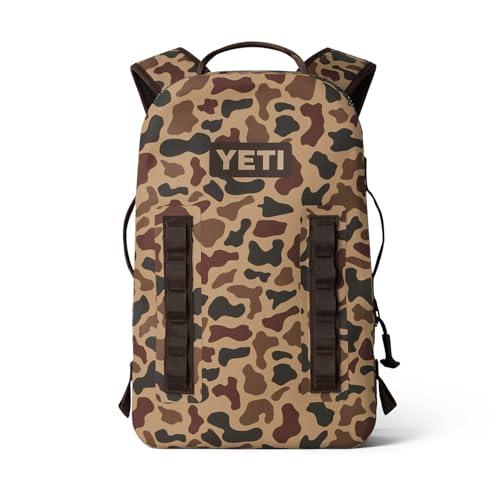
The Panga Backpack is an airtight, waterproof fortress merging the durability of the Panga Duffel with a tried-and-true backpack design
Identifying Signs of Severe Weather

Understanding regional weather patterns lays the groundwork for recognizing severe weather signs when they appear. Let’s keep an eye out for key indicators like:
- Cloud formations: Look for inflow bands indicating strong low-level wind, or beaver’s tails that hint at rotation.
- Environmental cues: A sudden drop in temperature or unusual wind shifts often precede severe storms.
- Visible threats: Funnel clouds can indicate tornado risk, while a greenish sky signals approaching hail or tornadoes.
When we notice these signs, it’s time to stay alert. They may provide essential time to seek safety. Always remember, recognizing these signals can be lifesaving for us and our loved ones during severe weather events. Keep vigilant, stay informed, and be prepared. Understanding temperature ratings helps ensure your camping gear performs optimally in changing weather conditions you might encounter outdoors.
Monitoring Weather Forecasts and Alerts

To guarantee we’re prepared for changing weather conditions, monitoring weather forecasts and alerts is essential. Here’s what we can do:
- Utilize weather alert systems: Sign up for local alerts to stay updated on severe weather threats.
- Leverage advanced monitoring technology: Real-time weather stations track critical variables like temperature and humidity.
- Integrate multiple sources: Use radar apps and lightning trackers to reduce the risk of missing important updates.
- Stay connected: Actively communicate with local meteorology and emergency services for expert guidance.
- Coordinate with stakeholders: Share alerts and updates with schools and parks to enhance safety measures.
- Power essential devices: Keep a reliable portable inverter generator on hand to maintain communication equipment and weather monitoring tools during power outages in remote outdoor locations.
Preparing for Extreme Weather Conditions

Being prepared for extreme weather conditions can make a considerable difference in our safety and well-being. Here are some essential steps for emergency preparation and storm readiness:
Securing Property:
- Remove hazardous trees and secure loose outdoor items.
- Inspect and reinforce roofs and walls for high winds.
Emergency Supplies:
- Assemble a kit with three days’ worth of food, water, and essential medication.
- Stock blankets, first aid materials, and battery-operated radios.
- Include a reliable portable camping stove to ensure hot meals and boiled water during power outages.
Shelter Planning:
- Identify safe locations in our homes, like windowless interior rooms.
- Map evacuation routes to higher ground and include plans for pets.
Protecting Utilities:
- Unplug electronics to avoid damage from power surges.
- Maintain smoke detectors and emergency communication channels.
Taking these actions can considerably enhance our safety during extreme weather events.
Recommended Products

VERSATILITY: Perfect for emergency preparedness, outdoor activities, camping trips, and long-term food storage needs. Eat like a soldier, trusted by the US military

[Get Up to a 30% Tax Credit] You may be eligible for the Residential Clean Energy Credit on qualified solar electric property costs. Check with your utility provider to confirm your eligibility and understand the requirements for the program.

[Get Up to a 30% Tax Credit] You may be eligible for the Residential Clean Energy Credit on qualified solar electric property costs. Check with your utility provider to confirm your eligibility and understand the requirements for the program.
Staying Safe During Weather Events

When severe weather strikes, it’s essential we stay on top of the latest updates and take decisive action to protect ourselves and our loved ones. To guarantee safety during a weather event, we should focus on:
- Weather Event Preparedness: Knowing the difference between watches and warnings helps us understand urgency. Watches mean conditions are possible, while warnings indicate imminent danger.
- Emergency Response Plans: We need detailed plans for evacuation routes and shelter locations. Practicing these plans guarantees everyone knows what to do in an emergency.
- Situational Awareness: While enjoying outdoor activities, we should keep an eye on darkening skies or strong winds, as these can signal approaching severe weather. Having battery-powered fans with extended run times can provide comfort during power outages or when sheltering outdoors in hot weather conditions.
Implementing Effective Safety Measures
Staying safe during severe weather involves more than just awareness; it requires a proactive approach to implementing effective safety measures. Here’s how we can do this through smart safety protocols and activity planning:
1. Monitor Weather Forecasts:
Use trusted apps to keep an eye on changing conditions. Check temperature, precipitation, and wind forecasts.
2. Plan Activities Wisely:
Inform someone about our plans, route, and expected return.
3. Prepare Equipment:
Pack essentials: first aid kit, flashlight, and extra food and water. Consider bringing a 12-volt portable cooler to maintain safe food temperatures during extended outdoor trips, especially in warm conditions.
4. Dress Appropriately:
Wear sunscreen and proper layers.
5. Emergency Preparedness:
Develop an emergency response plan and know shelter locations.
Continuous Environmental Monitoring and Awareness
Understanding the significance of continuous environmental monitoring is essential for our health and well-being, especially in an era of rapid climate change. Effective sensor deployment in strategic locations allows us to gather accurate data on air and water quality.
Key components include:
- Real-Time Data Visualization: Systems like REMAS give us instant access to critical information.
- Automated Alerts: These notify us when environmental conditions are unsafe, enabling quick responses.
- Regular Calibration: Ensuring our sensors are accurate requires consistent checks.
Through ongoing monitoring, we enhance public health protection, improve ecosystem health, and promote environmental awareness. Let’s make informed decisions for safer outdoor activities by utilizing these advancements!
Frequently Asked Questions
How Do Weather Systems Move Across Different Regions?
Weather systems move like boats on a river, shaped by atmospheric pressure and weather fronts. They flow from high to low pressure, influenced by jet streams, terrain, and the uneven heating of the Earth.
What Is the Role of Jet Streams in Weather Patterns?
Jet stream patterns play a vital role in weather forecasting, steering storms and influencing temperature swings. By understanding these patterns, we can better predict significant weather changes and prepare for their impacts on our daily lives.
How Can Local Geography Influence Weather Conditions?
Local geography shapes our weather dramatically; mountain ranges can block winds, while coastal effects moderate temperatures. By understanding these influences, we can better appreciate the diverse weather patterns that integrate our everyday lives.
What Are Microclimates, and How Do They Affect Forecasts?
Microclimates are localized weather conditions affected by factors like urban heat and terrain. Examples include city centers feeling considerably warmer than nearby parks, which complicates forecasts and emphasizes the need to understand these variations in planning activities.
How Do Human Activities Impact Local Weather Patterns?
Human activities considerably impact local weather patterns; urban heat islands amplify temperatures, while air pollution alters precipitation and wind circulation. Together, these factors can create unanticipated microclimates that affect our communities and environment.


