As an Amazon Associate, we earn from qualifying purchases. Some links on this site are affiliate links at no extra cost to you. Our recommendations are based on thorough research and editorial judgment.


Understanding Risk Assessment in Outdoor Activities

Understanding risk assessment in outdoor activities is essential for safety. We recognize several types of risks, such as:
- Inherent Risks: Physical hazards like falling or drowning.
- Environmental Risks: Weather changes and terrain challenges.
- Health Risks: Exacerbating pre-existing conditions.
You may be interested



Calculating a Risk Number (RN) helps measure dangers associated with activities. By considering factors like group dynamics, terrain difficulty, and equipment reliability, we can enhance our preparedness. Join us to uncover more about monitoring strategies that promote safety in outdoor adventures.
Key Takeaways
- Risk assessment in outdoor activities involves identifying inherent, environmental, human-related, and health-related risks unique to each activity.
- Establishing a Risk Number (RN) quantifies dangers by evaluating variables such as terrain quality, participant demographics, and equipment reliability.
- Regular risk assessments are essential for injury prevention, involving pre-competition evaluations and post-event assessments to enhance safety protocols.
- Effective risk management requires collaboration with risk management teams and clear communication of safety responsibilities among participants.
- Continuous monitoring of environmental factors and localized conditions is crucial for maintaining safety and health standards during outdoor excursions.
Defining Risk in Outdoor Activities
When we think about risk in outdoor activities, it’s important to recognize the uncertainty we face. Every outdoor pursuit carries inherent risks, like:
- Inherent Risks: Such as falling during rock climbing or facing turbulence in rafting.
- Environmental Risks: Weather extremes or terrain hazards can pose threats.
- Human-Related Risks: Reckless behavior by participants can increase danger.
- Health Risks: Pre-existing conditions could worsen with outdoor exertion.
Understanding risk perception is essential, as it shapes how we engage with these activities. Effective risk communication before participation guarantees everyone is informed, fostering a safer environment. Consequently, recognizing both the potential for loss and gain helps us appreciate the complexity of outdoor risks while encouraging responsible decision-making during our adventures. Proper preparation for outdoor excursions includes having equipment designed for rugged outdoor conditions to withstand environmental challenges.
The Concept of Risk Number (RN)

Understanding the complexities of risk in outdoor activities leads us to a valuable tool: the Risk Number (RN). This quantifiable measure gauges the danger associated with specific terrains and adventure activities. Here’s why it matters:
- Risk Calculation: RN is determined by evaluating multiple risk variables—like trail quality and exposure levels—assigning each a numerical value. For instance, a Prepared Trail might have an RN of 4, while an Unprepared Trail could reach 14.
- Risk Communication: By systematically grading danger levels, RN helps outdoor educators, planners, and participants understand hazards. This framework allows for informed decision-making in trip planning.
- Preparation Essentials: Just as outdoor enthusiasts must evaluate temperature ratings for sleeping bags to ensure comfort in varying conditions, understanding RN helps adventurers prepare appropriately for the environmental challenges they may face.
In essence, the Risk Number enhances our ability to communicate risks effectively, ultimately fostering safer outdoor experiences.
Factors Influencing the Risk Number

Several key factors play a significant role in determining the Risk Number (RN) for outdoor activities. Understanding these components helps us navigate risks effectively.
- Natural hazard impacts: Environmental elements like rockfalls and avalanches vary by location and season, heavily influencing risk. Weather conditions can exacerbate these hazards.
- Participant demographics: Age, physical ability, and experience affect risk exposure. Younger and older participants often face higher risks due to varying fitness levels.
Additionally, group size and dynamics play a role in how risks are assessed.
– Accessibility: Terrain difficulty and remoteness complicate rescue efforts, further elevating the RN.
Equipment reliability is another critical consideration, as fuel performance and safety certifications can significantly impact the success and security of outdoor cooking experiences during camping trips.
Importance of Risk Assessment in Outdoor Sports

Risk assessment in outdoor sports is essential, as it allows us to identify and manage potential dangers effectively. By understanding injury trends, we can develop targeted prevention strategies to keep participants safe. Some key points include:
- Outdoor sports carry inherent risks, especially during competitions and training.
- Injury rates are often higher in specific positions, like strikers.
- Combining expertise from risk management teams and insurance providers is critical for overseeing safety.
- Advanced algorithms help recognize injury risk patterns, enhancing safety protocols.
- Pre-competition evaluation and post-event assessments are fundamental for reducing injuries.
- Just as camping requires attention to temperature ratings for safe use in varying weather conditions, outdoor sports demand careful consideration of environmental factors.
Ultimately, effective risk assessment balances the excitement of outdoor sports with the necessary safety measures for everyone involved, ensuring a more enjoyable experience.
Risk Assessment Models Overview

In outdoor sports, evaluating risks isn’t just important—it’s essential for safety. Let’s explore some key risk assessment models we can use within outdoor activity frameworks:
- Risk Management for Outdoor Programs (RMOP): This model categorizes risks into eight areas, such as equipment and participants.
- Risk Assessment & Safety Management (RASM): Developed for outdoor education, it manages risk from field staff to boardroom levels.
- Bowtie Model: A systematic approach to hazard management, useful in high-risk situations.
- Cat Modeling: Focuses on hazard and vulnerability to assess potential impacts.
Just as solar camping lanterns enhance safety through reliable illumination during outdoor adventures, proper risk assessment models provide essential frameworks for managing hazards in challenging environments.
Subjectivity in Fieldwork Risk Assessment
How do we truly gauge the risks we face in outdoor fieldwork? This process often relies heavily on personal perception, shaped by our experiences and knowledge. Here’s what we should consider:
- Hazard Identification: It varies among team members due to different backgrounds and site familiarity.
- Dynamic Conditions: Unexpected changes in weather or terrain require us to adapt continuously, making subjective judgments essential.
- Risk Evaluation: Our view of potential dangers influences decision-making. Field leaders may prioritize risks differently than participants.
- Communication Gaps: These can lead to varied understandings of risks, impacting overall safety.
Ultimately, our subjective interpretations and ongoing situational awareness are crucial. By recognizing and addressing these subtleties, we can cultivate a more effective risk assessment process. Just as outdoor enthusiasts must evaluate weight capacity and terrain compatibility when selecting equipment, field teams need to assess their capabilities against environmental demands.
Human Factors in Marine Outdoor Recreation
Understanding the human factors that influence safety during marine outdoor recreation is essential for minimizing risks and enhancing our experiences on the water. Here are some key points:
- Participant Behaviors: We often overlook safety awareness, increasing hazardous behaviors. Panic can heighten drowning risks if we haven’t practiced safety protocols beforehand.
- Experience Levels: Novice participants face higher accident rates due to unfamiliarity, while seasoned individuals may underestimate risks. Training helps!
- Group Dynamics: Larger groups may lead to overconfidence. Good communication and clear leadership reduce accidents.
- Stress Factors: Physical and psychological stress can impair our decision-making. Managing stress is vital to maintain safety. Ensuring adequate rest with portable camping cots can help reduce physical fatigue during multi-day marine expeditions.
Environmental Risk Factors in Marine Activities
When we consider the various elements that impact safety in marine activities, environmental risk factors play a significant role. Key issues include:
- Marine Pollution: Plastics and chemicals affect habitats, harming marine life drastically.
- Climate Effects: Rising temperatures and acidification disrupt ecosystems, leading to diminished biodiversity.
- Ecosystem Degradation: Eutrophication causes algae blooms and increases dead zones, damaging water quality.
To keep ourselves safe, we must pay attention to updated safety regulations. These rules are designed to protect our environment and, by extension, those who enjoy marine activities. Recognizing these risks helps us take responsible actions, ensuring our adventures don’t contribute to further degradation. With awareness, we can enjoy the ocean while respecting its fragile ecosystems. Just as proper equipment like leak-proof lining in coolers prevents contamination during outdoor activities, marine vessels and recreational equipment should be designed to minimize environmental impact on aquatic ecosystems.
Psychological Aspects of Risk in Recreation
Participating in recreational activities often comes with various psychological dimensions that influence our choices and experiences.
- Psychological resilience plays an essential role in how we perceive risks.
- It enhances our happiness and overall well-being.
- The more resilient we feel, the better we cope with stress and challenges.
When we engage in recreation, we often have positive expectations. This affects our risk perception:
- Experienced participants may find risky activities more appealing.
- Prior experiences shape how we anticipate the emotional outcomes of these activities.
Additionally, organized recreational activities can greatly reduce symptoms of anxiety or depression while boosting our social connections. Having the right equipment, such as lightweight backpacking chairs, can enhance comfort during extended outdoor activities and contribute to a more positive recreational experience. Therefore, understanding how psychological resilience and risk perception impact our recreational choices can help enhance our overall enjoyment and mental health.
Tools for Assessing Physical Activity Accessibility
Evaluating the accessibility of physical activity facilities is essential for creating inclusive environments where everyone can participate. We can use various accessibility evaluation tools to achieve this:
- AIMFREE Accessibility Assessment Tool: Measures total facility accessibility, evaluating compliance with ADA standards and offering actionable feedback for improvements.
- Adapted Physical Education Assessment Tools: Tailors assessments for individuals with disabilities, focusing on accommodations and realistic goal-setting for motor performance.
- Observation-Based Tools (SOPLAY): Provides direct data on activity levels, recording contextual features to identify barriers to participation.
- Wearable Monitors: Collects objective data on physical activity, vital for monitoring diverse populations.
These tools guide us in implementing inclusive fitness solutions, ensuring a welcoming environment for everyone. Similarly, outdoor activity equipment like camping stoves incorporate safety features such as pressure sensors and gas flow cut-offs to ensure accessible and secure experiences for all participants.
Participatory Approaches to Risk Mapping
As we consider various methods to enhance physical activity accessibility, participatory approaches to risk mapping emerge as a valuable tool. Here’s how they work:
- Community Empowerment: Engaging directly with local populations fosters ownership and a sense of responsibility regarding risks.
- Risk Identification: These approaches help pinpoint potential risks from the community’s perspective, providing critical insights.
- Collaborative Decision-Making: By involving everyone, we can make informed decisions for risk mitigation.
Tools like Maptionnaire and geocaching enable interactive data collection. Through participatory mapping, we enhance awareness of vulnerabilities, consequently improving risk perception. This method isn’t just educational; it’s also cost-effective, making it suitable for low-resource settings. By empowering community voices, we can create safer and more accessible environments for all outdoor activities.
Recommended Products

Used Book in Good Condition

Magnetic paddles designed to support evidence-based phonics instruction and word mapping practices grounded in the science of reading

Educator Strategies for Managing Risk in Outdoor Play
Managing risk in outdoor play is essential for creating safe learning environments. As educators, we must adopt effective strategies to manage these risks, ensuring our children’s safety while they learn.
- Educator Training: Thorough training equips us to identify hazards and respond appropriately. We cover first aid, emergency procedures, and equipment safety.
- Risk Communication: Clear, transparent communication helps everyone understand and share safety responsibilities. We inform participants and guardians about potential hazards and safety practices through verbal briefings and written materials.
- Environmental Evaluations: Regularly evaluating our outdoor environments allows us to identify risks related to terrain or weather. Adjusting activities based on these evaluations helps minimize hazards.
Implementing these strategies builds trust and creates safe, engaging environments for outdoor play.
Recommended Products


360 Degree Turn Pool Slide – The S.R.Smith HeliX2 Spiral Pool Slide is designed for all-day water fun for kids and families. The water delivery system connects to a garden hose attachment and is easily mounted on your pool deck.
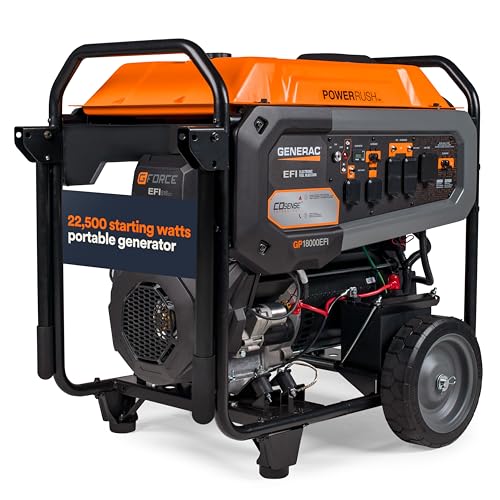
HOME BACKUP AND JOBSITE POWER: Produces 18,000 running watts and 22,500 starting watts to keep HVAC systems, refrigerators, sump pumps, and power tools running during outages or high-demand worksites
Balancing Safety and Learning Opportunities
Balancing safety and learning opportunities in outdoor activities is essential for fostering children’s development. To achieve this, we should:
- Embrace measured risks: Allow kids to encounter challenges that promote independence and self-directed learning.
- Utilize engagement strategies: Think beyond mere safety and introduce unfamiliar tasks that enhance judgment.
- Encourage risk empowerment: Focus on developing critical skills, creativity, and resilience through risk-taking.
Effective outdoor programs must strategically balance safety and risk, ensuring that participants grow from experiences while minimizing unnecessary hazards. By doing so, we create environments where children can thrive emotionally and cognitively, strengthening their problem-solving abilities and emotional resilience. Let’s commit to foster this balance, preparing our kids for life’s challenges.
Recommendations for Effective Risk Management
Effective risk management is essential when planning outdoor activities, guaranteeing our participants enjoy safe yet enriching experiences. Here are key recommendations:
- Conduct Regular Training: Ongoing safety training guarantees our staff can manage risks effectively. Incorporating emergency response drills enhances training effectiveness.
- Establish a Safety Culture: Encourage a top-down focus on risk communication, prioritizing safety at all levels.
- Develop Thorough Plans: Identify and categorize potential hazards for each activity. Outline clear emergency protocols and preventive measures.
- Implement Dynamic Assessments: Continuously evaluate environmental conditions and empower staff to adjust activities as needed.
- Prioritize Participant Screening: Screen participants pre-trip for medical and fitness information to guarantee appropriate placements.
Recommended Products

COMPLETE ALL-IN-ONE BUNDLE FOR YEAR-ROUND FUN: Includes the Avyna Pro-Line Inground Trampoline with retaining wall and safety pad, a vibrant 8-color LED light kit with cycling patterns and custom modes, plus a heavy-duty vinyl weather cover for full protection. This all-season package delivers a premium bounce experience while shielding your trampoline from weather and debris, ensuring lasting performance and worry-free backyard enjoyment in any climate.

Premium Quality & Unmatched Durability – Engineered in the Netherlands, the Avyna Pro-Line Above-Ground Trampoline is crafted from heavy-duty, hot-dipped galvanized 11-gauge steel with a protective zinc coating, making it rust-proof, ultra-durable, and built to withstand over 1,750 lbs. Perfect for backyard recreation, sports training, and high-bounce fun for kids, adults, and athletes!

Elevated Adventure: Spacious raised clubhouse with a wooden roof, balcony, covered entryway, and bay windows is perfect for outdoor play, complemented by a wide step ladder for easy access
Enhancing Safety Through Environmental Monitoring
While recommendations for effective risk management provide a solid foundation for safety, enhancing safety through environmental monitoring is an essential next step. By integrating monitoring technologies into our outdoor activities, we can greatly improve safety protocols:
- Continuous Assessment: Environmental monitors track air quality, measuring vital pollutants like PM2.5 and NO2.
- Early Warning Systems: Real-time data alerts us to hazardous conditions, allowing timely protective actions.
- Localized Monitoring: Microclimate variations are captured more accurately than with distant weather stations.
- Proper Setup: Sensors must be strategically placed and calibrated for effective data collection.
Recommended Products

True 4K UHD with Advanced Low-Light Sensor: Capture authentic 4K time lapse footage with the TLC5000 camera’s large 1/1.8" image sensor and 2.0 μm pixel size. Designed for pro-level accuracy, it delivers outstanding clarity, color depth, and low-light performance without relying on digital upscaling.

640×512 20mK Thermal Sensor: Premium 12μm VOx detector delivers exceptional image quality with ultra-high thermal sensitivity and long-range target recognition.

Bi-Spectrum Imaging for Unmatched Clarity: Switch between thermal, visible light, or fusion modes to adapt to any environmental condition with precision and ease, suitable for challenging terrains and low-visibility scenarios
Frequently Asked Questions
How Can I Prepare My Gear for Different Outdoor Risks?
We can prepare our gear by organizing it for easy access, ensuring equipment’s in top condition, and regularly checking supplies. This proactive gear organization enhances our risk management, making outdoor adventures safer and more enjoyable.
What Role Do Insurance Policies Play in Outdoor Activities?
In the unpredictable wilderness, insurance policies offer essential coverage benefits, protecting us against unforeseen incidents. With efficient claim processes, we can confidently embrace our adventures, knowing we’ve mitigated potential financial risks. Let’s explore this crucial safeguard!
How Do Weather Forecasts Impact Risk Assessments for Outdoor Events?
Weather forecasts greatly influence our risk assessments for outdoor events. By accounting for weather variations and blending forecast accuracy, we can make informed decisions to guarantee safety and enhance overall preparedness for attendees.
Are There Specific Certifications for Instructors That Enhance Safety in Outdoor Activities?
Absolutely, specific certifications enhance safety in outdoor activities. By adhering to certification standards, we guarantee our instructor qualifications meet rigorous expectations, allowing us to facilitate safer, more responsible experiences for all participants in any outdoor environment.
How Can Technology Improve Personal Safety During Outdoor Adventures?
Technology can greatly enhance our personal safety during outdoor adventures. Wearable devices monitor our health, while safety apps provide real-time updates and alerts, ensuring we’re prepared and aware of any potential risks we may encounter.


