As an Amazon Associate, we earn from qualifying purchases. Some links on this site are affiliate links at no extra cost to you. Our recommendations are based on thorough research and editorial judgment.


How to Identify and Avoid Hazardous Plants on Trails

To identify and avoid hazardous plants on trails, we should focus on key characteristics. Look for:
- Leaf patterns: Beware of those with “leaves of three.”
- Skin irritation signs: Stinging nettle has hairy stems.
- Color and sap: Reddish stems or milky sap signal danger.
You may be interested



Utilizing protective clothing and staying on established trails helps us reduce contact risks. With these insights, we can better navigate nature safely. Let’s explore even more strategies for safer outdoor experiences.
Key Takeaways
- Familiarize yourself with common hazardous plants like poison ivy and stinging nettle to identify them easily on trails.
- Observe leaf patterns, stem characteristics, and any milky sap to distinguish toxic plants from edible ones.
- Wear protective clothing, including long sleeves and closed-toe shoes, to minimize skin contact with hazardous plants.
- Stick to established trails to reduce exposure to potentially harmful vegetation in wild areas.
- Keep a first aid kit handy with antihistamines and topical treatments for prompt reaction to any skin irritations.
Understanding Common Hazardous Plants
When we’re out hiking or exploring trails, it’s essential to be aware of the plants we might encounter. Knowing how to identify hazardous plants can help keep us safe.
Here are some common hazardous plants and their habitats:
- Poison Ivy: Found in varied environments, known for its “leaves of three” pattern.
- Stinging Nettle: Thrives in moist soil; contact causes irritation.
- Jack-in-the-Pulpit: Grows in woodland areas; contains toxins.
- Cow Parsnip: Common near fields and trails; can irritate skin.
We should also watch out for Belladonna, which has poisonous berries and can be very dangerous if ingested. Understanding these plants and their common habitats can help us enjoy our outdoor adventures safely. Just as hikers benefit from compact lightweight equipment for easy portability on trails, carrying a field guide in a small, accessible format can help with quick plant identification during your hike.
Recommended Products


【Nuclear radiation detector】GQ GMC-800 is the latest upgraded model of USA GQ Electronics Geiger Counters. Portable, personal & group use. Detect ionizing nuclear radiation Beta, Garma, X-ray. Quick, sensitive, precise & Easy-to-use. Simply power-on, reading instantly shows at screen. One press shortcut key transit among four function screens. Readable under the sun, suitable indoor & outdoor.

Visual Cues for Plant Identification

Identifying hazardous plants on trails becomes easier with some key visual cues. We can spot potential dangers by paying attention to:
- Leaf Patterns: Look for distinct shapes, like compound leaves or serrated edges. These characteristics often point to hazardous plants.
- Color Variations: Reddish or purple hues in leaves or stems can indicate toxicity.
- Growth Habit: Notice if a plant is vine-like or forms dense shrubs; these traits can signify hazardous species.
- Sap Characteristics: Watch for milky or sticky sap, which suggests poisonous plants like poison ivy.
Just as breathable fabrics enhance comfort during extended outdoor use, taking regular breaks to carefully observe your surroundings allows you to better identify potentially harmful vegetation along the trail.
Recognizing Plants That Cause Skin Irritation
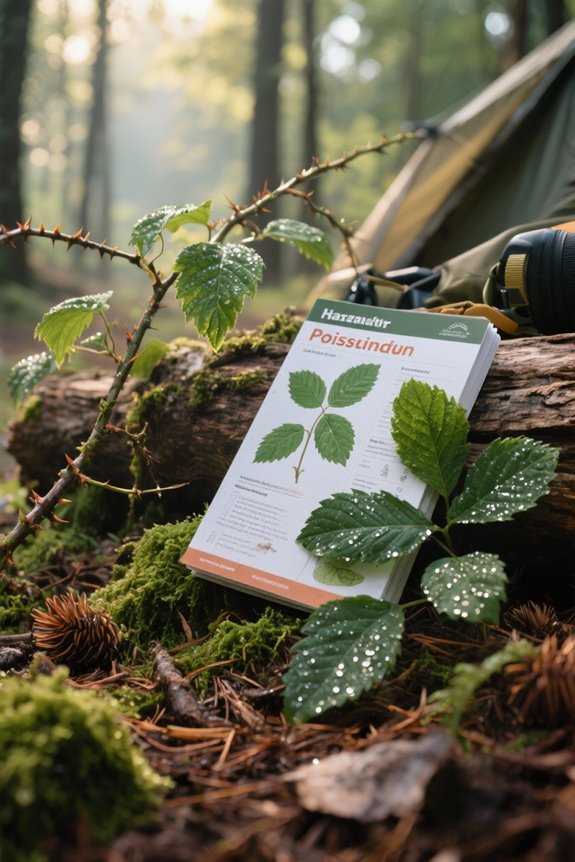
Recognizing plants that cause skin irritation is essential for enjoying our time outdoors without discomfort. Familiarizing ourselves with specific plant characteristics can help us avoid irritants:
- Poison Ivy & Poison Oak: Look for leaves of three; both contain urushiol.
- Stinging Nettle: Recognizable by slender stems with stinging hairs.
- Giant Hogweed: Notable for its height and thick stems, can cause severe blisters.
- Wild Parsnip: Identified by its yellow flowers but beware of its sap.
To manage symptoms, we should:
- Monitor for redness, itching, or blistering.
- Clean affected areas with soap and water.
- Use topical treatments like calamine lotion for relief.
When venturing into areas where these plants may be present, wearing water-resistant materials can provide an additional layer of protection against plant oils and sap.
Distinguishing Edible Plants From Poisonous Ones

How can we confidently differentiate edible plants from their poisonous counterparts? It’s essential to recognize key features:
- Leaf Shape and Arrangement: Notice if the leaves are toothed, lobed, or smooth. Edible look-alikes may have similar shapes but differ in arrangement.
- Stem and Root Traits: Check stem texture—wild carrot has hairy stems, while poison hemlock is smooth with purple blotches. Roots like wild carrot’s taproot are edible, unlike many toxic plants.
- Sap Characteristics: Purslane has clear sap, but spurge releases milky, white sap, indicating toxicity.
- Smell Tests: Avoid plants with unpleasant odors, as these often indicate toxic traits.
- Material Composition: Just as outdoor gear uses waterproof materials to protect against the elements, many toxic plants have waxy or water-resistant leaf coatings that can help distinguish them from edible varieties with softer, more porous surfaces.
Safety Measures and Precautions

When we venture into the great outdoors, it’s essential to be prepared for the presence of hazardous plants along trails. Here are some practical safety measures and precautions we can take:
Preventive Measures:
- Research local hazardous plants before we visit.
- Wear long sleeves, long pants, and closed-toe shoes.
- Stay on established trails to avoid off-trail plants.
Emergency Response:
- If exposed, rinse skin immediately with water and rubbing alcohol.
- Use calamine lotion or hydrocortisone for relief.
- Keep a first aid kit on hand, including antihistamines for itching.
- Consider packing a lightweight sleeping bag with moisture-resistant materials for overnight trips where plant exposure may require extended recovery time away from base camp.
Recommended Products

221-PIECE COMPREHENSIVE KIT – Includes Supplies for Minor Cuts and Scrapes to Severe Injuries such as Severe Bleeding, Fractures, Burns, Gunshot Wounds, and More. Essential for Any Emergency Situation
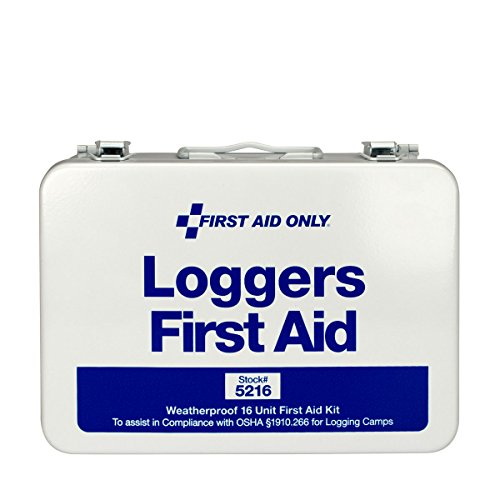
Loggers Kit: Made just for loggers, this emergency kit includes adhesive bandages, gauze pads, triangular bandages, antiseptic towelettes, gloves, scissors, and other multi-use first aid items
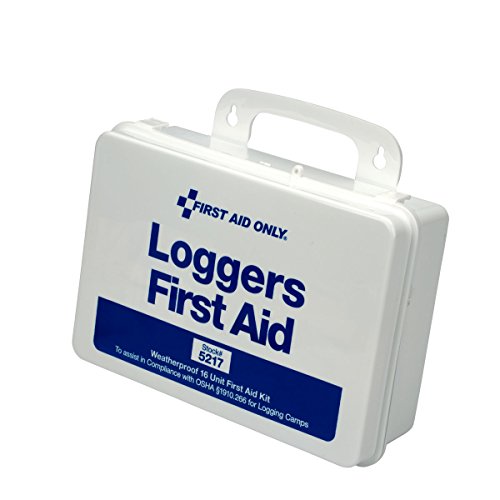
Loggers Kit: Made just for loggers, this emergency kit includes adhesive bandages, gauze pads, triangular bandages, antiseptic towelettes, gloves, scissors, and other multi-use first aid items
Utilizing Field Guides for Accurate Identification
- Photographic Content: High-quality images are essential for recognizing plants.
- Distribution Data: Helps us understand where certain plants grow, reducing risk.
- Clear Descriptions: Detailed features aid in distinguishing between edible and poisonous species.
- User Ratings and Feedback: Check reviews from experienced hikers to assess the reliability and accuracy of field guides, as user experiences reflect variability in identification success among diverse outdoor enthusiasts.
We can enhance our plant identification techniques by using resources like the USDA PLANTS Database or the National Audubon Society Guides. For regional accuracy, seek recommendations from local ecologists. With a trustworthy field guide in hand, we’re better equipped to navigate trails safely and confidently, ensuring our outdoor experiences are enjoyable and hazard-free.
Staying Informed About Local Flora
Staying informed about local flora is essential for our safety and enjoyment while hiking. Here are some key points to remember:
- Consult Regional Plant Lists: These resources, often shared by local native plant societies, help us identify plants specific to our area.
- Understand Microhabitat Significance: Different plants thrive in varying conditions. Knowledge of the sun, shade, wet, or dry areas aids in spotting hazards.
- Use Technology: Mobile apps like iNaturalist provide real-time plant identification, updating us on recent sightings and dangerous species.
- Engage with Experts: Local workshops and guides help us learn about hazardous plants, blooming seasons, and identification tips specific to our environment.
- Prepare for Extended Outdoor Sessions: Bringing along portable camping chairs with side tables allows us to comfortably review field guides and take breaks while studying unfamiliar plants during longer trail explorations.
Frequently Asked Questions
Can Hazardous Plants Grow in Urban Areas?
Yes, hazardous garden plants can indeed grow in urban areas. We must be aware of urban plant species that pose risks, and educate ourselves to avoid accidental exposures, especially for vulnerable groups like children.
What Symptoms Indicate Exposure to Toxic Plants?
When we’ve been exposed to toxic plants, rash symptoms like redness and itching often appear. It’s essential we learn toxic plant identification to prevent serious reactions and stay safe while enjoying nature together.
Are Children More Susceptible to Plant Toxins?
Yes, children’s sensitivity to plant toxins is greater due to their developing bodies and behaviors. We need to prioritize plant toxin awareness, ensuring we supervise them closely and educate ourselves about hazardous plants to prevent exposure.
How Long Does a Rash From Poison Ivy Last?
Poison ivy’s pesky rash duration can last from one to three weeks. We’ve got treatment options like cool compresses and creams to soothe the symptoms, ensuring a smoother, speedy recovery for everyone involved.
What Should I Do if I Ingest a Poisonous Plant?
If we ingest a poisonous plant, we should seek immediate medical attention. Monitoring ingestion symptoms and providing first aid, like activated charcoal, can help reduce toxin absorption while waiting for professional care to arrive.


