As an Amazon Associate, we earn from qualifying purchases. Some links on this site are affiliate links at no extra cost to you. Our recommendations are based on thorough research and editorial judgment.


Understanding Seasonal Gear Rotation and Selection

Understanding seasonal gear rotation and selection is key for us in optimizing our outdoor experiences. Here’s what to take into account:
- Importance: Protects ecosystems and guarantees economic stability.
- Factors: Weather, user preferences, and culture all influence our choices.
- Process: We should audit gear, define usage dates, and implement rotation policies.
- Data-Driven: Use technology for real-time monitoring and analytics.
- Considerations: Proper gear choices can save costs and reduce environmental impact.
You may be interested


With these insights, we can enhance our gear’s performance and sustainability. There’s more to explore here!
Key Takeaways
- Seasonal gear rotation conserves resources and protects biodiversity by preventing overfishing and encouraging sustainable fishing practices.
- Choose gear based on weather conditions, personal preferences, and cultural influences to enhance performance and satisfaction.
- Establish clear start and end dates for gear usage to align with seasonal demand and inventory management strategies.
- Utilize technology for monitoring gear performance and optimize rotations through data analysis and predictive modeling.
- Extend gear life and reduce environmental impacts by practicing effective gear rotation and making informed selection choices.
Importance of Seasonal Gear Rotation
When we think about the importance of seasonal gear rotation, we realize how essential it is for both sustainability and economic stability in fisheries. Here are some key points:
- Conservation Benefits: Seasonal closures help fish stocks recover by preventing overfishing and ecosystem imbalances.
- Sustainable Fishing Practices: By rotating gear, we can reduce pressure on heavily exploited species, protecting biodiversity.
- Economic Stability: Staggering harvests avoids market saturation, stabilizing prices, and maximizing profits.
- Adaptive Management: Defined seasons make it easier to monitor fish populations and engage the community.
- Equipment Longevity: Just as fuel efficiency extends generator runtime in remote locations, proper gear rotation prolongs equipment lifespan and reduces replacement costs.
Factors Influencing Gear Selection
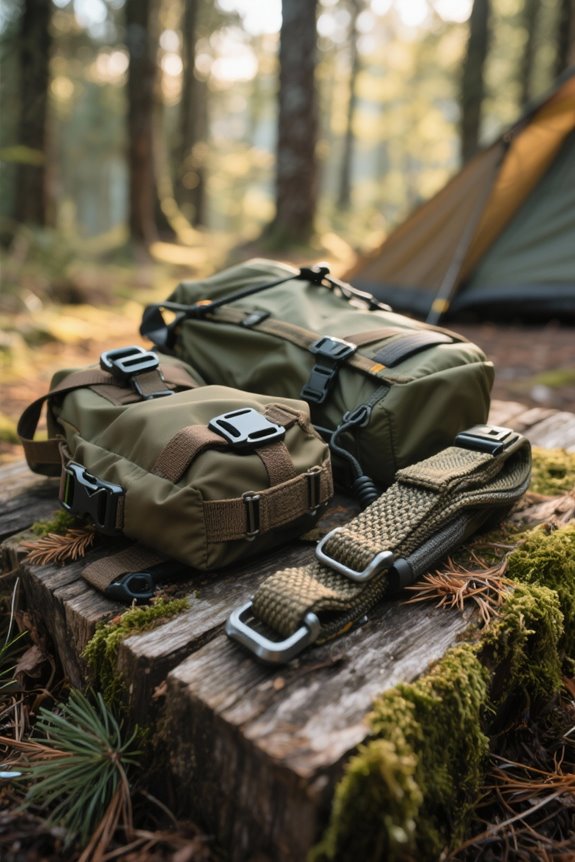
Selecting the right gear for our activities hinges on various factors that change with the seasons. Key influences include:
- Weather Impact: We adapt our gear based on local weather. For example, waterproof clothing is essential during rainy seasons, while thermal layers work best in cold climates.
- User Preferences: Individual choices matter. Some of us prioritize style over function, while others focus on durability or eco-friendliness.
- Cultural Influences: Seasonal holidays often boost sales, particularly during gift-giving times like Christmas.
- Technological Advances: Innovations in materials, such as moisture-wicking fabrics and lighter materials, improve gear performance and comfort. When backpacking, ultralight adventurers often choose titanium construction for cooking equipment because it provides exceptional durability while minimizing pack weight.
Process for Effective Seasonal Gear Rotation

A well-defined process for effective seasonal gear rotation is essential to guarantee our inventory stays fresh and in-demand. To achieve this, we should:
- Assess and Segregate: Conduct a thorough audit to identify seasonal gear based on demand cycles.
- Set Timeframes: Define start and end dates, aligning with inventory trends and external events.
- Establish Policies: Implement rotation policies to dictate how long items stay active before moving them.
- Utilize Techniques: Employ FIFO or FEFO methods to minimize obsolescence.
- Incorporate Technology: Use inventory management software for alerts on stock movement or expiration.
- Prioritize Material Durability: When rotating outdoor gear, consider waterproof ratings and construction features like sealed seams to ensure equipment longevity across seasons.
Data-Driven Strategies in Gear Rotation

To effectively implement data-driven strategies in gear rotation, it’s crucial to understand how performance metrics guide our decisions. Here’s how we can leverage data analysis and predictive modeling:
- Real-Time Data: Sensors provide key metrics such as temperature and energy consumption, forming our foundation.
- IoT Integration: Continuous monitoring allows us to detect wear and performance issues across seasons.
- Visual Analytics: Cloud-based platforms transform raw data into actionable insights through intuitive dashboards.
- Predictive Models: These tools forecast ideal gear rotation times, helping us minimize unplanned maintenance.
- Energy Efficiency Monitoring: Tracking power consumption patterns helps identify when equipment operates outside optimal ranges, signaling the need for seasonal gear adjustments.
With these strategies, we can refine our gear rotation schedules, aligning them with actual performance data. This guarantees we’re not only proactive but also efficient in our operations, keeping everything running smoothly.
Economic and Environmental Considerations

Recognizing the importance of gear rotation extends beyond performance metrics; it also influences economic and environmental factors. By implementing seasonal gear rotation, we reveal several benefits:
- Cost Savings: Extending gear life reduces the need for replacements, lowering overall costs and optimizing asset utilization.
- Environmental Impact: Minimizing overuse decreases resource consumption, lowering our environmental footprint.
- Market Stability: Diversifying gear use helps buffer against price fluctuations, ensuring steadier inventory costs.
Efficient gear practices can diminish greenhouse gas emissions notably, sometimes by over 50%. They also help support healthier ecosystems by avoiding inappropriate gear usage, thereby reducing soil degradation. By choosing the right gear for the right season, we not only save money but also contribute to a sustainable future. When selecting outdoor equipment like sleeping bags, matching temperature ratings to expected conditions ensures optimal performance while preventing premature wear from inappropriate seasonal use.
Frequently Asked Questions
How Often Should I Rotate My Gear Seasonally?
We should rotate our gear twice a year, ideally during spring cleaning and seasonal maintenance. This keeps everything in top shape, ensuring our gear stays functional for all our outdoor adventures!
What Should I Do With Old Gear That’s No Longer Usable?
We can’t just toss unusable gear into the trash. Instead, let’s explore recycling options and responsible gear disposal. Donating or repurposing can keep our waste down and help reduce environmental impact together.
Can I Mix Seasonal Gear for Different Activities?
Yes, we can definitely mix seasonal gear for different activities! By focusing on gear compatibility and activity versatility, we’ll enhance comfort and performance across various conditions while maximizing our investment in gear.
How Do I Properly Store Gear During Off-Seasons?
Storing our gear during the off-season is like tucking in a child for a restful night. We should clean, repair, and use breathable containers for gear storage, ensuring everything’s ready for our adventures ahead.
What Signs Indicate It’s Time to Replace Gear?
When we notice wear indicators like frayed edges, or a performance decline in our gear, it’s time to replace them. Regular checks can help us keep our gear effective and safe for all our adventures.