As an Amazon Associate, we earn from qualifying purchases. Some links on this site are affiliate links at no extra cost to you. Our recommendations are based on thorough research and editorial judgment.


Understanding Leave No Trace Principles in Practice

Understanding Leave No Trace principles is essential for all outdoor enthusiasts. Here’s how we can apply them effectively:
- Minimize impact by staying on designated trails.
- Respect wildlife by observing from a distance.
- Pack out all waste, including trash and hygiene products.
- Use portable stoves instead of campfires to protect vegetation.
- Maintain small group sizes for a quieter experience.
You may be interested


By adopting these practices, we guarantee the beauty of nature remains for everyone. There’s much more to explore in sustainable recreation.
Key Takeaways
- Practice proper waste management by packing out all trash, food waste, and hygiene products to keep natural areas clean.
- Use designated trails and campsites to minimize soil erosion and protect sensitive habitats.
- Maintain a safe distance from wildlife to avoid stressing animals and disrupting their natural behaviors.
- Opt for portable camp stoves instead of campfires to preserve vegetation and reduce fire risk in fragile areas.
- Engage in responsible recreation by keeping group sizes small and minimizing noise to enhance the natural experience for everyone.
The Importance of Leave No Trace Principles
When we’re out enjoying nature, it’s essential that we embrace the Leave No Trace (LNT) principles, especially as outdoor activities become more popular. Here’s why these principles matter:
- Minimize Impact: The LNT principles help us preserve ecosystems by reducing soil erosion, preventing trail widening, and protecting wildlife habitats.
- Visitor Education: They serve as crucial tools for educating each other about sustainable practices.
- Responsible Recreation: Smaller groups, timed visits, and avoiding sensitive areas help distribute visitor impacts.
- Waste Management: We learn to pack out all waste, protecting both water sources and the environment.
- Food Storage: Using airtight sealing mechanisms in camping containers helps prevent wildlife encounters and reduces the risk of attracting animals to campsites.
Researching Your Destination
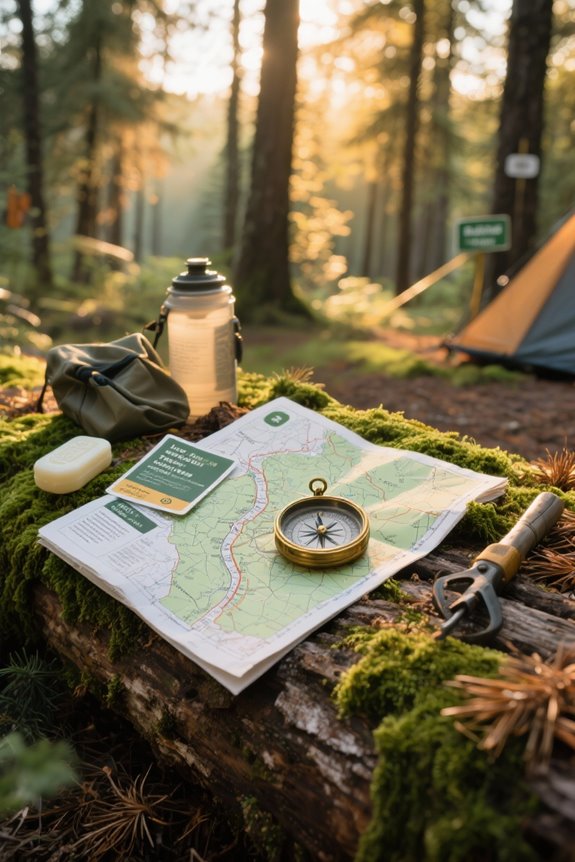
Researching our destination before we head out is key to practicing Leave No Trace principles effectively. It helps us understand the unique environmental and cultural challenges we may face. Here are some key points for effective destination research:
- Visitor Behavior: Knowing how different groups behave can guide our actions. For instance, day-users often outnumber overnight visitors.
- Local Impacts: Evaluating trail erosion or wildlife disturbance is essential to avoid contributing to these issues.
- Education Strategies: Gathering data through surveys helps tailor our approach, focusing on specific visitor demographics like youth or pet owners.
- Gear Preparation: Selecting appropriate equipment, such as choosing a backpack with weather-resistant features, ensures you’re prepared for diverse outdoor conditions while minimizing environmental impact.
Preparing for Extreme Weather

Preparing for extreme weather isn’t just about checking the forecast; it’s about taking proactive steps to guarantee our safety and minimize our impact on the environment. Here’s how we can prepare:
- Stay Informed: Regularly check forecasts and hazard reports to understand potential weather hazards.
- Pack Smart: Use layered clothing, and carry essentials like extra food, a first aid kit, and navigation tools.
- Practice Emergency Techniques: Learn how to handle hypothermia or avalanche situations.
- Leave Itinerary: Share our travel plans with a trusted contact for emergency response assistance.
- Choose Wisely: Select routes and campsites that protect the environment and avoid hazardous areas.
- Invest in Quality Gear: Select a sleeping bag with temperature ratings appropriate for the coldest conditions you might encounter, ensuring it can handle extreme cold down to -35F if necessary.
Sustainable Travel Practices

Sustainable travel practices are more than just buzzwords; they’re a way for us to explore the world while protecting it. Adopting eco-friendly practices can enhance our travel experiences greatly. Here’s how we can make a difference:
- Choose Sustainable Accommodations: These options often cost less and support local economies.
- Engage with Local Communities: This helps us experience authentic cultures and contributes to community-driven tourism.
- Minimize Environmental Impact: We should consider carbon-neutral travel options and focus on waste management to reduce our footprint.
- Support Regenerative Tourism: Prioritize businesses that invest in conservation efforts.
- Secure Your Campsite Responsibly: When camping, use heavy-duty tent stakes made from durable materials like galvanized steel to properly anchor your shelter without damaging the environment or leaving behind low-quality stakes that might break and become litter.
Traveling in Small Groups

When we travel in small groups, it often makes for a more enjoyable and responsible experience in nature. Here’s why:
- Group Size Limits: Following regulations, usually between 6 to 12 people, minimizes our environmental footprint. We should always verify the specific rules for our destination.
- Reduced Impact: Smaller groups lead to less trampling, erosion, and resource damage. This protects ecosystems and maintains biodiversity, especially in fragile areas.
- Enhanced Experience: With better group dynamics, we manage noise levels effectively. A quieter environment allows everyone to enjoy nature without feeling crowded.
- Smart Trip Logistics: Advanced planning keeps us compliant and organized. Preparing food and supplies efficiently also lowers waste, simplifying trash management. For extended outings, a 12 Volt compressor cooler can help preserve perishables while maintaining minimal environmental impact through energy-efficient operation.
In essence, smaller groups promote responsibility and respect for nature.
Using Durable Surfaces Effectively
Traveling in small groups not only helps maintain a responsible outdoor experience but also sets the stage for effectively using durable surfaces. By staying on these surfaces, we can reduce damage to fragile areas. Here are some best practices:
- Stick to Established Trails: Always walk single file and in the center to prevent widening trails.
- Navigate Mud Wisely: If a mud puddle blocks your path, walk through it instead of around to protect surrounding vegetation.
- Avoid Unauthorized Paths: Don’t create new trails; stick to areas of consistent use.
- Educate Each Other: Teach group members to recognize durable surfaces, ensuring less impact on fragile ecosystems.
- Secure Your Campsite Properly: Use tent stakes with superior holding power to ensure your shelter stays in place without requiring you to disturb additional ground area or vegetation.
Choosing Established Trails and Campsites
Choosing established trails and campsites is essential for preserving our natural environments, as it helps mitigate environmental impact. By focusing on proper trail selection and campsite impact, we can substantially reduce our footprint.
Here are key reasons to choose established routes:
- Conservation of Vegetation: Fewer plants get trampled, which helps keep ecosystems intact.
- Prevention of Soil Erosion: Established trails decrease new pathways that can erode soil.
- Clear Navigation: We’re less likely to get lost on marked trails.
- Wildlife Protection: Sticking to established routes means less disturbance to habitats.
When we camp at designated sites, we concentrate usage in already disturbed areas, minimizing our impact on pristine landscapes. Just as ultralight camping tables are designed to minimize weight and environmental footprint, choosing established campsites helps reduce our overall impact on natural areas. Making these choices benefits both us and the environment we cherish.
Recommended Products
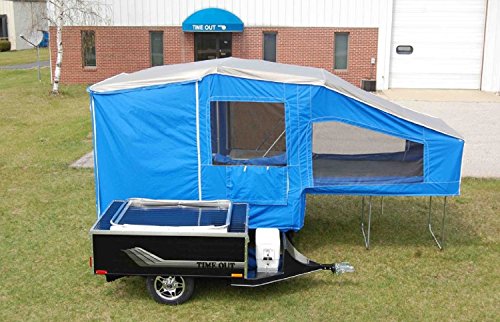
On those hot days it serves to keep your cold A/C in while still being able to enjoy the view of the outdoors. Yes each camper has an optional attachment for an A/C unit! Time Out Deluxe Camper with 23 cubic feet of cargo space. Set up time is about 3 minutes with one person. Black or White Color Scheme, Grey, Blue, or Red Stripes, Air Mattress, Wiring Harness, 1 7/8" Ball Coupler, Table, Chair, Wheels 12"

PORTABLE 6FT FOLDING TABLE: Designed with a fold-in-half structure and built-in carry handle, this foldable table sets up quickly without assembly and easily fits into the trunk of a car, making it convenient for travel, picnics, camping, and outdoor activities.

Heavy Duty Construction:Made from heavy duty high density plastic, this table is durable enough to hold anything you place on its table top. Its metal frame is strong enough to support up to 300 lbs ensuring stability and long-lasting use.
Maintaining Distance From Water Sources
Maintaining a proper distance from water sources is essential for safeguarding our environment and enjoying our outdoor experiences. To protect riparian areas and prevent water pollution, we should:
- Camp at least 200 feet (about 70 steps) from lakes, streams, and rivers.
- Wash dishes or bodies 200 feet away, using minimal biodegradable soap whenever possible.
- Scatter cooking water, urine, and hygiene products also at least 200 feet from water sources and campsites.
These practices not only maintain water quality but also protect fragile ecosystems. Closer camping harms aquatic life and invites human-wildlife conflicts. By adhering to these guidelines, we guarantee a sustainable environment for future visitors while preserving the natural beauty around us. When camping with lightweight stainless steel cookware, proper cleaning methods help maintain cookware longevity while respecting Leave No Trace principles. Let’s commit to being responsible stewards as we explore.
Proper Waste Disposal Techniques
Proper waste disposal techniques are essential for preserving our natural environments while enjoying the great outdoors. Let’s guarantee effective waste management through these key practices:
Human Waste:
- Use the cathole method: Dig 6–8 inches deep, at least 200 feet from water and trails.
- In fragile areas, pack it out using WAG bags.
- Pack out all toilet paper; it doesn’t decompose quickly.
Trash and Food Waste:
- Pack it in, pack it out—don’t leave any trash behind.
- Even small food scraps must be carried out.
Dishwater Management:
– Strain dishwater to remove solids and scatter it 200 feet from water sources.
Personal Hygiene:
– Pack out all hygiene products like tampons and wipes.
Gear Storage:
– Store used items in waterproof stuff sacks to prevent contamination of clean gear and protect against moisture during transport.
Protecting Wildlife and Ecosystems
When we’re out enjoying nature, it’s not just important to manage our waste. We must also protect wildlife and ecosystems. Here’s how we can do that:
- Observe From a Distance: Stay at least 25 yards from most wildlife and 100 yards from predators. If an animal reacts to our presence, we’re too close.
- Use Proper Techniques: Binoculars and camera zooms help us observe without stressing animals. The thumb rule can guide our distance.
- Avoid Feeding Wildlife: Human food is unhealthy for them and can lead to dependency.
- Control Pets: Keep pets leashed or at home to prevent harassment.
- Minimize Campfire Impact: When cooking outdoors, use portable camp stoves instead of building fires, which helps protect vegetation and reduces wildlife disturbance in sensitive areas.
The Significance of Leaving Natural Resources Intact
Why is it essential to leave natural resources intact?
Leaving resources undisturbed is crucial for several reasons:
- Biodiversity Preservation: Native plants support food chains, preventing local extinctions.
- Cultural Significance: Undisturbed sites retain archaeological value and cultural heritage for future generations.
- Ecosystem Services: Natural landscapes provide critical functions, like water filtration and soil stabilization.
- Invasive Species Management: Moving plants or soil can unintentionally spread invasive species, disrupting native habitats.
- Visitor Education: Preserving natural features enhances the recreational experience and allows for exploration.
Minimizing Campfire Footprints
Maintaining the integrity of our natural environment extends beyond leaving resources intact; it includes minimizing our campfire footprints. Here’s how we can do that responsibly:
- Check Campfire Regulations: Always verify local fire bans before lighting up.
- Use Established Fire Rings: Build fires in designated areas to limit ground damage.
- Keep Fires Small: Limit fire size and duration to what’s necessary.
- Choose Proper Fuel: Only use dead and downed wood that’s easily broken.
- Extinguish Flames Completely: Pour water on fires, ensuring they’re fully out before leaving.
Recommended Products
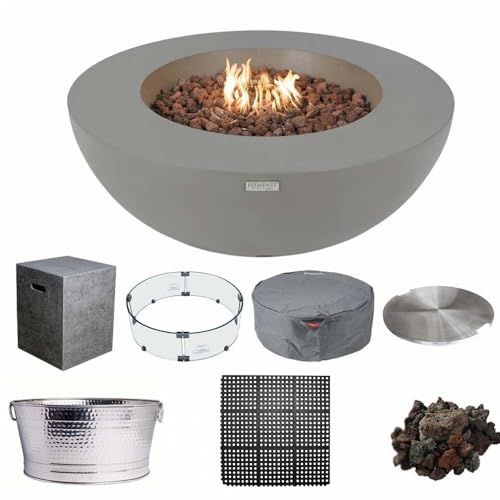
What’s Included: Enhance your outdoor experience with an all-inclusive firepit bundle. Each propane firepit set includes the Elementi Lunar Bowl 42-inch fire pit, tempered glass windscreen, stainless-steel cover, grey propane tank cover, canvas cover, lava rocks, repair kit, rubber floor mat, and a complimentary Sol Living beverage tub.

What’s Included: Enhance your outdoor experience with an all-inclusive firepit bundle. Each propane firepit set includes the Elementi Manhattan 36-inch fire pit, tempered glass windscreen, stainless-steel cover, grey propane tank cover, canvas cover, lava rocks, repair kit, rubber floor mat and a complimentary Sol Living beverage tub.

Safe Fire Table Design: This smokeless fire pit is CSA and CE certified and made from cast concrete with a stainless steel burner, electric ignition, and auto safety shut-off. Designed as an outdoor fire pit table for reliable outdoor use.
Respecting Other Visitors
Respecting other visitors is essential for preserving the enjoyment of the great outdoors for everyone. By practicing good visitor etiquette, we can enhance our collective experiences. Here’s how:
- Manage Group Size: Keep our groups small to reduce noise and trail congestion.
- Preserve Privacy: Camp away from others and respect their space to enhance solitude.
- Control Noise Levels: Use headphones for music and keep group chatter down at campsites.
- Trail Etiquette: Yield to uphill hikers, giving clear verbal cues when passing.
- Select Campsites Wisely: Choose less crowded spots to guarantee peace for all.
Educating Others on Leave No Trace
As we explore the importance of educating others on Leave No Trace principles, it’s essential to recognize that effective education plays a significant role in environmental conservation. Here are some key strategies we can adopt:
- Community Involvement: Engaging local organizations can amplify our message and foster a culture of stewardship.
- Youth Education: Implementing age-appropriate content helps young learners understand abstract concepts like “impact.”
- Instructional Guides: These resources can assist educators in delivering effective programs, ensuring assessments align with our educational goals.
- Tailored Programs: Different user groups, such as day-users and backpackers, benefit from customized messaging.
Embracing Environmentally Responsible Recreation
Embracing environmentally responsible recreation is essential not only for our own well-being but also for the health of our planet. As we engage in outdoor activities, let’s adopt the following outdoor ethics and commit to leave no trace principles:
- Physical and Mental Health: Regular outdoor time lowers risks of chronic diseases and improves mood and well-being.
- Environmental Stewardship: We should protect natural resources and minimize pollution from our activities.
- Community Impact: Outdoor spaces foster social connections, supporting local economies and identities.
- Resource Management: Responsible practices help prevent land erosion and habitat disturbances.
Frequently Asked Questions
What Should I Do if I See Someone Violating Leave No Trace Principles?
If we see someone violating Leave No Trace principles, we should consider engaging offenders with friendly feedback first. For serious violations, reporting them to the authorities is essential to protect our shared environment.
Are There Specific Leave No Trace Guidelines for Different Climates or Terrains?
Aren’t we all responsible for protecting our landscapes? In deserts, we follow strict guidelines to minimize soil disturbance, while in forests, we prioritize sustainable practices that preserve delicate ecosystems and prevent lasting damage. Let’s commit together!
How Can I Educate Children About Leave No Trace Principles Effectively?
We can educate children about Leave No Trace principles effectively through interactive activities and nature crafts. By engaging them in hands-on experiences, we reinforce learning while fostering a love and respect for the environment.
What Resources Are Available for Learning More About These Principles?
We can explore Leave No Trace through engaging books and online workshops. For instance, after taking a workshop, we might feel empowered to share our newfound knowledge with others, inspiring them to protect our beautiful environment.
Can I Use Biodegradable Products in Nature Without Consequences?
We can’t use biodegradable products in nature without consequences. While they’re better alternatives than traditional plastics, their environmental impact can still harm ecosystems if not disposed of properly or if conditions for degradation aren’t met.