As an Amazon Associate, we earn from qualifying purchases. Some links on this site are affiliate links at no extra cost to you. Our recommendations are based on thorough research and editorial judgment.


Understanding Water Purification Methods and Effectiveness

When it comes to water purification, we have several effective methods:
- Boiling kills harmful germs.
- Filtration, like reverse osmosis, removes contaminants.
- Chemical disinfection uses chlorine for safety.
- Activated carbon filters reduce PFAS levels.
You may be interested



Each method has its pros and cons, such as installation costs and effectiveness. It’s essential to take into account your water source and test its quality regularly. By understanding these methods and their performance, we can make better decisions for clean water. More insights await ahead!
Key Takeaways
- Boiling water is a reliable purification method that effectively kills harmful microorganisms present in the water.
- Filtration methods, such as reverse osmosis, can remove a high percentage of various contaminants, including bacteria and chemicals.
- Chemical disinfection, primarily using chlorine, provides protection against pathogens, enhancing overall water safety.
- Activated carbon filters can reduce PFAS contaminants by approximately 73%, but effectiveness varies based on the system used.
- Regular water quality testing is essential to identify specific contaminants and select the most appropriate purification method.
Common Water Purification Methods
When it comes to common water purification methods, there are several effective techniques we can consider.
- Boiling Water: This simple yet reliable method kills harmful microorganisms. By heating water until it reaches a rolling boil, we can guarantee its safety.
- Filtration Methods: Various filtration techniques help us purify water, such as ultrafiltration and reverse osmosis. These methods use membranes to filter out contaminants like bacteria, chemicals, and heavy metals.
- Chemical Disinfection: Using substances like chlorine can further protect our water supply from pathogens.
Each method has its specific advantages and limitations. By understanding these techniques, we can make informed choices about which purification methods best suit our needs for clean drinking water. For outdoor enthusiasts, camping coffee pots made from food-grade stainless steel are particularly effective for boiling water on campfires and stovetops to ensure safe drinking water in the wilderness.
Effectiveness and Contaminant Removal
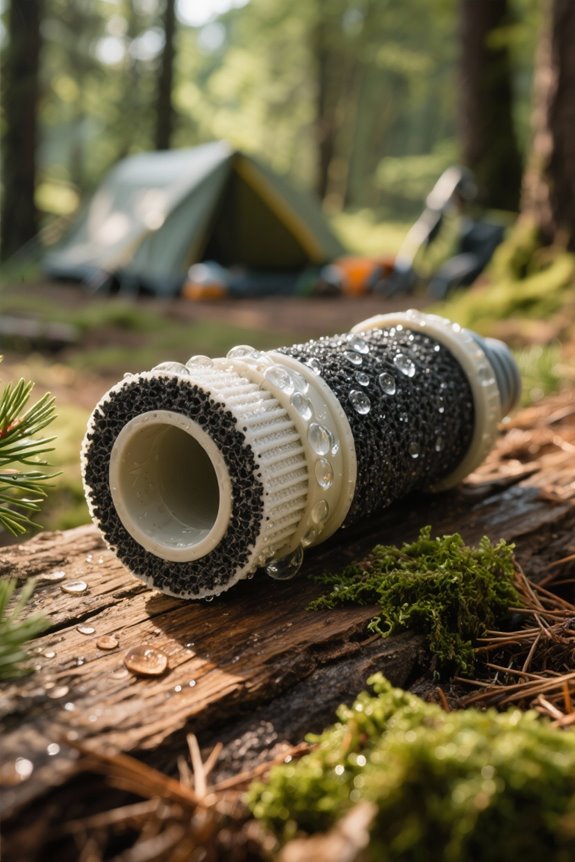
Understanding the effectiveness of various water purification methods helps us evaluate how well they remove contaminants from our drinking water. Here’s a quick breakdown:
- Activated Carbon Filters: Remove about 73% of PFAS contaminants, though performance varies by brand and age.
- Reverse Osmosis Filters: Highly effective with near-complete PFAS removal, suitable for both short- and long-chain PFAS.
- Membrane Filtration: Can eliminate up to 99.9% of specific contaminants like acetaminophen, but may need enhancements for all contaminant types.
- Granular Activated Carbon (GAC) Filtration: Effective in removing 76-87% of studied PFAS chemicals, providing a cost-effective solution.
When hiking or camping, portable water purification becomes essential, and choosing the right daypack with a hydration reservoir sleeve can accommodate filtration systems for accessing clean water on the trail.
Recommended Products
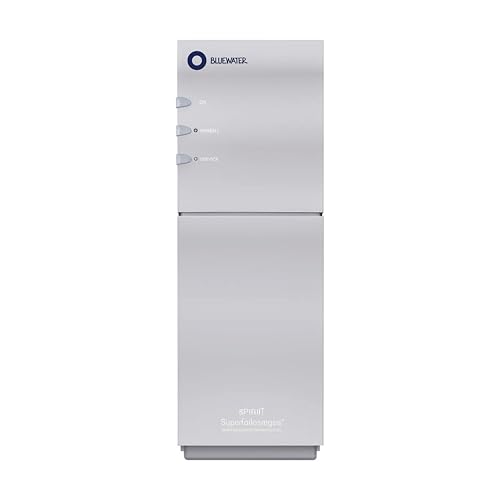
WATER LIKE NEVER BEFORE: Transform your tap water into a world-class pure water experience. The Spirit RO water filtration system features advanced purification tech to remove what others miss and deliver a truly unique hydration experience.

Whole House Water Filtration with Pre-Filter Protection – This home water filter system includes the WSP50J jumbo spin-down sediment filter as the first stage, capturing sand, dirt, and rust before water enters the main whole house water filter system. It helps prevent clogging, extends the life of your 3-stage water filter, and maintains strong water pressure—ideal for both city and well water applications.
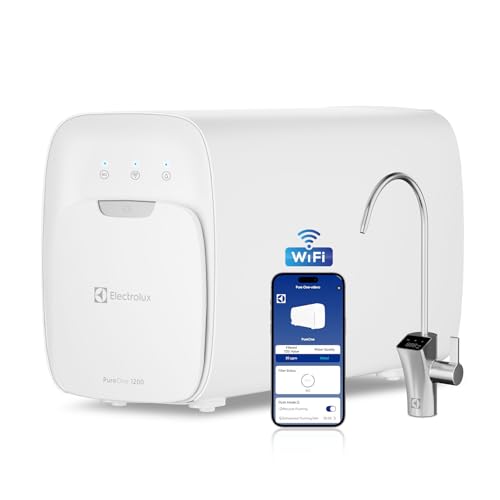
𝗦𝗺𝗮𝗿𝘁 𝗪𝗶𝗙𝗶 𝗖𝗼𝗻𝘁𝗿𝗼𝗹 & 𝗔𝗣𝗣 𝗠𝗼𝗻𝗶𝘁𝗼𝗿: Enjoy full control of your tankless reverse osmosis system through the built-in WiFi. Monitor water quality, filter life, and RO system status in real time. With the mobile app, you can also schedule automatic filter flushing, preventing buildup and ensuring every glass is fresh and clean.
Advantages and Limitations of Water Purification Systems

Water purification systems come with both notable advantages and certain limitations that we should consider.
Advantages
- Safety: They remove harmful contaminants, making water safer to drink.
- Taste: These systems eliminate unpleasant tastes and odors.
- Ease of Use: Many are compact and easy to install.
Limitations
- Cost: Initial purchase and installation can be expensive, impacting cost benefits.
- Maintenance: Regular filter changes and upkeep are necessary, adding to long-term costs.
- Contaminant Removal: Not all systems are effective against every type of contaminant, which can affect consumer preferences.
- Material Performance: Similar to how insulation materials in outdoor gear perform differently in wet conditions, water purification systems may experience reduced effectiveness when moisture resistance is compromised by prolonged exposure to humid environments.
Recommended Products

Order this 50-Pack for lightning-fast fulfillment. Shipped as a single, secure case directly from a local US warehouse, avoiding slow, multi-box shipments from Amazon fulfillment centers.

Upgrade Your Kitchen & Lifestyle: Treat yourself to the Tyent UCE 13 Plate Turbo Hydrogen Alkaline Water Ionizer Purification System, a truly top-tier home essential. This unit features 13 platinum-coated titanium solid/mesh hybrid plates and the largest, most robust water cell available. The compact matte-black and steel design adds a luxurious touch to the kitchen, saves valuable counter space, and provides your family with superior drinking water every day.

𝐀𝐝𝐯𝐚𝐧𝐜𝐞𝐝 𝐅𝐢𝐥𝐭𝐫𝐚𝐭𝐢𝐨𝐧 𝐓𝐞𝐜𝐡𝐧𝐨𝐥𝐨𝐠𝐲: Crystal Quest whole house water filter system employs reverse osmosis technology to efficiently remove contaminants and dissolved solids from your water supply. This advanced filtration process of our house water filter system ensures you access clean, refreshing water that tastes great.
Key Considerations in Selecting Purification Methods

Selecting the right water purification method requires careful thought about several factors specific to our situations. Here are key considerations:
- Water Source: Know where our water comes from, like wells or municipal supplies.
- Water Quality Testing: Regularly test water to identify contaminants.
- Cost Analysis: Consider both initial setup and ongoing maintenance costs.
- User Preferences: Choose a method that fits our lifestyle, whether we need speed, compactness, or simple maintenance.
- Space Requirements: Think about the physical space we have for systems, like filters or tanks.
- Portability Needs: For outdoor activities like camping and hiking, prioritize lightweight and compact storage options that can easily fit in backpacks alongside other essential gear.
Laboratory and Industrial Water Purification

In laboratory and industrial settings, achieving high-quality water is important for a range of applications. Two primary methods we commonly utilize are reverse osmosis (RO) and deionization (DI).
- Reverse Osmosis Efficiency:
- Removes 95-99% of dissolved solids, heavy metals, and microorganisms.
- Operates under high pressure to maintain effectiveness.
- Produces water with conductivity levels of 1-50 μS/cm.
- Deionization Processes:
- Uses ion exchange to achieve 99.9% mineral removal, with conductivity below 1 μS/cm.
- Often acts as a polishing step after RO.
Together, these methods guarantee that we consistently meet the high standards required in various applications, providing ultra-pure water vital for scientific and industrial processes. Similar to how lightweight and durable materials are essential for reliable tent pole replacements in outdoor equipment, the choice of appropriate purification materials and components is crucial for maintaining system longevity and performance.
Recommended Products

High removal capacity of iron, manganese, hydrogen sulfide. Removes suspended solids and turbidity.

The WECO Backwashing filter with KL/OZ is a specialized Point-Of-Entry (POE) system designed for municipal and well water supplies. Utilizes iron reduction media consisting of manganese dioxide (MnO2) coated onto naturally mined ZEOSORB. Lightweight filtration media with various functions and properties for water treatment and remediation.

MAKE PURE DRINKING WATER FROM AIR The Aqua Vitale A20L atmospheric water generator produces up to 20 liters (5.3 gallons) of fresh drinking water per day directly from ambient air. No plumbing, no water lines, and no bottled water deliveries required.
Emerging and Supplemental Technologies
With advances in technology, the field of water purification is evolving rapidly. We’re seeing exciting emerging and supplemental technologies that enhance our water treatment capabilities:
- Nanotechnology Applications:
- Nanoparticles like silver remove pathogens at the molecular level.
- Carbon-based particles greatly improve water quality.
- Smart Monitoring:
- AI-powered sensors allow real-time monitoring of water quality.
- Cloud connectivity empowers immediate stakeholder access for issue resolution.
These innovations enable more efficient filtration, with nanoparticles increasing the precision of contaminant removal, including microplastics. Additionally, automation reduces the need for manual intervention in the water purification process, making systems more reliable. For outdoor enthusiasts requiring portable water solutions, ultralight folding cots weighing under 5 pounds can complement compact purification systems during camping and hiking adventures. By embracing these advances, we can effectively address global water challenges and improve access to clean, safe drinking water for all.
Environmental and Economic Considerations
Although efficient water purification is crucial, we must also consider its environmental and economic impacts. Here are some key points:
- Environmental considerations:
- Untreated wastewater harms ecosystems and biodiversity.
- Overusing chemicals, like chlorine, can create toxicity, affecting aquatic life.
- Energy consumption in purification influences greenhouse gas emissions.
- Economic factors:
- Water treatment can cost around 0.5% of the GDP due to aging infrastructure.
- Increasing source water quality issues drive up treatment costs.
To enhance sustainability practices and treatment efficiency, we need to optimize resource use, minimize chemical runoff, and adopt renewable energy. Similar to how durable materials like 300D Oxford fabric offer moisture resistance in outdoor equipment, selecting reliable materials in water treatment systems enhances performance and longevity. By doing so, we can better balance effective water purification with responsible environmental stewardship.
Future Trends in Water Purification Techniques
The future of water purification techniques is evolving rapidly, and several key trends are shaping this transformation.
- Advanced Filtration: Future technologies like multi-stage systems will use refined membrane filtration methods for effective contaminant removal.
- Smart Water Systems: AI and IoT will bring real-time monitoring, enabling optimized operations and predictive maintenance.
- Hybrid Approaches: Combining various methods like reverse osmosis and UV sterilization enhances overall effectiveness.
- Innovative Materials: Nanotechnology, utilizing materials such as graphene and carbon nanotubes, improves filtration efficiency and contaminant targeting.
- Nature-Inspired Solutions: Eco-friendly options, like using biochar, will diversify our purification methods.
- Portable Power Solutions: As field testing and remote purification systems become more common, portable battery packs with multiple charging options will enable continuous operation of water purification devices in outdoor and emergency settings.
Together, these developments promise significant improvements in both efficiency and sustainability in water purification.
Frequently Asked Questions
How Can I Determine Which Purification Method Is Right for My Home?
To determine the right purification method for our home, let’s assess our water source and household size. This helps us choose a system that meets our needs efficiently, balancing effectiveness and convenience.
What Maintenance Is Required for Different Water Purification Systems?
Like a well-tuned orchestra, we must stay on beat with our water purification systems. Regular filter cleaning and replacements, following specific frequencies, guarantee harmony in our water’s quality and health, keeping our system performing beautifully.
Are There Any Health Risks Associated With Purified Water?
Yes, there are potential health risks associated with purified water. If it lacks essential minerals or fluoride, long-term consumption can lead to deficiencies and dental issues. We should consider our overall diet to mitigate these risks.
How Do Seasonal Changes Affect Water Purification Effectiveness?
Seasonal changes profoundly affect water purification effectiveness; temperature fluctuations can drastically alter water quality. As seasons shift, we must remain vigilant, adapting our strategies to guarantee safe, clean water and prevent potential health risks lurking beneath the surface.
Can Pets Safely Drink Water From Purification Systems?
Yes, our pets can safely drink water from purification systems. By ensuring proper pet hydration through filtration safety, we help protect them from contaminants while providing essential minerals for their health and wellbeing.


