As an Amazon Associate, we earn from qualifying purchases. Some links on this site are affiliate links at no extra cost to you. Our recommendations are based on thorough research and editorial judgment.


The Impact of Ground Surface on Sleeping Pad Performance

The ground surface beneath us considerably affects our sleeping pad performance. Here’s how:
- Heat Loss: Direct contact with cold surfaces leads to increased heat loss.
- Material Matters: Soft surfaces, like grass, provide better insulation than hard surfaces, such as rock.
- Surface Conditions: Rough textures trap air, enhancing warmth, while smooth ones increase heat transfer.
You may be interested


Choosing the right pad for specific ground types is essential. This guarantees comfort and minimizes cold transfer. Keep reading, and we’ll provide more insights on optimizing your outdoor sleeping experience.
Key Takeaways
- Heat loss through conduction increases when sleeping pads contact cold, hard surfaces like rock, necessitating effective insulation.
- Softer ground surfaces, such as grass, provide more warmth and reduce heat loss compared to bare or wet ground.
- Rough surfaces can create air pockets, enhancing insulation and minimizing cold transfer, while smooth surfaces lead to increased heat loss.
- Ground conditions can lead to uneven stability; using sleeping pads on hard surfaces may also cause pressure points.
- Moisture from wet ground significantly increases heat loss, making it crucial to choose suitable insulation for damp environments.
Understanding R-Value and Its Importance
When we think about sleeping pads, one key term often pops up: R-value. R-value quantifies a pad’s thermal resistance and determines insulation longevity. Higher R-values mean better insulation, reducing heat loss from our bodies to the ground. Here’s what we should consider:
- R-value implications: A pad with an R-value of 2.0 is twice as effective as one with 1.0.
- Recommended R-values:
- Below 2.0: Warm weather (above 50°F)
- 2.0 to 3.9: Cool conditions (down to 41°F)
- 4.0 and above: Cold weather
We should choose a sleeping pad based on expected nighttime temperatures and our personal comfort needs. Remember, an inadequate R-value can lead to a chilly night and poor sleep quality. Just as proper lighting requires understanding brightness levels for different camping activities, selecting the right R-value ensures our insulation performs optimally for the conditions we’ll encounter.
Heat Loss Mechanisms: Ground Contact and Surface Types

Understanding the mechanisms of heat loss is essential for maximizing our sleeping pad’s performance. Heat loss occurs mainly through:
- Conduction: Direct contact with cold, conductive surfaces, like metal or rock, can rapidly sap our body heat.
- Moisture Impact: Wet ground increases heat loss since water’s thermal conductivity is high.
Different surfaces influence how much heat we lose:
- Grass: Warmer than bare ground but still requires proper insulation.
- Sand: Lower thermal conductivity reduces heat loss compared to metal.
- Rock: Highly conductive, increasing the need for effective insulation.
We’ll need to take into account surface type and moisture on our camping trips, ensuring our sleeping pads have appropriate insulation to minimize heat loss. Pairing your sleeping pad with a quality sleeping bag that includes draft tubes can further prevent heat loss by sealing warm air inside your sleeping system.
Recommended Products

Extra-thick and extra-warm 4-inch air mattress provides a plush, insulated sleeping experience for winter (6.2 R-Value) camping and backpacking

Ultimate Camping Versatility: The MegaMat stands as the premium self-inflating air mattress for tent and car camping enthusiasts, delivering best-in-class comfort with 4 inches of cored foam that's especially ideal for SUV air mattress setups and side sleepers

GLAMPING-LEVEL COMFORT: The Safari’s lay-flat design and extra-thick pad deliver a sleeping experience on par with a cot or bed. No sag, no squeeze – just pure comfort. The canvas hammock and suede-topped pad conform to your body for pressure-point-free relaxation. It’s spacious and stable, so you can roll over freely at night. Many users report the Safari lets them sleep better outdoors than ever before.
The Role of Surface Conditions in Insulation Effectiveness

Surface conditions play an essential role in how effectively our sleeping pads provide insulation. When we consider surface texture and ground moisture, here’s what we find:
- Rough surfaces create air pockets under the pad, enhancing insulation.
- Smooth surfaces increase direct contact, leading to heat loss.
- Vegetation adds layers of insulation by trapping air and moisture.
- Hard surfaces like rock have low insulation and increase heat loss.
- Ground moisture elevates thermal conductivity, drawing heat away rapidly.
In colder conditions, we must be cautious, as frozen ground can noticeably increase heat loss. By understanding these factors, we can select the best surfaces for our sleeping pads, ensuring warmth and comfort during our outdoor adventures. Using coupler straps to secure sleeping pads to their bags helps maintain consistent positioning on uneven ground surfaces, preventing shifting that could compromise insulation effectiveness.
Recommended Products

HIGH QUALITY MAT: Safe, comfortable and reliable. Made with the best quality materials in the industry including heavy duty industrial grade parts and durable heat resistant medical-grade mesh fabric.

Ultimate Plush Design: The thickest self-inflating air mattress in the lineup, featuring 6 inches of open-cell foam - 50% thicker than standard camping mattress pads - creating an exceptionally soft car camping and tent sleeping surface ideal for couples

Extra-thick and extra-warm 4-inch air mattress provides a plush, women’s-specific sleeping surface for winter (6.3 R-Value) backpacking and camping
Material Differences: Foam vs. Inflatable Pads

Choosing between foam and inflatable sleeping pads can considerably influence our comfort and overall camping experience.
Foam Pads:
- Offer excellent foam durability, making them perfect for rugged terrains.
- Provide a firmer sleeping surface, though they may lack plushness.
- Instant setup means zero waiting time.
Inflatable Pads:
- Known for superior inflatable comfort, especially for side sleepers.
- Adjustable firmness caters to individual preferences.
- Lightweight with great packability, but be cautious of punctures.
Self-Inflating Pads:
- Combine benefits of both foam and inflatable designs.
- Offer varying R-values, increasing warmth and versatility.
Ultimately, our choice boils down to balancing durability, comfort, and ease of use. Knowing what fits our needs will enhance our adventures and sleep quality outdoors. Just as sleeping pads require careful selection based on terrain and conditions, choosing camping gear with IPX4 waterproof ratings ensures protection against moisture and variable weather in outdoor environments.
Layering Strategies for Enhanced Insulation

When we think about staying warm during our outdoor adventures, layering strategies play an essential role in enhancing insulation. Here are some effective layering techniques to master:
- Combine Sleep Systems: Using a lighter quilt under a heavier one maximizes warmth.
- Material Choices: Down is warm, while synthetic insulation excels at moisture management.
- Secure Layers: Reliable attachment systems keep quilts in place, preventing cold gaps.
- Vapor Barriers: These help manage condensation and improve comfort in layered setups.
- Add a Thermal Liner: Incorporating a thermal sleeping bag liner can boost your system’s warmth by 12 to 27 degrees Fahrenheit, providing crucial extra insulation between you and the ground.
Recommended Products

Ultralight and compact silk sleeping bag liner for backpacking, camping, and travel
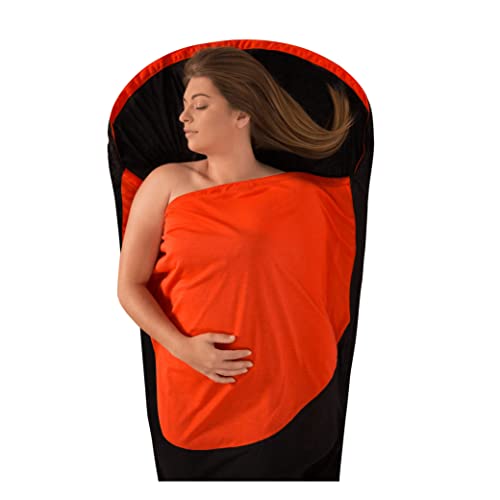
Insulated sleeping bag liner adds extra warmth and personal hygiene to any sleeping bag

A liner is the climate core of your sleep system - the Silk Blend liner adds warmth and a touch of luxury to your sleeping bag
Real-World Conditions and Their Effects on Performance
Real-world conditions greatly impact the performance of our sleeping pads, so understanding these factors is vital for staying warm and comfortable during our adventures. Here’s what to take into account:
- Ground Moisture: Wet surfaces conduct heat efficiently, leading to increased heat loss. Choosing a higher R-value pad is essential in these conditions.
- Terrain Stability: Uneven or rocky ground increases pressure points, reducing comfort and insulating effectiveness. We should prefer pads with stable designs to maintain insulation.
- Other Factors: The hardness of the surface affects how we inflate the pad. Firm inflation is necessary on hard ground to prevent bottoming out. Using heavy-duty tent stakes with sharp milled points between 8 to 12 inches can help secure your shelter effectively across various ground conditions, from soft soil to harder surfaces.
Adapting to these real-world conditions lets us optimize our sleeping pads for better performance, so we can enjoy restful nights outdoors.
Selecting the Right Pad for Specific Ground Types
Understanding how different sleeping pads perform on specific ground types can greatly enhance our outdoor experience. Here’s how to choose the right pad based on terrain compatibility:
- Rocky or Gravelly Surfaces: Use closed-cell foam pads for their puncture resistance and durability.
- Soft, Grassy Areas: Inflatable and self-inflating pads work best here, offering comfort without major puncture risks.
- Uneven Ground: Thicker pads improve comfort on roots and rocks, so consider their pad thickness for cushioning.
- Desert Conditions: Lightweight, inflatable pads are great, just watch for overheating.
- Snowy Terrain: High R-value pads (over 4) are essential to prevent heat loss.
For extreme cold weather camping, consider pads with an R-value of 9.5 or higher, which provide superior insulation against freezing ground temperatures.
With these guidelines, we can select pads that suit our adventures while ensuring a good night’s sleep!
Recommended Products


FEELS LIKE A REAL BED - Our queen memory foam camping mattress delivers hotel-level comfort in the wild whether stretching out solo or sharing a 2 person sleeping pad for camping
![GAIALOOP 4 INCH Thick Memory Foam Camping Mattress, Roll Up Floor Sleeping Mat Camp Cot Mattress Pad Travel Camping Couch Bed for Guest Adults Side Sleepers [Full:75 * 54 * 4"]](https://m.media-amazon.com/images/I/51c4ieFyU9L._SL500_.jpg)
【Luxurious Upgrade:4 Inch Thick】This 4 inch thick Gaialoop Memory Foam Sleeping Pad is an upgrade on Gaialoop 3 inch thick Memory Foam Mattress. The upgraded thickness can fully support your body even when you side sleep, stomach sleep, or sleep on rocks/uneven ground.
Maintenance and Inspection for Optimal Performance
To maximize our sleeping pad’s performance and longevity, we need to adopt a consistent maintenance routine that combines thorough inspection and careful care. Here’s how:
Maintenance Routines:
- Clean regularly using a soft cloth and mild detergent.
- Air dry in a shaded area to avoid sun damage.
- Store in a protective spot to maintain integrity.
Inspection Techniques:
- Use the “tub test” to detect leaks; look for bubbles.
- Perform a visual check for tears or punctures.
- Inflate the pad fully and listen for escaping air to find small leaks.
Just as camping chairs require weather-resistant materials to withstand outdoor elements, sleeping pads also benefit from protective storage that shields them from environmental damage between uses.
Frequently Asked Questions
How Do Temperature Fluctuations Affect Sleeping Pad Performance Overnight?
Temperature fluctuations can considerably affect sleeping pad performance overnight. As temperatures drop, sleeping pad materials lose insulation effectiveness, making temperature regulation critical to guarantee we stay warm and comfortable throughout the night.
Can I Use a Sleeping Pad Directly on a Heated Surface?
Using a sleeping pad directly on a heated surface is like placing a delicate flower in the sun—it’s necessary to take into account heating concerns and pad material to guarantee safety and comfort. We can optimize our experience!
Does Additional Padding Always Improve Insulation Effectiveness?
No, additional padding doesn’t always improve insulation effectiveness. We must consider padding types and insulation materials; if they compress too much, they could actually reduce the total thermal resistance, limiting their overall insulation capabilities.
How Do Sleeping Pads Compare to Sleeping Bags in Ground Insulation?
Like a shield against winter’s chill, sleeping pads provide essential insulation against the ground’s cold, offering greater thermal resistance compared to sleeping bags. Together, they create a barrier, ensuring warmth and comfort during our outdoor adventures.
What Role Does Humidity Play in Sleeping Pad Comfort?
Humidity plays an essential role in sleeping pad comfort; it affects insulation and moisture management. By controlling humidity levels, we can maintain warmth and enhance our overall sleeping experience, keeping our pads effective and our sleep restful.


