As an Amazon Associate, we earn from qualifying purchases. Some links on this site are affiliate links at no extra cost to you. Our recommendations are based on thorough research and editorial judgment.


How to Properly Inflate and Deflate Sleeping Pads

To properly inflate and deflate sleeping pads, we should follow these steps:
Inflation:
- Unroll on a clean surface.
- Open the valve fully for self-inflation or use a pump sack for manual inflation.
- Test firmness and adjust as needed.
Deflation:
- Open the valve and fold lengthwise.
- Roll from the opposite end while applying body weight.
- Seal the valve after most air is expelled.
You may be interested



Staying attentive to these steps will extend your pad’s life. More useful tips are ahead!
Key Takeaways
- Fully unroll the sleeping pad on a clean surface before opening the valve for proper inflation and inspection for damage.
- Allow self-inflating pads to expand for 5 to 30 minutes, adding air manually to achieve desired firmness.
- To deflate, open the valve completely and roll the pad tightly from the opposite end to expel air efficiently.
- Store the pad in a cool, dry place and clean it before storage to prevent moisture damage and prolong lifespan.
- Avoid over-inflating and adjust air levels according to temperature changes to maintain comfort and prevent leaks.
Types of Sleeping Pads and Valve Mechanisms
When it comes to sleeping pads, understanding the different types and their valve mechanisms can make a big difference in our outdoor experience. Here’s a quick breakdown:
- Air Pads: Lightweight and compact, these offer comfort but can puncture easily. Many include insulation for cold weather.
- Foam Pads: Non-inflatable and ultralight, they’re durable and provide insulation but are bulkier.
- Self-Inflating Pads: These combine foam with air chambers, partially inflating when the valve opens.
- Hybrid Pads: Mixing foam and air, they deliver comfort and insulation for specific environments.
- Car Camping Pads: Larger and thicker, they often feature advanced valve innovations for easy inflation and deflation.
Understanding Air Pad features and the latest valve innovations helps us choose the right pad, ensuring a good night’s sleep outdoors. For faster inflation, look for pads equipped with a WingLock valve, which can inflate up to 3 times faster than classic valve designs.
Recommended Products

Air sleeping pad provides top-rated luxury comfort in a lightweight package for backpacking with one of the thickest camping mattresses available

3-inch-thick ultralight air mattress trusted by alpinists and mountaineers looking for extra warmth and durability in the backcountry

3-inch-thick ultralight air mattress trusted by alpinists and mountaineers looking for extra warmth and durability in the backcountry
Proper Inflation Steps for Sleeping Pads

Inflating a sleeping pad correctly is just as important as selecting the right type based on its valve mechanisms. Here’s how we can do it effectively:
- Preparation: Unroll the pad on a clean, dry surface. Open the valve fully, guaranteeing no debris interferes with valve maintenance. Check for visible damage.
- Self-Inflation: For foam-based pads, let the pad self-inflate for 5 to 30 minutes. If it’s not fully expanded, add a few breaths of air for firmness.
- Manual Inflation: Use a mouth or pump sack, assuring a secure seal to prevent leaks. Monitor the pad’s firmness during inflation to avoid overinflation. Some pads include a Schnozzel Pumpbag which provides moisture-free inflation, preventing condensation buildup inside the pad.
- Final Check: Test its firmness and adjust if needed. Remember, a slightly firmer pad offers better insulation. Proper inflation guarantees a comfortable night’s sleep!
Recommended Products

【4 Windows, 3 Doors with Expandable Canopy】Designed with two layers—one airtight and one mesh—for enhanced breathability and mosquito protection. This waterproof tent features 3 doors for easy entry, large mesh windows, and 2 A-shaped zippered arches to maximize airflow, keeping you cool and comfortable. Especially the third door comes with an expandable canopy, creating an extra activity space separate from the Sleeping Area, which makes your camping experience more uninhibited.

TRUE FLAT: Designed with a wedge-shaped foam core that fills the step gap between folded seats, creating a truly flat 0° car mattress for Minivan in your Toyota Sienna. No more uneven or sloped rest.

Exped MegaMat Max Duo Long Wide Plus - Self Inflating Plush Sleeping Mat, 6” Foam Pad, Pump Included
Ultimate Plush Design: The thickest self-inflating air mattress in the lineup, featuring 6 inches of open-cell foam - 50% thicker than standard camping mattress pads - creating an exceptionally soft car camping and tent sleeping surface ideal for couples
Effective Deflation Techniques

Deflating a sleeping pad might seem straightforward, but there are effective techniques we can use to guarantee it’s done right.
- Open the Valve: Start by fully opening the valve to allow air to escape freely. If it has two valves, use both for faster deflation.
- Folding and Rolling: Fold the pad lengthwise, then roll from the end opposite the valve. Apply steady pressure, using body weight to help expel air.
- Timing Matters: Take your time; quick actions might trap air.
- Close the Valve: Only seal the valve after ensuring most air is expelled.
- Use Built-in Features: Some models come with straps or multi-function valves designed specifically to simplify the deflation and packing process.
Recommended Products

3" sturdy upholstered loft
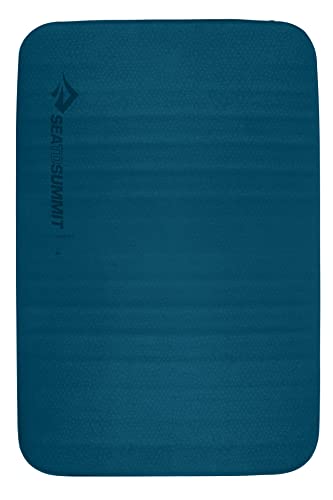
4-season luxury foam double sleeping pad is 4 inches thick, with vertical sidewalls, for maximum warmth and comfort for two people while camping, traveling, or at home

Extra-thick and extra-warm 4-inch air mattress provides a plush, insulated sleeping experience for winter (6.2 R-Value) camping and backpacking
Storage Recommendations for Longevity

To guarantee our sleeping pads last longer and remain in top condition, we must take proper care during storage. Here are some key recommendations:
Storage Environment:
- Keep pads in a cool, dry place away from sunlight to prevent material degradation.
- Avoid damp areas like basements or attics where humidity can accelerate wear.
- Use closets or under-bed spaces, ensuring they’re clear of sharp objects.
- Don’t stack heavy items on pads to prevent compression.
Cleaning Before Storage:
- Clean pads with mild soap to remove dirt and spills.
- Allow both the interior and exterior to dry completely.
- Inflate and deflate several times after wet trips to reduce moisture.
- For foam camping pads, wipe down the IXPE foam surface to ensure moisture protection capabilities remain effective during long-term storage.
Recommended Products
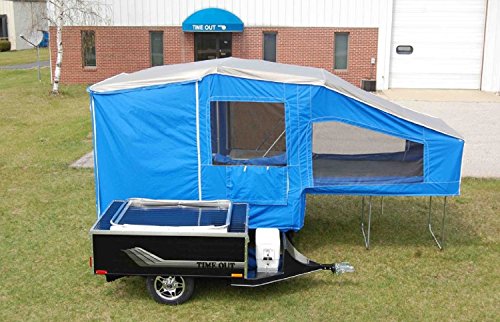
On those hot days it serves to keep your cold A/C in while still being able to enjoy the view of the outdoors. Yes each camper has an optional attachment for an A/C unit! Time Out Deluxe Camper with 23 cubic feet of cargo space. Set up time is about 3 minutes with one person. Black or White Color Scheme, Grey, Blue, or Red Stripes, Air Mattress, Wiring Harness, 1 7/8" Ball Coupler, Table, Chair, Wheels 12"

✅ CONTEMPORARY SEAT AND HALF POWER CHAISE | Unlimited recline positions for increased comfort

CNC Aluminum & Easy Setup: This rooftop tent setup with gas struts - just lift and it self-deploys effortlessly, no assembly required. The aerospace-grade CNC aluminum frame with aluminum honeycomb panels offers military-grade durability at a featherlight weight. Installs on most roof racks in minutes.
Common Mistakes and Troubleshooting

Even with proper storage, common mistakes during inflation and deflation can impact our sleeping pad’s performance. Let’s look at some inflation pitfalls:
- Over-inflation can lead to discomfort and leaks.
- Inadequate inflation makes us feel the ground, ruining our sleep.
- Temperature effects mean we must adjust our inflation as it changes.
- Using breath can introduce moisture, affecting durability.
- Material choice matters; nylon stretches more than polyester, risking air loss.
For troubleshooting air loss:
- Adjust inflation to temperature.
- Inflate the pad hours before use for stability.
- Add breaths during the night if it feels deflated.
- Consider using a pump sack to improve air intake while avoiding moisture introduction from breath inflation.
Recommended Products

【9K+9K+18K 3 Zone with Independent Zone Control】Designed for homes with two bedrooms and a large open-concept living area. This 28,000 BTU outdoor unit is paired with two 9K and one 18K indoor unit. Each zone features independent control over power, temperature, fan speed and operation modes. Built with 4-way air swing, sleep mode and 24-hour timer, it provides even cooling and heating for spacious rooms.

PRESSURE ULCER MATTRESS: ProHeal's hospital bed mattresses consist of 20 individual bladders that prevent and offer clinical preferred treatment for bed sores. The air flow runs on 4 accessible alternating cycles, 10, 15, 20, and 25 minutes, allowing clinicians to customize therapy. The cell-on-cell two layer design maintains air in the mattresses lower 4" in the event of a power failure.

Fast Cooling & Heating: This mini split air conditioner heat pump provides 24000 BTU for both cooling and heating, 20 SEER2 and 8.5 HSPF2. It's designed for year-round use and is suitable for spaces up to 1500 sq ft. With an impressive operating range of 5°F to 125°F, it features a built-in heating mode
Frequently Asked Questions
How Do I Choose the Right Sleeping Pad for My Needs?
To choose the right sleeping pad, we should consider sleeping pad types like self-inflating or air pads, and insulation ratings to match our needs for comfort, warmth, and weight based on our camping style.
Can I Repair a Damaged Sleeping Pad Myself?
Yes, we can definitely tackle DIY repairs on a damaged sleeping pad. Using patch kits, we’ll follow the steps to locate leaks, clean the area, and apply a patch for a reliable fix.
What Are the Weight and Packability Considerations for Sleeping Pads?
As we traverse through sun-dappled trails, we consider weight and packability factors, opting for ultralight pads that fit snugly in our packs. Together, we’ll balance comfort and convenience for unforgettable adventures under starry skies.
Are Sleeping Pads Suitable for All Types of Camping Trips?
Sleeping pads aren’t one-size-fits-all for camping trips. For backpacking trips, we prefer lightweight options, while for car camping, we can indulge in thicker, more comfortable pads. Each type caters to specific needs and preferences.
How Do I Clean My Sleeping Pad After Use?
Cleaning our sleeping pads is simple! Using the right cleaning methods, let’s gently wipe them down with a damp cloth, apply soap for tougher stains, and follow maintenance tips to keep them in top shape.


