As an Amazon Associate, we earn from qualifying purchases. Some links on this site are affiliate links at no extra cost to you. Our recommendations are based on thorough research and editorial judgment.


How to Recognize Signs of Hypothermia and Heat Illness

To recognize signs of hypothermia and heat illness, we should be attentive to key symptoms:
You may be interested



Hypothermia:
- Mild: Shivering, pale skin, and confusion.
- Moderate: Stopping shivering, confusion, and slowed heart rate.
- Severe: Unresponsiveness, absent reflexes, and weak breathing.
Heat Illness:
- Heat Exhaustion: Heavy sweating, cool skin, and dizziness.
- Heat Stroke: Body temperature above 104°F, confusion, and hot, dry skin.
Understanding these can help us act fast. Stick around, there’s more to uncover!
Key Takeaways
- Hypothermia symptoms include uncontrollable shivering, pale skin, and numb extremities; severe cases involve confusion and unresponsiveness.
- Signs of heat exhaustion feature heavy sweating, cool skin, dizziness, and nausea; heat stroke presents a high body temperature and confusion.
- For mild hypothermia, look for mild confusion and difficulty concentrating alongside physical symptoms.
- Recognize risk factors for both conditions, such as age and environmental factors like wind and humidity.
- Maintain hydration during high heat and check for early signs like excessive sweating or shivering to prevent severe conditions.
Understanding Hypothermia
Understanding hypothermia is essential, especially when we venture into cold environments. Let’s clarify some myths while considering how it relates to cold-related injuries.
- Definition: Hypothermia occurs when our core body temperature drops below 35°C (95°F).
- Classification:
- Mild (32–35°C)
- Moderate (28–32°C)
- Severe (<28°C)
Hypothermia affects anyone, but risk factors include age, substance use, and poor circulation.
Here are a few common hypothermia myths we should debunk:
- Myth: You can’t get hypothermia in dry cold.
- Fact: Wind and wet conditions greatly increase the risk.
We must recognize the signs of hypothermia early. This helps prevent life-threatening complications and guarantees everyone’s safety. When camping in winter conditions, having a tent with proper insulation elements like snow skirts and stove jacks can provide crucial protection against wind and cold temperatures.
Recognizing Mild Hypothermia

Mild hypothermia can sneak up on us, especially when we underestimate the cold. It typically occurs when our core body temperature drops to between 95°F and 89.6°F. Here are some key points to recognize mild hypothermia:
- Mild Symptoms: Uncontrollable shivering, pale skin, and numb extremities.
- Physiological Responses: Increased heart rate and shallow breathing indicate the body’s efforts to maintain heat.
- Behavioral Indicators: Mild confusion, sluggishness, and difficulty concentrating may surface.
Early recognition is vital. If we observe these symptoms, it’s important to address the situation quickly. Staying vigilant can help prevent the progression to more severe hypothermic conditions, keeping ourselves and our loved ones safe during cold-weather activities. When camping in cold conditions, having a portable cooking station with heat-resistant surfaces can provide warmth and hot meals to help prevent hypothermia from worsening.
Signs of Moderate Hypothermia
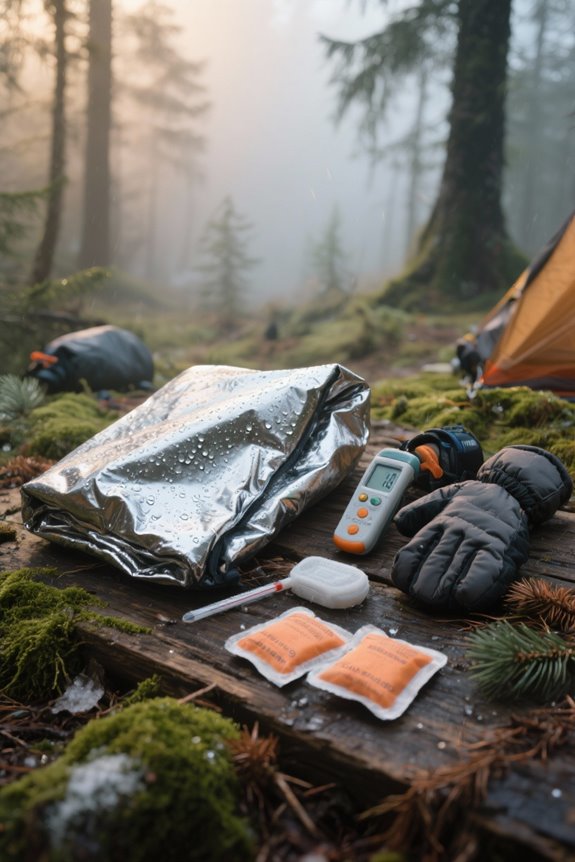
When the temperature drops considerably, recognizing the signs of moderate hypothermia becomes critical. We should observe several key moderate hypothermia symptoms indicating body temperature effects between 28°C and 32°C (82°F to 90°F):
- Body Changes: Shivering stops, heart rate slows, and breathing becomes shallow.
- Cognitive Signs: Look for confusion, slurred speech, or poor coordination.
- Temperature Indicators: Skin may turn pale or bluish, and extremities feel cold.
- Urinary Signs: Increased urine output occurs due to the body conserving heat.
As we identify these signs, it’s important to act quickly. If we see someone exhibiting these signs, they need immediate help to prevent progression to severe hypothermia. Proper gear selection, including backpacks with ergonomic support and balanced weight distribution, can help prevent fatigue and maintain body heat during cold-weather outdoor activities. Staying vigilant could save a life.
Identifying Severe Hypothermia
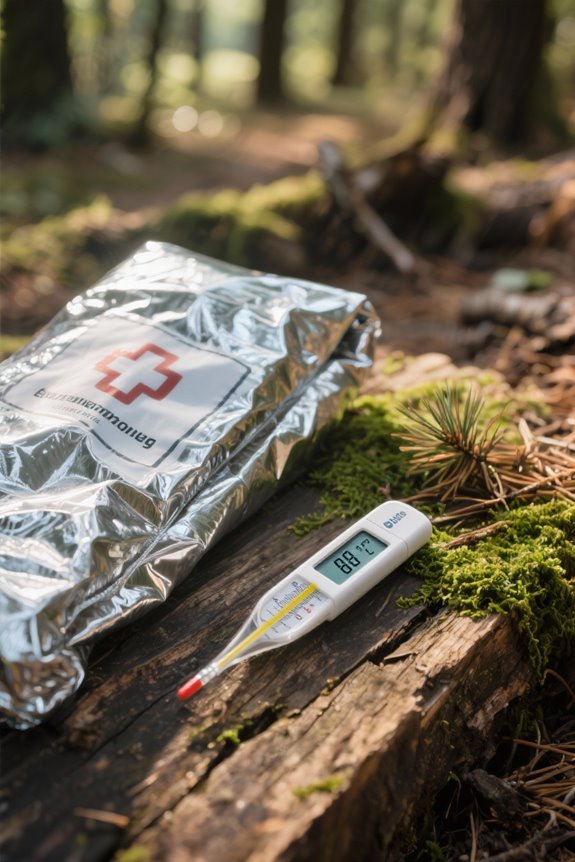
Severe hypothermia represents a vital stage where the body’s temperature drops dangerously low, leading to life-threatening complications. We should recognize the signs early:
- Core temperature falls below 28 °C (82 °F).
- Neurological signs may include confusion, unresponsiveness, or absent reflexes.
- Heartbeat can slow considerably, risking arrhythmias.
- Blood pressure may drop, causing shock.
- Breathing becomes weak or irregular.
It’s essential to evaluate risk factors, such as wet clothing, alcohol use, or existing health conditions like hypothyroidism. Immediate medical intervention is vital because every second counts. Let’s stay vigilant and know when to act; ignorance could be fatal. In any case of suspected severe hypothermia, calling emergency services is our best course of action. Proper gear selection, including sleeping pads with high insulation ratings, can provide critical protection against extreme cold weather conditions during outdoor adventures.
Symptoms in Infants and Vulnerable Groups

Recognizing the symptoms of hypothermia in infants and vulnerable groups is essential for their safety and well-being.
For infants, we should watch for:
- Physical Signs: Cool, pale extremities and bright-red cold skin.
- Behavioral Changes: Decreased movement and alertness, poor feeding.
- Respiratory Issues: Difficulty in breathing.
Vulnerable populations, including older adults, share similar risks. They may also show:
- Increased heat loss: Due to high body surface area.
- Behavioral Changes: Reduced awareness and response.
Skin-to-skin contact and warm blankets can help prevent infant hypothermia and keep our vulnerable loved ones safe. When camping or spending extended time outdoors in cold weather, proper insulation from the ground is crucial, and sleeping pads with higher R-Values provide better protection against heat loss in cold conditions. Always consult a healthcare professional if these symptoms appear, ensuring prompt medical attention as needed.
The Importance of Body Temperature Measurement
Body temperature measurement plays an essential role in our overall health management. It serves as a critical indicator of our body’s condition. Here’s why temperature monitoring matters:
- Early Detection: Changes in body temperature can signal infections or illnesses, sometimes before other signs appear.
- Clinical Significance: A fever, above 38.3°C, often indicates an immune response and guides treatment decisions.
- Accuracy Matters: Core temperature readings are more reliable than peripheral ones, preventing misdiagnoses or missed conditions like sepsis.
- Chronic Illness Management: In settings like oncology, regular monitoring can detect complications early.
- Outdoor Preparedness: When camping or hiking in varying weather conditions, monitoring body temperature becomes especially critical, much like how pressure-regulated camping stoves perform reliably in cold weather environments.
Recommended Products

Measurement time: Less than 0.04 seconds
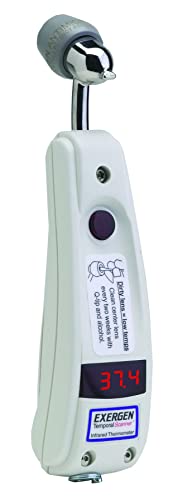
Arterial temperature is close to rectal temperature, approximately 0.8°F (0.4°C) higher than oral temperatures.

Icon based user interface on backlit LCD display
Diagnostic Approaches for Hypothermia
When evaluating a patient for hypothermia, we must employ a thorough and systematic diagnostic approach. Key steps include:
- Clinical Assessment: Use the ABCDE approach to assess airway, breathing, and circulation while noting the patient’s cold exposure history.
- Temperature Evaluation: Measure core body temperature accurately; esophageal measurement is best in intubated patients, while tympanic methods fall short.
- Diagnostic Criteria: Identify symptoms like shivering, confusion, or lethargy, correlating them with core temperature.
- Cardiovascular Monitoring: Focus on detecting central pulses and ECG changes, as these can highlight potential arrhythmias.
- Laboratory Testing: Monitor electrolytes and renal function, noting that coagulation can seem normal but might be misleading due to hypothermia.
- Equipment Considerations: When conducting field assessments in extreme cold conditions, ensure proper balance and support with appropriate gear to maintain stability during patient evaluation and transport.
This structured approach helps guarantee accurate detection and management of hypothermia.
First Aid Actions for Mild Hypothermia
Mild hypothermia is a serious condition, but with prompt first aid actions, we can stabilize the affected person effectively. Here’s what we should do:
- Remove Wet Clothing: Strip any wet clothes right away, replacing them with dry, loose layers. Insulating materials, like blankets, are great.
- Gentle Rewarming Techniques: Use passive rewarming by adding insulating layers. Warm compresses on core areas—like the neck, chest, and groin—help first. Always avoid rapid warming.
- Hydration Support: Encourage warm, sweetened fluids, such as tea or broth. This helps maintain energy and internal heat.
- Emergency Power Considerations: If camping in cold conditions, ensure you have a portable power station to keep communication devices charged for emergency assistance.
Recommended Products

Handles Even the Big Appliances: Run major home appliances with 7200W of rated power (14,400W surge). Supports both 120V and 240V for powerful more devices, even a 5-ton AC for comfortable indoor temperatures or a water heater for a hot shower.

[7200W Whole-House Power Hub] The F7200 is a true powerhouse with a massive 7200W AC output (9000W Surge). It effortlessly runs high-load appliances like central AC, water pumps, and electric heaters—making it the ultimate whole home battery backup.

[2200W Rapid Charging] Go from Zero to Full in Under Two Hours. Recharge at top speed with 2200W AC input (0–100% in 1.44 hours) or harness maximum sunlight with up to 2400W solar input. The built-in 2200W bi-directional inverter in the PowerMax 6000 enables ultra-fast AC charging, delivering a full battery in as little as 1.96 hours. Power up faster, stay out longer
Immediate Steps for Moderate Hypothermia
Recognizing moderate hypothermia is key, as it represents a more serious threat. Here are immediate steps we can take to help:
- Remove wet clothing: Replace it with dry, insulating layers to stop further heat loss.
- Shelter the person: Get them out of cold environments to halt heat depletion.
- Use gentle rewarming techniques: Apply external heat sources to areas like the neck and groin, avoiding rapid high heat.
- Encourage fluid support: If they’re conscious, offer warm, sweetened drinks for hydration and energy. Avoid alcohol and caffeine.
- Minimize movement: Discourage physical activity to conserve energy and reduce cardiac risks.
- Consider backup heat sources: Keep solid fuel tablets on hand as they can provide emergency warmth when traditional heat sources aren’t available, burning for about 9 minutes each.
Always monitor the person closely, and seek emergency medical help since moderate hypothermia can escalate quickly.
Recommended Products

HOME BACKUP POWER, ≤3% THD: The Westinghouse iGen12000DFc dual fuel inverter generator provides whole home backup power that's safe for sensitive electronics; It also has a 50A outlet; Gasoline: 12,000W peak and 9,000W running; Propane: 11,000W peak and 8,100W running

6500 starting watts, 5000 running watts, and ultra-quiet 64 dB(A) operation make it perfect for camping, RVs, or backup power, with up to 15 hours run time on a full tank.
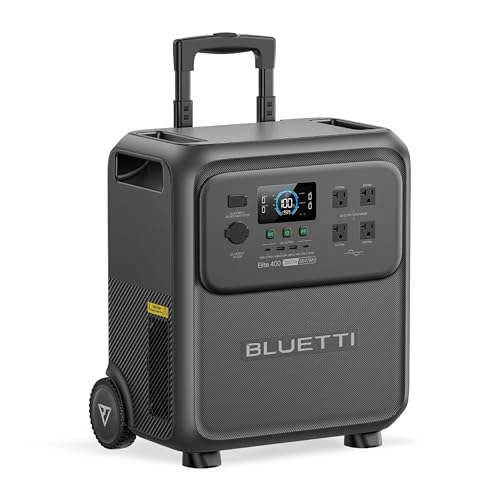
[Massive Capacity, Strong Power] - With 3840Wh capacity and 2600W output (surge to 3900W) reliably run everything from a refrigerator to power tools. Featuring 9 versatile ports, Elite 400 is the perfect all-in-one power source for home emergencies, daily use, and weekend adventures.
Emergency Response for Severe Hypothermia
Severe hypothermia demands immediate action, as it poses a life-threatening risk. We must recognize key signs like loss of consciousness, confusion, and a core temperature below 32°C.
Prehospital Protocols:
- Quickly remove the person to a warm environment.
- Initiate passive rewarming with dry clothing and blankets.
- If they’re pulseless, extend CPR, as hypothermia can protect brain function.
Hospital Interventions:
- Active rewarming is essential, often using heated IV fluids.
- Advanced care may require ECMO or intensive monitoring in an ICU.
- Close communication with hospital staff guarantees the best care.
- When returning to outdoor activities after recovery, consider carrying lightweight backpacking chairs that weigh under 3 lbs to prevent exhaustion and allow for proper rest breaks on the trail.
Recommended Products

THE LIGHTEST LUXURY CHAIR - Wider, higher, and more comfortable than any other ultralight camping chair in its class, the Big Six Armchair combines luxury and convenience like the world’s never seen before. And this one has two built in cup holders! The exclusive frame design with pre-bent poles delivers an unbeatable strength-to-weight ratio in an ultralight package.
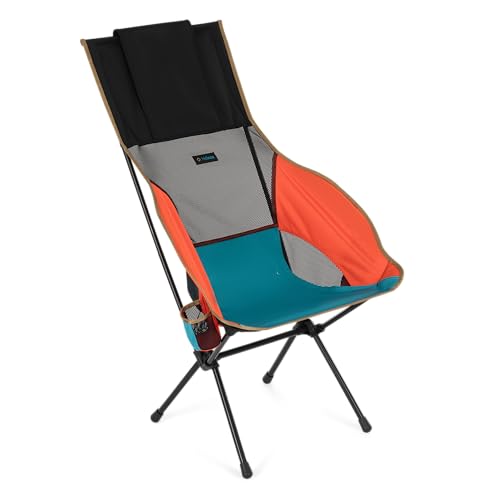
Extra high and wide chair for outdoor living, with mesh ventilation panels and attached cupholder; ideal for relaxation on the patio or on-the-go

ENHANCED COMFORT: Redesigned with a second tension line that distributes weight more evenly, delivering better support and all-day comfort for lounging, reading, or relaxing by the water
Understanding Heat Illness
Have you ever experienced that overwhelming feeling of heat weighing you down? Understanding heat illness starts with recognizing its causes. High temperatures and humidity, especially during strenuous activities, raise our risk. To combat this, we should focus on:
- Heat Acclimatization: Gradually increasing exposure helps our bodies adjust.
- Hydration Strategies: Drinking water and electrolyte-rich beverages is key.
Poor air circulation and heavy clothing can worsen our heat exposure. Basic signs we might notice include muscle cramps, excessive sweating, and dizziness. If we feel any of these symptoms, it’s essential to take them seriously. Remember, combating heat illness is about awareness and preparation, so let’s prioritize staying cool and hydrated.
Signs of Heat Exhaustion
Understanding the signs of heat exhaustion is crucial, especially when we find ourselves in hot, humid conditions. Recognizing these symptoms allows us to manage heat stress effectively. Key signs include:
- Heavy sweating, even if we’ve stopped or slowed our activity.
- Cool, clammy skin, which may look pale or flushed.
- Dizziness, headaches, or feeling faint.
- Nausea or vomiting, often due to dehydration and electrolyte imbalance.
- Rapid, weak pulse and quick, shallow breathing.
If we notice these symptoms, it’s essential to move to a cooler area and hydrate with water or electrolyte drinks. Taking these steps can help restore balance and prevent worsening conditions. Let’s remain vigilant, especially when we’re outdoors in extreme heat.
Recognizing Heat Stroke
Heat stroke is a significant condition that demands our attention, especially during extreme heat. It’s essential to recognize its core symptoms:
- Body temperature: Typically exceeds 104°F (40°C).
- Central nervous system changes: Look for confusion, agitation, or slurred speech.
- Severe symptoms: Loss of consciousness and seizures can occur.
- Skin changes: Hot, dry skin indicates a loss of sweating.
Heat stroke can develop unexpectedly. It’s important we act quickly, as emergency cooling methods are necessary. Immediate medical care can prevent serious complications.
If someone exhibits these symptoms, move them to a cooler area, remove excess clothing, and begin cooling efforts. Remember, recognizing heat stroke early can save lives, so let’s stay vigilant during hot weather.
Preventative Measures for Hypothermia and Heat Illness
When it comes to preventing both hypothermia and heat illness, being proactive is key. Here are some important preventative measures:
- Layered dressing: We should always dress in layers to help regulate body temperature.
- Environmental factors: Staying indoors during extreme weather and avoiding wet clothing is essential.
- Vulnerable groups: We must pay extra attention to the elderly, young children, and those with medical conditions.
- Body regulation: Avoiding alcohol and drugs helps maintain body temperature control.
Additionally, using insulated clothing and personal flotation devices can aid in cold environments. By being mindful of these strategies, we can notably reduce the risk of hypothermia and heat illness for ourselves and others.
Recommended Products

Complete CAT 4 Protection: Stay protected while navigating electrical environments with our Arc Flash Kit, featuring a 2x-large 40 Cal FR bib overall, coat, class 2 rubber voltage gloves, face shield, safety glasses, gear bag, and tools
Complete CAT 4 Protection: Stay protected while navigating electrical environments with our Arc Flash Kit, featuring a 3x-large 40 Cal FR bib overall, coat, class 2 rubber voltage gloves, face shield, safety glasses, gear bag, and tools
Complete CAT 4 Protection: Stay protected while navigating electrical environments with our Arc Flash Kit, featuring a 3x-large 40 Cal FR bib overall, coat, class 2 rubber voltage gloves, face shield, safety glasses, gear bag, and tools
Frequently Asked Questions
Can Hypothermia Occur Even in Mild Weather Conditions?
Yes, hypothermia can definitely occur in mild temperatures due to unexpected exposure. We should always be cautious, as even seemingly warm weather can lead to dangerous situations if we aren’t properly dressed or prepared.
How Long Can Someone Survive in Severe Hypothermia?
Survival duration in severe hypothermia depends on critical temperature. We’ve seen cases survive as low as 14 °C with prompt intervention. Timely rewarming is essential, enhancing survival chances greatly even in dire situations.
Are Certain Populations More at Risk for Hypothermia?
Yes, certain populations are more at risk for hypothermia. Elderly individuals often struggle with thermoregulation, while outdoor workers face exposure to harsh conditions that heighten their vulnerability to cold-related illnesses. Let’s stay vigilant for everyone.
What Are Common Misconceptions About Heat Illness?
Common misconceptions about heat illness include believing heat exhaustion only happens in high temperatures or that dehydration causes only thirst. Instead, it can strike unexpectedly under moderate conditions, making awareness and prevention essential for all of us.
How Does Alcohol Consumption Affect Hypothermia Risk?
Alcohol consumption increases hypothermia risk by dilating blood vessels, reducing our body’s heat retention. We often overlook hypothermia symptoms, mistaking alcohol’s warming sensation for safety, which leads us to make poor decisions in cold environments.


