As an Amazon Associate, we earn from qualifying purchases. Some links on this site are affiliate links at no extra cost to you. Our recommendations are based on thorough research and editorial judgment.


How to Prevent and Fix Sleeping Pad Punctures

To prevent and fix sleeping pad punctures, we should focus on a few key steps:
- Clear sharp objects from the setup area.
- Regularly inspect pads for wear.
- Use proper storage, like breathable sacks, to avoid deterioration.
You may be interested



If we notice leaks, we can listen for hissing sounds or use a soap solution to spot air escaping. For repairs, kits like Seam Grip or Tenacious Tape work well. Let’s explore more detailed methods and techniques to protect our gear.
Key Takeaways
- Prepare the ground by removing sharp objects and using a durable groundcloth to protect your sleeping pad.
- Regularly inspect your pad for signs of wear and perform visual checks to identify potential puncture risks.
- Inflate the pad to one-third capacity to avoid over-inflation, which can lead to stretching and punctures.
- If a puncture occurs, use a soap solution to detect leaks and apply appropriate repair materials like peel-and-stick patches.
- Store the pad loosely or in a breathable sack, avoiding tight compression and direct sunlight to prevent deterioration.
Preparation and Setup
When preparing for our camping trip, setting up our sleeping pad properly is crucial to prevent punctures. Here’s how we can do this effectively:
- Ground Preparation:
- Clear sharp objects like rocks and sticks.
- Perform visual and tactile checks around the area.
- Protective Measures:
- Use a durable groundcloth, such as polycro or Tyvek, for added protection.
- Inflation Techniques:
- Inflate our pad slowly to avoid stressing its material.
- Guarantee even weight distribution for comfort and durability.
- Tent Positioning:
- Position the pad away from sharp edges or tent poles.
- Regularly inspect our setup to catch any potential damage early on.
- Additional Protection:
- Consider placing a camping cot mattress on top of your sleeping pad for an extra layer of cushioning and puncture prevention.
These steps can greatly improve our camping experience!
Recommended Products

STURDY HEAVY DUTY CANVAS TARP - Made from sturdy, thick, poly cloth fabric. This weighty, plain-but-strong woven canvas is perfect for extreme environments and high-stakes outdoor applications where flawless performance matters.

STANDARD FEATURES: Canvas Alpha Wall Tent includes the complete tent with aluminum frame, rafter angle kits and free-floating PVC floor, NO NEED TO BUY THEM SEPARATELY! Basic features include the stove jack with flap, durable 3-layer large triangular windows, zippered door with storm flap, mesh, sod cloth and all standard essentials packed in a waterproof tent bag for easy transport and storage

【Dual-Unit Parallel for 7200W Whole-House Power】This variant includes 2 units of 3600W/3600Wh LFP power stations, supporting parallel connection to achieve 240V/7200W high power output. Easily drives heavy household appliances (AC, dryers, water pumps) and realizes full whole-house backup, covering 99% of home power needs—perfect for large families or homes with high-power demands.
Common Mistakes to Avoid
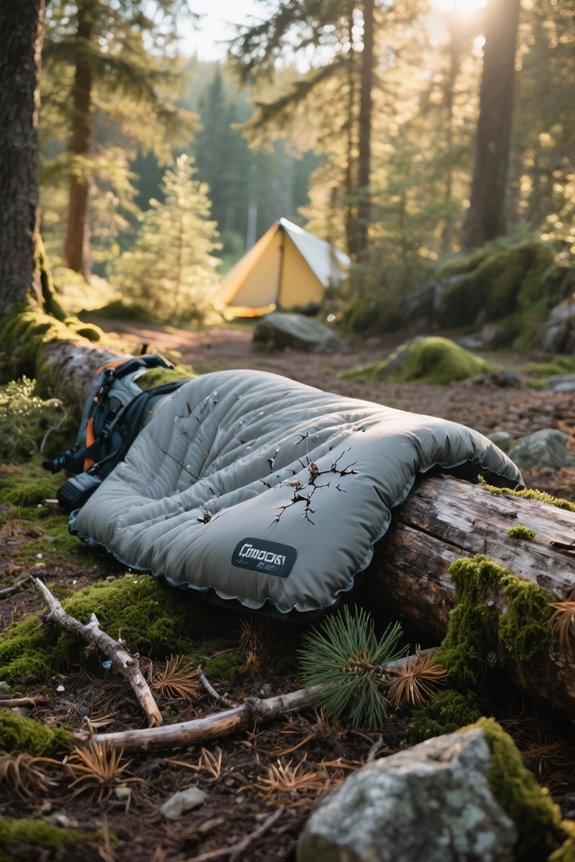
To maintain our sleeping pad’s durability and functionality, we need to avoid common mistakes that can lead to punctures or leaks. Here are key areas to watch:
- Over-inflation risks: Too much air creates a taut surface that’s more likely to puncture, plus it diminishes comfort. Aim for about one-third full to allow natural cradle effect.
- Improper patching: Patching without a strong adhesive is often just cosmetic. Always clean surfaces and use adhesive that guarantees a solid bond. Test patches by submerging in water for bubbles, indicating leaks.
- Neglecting ground preparation: Sharp objects like rocks, twigs, or rough terrain can easily puncture even durable materials, so consider using a camping cot to keep your sleeping surface elevated and protected from ground hazards.
Preventative Measures for Longevity

Maintaining our sleeping pad’s longevity requires proactive steps that go beyond immediate fixes. Here are some preventative strategies and longevity tips we can follow:
- Clear the Area: Remove sharp sticks or rocks before we set up our tent.
- Use a Groundcloth: Lay a footprint under the tent for extra protection.
- Inspect Gear: Regularly check our equipment for signs of wear.
- Weight Distribution: Spread weight evenly to prevent pressure on one spot.
- Handle with Care: Treat the sleeping pad gently during setup and teardown.
- Store Properly: When not in use, store the pad unrolled or loosely rolled to preserve the foam core and prevent damage to self-inflating features.
Adopting these practices helps us avoid damage, ensuring our sleeping pads stay functional for years to come. With a little effort now, we can enjoy comfort during our adventures later!
Recommended Products

Maximum Warmth Ultralight Sleeping Pad: Designed for extremely cold expeditions where warmth is the top priority, the Ultra 10R delivers a 10.2 R-value in a lightweight, packable format built for cold weather backpacking, snowshoeing, and mountaineering

Sleeping pad designed with pressure mapping technology for comfort in all the right places

HANDS-FREE! INFLATE FASTER THAN YOUR COFFEE BREWS - Ditch manual pumps forever! The built-in electric pump inflates your foam sleeping pad to luxury hotel firmness in 90 seconds flat (faster than boiling water!). Collapsing is smarter too - just push a button and watch the camping mattress pad self-suck into a compact bundle. It's never been easier to set up camp and catch some Z's!
How to Identify Leaks

How can we efficiently identify leaks in our sleeping pads? Here are some effective methods:
- Listening Techniques: Inflate the pad and listen for hissing sounds, especially around the valve, which is a common failure point.
- Pressure Testing: Gently press different sections while listening—changes in sound can reveal leak locations.
- Visual Inspections: Check for visible punctures or abrasions under bright light. Run fingers over the surface to feel for rough spots.
- Soap Solution: Mix water with dish soap and spray it onto the inflated pad. Look for bubbles, indicating escaping air.
- Submersion: If needed, submerge the pad in water to spot streams of bubbles.
- Check Material Integrity: Pay special attention to pads made with TPU coating, as these waterproof layers can develop micro-punctures that are harder to detect but may cause gradual air loss over time.
Effective Repair Kits and Materials

After identifying leaks in our sleeping pads, the next step is to be prepared to repair them effectively. We have several repair kit options available:
- Seam Grip WP Field Repair Kit: Includes waterproof sealant and peel-and-stick patches.
- Tenacious Tape: A versatile peel-and-stick solution for custom patches.
- Cascade Mountain Tech Repair Kit: Features specific materials and glue for sleeping pads.
- Therm-a-Rest Permanent Home Repair Kit: Offers wet adhesives and fabric patches for more lasting fixes.
When it comes to adhesive choices, consider Seam Grip for various fabrics. Patch types vary, including round patches for durability and precut options for convenience. As for application techniques, make sure the area is clean—using rubbing alcohol can enhance adhesion and repair longevity. The Therm-a-Rest Instant Field Kit is particularly useful for emergency repairs during camping trips, as it includes alcohol prep pads and glue dots for quick fixes.
Recommended Products

One Unit, Four Tools - This unit integrates a 75-Watt De-soldering Station, a powerful 650-Watt Hot Air Rework Station, a 60-Watt Soldering Station and a Suction Pen into one unit for more choices.
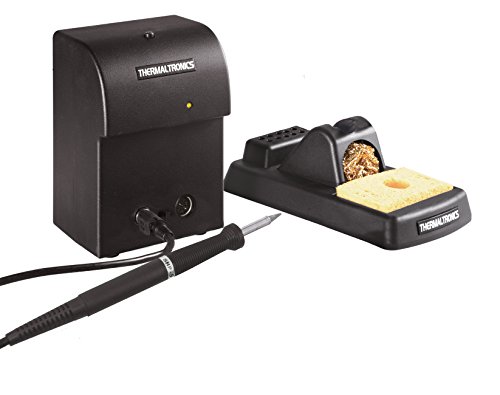
Thermaltronics TMT-2000S-SM Soldering System w/SHP-SM 100-240VAC interchangeable for Metcal MFR-1160
Curie Heat Technology operating at 470KHz.
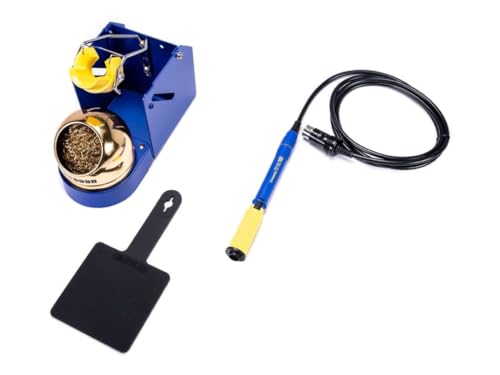
FM-2027 soldering iron
Step-by-Step Patching Process
When we encounter a puncture in our sleeping pad, having a structured approach to patching it can save both time and frustration. Follow these steps:
- Locate the Leak: Inflate the pad, listen for hissing, or check for bubbles in water.
- Clean the Area: Wipe around the puncture and use isopropyl alcohol to clean beyond the puncture zone.
- Cut the Patch: Use a patch type that’s 1.5 to 2 inches larger than the puncture, cut in a smooth shape.
- Apply Adhesive: Use flexible adhesive around the puncture first; then, center the patch and press firmly.
- Test the Repair: After curing, reinflate and check for bubbles in water to verify the repair’s success.
Following these application techniques will help guarantee a durable fix. For patches made from ripstop nylon or polyester, ensure the material is compatible with your sleeping pad’s fabric to create a strong, lasting bond.
Maintenance Tips for Sleeping Pads
To keep our sleeping pads in great shape, regular maintenance is essential. Here are some key tips:
Cleaning Methods:
- Use a damp cloth and mild soap to clean our pads regularly.
- Avoid machine washing or drying, as it can damage materials.
Valve Maintenance:
- Keep the valves open when not in use, ensuring airflow and preventing moisture buildup.
- Clean valves thoroughly and let them dry before storing.
Storage Tips:
- Store pads in a dry, temperature-controlled environment, ideally in a closet or out of direct sunlight.
- Avoid sharp objects and pets near our pads to reduce the risk of punctures.
- Similar to sleeping bags, proper cleaning and maintenance with suitable temperature handling can significantly extend the life of your outdoor gear.
Importance of Regular Inspections
Regular inspections of our sleeping pads are essential, as they can prevent minor issues from escalating into major problems down the line. By implementing proper inspection techniques and sticking to a regular inspection frequency, we can identify potential damage early.
- Look for small punctures or leaks, as they can lead to discomfort.
- Check seams, valves, and surfaces for wear and tear.
- Clean your pad to avoid mold and maintain hygiene.
Frequent inspections not only extend the product’s lifespan but also guarantee a comfortable night’s sleep. Trust us; discovering a leak on a cold night is far from ideal. Let’s commit to routine checks, ensuring our sleeping pads remain reliable and ready for our next adventure. Many quality sleeping pads come with repair patch kits that can quickly address small punctures discovered during inspections.
Ground Protection Techniques
Ground protection techniques play an essential role in preserving the integrity of our sleeping pads. Here are some effective methods we can use:
- Ground Cloths Options: Using a ground cloth or tarp prevents punctures from sharp objects. Lightweight materials like Polycro, Tyvek, and DCF offer great balance in durability and packability.
- Foam Underlays Benefits: A thin foam pad beneath our air pad adds puncture resistance and insulation. It can be tailored to size, offering additional warmth and protection from moisture.
Sites should also be cleared of debris, like sticks and stones, to reduce risks. When we combine these techniques, we create a safer sleeping environment that enhances our outdoor experience greatly.
Recommended Products

FINISHED SIZE: PROTARP sizing for the tarps are finished size which means when you choose your size you get the full size tarps and it’s not short a few inches from both sides like other companies.

TOUGHEST 6 INCH STAPLES ON THE INTERNET: This 8 gauge steel staple breaks through the hardest and rockiest soil. It's 40% THICKER than standard 11 gauge staples on Amazon! Unlike our competitor’s thinner 11 gauge staples that bend in hard soils, these landscape staples will pierce through the hard soil and get the job done - saving you valuable time & frustration. Great for desert environments such as Southern California that have very rocky soil!

【90% Shading Rate】PIPRE sun shade cloth can block out 90% of rays and most sunlight while air can still flow through so as to create a comfortable cool and shaded place for people or plants. Protects plants from direct sunlight and no need to remove shade cover netting when watering. With the help of this cloth, your plants can live a longer and stronger life.
Storing Your Sleeping Pad Properly
When it comes to storing our sleeping pads properly, a few key practices can greatly extend their lifespan and maintain their performance. Here’s how we can do it effectively:
- Choose a Suitable Storage Environment: Keep pads in a cool, dry place—avoid basements, garages, or areas with extreme temperatures.
- Follow Correct Folding Practices: For self-inflating pads, store them semi-inflated with the valve open. For inflatable pads, avoid consistent folding along the same creases to prevent damage.
- Ensure They’re Dry: Always air out pads and let them dry completely before storing. This helps prevent mold and mildew.
- Use Appropriate Accessories: Consider breathable sacks, and avoid tight compression during long-term storage to maintain the pad’s structure.
- Protect Durable Materials: Pads constructed with materials like aviation-grade TPU lamination and reinforced seams are built to withstand rugged conditions, but proper storage still helps preserve these features over time.
Frequently Asked Questions
Can I Use Duct Tape for Temporary Pad Repairs?
Yes, we can use duct tape for temporary repairs. Its effectiveness as a quick fix is undeniable, but we shouldn’t rely on it long-term as it doesn’t provide a truly airtight seal for our sleeping pads.
How Do I Choose a Suitable Sleeping Pad for My Needs?
When we choose a suitable sleeping pad, we consider pad thickness and insulation type. A thicker pad offers more comfort, while selecting the right insulation guarantees we stay warm during our adventures. Let’s find our perfect match!
What Materials Are Sleeping Pads Typically Made From?
Ever wonder what keeps our nights comfortable? Sleeping pads typically use durable nylon fabrics, with inflatable options offering snug comfort. These materials combine lightweight efficiency with rugged resilience, ensuring we’re well-rested for our adventures.
How Often Should I Replace My Sleeping Pad?
We should consider replacing our sleeping pads every 3-5 years for ideal sleeping pad longevity, especially if we notice replacement indicators like leaks, tears, or decreased comfort during our camping adventures or outdoor activities.
Can I Wash My Sleeping Pad? if So, How?
Just like a garden needs care, our sleeping pads thrive with the right cleaning techniques. Yes, we can wash them! Using gentle maintenance tips, we’ll keep them fresh and extend their life together.


