As an Amazon Associate, we earn from qualifying purchases. Some links on this site are affiliate links at no extra cost to you. Our recommendations are based on thorough research and editorial judgment.


Understanding Ice Retention Science in Different Cooler Types

Understanding ice retention science in different cooler types helps us choose the right one for our needs. Key factors include:
- Insulation Materials: Polyurethane foam offers the best performance, while expanded polystyrene is more budget-friendly.
- Cooler Types: Rotomolded coolers retain ice longer due to their thick walls, unlike injection-molded options.
- Design Features: Thicker insulation and good seals minimize heat entry.
You may be interested


By exploring these areas, we’ll gain insight to make informed decisions for our adventures.
Key Takeaways
- Cooler type significantly affects ice retention, with rotomolded coolers outperforming injection-molded and soft-sided options due to thicker insulation.
- Insulation material and thickness directly impact performance; polyurethane foam provides superior insulation compared to polystyrene and fiberglass.
- Effective packing strategies, including minimizing air pockets and using a 2:1 ice-to-provisions ratio, enhance cooling efficiency and prolong ice life.
- Maintaining seal integrity and limiting lid openings reduce warm air intrusion, crucial for maximizing ice retention duration.
- External factors such as ambient temperature and sunlight exposure can accelerate ice melting, influencing retention across different cooler designs.
Insulation Materials and Their Impact on Performance
When we think about the performance of coolers, the type of insulation material used can greatly influence how well ice is retained. Here are some common materials and their impact:
- Polyurethane Foam: Superior insulation efficiency, R-value of 32 per 4-inch panel, and excellent moisture resistance. It severely limits condensation and mold growth.
- Extruded Polystyrene (XPS): Offers decent insulation efficiency and strong moisture resistance, though not as high-performing as polyurethane.
- Expanded Polystyrene (EPS): Cost-effective but has lower insulation efficiency and can absorb moisture over time if damaged.
- Fiberglass: Durable and corrosion-resistant, but its insulation efficiency is lower than foams.
Ultimately, choosing the right insulation material is essential for maximizing a cooler’s ice retention and long-term performance. Premium rotomolded coolers often feature high-quality polyurethane foam insulation up to 3 inches thick to minimize heat transfer and extend ice retention for several days.
Types of Cooler Construction and Ice Retention

To understand how cooler construction affects ice retention, we need to look at the different types available today. Here’s a breakdown of some cooler constructions:
- Rotomolded Coolers: These feature thick, durable insulated walls that boost ice retention up to 7-8 days, thanks to seamless designs reducing cold-air leaks.
- Injection-Molded Coolers: Lighter but with thinner walls, they provide moderate ice retention, typically lasting shorter than rotomolded models.
- Plastic with Polyurethane Foam: This balance of weight and ice retention offers decent performance, depending on foam quality.
- Soft-Sided and Hybrid Coolers: These prioritize portability, with ice retention lasting only 1-3 days.
Choosing the right construction type really impacts cooler efficiency and overall ice retention, ensuring you keep your items cold longer! The one-piece construction of rotomolded coolers provides superior impact resistance and structural integrity compared to multi-piece designs.
Recommended Products

The Haul is the first-ever YETI cooler on wheels. Perfect for taking the Tundra's legendary toughness and unmatched insulation power the extra mile
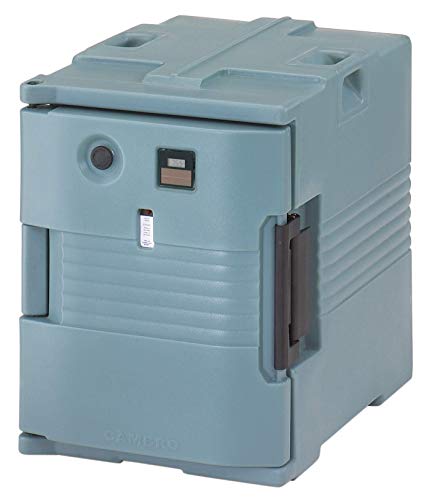
CFC-free insulation ensures safe food temperature for 4+ hours without electricity

Includes a Wet Sounds SHIVR-55 Cooler GatorStep Full Skin Kit - Black Over Gray
Design Features That Enhance Ice Retention

Understanding the design features of coolers can greatly enhance ice retention, as various elements work together to keep the cold in and the heat out. Here are some important aspects:
- Insulation Thickness: Thicker insulation dramatically improves heat retention.
- Seal Integrity: High-quality gaskets guarantee an airtight closure, preventing warm air entry.
- Structural Design: Rounded corners boost strength and maintain insulation seals.
- Air Gaps: Eliminate voids in insulation to avoid heat transfer.
- External Colors: Lighter colors can absorb less solar heat, extending ice life.
- Material Quality: Durable materials resist deformation, keeping seals intact.
- Vacuum Insulation: Vacuum insulation reduces heat transfer more effectively than traditional foam methods, allowing premium coolers to maintain ice for up to five days even in hot conditions.
Recommended Products

Driven by YETI’s dedication to innovation and their commitment to performance, they’ve created a cooler with groundbreaking YETI thermal performance in a stainless steel build

Introducing a 3-sided vacuum model of the classic “Cool Line αIII” series

Perfect for game fishing tyrava, jigging, hard rock and more. Introducing a cooler for salt lures
Real-World Performance of Popular Coolers

How do popular coolers really stack up when it comes to ice retention in real-world conditions? Here’s a closer look based on cooler comparisons:
- Top performers like the Orion Core 65 can keep ice for over 9 days in hot temperatures.
- Medium-sized coolers typically last about 4.6 days, with some hitting 5 days.
- Lightweight options like the RTIC Ultra-Light offer shorter retention compared to sturdier roto-molded models.
- Notable mentions include the YETI Roadie 48, achieving 10-12 days of ice retention thanks to its effective gasket and latch design.
We see that heavier coolers generally outperform their lighter counterparts, with insulation thickness being a critical factor. The Igloo Marine Series demonstrates reliable performance with its THERMECOOL Foam insulation, maintaining ice for up to 5 days while offering a generous 70-quart capacity. These observations help us make informed choices for our next outdoor adventure!
Recommended Products
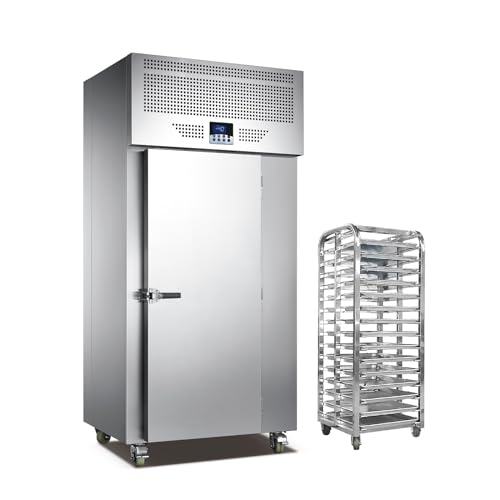
PROFESSIONAL SHOCK FREEZING TECHNOLOGY: Commercial blast chiller rapidly reduces hot food center temperature from +90°C to +3°C (+194°F to +37.4°F) within 90 minutes (chilling mode), and to -18°C (-0.4°F) within 240 minutes (freezing mode). Lowest temperature -40°C (-40°F). 360-degree cooling air convection locks in food quality and nutrition. Includes food probe to monitor center temperature accurately. Perfect for restaurants, hotels, bakeries, and ice cream shops

Designed using the highest quality materials and components to provide the user with colder product temperatures, lower utility costs, exceptional food safety and the best value

Makes 520 lbs of 7/8" x 7/8" x 7/8" dice size ice cubes per day!
External Factors Influencing Ice Retention

When we’re out enjoying nature, our coolers’ performance in keeping ice can vary widely due to several external factors. Here are some key points to ponder:
- Ambient Temperature: Higher temperatures accelerate ice melting.
- Sunlight Exposure: Direct sunlight increases heat gain, reducing ice retention.
- Wind Conditions: Wind can either cool the exterior or increase heat transfer.
- Humidity Effects: Humidity can influence condensation and insulation performance.
- Cooler Location: Keeping coolers in shaded areas better preserves ice.
- Ground Insulation: Placing coolers on insulating surfaces reduces warming from the ground.
- Opening Frequency: Frequent lid openings introduce warm air, hastening ice melt.
- Leak Prevention: Verify lids and drain plugs are properly sealed to maintain cold air.
Attention to these factors can help maximize ice retention during our adventures. Quality insulation types like TempLock and Ultratherm can significantly enhance a cooler’s ability to maintain cold temperatures for extended periods, with some models achieving ice retention for up to 5 days.
Cost Considerations for Different Cooler Types
Choosing the right cooler isn’t just about picking one that looks nice; it’s also essential to contemplate the costs associated with different types. Here are some key points for our cooler price comparisons:
- Premium Rotomolded Coolers: Higher initial costs but excellent ice retention for multi-day outings.
- Budget Plastic Coolers: Affordable options—great for short trips, but with limited ice life.
- Wheeled Coolers: Mid-to-high price range—balance between mobility and insulation.
- Soft-Sided Coolers: Moderate costs focused on portability, not peak ice retention.
- Electric Coolers: Premium prices reflect advanced technology, eliminating the need for ice.
In our ownership cost analysis, consider both initial purchase and long-term maintenance when selecting the ideal cooler for our outdoor adventures. Brands like Cobalt Coolers offer competitive pricing at 40% less than high-end alternatives while maintaining reliable performance.
Recommended Products

The YETI Tundra 125 is your go-to ice chest, it offers ample space to hold two quartered deer or several limits of redfish, snapper, or trout

8 HOURS OF PLAYTIME - We built the Wet Sounds SHIVR to be the staple of every event. With over 8 hours of playtime on the built-in lithium-ion battery, this party cooler might outlast you and your friends!

The YETI Tundra 65 is just as adept at keeping your catches cold in the field as it is storing the drinks and food for your backyard barbecue, this ice chest is plenty roomy, holding a limit of redfish or your prized brisket
Weight and Portability in Cooler Selection
Weight plays an essential role in our cooler selection process, especially when we’re planning outdoor adventures. When considering cooler weight, we should keep in mind:
- Hard-sided coolers: Heavier due to thick insulation, ideal for longer trips.
- Soft-sided coolers: Lightweight, perfect for day hikes or minimal packing.
- Premium coolers: Heavier because of reinforced design but offer excellent performance.
- Wheeled models: Add weight but enhance portability, especially on rough terrain.
For different needs, we often choose:
- Small coolers for solo outings.
- Medium coolers for small groups.
- Large coolers generally require wheels.
The Coleman Pro Cooler stands out as a lightweight option, being 15% lighter than similar models while maintaining extra-thick insulation for effective cold retention.
In our search for portable options, balance weight with performance to guarantee we have the right cooler for every activity.
Practical Tips for Maximizing Ice Retention
To keep ice lasting longer in our coolers, we can take several practical steps.
- Cooler Preparation: Pre-chill the cooler and contents with ice packs before packing.
- Ice Types: Use a mix of large ice blocks and smaller cubes to optimize cooling.
- Packing Strategies: Fill any air pockets with towels, and maintain a 2:1 ice-to-provisions ratio.
- Lid Management: Keep the lid closed to avoid warm air getting in, and don’t drain melted water until nearly gone.
- Pre-Chilling Techniques: Place the cooler in shade or cooler areas to start at a lower temperature.
- Consider Electric Alternatives: For extended trips, 12 volt compressor coolers can maintain temperatures as low as -8°F without requiring ice at all.
Recommended Products
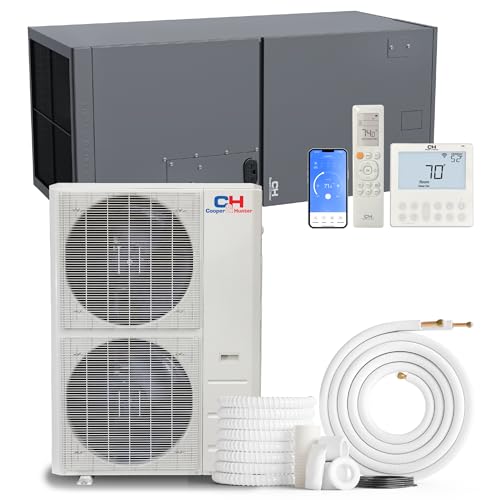
Cooper & Hunter 60,000 BTU (5 Ton), 230V, 16 SEER2, Single Zone Outdoor Condenser with one Multi-Position Air handler Indoor Unit. Smart Kit included to control the system from your smartphone, or you can use the 12V wired wall thermostat.

All-in-One Solution for Multiple Rooms: This product comes with multiple indoor air handlers and individual controllers for each room, along with a single outdoor condenser. Our mini split AC and heating system is usable all year round, featuring air conditioning, a robust heat pump, dehumidifier, fan, and an accelerated turbo function. Every room can have its own temperature control, providing you with ideal climate control
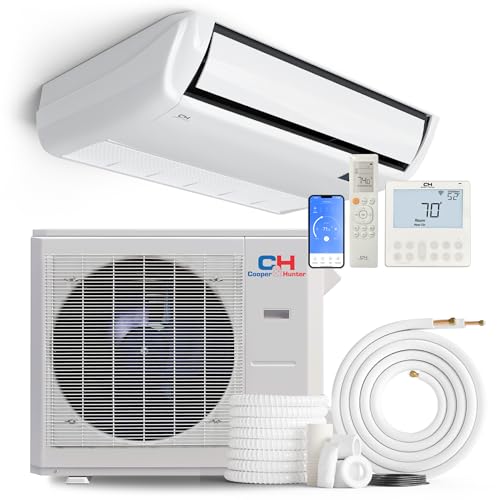
Cooper & Hunter 24,000 BTU (2 Ton) Universal Floor/Ceiling, 21.1 SEER2 Ductless Mini Split AC/Heating system with Smart Kit, Remote Control, Wall Thermostat, and 25FT Installation Kit. This system delivers powerful cooling and heating for large commercial spaces, open-plan areas, and wide residential zones
Long-Term Value of High-Performance Coolers
When we look at the long-term value of high-performance coolers, it’s clear that investing in quality pays off. Here are some key value propositions:
- Durability Analysis: Premium coolers often feature rotomolded construction, ensuring they withstand rigorous use.
- Warranty Coverage: Many brands offer lifetime warranties, considerably lowering long-term replacement costs.
- Ice Retention: With the ability to keep ice for up to a week, we can save on repeated ice purchases.
- Energy Efficiency: Advanced models yield operational savings, cutting energy costs and reducing environmental impact.
- Material Innovation: Similar to outdoor gear advancements, modern coolers increasingly incorporate sustainable materials that deliver performance while reducing environmental footprint.
Frequently Asked Questions
How Does Insulation Thickness Impact Overall Cooling Efficiency?
“You can’t judge a book by its cover.” Insulation thickness directly impacts cooling efficiency; thicker insulation materials enhance cooling mechanisms, minimizing heat transfer and ultimately keeping our coolers colder for longer periods. Let’s optimize our setups!
Are There Eco-Friendly Coolers That Perform Well?
Yes, there are eco-friendly coolers that perform well. We love sustainable designs like Igloo EcoCool, utilizing biodegradable materials and recycled content, proving that we can enjoy great cooling performance while caring for our planet.
Can Cooler Color Affect Ice Retention in Direct Sunlight?
Cooler color can certainly affect ice retention. Cooler materials play a part too, but color psychology shows that lighter shades shine in sunny settings, reducing heat absorption and keeping our ice intact longer.
Do Larger Coolers Hold Ice Longer Than Smaller Ones?
Yes, larger coolers generally hold ice longer due to bulk size and increased thermal mass. We’ve seen that with proper construction, they can retain ice considerably better than smaller models in practical situations.
What Effects Do Different Elevation Placements Have on Performance?
When we elevate our coolers, we notice a remarkable performance boost. Elevation’s impact helps mitigate heat transfer, enhancing ice retention. In performance comparisons, raised coolers consistently outshine those resting directly on hot surfaces.


