As an Amazon Associate, we earn from qualifying purchases. Some links on this site are affiliate links at no extra cost to you. Our recommendations are based on thorough research and editorial judgment.


How to Research Trail Conditions and Prepare Accordingly

To research trail conditions effectively, we should use reliable sources and prepare appropriately. Start by checking official park websites for updates from rangers. Review user-generated insights on apps like AllTrails, but cross-verify them. When evaluating trail conditions, look at trail width and erosion levels. Before heading out, confirm our permissions and notify contacts. Always check weather forecasts and prepare for sudden changes. By staying informed and adaptable, we can enhance our outdoor experiences. There’s more to learn about trail preparation!
Key Takeaways
- Check official park websites for the most accurate and current trail conditions provided by local rangers.
- Utilize user-generated reviews from apps like AllTrails, but verify with multiple sources for reliability.
- Assess trail type and location as conditions may vary significantly; take note of erosion metrics when available.
- Prepare for field assessments by confirming required permissions and assessing potential hazards before entering the trail.
- Monitor weather forecasts closely and pack appropriate gear to adapt to changing conditions during your hike.
Identifying Reliable Sources for Trail Conditions
You may be interested



When we’re planning a hike, identifying reliable sources for trail conditions can markedly enhance our outdoor experience. Here are a few key resources:
- Official Websites: Many parks provide dedicated sections for trail conditions. These updates come from park rangers and guarantee we’re getting accurate, local information. Check under sections like “hiking” or “planning your trip.”
- User Reviews: Apps like AllTrails give us access to user-generated insights. Recent comments can highlight current trail conditions, though it’s essential to evaluate these reports critically. They might vary based on individual experiences, so cross-referencing with official sources is a smart move. Similar to how camping gear reviews provide valuable insights—with some products earning ratings of 4.4 stars from nearly 3,800 reviews—trail condition reports benefit from multiple user perspectives to give us a clearer picture of what to expect.
Recommended Products

Rugged, weather-resistant all-terrain navigator with 10” ultrabright display; includes locking magnet-assisted mount for securing in your rig. (IP67; Dust tight. Withstands ingress of dust with vacuum applied. Withstands incidental exposure to water of up to 1 meter for up to 30 minutes.)

BUNDLE INCLUDES: Garmin tactix 7 AMOLED Premium Tactical GPS Smartwatch, Signature Series Garmin Watch Charger Stand, and Signature Series Power Bundle

Multisport GPS smartwatch with built-in inReach technology for two-way satellite and LTE connectivity (active subscription required; coverage limitations may apply; some jurisdictions regulate or prohibit the use of satellite communication devices)
Assessing Trail Condition Reports

How do we truly assess trail conditions effectively? We can utilize various trail condition metrics and assessment methodologies to evaluate the trails we enjoy. Here’s how we can break it down:
- Trail Type and Location: Conditions vary dramatically based on the terrain and user activity.
- Quantitative Measures: Trail width and depth inform us about erosion levels.
- Rapid Surveys: These quick assessments at multiple locations provide valuable insights.
- Census-Based Techniques: Though thorough, these can be time-consuming and costly.
- Using Technology: Apps like RIMS help us monitor and report conditions efficiently.
- Weight Considerations: When planning overnight trail expeditions, selecting ultralight camping gear that weighs under 5 lbs can significantly impact your mobility and endurance on challenging terrain.
Recommended Products

Revolutionary Fabric Technology - Experience superior HyperBead technology across our ultralight tent line. This proprietary waterproof tent fabric outperforms traditional materials without added chemicals. The breathable combination of solution-dyed nylon ripstop and polyester mesh is engineered for lasting performance whether you choose a 2 person tent or larger family camping tent

Technical Specs: IFlex 10D DWR Nylon Fabrics | 850 Fill Goose Down | IFlex 10D Soft Touch Nylon Fabrics | Anti-Snag Zipper Tracks | Partition Down Baffle Construction

External pole structure allows for completely external setup, saving valuable time in extreme conditions.
Preparing for Field Assessments

Preparing for field assessments requires a strategic approach that builds on the insights gathered from trail condition reports. Here’s how we can prepare effectively:
- Confirm necessary licenses and permissions before entering areas.
- Identify potential hazards like weather conditions, terrain difficulties, and wildlife encounters.
- Notify emergency contacts about our location and expected duration.
- Ensure team readiness by checking medical clearances and vaccinations.
For fieldwork logistics, let’s develop:
- Clear objectives for the data we need.
- A suitable team composition based on expertise.
- Logistical requirements for equipment and transport.
We’ll use detailed checklists to track observations and document conditions, ensuring we’re all on the same page while adhering to our safety protocols. When selecting gear for overnight assessments, consider lightweight options like the Tensor Trail Ultralight pad that packs down to compact dimensions for easy transport during long treks. Let’s stay prepared!
Recommended Products

Professional grade 15-degree Fahrenheit (-9-degree Celsius) ultralight down sleeping bag for for 3-season backpacking, bike packing, and touring; contoured mummy shape features hood and zipper draft tubes

15-degree Fahrenheit (-9-degree Celsius) ultralight down sleeping bag for 2-season backpacking, bike packing, and touring

Built for adventurers who don't want to compromise comfort with livability, the Hubba Hubba LT delivers essential features in a lightweight package
Understanding Causes and Solutions of Trail Issues

Trail issues can arise from various factors, impacting both the user experience and the environment. Understanding these factors helps us address them effectively:
- Water Movement: Rainfall and melting snow create erosion, especially where trails lack proper drainage.
- Steep Grades: Trails with slopes over 10% see increased soil loss — ideal grades help prevent this.
- Vegetation Encroachment: Overgrowth can destabilize edges, making regular clearing a maintenance necessity.
- Heavy Use: High traffic levels compact soil, widening trails and accelerating erosion.
To combat trail erosion, we recommend implementing effective maintenance strategies such as:
- Using proper drainage features, like waterbars.
- Applying suitable surface materials, including gravel.
- Regularly evaluating and maintaining existing trails before adding new routes.
When planning multi-day hiking trips, consider that lightweight hard coolers can maintain ice retention for 1 to 3 days, making them practical for keeping food fresh on extended trail adventures.
Together, we can improve and preserve our trails for everyone!
Prioritizing and Reporting Trail Findings

After addressing the various causes of trail issues, it’s important to focus on how we can prioritize and report our findings effectively. Here’s how we do it:
- Prioritize Safety: First, tackle trail maintenance projects that present the highest risk.
- Assessment Tools: Use apps or sheets to log severity and location of issues for easy prioritization.
- Long-term Impacts: Focus on areas likely to degrade quickly or cause lasting damage, like erosion.
- User Feedback: Encourage reports from trail users for real-time insights.
- Detailed Documentation: Record precise GPS coordinates and descriptions to clarify issues.
- Portable Workspace: Consider bringing a compact camping table to create a stable workspace for mapping trail conditions and documenting findings in the field.
Planning for Trail Conditions and Adaptations
When planning our hikes, we must be ready to adapt to varying weather conditions and trail types. The weather variability impact can noticeably affect our experience and safety. To prepare, we should:
- Check forecasts using reliable sources like weather.gov.
- Pack layers and rain gear for sudden changes.
- Understand evacuation routes for potential storms.
In terms of trail adaptability strategies, let’s consider:
- Trail difficulty: Choose trails that match our fitness level.
- Surface conditions: Assess trails for rugged versus smooth terrain.
- Route adjustments: Be willing to modify our plans for severe weather.
For extended trips or family camping adventures, ensure your shelter provides adequate weather protection with features like waterproof coatings and sealed seams to handle unexpected rain or wind conditions on the trail.
Recommended Products
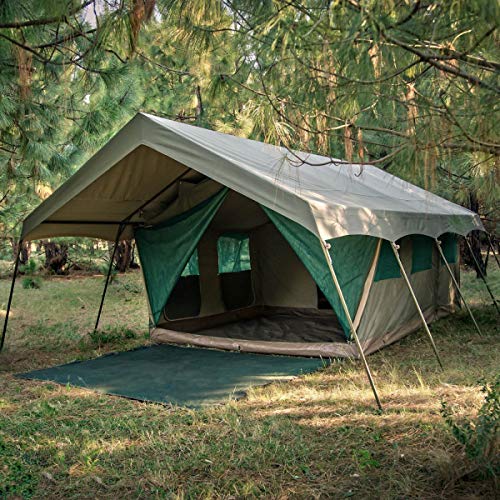
High quality fabric: Extremely durable military-grade 650 gsm canvas, ripstop, waterproof but breathable preventing condensation and mugginess, CPAI 84 fire retardant (meets all international and USA standards), rot resistant and UV resistant. Built to last with no color fading for 20 years.

Modified Item:No, Non-Domestic Product:No

Material: Flysheet: Polyester 210d (water pressure resistance: 70.9 inches (1,800 mm), Inner tent: TC
Frequently Asked Questions
How Often Are Trail Conditions Updated on Official Sources?
Like leaves in the wind, trail condition updates flutter in frequency. Official sources often refresh reports seasonally or as needed, relying on trail maintenance frequency and condition reporting sources, ensuring we’re well-informed for our adventures.
Can I Trust User-Submitted Reports on Trail Platforms?
We can generally trust user-submitted reports on trail platforms, but we should remain cautious. User reviews vary in report accuracy due to personal experiences and motivations, so cross-referencing multiple sources is always wise.
What Should I Do in Case of an Emergency on the Trail?
In an emergency on the trail, we should assess the situation, use our emergency contacts if needed, and rely on our first aid kit. Staying calm together is vital for effective decision-making and safety.
Are There Apps That Provide Real-Time Weather Updates for Trail Areas?
Yes, there’re several apps for weather tracking that enhance our trail navigation. Apps like Windy or MyRadar provide real-time updates, helping us stay informed on changing conditions while exploring the great outdoors.
How Do I Find Volunteer Opportunities for Trail Maintenance?
We can find volunteer opportunities for trail maintenance through local organizations and online platforms. Let’s check regional park websites and federal volunteer portals for current projects and ways to get involved in our community.