As an Amazon Associate, we earn from qualifying purchases. Some links on this site are affiliate links at no extra cost to you. Our recommendations are based on thorough research and editorial judgment.


Understanding Sleeping Pad Materials and Durability

When it comes to understanding sleeping pad materials and durability, let’s break it down:
- Types: We’ve got foam, self-inflating, air, and hybrid options.
- Durability: Foam is tough; air pads risk leaks.
- Insulation: Check the R-value for heat retention—higher means warmer.
- Weight: Ultralight options are easy to pack but can be pricier.
You may be interested



Knowing these factors helps us choose the right pad. Stick with us to uncover more insights on materials and performance.
Key Takeaways
- Different types of sleeping pads include self-inflating, closed-cell foam, air, hybrid, and those made from recycled materials.
- Durability varies by material; foam pads are highly durable, while inflatable pads are more prone to leaks.
- R-Value measures insulation effectiveness; higher values indicate better warmth retention for different weather conditions.
- Weight and packability are crucial; lightweight pads are more portable, whereas foam pads are robust but bulkier.
- Comfort is enhanced by thickness and design, with adequate padding crucial for side sleepers and varied sleeping positions.
Types of Sleeping Pad Materials
When it comes to choosing a sleeping pad, understanding the various materials involved can greatly enhance our camping experience. Each type of pad offers unique features:
- Self-Inflating Pads: These use open-cell foam for insulation, providing self inflating benefits that save time and effort during setup.
- Closed-Cell Foam Pads: Made from dense foam, they deliver consistent insulation and are durable for various conditions.
- Air Pads: Relying solely on air, they are lightweight and portable, showcasing air pad advantages, especially for backpackers.
- Hybrid Pads: Combining foam and air, they strike a balance between comfort and insulation.
Many manufacturers are now incorporating recycled polyester materials into their sleeping pads, enhancing environmental sustainability while maintaining durability and performance.
Recommended Products
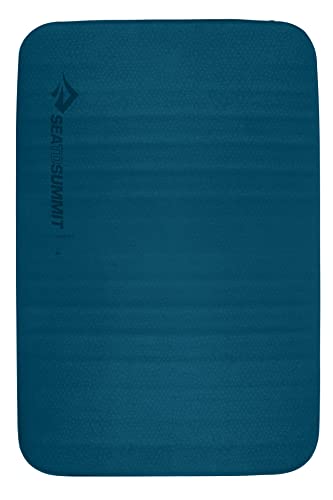
4-season luxury foam double sleeping pad is 4 inches thick, with vertical sidewalls, for maximum warmth and comfort for two people while camping, traveling, or at home

Ultimate Plush Design: The thickest self-inflating air mattress in the lineup, featuring 6 inches of open-cell foam - 50% thicker than standard camping mattress pads - creating an exceptionally soft car camping and tent sleeping surface ideal for couples

Ultimate Comfort: The Captain Comfort Deluxe pads are plush self-inflating foam-core pads designed for maximum warmth and comfort. The stretch top provides a pillow-soft sleeping surface that is comfy and quiet, allowing for a good night’s sleep.
Durability Considerations by Material

Understanding the durability of different sleeping pad materials is essential for guaranteeing a comfortable camping experience. Here’s a breakdown:
- Foam Pads: Known for foam durability, closed-cell options are highly durable. They resist punctures and are nearly indestructible unless cut. However, they can compress with heavy use.
- Self-Inflating Pads: These balance comfort and durability. Their foam cores resist compression better than air-only options, although they’re not as robust as foam pads.
- Inflatable Pads: These exhibit notable inflatable vulnerabilities, especially at seams and valves. Despite technological advancements, they remain the least durable, prone to leaks and punctures. Modern inflatable pads use materials like ripstop nylon or 20D to 40D nylon fabrics to improve tear resistance and overall longevity.
Choosing the right material based on these factors can enhance your camping comfort and guarantee your pad holds up against rugged terrain.
Recommended Products

Patented Raised Roof & 15‑Second Setup: No complex pole assembly for daily use—just pull the ladder to open or close the tent (Poles are included only for the rainfly in high winds). The patented elevated hard shell gives you extra headroom and a spacious interior—sit up and move around comfortably
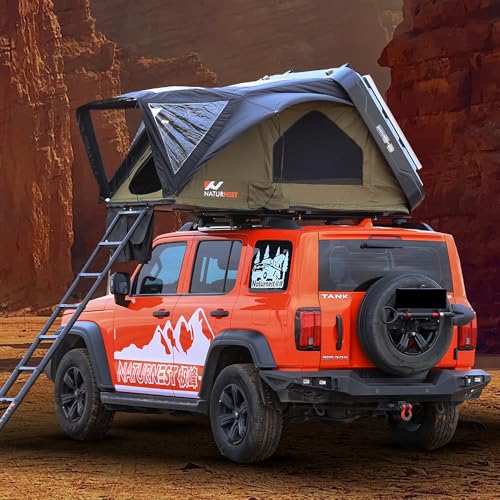
All-Weather Fortress for 4-Season Adventures: Built for any climate. The lightweight, aerodynamic, high-strength ABS hard shell, combined with an aluminum frame and sound & thermal insulating honeycomb panels and premium weather-proof fabric, shields you from wind, rain, and extreme temperatures. Connect a heater or cooler to the dedicated vent for perfect climate control inside
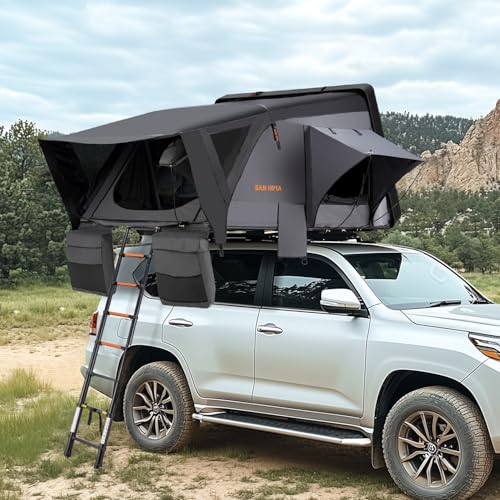
Lightweight, Tough, Ready: Made from ABS anti-aging polymer, this shell is just 11.22 in high, reducing wind drag for smoother travels. It features 420D double ripstop Oxford fabric, double-stitched seams, and 280G poly-cotton for a 5,000mm waterproof rating and UV 50+ protection, and a canopy for extra protection against heavy rain. Flip the latches, lift the lid, and use the 90.55 in ladder to lower the floor, and you’re ready!
Insulation and Warmth (R-Value)

Insulation in sleeping pads is essential for keeping us warm during our camping adventures. The R-value measures a pad’s resistance to heat flow and reflects its insulation performance against cold ground. Here’s what we should know:
- R-Value Significance:
- Higher R-values mean better insulation, reducing heat loss.
- R-values help us select pads suited for specific temperatures.
- R-Value Ranges:
- Below 2.0: Warm weather.
- 2.0 to 4.0: Three-season use.
- 4.0 to 5.4: Cold weather.
- Above 5.5: Extreme cold.
Using the R-value can guide our choices, but we must also consider other factors, like our sleep system and clothing. Understanding the R-value helps us enjoy restful sleep, even in chilly conditions. For example, the MondoKing 3D features an R-value of 7.0, making it an excellent choice for all-season camping and extreme cold conditions.
Weight and Packability

Choosing the right sleeping pad can greatly influence our camping experience, especially concerning weight and packability. Here’s what we should consider:
- Weight Efficiency: Ultralight options can weigh as little as 8.5 oz, making them ideal for long hikes.
- Pack Size: Mummy or tapered shapes pack smaller than rectangular ones, saving valuable backpack space.
- Material Matters: Air pads offer lightweight benefits but vary in insulation. Foam pads are durable but could compromise packability.
- Compact Design: Look for pads that come with compression sacks or quick-deflation valves, which make packing easier.
While lighter pads often cost more, they improve our hiking experience. Common materials include 20D Nylon and 50D stretch knit, which are known for their tear-resistance and ability to withstand demanding outdoor conditions. Weighing our options carefully can help us find the perfect balance between weight, durability, and comfort on our outdoor adventures.
Recommended Products

Professional grade 15-degree Fahrenheit (-9-degree Celsius) ultralight down sleeping bag for for 3-season backpacking, bike packing, and touring; contoured mummy shape features hood and zipper draft tubes

15-degree Fahrenheit (-9-degree Celsius) ultralight down sleeping bag for 2-season backpacking, bike packing, and touring

Women's 15-degree Fahrenheit (-9-degree Celsius) ultralight down sleeping bag for 3-season backpacking, bike packing, and touring; broad mummy shape features hood and zipper draft tubes
Comfort and Thickness

When we think about comfort during our camping nights, thickness plays an essential role. A thicker sleeping pad generally provides better cushioning, especially for side sleepers who need extra padding for their hips and shoulders. Here’s a quick look at ideal thicknesses for various needs:
- 3.5 to 4.6 inches: Great balance between softness and body support for varied sleeping positions.
- 2.5 to 3 inches: Air-filled pads with thinner baffles may feel firmer but can still offer comfort.
- Under 1 inch: Lightweight options that sacrifice comfort for weight.
Wider pads (around 21.5 inches) reduce the chance of body parts hanging off the edge, ensuring better support and sleep quality. Features like V-chamber designs can further enhance comfort by distributing pressure more evenly across the sleeping surface. With a bit of consideration, we can enhance our sleeping experience while camping.
Recommended Products

Lifelong Warranty: Enjoy peace of mind with our enduring guarantee

FITS THE WHOLE FAMILY: The Dually, our two-person camping mattress, was designed for flat and dry sleeping spaces found in campers, rooftop tents, and vans. It sleeps two comfortably with room for an adventure dog to join! The comfort of your home in a portable, durable, camping trip-ready form.

TRUE FLAT: Designed with a wedge-shaped foam core that fills the step gap between folded seats, creating a truly flat 0° car mattress for Minivan in your Toyota Sienna. No more uneven or sloped rest.
Material Innovations
As we explore ways to enhance our camping experiences, the materials used in sleeping pads become increasingly important. Innovations like stretch-knit polyester are game-changers.
Stretch-Knit Advantages:
- Conforms closely to body shape, enhancing comfort.
- Reduces the risk of rolling off the pad.
- Soft and quiet, ideal for light sleepers.
TPU Benefits:
- Offers excellent puncture resistance and weatherproofing.
- Layered TPU laminates improve durability and moisture barriers.
- Better longevity and packability compared to PVC.
These advancements elevate the sleeping pad experience, balancing comfort and practicality. Unique options like Therm-a-Rest’s stretch-knit tops and dual-layer TPU pads address specific needs, proving material innovations are reshaping our outdoor gear. Big Agnes also utilizes GRS certified fabric made from post-consumer recycled nylon ripstop, combining environmental responsibility with rugged performance. By choosing the right sleeping pad, we guarantee a restful night under the stars.
Maintenance Needs
Maintaining our sleeping pads is essential to guarantee they perform well and last longer, so let’s explore some key practices.
Cleaning Techniques:
- Use mild detergent and a wet paper towel, cleaning fully inflated pads, then rinse and air-dry before storing.
- Avoid machine washing or tumble drying to prevent damage.
- For camp pads with removable covers, wash shells on a gentle cold-water cycle.
Repair Procedures:
- Clean and dry punctured areas before patching for better adhesion.
- Carry repair kits for field fixes; allow patches to cure for appropriate times.
- To find small leaks, submerge the pad in soapy water; look for bubbles.
Storage Best Practices:
- Store sleeping pads in a cool, dry place away from direct sunlight to prevent material degradation.
- Regular inspection for visible damage helps identify wear early and maintain peak performance.
Selecting the Right Sleeping Pad for Your Needs
Choosing the right sleeping pad can feel overwhelming, can’t it? To make practical buying decisions, let’s consider some key factors:
- Trip Type:
- Car Camping: Self-inflating or thick air pads for comfort.
- Backpacking: Lightweight air pads for easy packing and insulation.
- Material & Comfort:
- Air Pads: Great comfort but can puncture easily.
- Self-Inflating Pads: Balance comfort and durability.
- Weight & Packability:
- Ultralight Pads: Excellent for minimalist needs but pricier.
- Closed-Cell Foam Pads: Durable and cheap but bulkier.
- Warmth (R-Value):
- Higher R-value is a must for winter camping.
- Durability:
- Materials like 50D nylon or polyester with TPU coatings provide excellent waterproofing and long-lasting performance in outdoor conditions.
Recommended Products

Extra-thick 4-inch, lightweight air mattress provides a plush sleeping experience for 3-season (3.2 R-Value) backpacking, camping, and bike touring

4-season luxury foam sleeping pad is 4 inches thick, with vertical sidewalls, for maximum warmth and comfort for camping, home, and travel

Extra-thick and extra-warm 4-inch air mattress provides a plush, insulated sleeping experience for winter (6.2 R-Value) camping and backpacking
Frequently Asked Questions
How Do Sleeping Pads Perform in Wet Conditions?
Sleeping pads perform differently in wet conditions; we prefer those with water resistance for better moisture management. Closed-cell foam pads excel, while inflatable ones need careful handling to avoid punctures and guarantee proper durability.
Can I Use a Sleeping Pad for Camping and Indoor Sleeping?
Yes, we can definitely use a sleeping pad for both camping and indoor sleeping! They offer great comfort levels and portability features, making them versatile for various environments, whether it’s a tent or our living room.
What Factors Affect the Lifespan of a Sleeping Pad?
Like a fine wine, a sleeping pad’s lifespan depends on proper care. Factors like mold resistance and temperature fluctuations play vital roles. We must also consider usage, material quality, and environmental conditions to guarantee longevity.
How Do I Choose the Right Pad for Different Seasons?
To choose the right pad for different seasons, we should consider seasonal considerations and temperature ratings. We need pads with lower R-values for summer and higher R-values for winter to guarantee comfort and insulation.
Are There Eco-Friendly Sleeping Pad Options Available?
As we explore eco-friendly sleeping pad options, we’ll discover sustainable materials like organic cotton and wool that offer biodegradable options. They provide comfort while caring for our planet, promoting responsible resting solutions.


