As an Amazon Associate, we earn from qualifying purchases. Some links on this site are affiliate links at no extra cost to you. Our recommendations are based on thorough research and editorial judgment.


How to Calculate Fuel Needs for Different Trip Lengths

To calculate our fuel needs for different trip lengths, we first need to know our vehicle’s fuel consumption. Here’s how we can break it down:
- Fuel Consumption Formula: (Litres Used × 100) / Kilometers Traveled.
- Factors to Evaluate: Type of fuel, driving style, load weight, and road conditions affect our efficiency.
- Planning: Estimate distances for multi-stop trips for better budgeting.
You may be interested


By understanding these aspects, we can effectively plan our trips and manage fuel costs. More insights await!
Key Takeaways
- Determine fuel consumption using the formula: (Litres Used × 100) / Kilometers Traveled to estimate fuel needs per trip length.
- Calculate the total distance of the trip, including multi-stop segments for accurate fuel estimation.
- Factor in your vehicle’s fuel efficiency rating and adjust for weight, driving style, and road conditions that may affect consumption.
- Use current fuel prices to estimate total fuel costs based on trip distance and vehicle efficiency.
- Utilize fuel cost calculators or apps to analyze different trip lengths and optimize route for better fuel efficiency.
Understanding Fuel Consumption Formula
When we think about planning a trip, understanding fuel consumption becomes essential to guarantee we don’t run out of gas along the way.
To calculate fuel consumption, we use a formula:
– Fuel Consumption (L/100 km) = (Litres Used × 100) / Kilometers Traveled****
This method requires accurate measurements of odometer readings and fuel used.
For example, if our vehicle uses 60 litres to travel 450 km, we can calculate:
– \((60 / 450) × 100 = 13.3 L/100 km\)
Factors like driving style, vehicle load, and road conditions impact these figures. By mastering these fuel consumption methods, we can better anticipate our fuel needs, making our journey smoother and more efficient. Just as outdoor enthusiasts need to consider weight capacity limitations when selecting camping equipment for their vehicles, we must account for how our vehicle’s load affects fuel efficiency during travel. Let’s keep these calculations in mind for our next adventure!
Fuel Efficiency Metrics

Understanding fuel efficiency metrics is essential for anyone planning a trip, as these figures help us gauge how far our vehicles can go on a tank of gas. Here are some common metrics we should consider:
- Liters per 100 kilometers (L/100 km): Widely used in Europe and Canada.
- Miles per gallon (mpg): The norm in the US and UK.
- Kilometers per liter (km/L): Often found in Asia and Latin America.
- Miles per gallon gasoline equivalent (MPGe): Used for electric vehicles.
- Freight ton efficiency: Pertains to commercial vehicles calculating payload.
When planning extended trips, it’s also worth considering energy efficiency ratings for portable electric coolers, as they can impact your vehicle’s overall power consumption and fuel usage during long journeys.
Assessing Distance for Trip Planning

Planning a trip requires careful calculation of distance, especially if we want to avoid surprises on the road. Here are some key points to evaluate:
- Distance Metrics: We can use Euclidean distance for simple scenarios, but it overlooks road networks. For long distances, the Haversine formula accounts for Earth’s curvature.
- Location Accuracy: Relying on zip code centroids for origins and destinations? Accuracy varies based on area size.
- Optimization Tools: API-based route planners provide real-world routing by taking into account traffic and road conditions.
- Trip Aggregation: For multi-stop trips, calculating total distance means summing segment distances, facilitating effective fuel estimations.
Incorporating these elements guarantees we’re well-prepared for our travel adventures and minimizes unexpected challenges along the way. Consider the weight of your gear when planning, as lightweight hiking backpacks under 2 pounds can improve fuel efficiency by reducing overall vehicle load during outdoor expeditions.
Identifying Fuel Type Variations

Once we’ve mapped out our trip and assessed the distance, it’s time to take into account fuel type variations. Different fuels can impact our vehicle’s performance and efficiency, so let’s break it down:
- Regular unleaded gasoline (87 octane) is common for most cars.
- Mid-grade gasoline (89 octane) suits some vehicles needing a little more.
- Premium gasoline (91–93 octane) is essential for high-performance engines.
- Diesel fuel offers excellent fuel efficiency, mainly for trucks.
- Flex fuel (E85) can only be used in compatible vehicles.
We must consider fuel type differences to avoid fuel compatibility issues. Using the wrong fuel, especially in high-compression engines or diesel vehicles, can lead to serious damage and hefty repair costs. Just as different vehicles require specific fuel types, camping gear like sleeping bags should match the conditions you’ll face, with temperature ratings indicating the lowest temperature at which a bag will keep you comfortable throughout the night.
Recommended Products

🔥【2026 Autel MS906MAX, Up of MS906 PRO】2026 All-in-one Autel flagship scanner MS906 MAX is the latest product from Autel Technology company. MS906MAX is a huge upgrade from MS906Pro. Compared to MS906PRO, MS906MAX features a larger screen, a more powerful processing chip, an updated Android system, Longer battery life, Extensive Vehicle Coverage (for 150+ brands from 1996-2025-2026), a better - navigation interface, and file - sharing support.
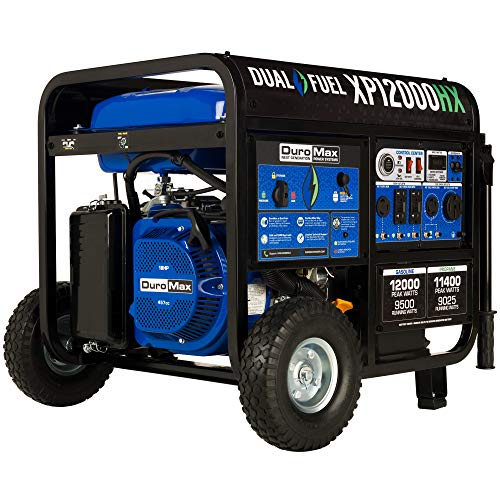
With 12,000 watts of power, the XP12000HX Dual Fuel generator will keep your whole home running during a storm or power outage, while protecting your family from harmful fumes with CO Alert

High Compatibility: This 78 x 48 in / 1980 x 1220 mm sliding truck bed tray supports up to 1000 lbs/453.6 kg, easily holding your tanks, cargo, compressors, and other professional tools, along with camping and travel gear, without any deformation.
Analyzing Cost Implications

As we explore cost implications, it’s essential to recognize how fuel prices directly affect our travel expenses. Understanding fuel pricing is key in transportation economics. Here are some key points to take into account:
- Operational Costs: Higher fuel prices increase expenses for trucking and transport, impacting overall profitability.
- Consumer Behavior: Rising costs may shift our transportation choices, leading us to alternative fuels or less frequent trips.
- Trip Length Relationships: Longer trips inherently require more fuel, which raises costs in direct proportion to distance traveled.
- Market Trends: Fluctuations in fuel prices can change our travel plans, making it important to keep an eye on price trends.
For camping trips specifically, choosing between propane and butane canisters can significantly impact your fuel budget, as isobutane/propane blends offer consistent performance across varying temperatures while larger propane tanks typically provide more cost-effective solutions for extended outings.
Determining Vehicle Fuel Efficiency
Determining vehicle fuel efficiency is essential for anyone looking to optimize their travel costs. Fuel economy tells us how far we can go with a certain amount of fuel, usually measured in miles per gallon (mpg) or kilometers per liter (km/L). Here are some key points to help us understand it better:
- Calculate Efficiency: We can figure fuel efficiency by dividing distance traveled by fuel consumed.
- Factors: Driving habits, maintenance, and environmental conditions matter.
- Standards: Different regions, like the US and Europe, have varying efficiency standards, making comparisons challenging.
Staying informed about our vehicle’s fuel efficiency can lead to better choices, ultimately saving us money and reducing our environmental impact. Just as proper weight distribution in backpacking improves hiking performance and reduces strain, optimizing fuel efficiency helps minimize travel costs and environmental footprint.
Calculating Fuel Needs for Cars
Calculating fuel needs for cars can seem intimidating, but we can break it down into manageable steps. First, let’s track fuel consumption accurately:
- Divide the fuel used by the distance traveled, then multiply by 100 for liters per 100 km.
- To convert efficiency (km/l), we can use the formula: Fuel Consumption = 1 ÷ Efficiency.
Next, we’ll estimate fuel costs with this formula:
– Fuel Cost = (Trip Distance ÷ Fuel Efficiency) × Fuel Price.
Make sure to factor in current fuel prices, which can fluctuate.
Using fuel stickers and digital calculators can help streamline fuel tracking, ensuring we have precise and up-to-date information. Just as backpackers consider warmth-to-weight ratio when selecting gear, drivers should balance fuel efficiency with vehicle capability for their specific journey. With these strategies, we’ll efficiently estimate our car’s fuel needs for any trip!
Recommended Products

SPEAKS YOUR LANGUAGE with keys clearly labeled in residential mortgage finance terms like Loan Amt, Int, Term, Pmt; this industry-standard calculator is super easy to use on all realty financing matters from finding a loan that works for your client to considering trust deeds investments, or finding remaining balances or balloon payments and more

【OBD2+GPS System 2 in 1】This car heads up display has OBD2 mode & GPS gauge dual system, which can display car data intuitively on the product screen. You don't need to look down to view your car data during driving, keeps you safe on the go.

PRINTING CALCULATOR LOGIC - This is a printing calculator and DOES NOT function like a standard desktop calculator
Estimating Fuel Needs for Trucks
Estimating fuel needs for trucks is a bit different from cars, given the unique nature of truck operations. Here’s how we can approach this:
- Fuel Efficiency: Trucks typically use 30-40 liters of diesel per 62 miles. This varies based on size and load.
- Calculation: We can calculate fuel consumption using this formula: (Liters Used X 100) ÷ Kilometers Traveled.
- Factors to Watch:
- Size: Larger trucks consume more fuel.
- Payload: Heavier loads increase fuel needs.
- Terrain: Hilly routes may require more fuel due to resistance.
- Importance of Maintenance: Regular checks improve engine performance and the overall fuel system, helping us save costs over time.
While truck fuel planning differs from outdoor activities, backpackers face similar calculations when determining camping fuel requirements, where trip duration and cooking requirements help establish how many isobutane canisters to pack for an expedition.
Recommended Products

2” filling plug equipped with three-effects (pressure/de-pressure/overturning) air vent device for both Diesel and DEF section
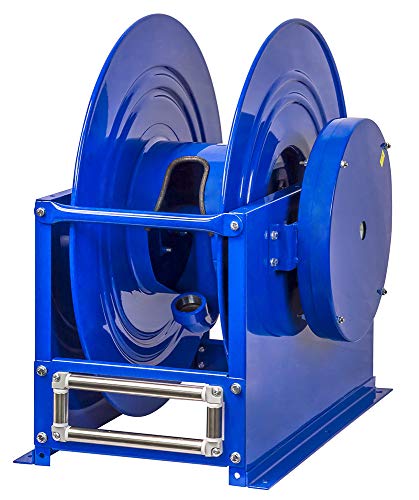
High capacity spring rewind fuel hose reel 1 inch

Item Package Quantity - 1
Examining Factors Affecting Fuel Consumption
When we think about fuel consumption, it’s essential to recognize the multitude of factors that play a role in determining efficiency. Here are some important elements to reflect on:
- Tire Maintenance:
- Keep tires properly inflated to reduce fuel consumption by up to 20%.
- Regular checks prevent wear and increase longevity.
- Avoid over-inflation, which can decrease traction.
- Driving Habits:
- Smooth acceleration and braking improve fuel economy.
- Aggressive driving can decrease efficiency by up to 33%.
- Using cruise control on highways maintains steady speed, saving fuel.
- Vehicle Load:
- Carrying excess weight decreases fuel efficiency, similar to how heavy-duty camping chairs with capacities up to 600 lbs require proper weight distribution for optimal performance.
Utilizing Fuel Cost Calculators
To make the most of our trips, utilizing fuel cost calculators is a smart move. These fuel calculator tools help us conduct a thorough trip cost analysis. They allow us to:
- Estimate fuel costs based on trip distance and vehicle efficiency.
- Use different units for distance and fuel economy.
- Enter details like vehicle type and model year to guarantee accuracy.
- Calculate multiple stops or adjustments for extensive estimates.
Additionally, they can display total fuel consumed and costs for our entire journey. By incorporating real-time fuel prices, we can make informed decisions about timing and budgeting. Just as lightweight aluminum construction makes camping tables more portable and fuel-efficient to transport, choosing fuel-efficient vehicles can significantly reduce overall trip costs. Ultimately, these calculators empower us to plan our trips more effectively while keeping an eye on expenses.
Recommended Products

Speed, time and distance problems, Navigational conversions

MACHINIST-SPECIFIC KEYS let you enter details for the job quickly and effectively without tedious and error-prone long hand calculations; The dedicated function keys let you scroll through the results to solve your speed and feed calculations for face, end or slot milling plus turning, drilling and boring

Sunlight-readable, 4.3-inch backlit TFT color touchscreen display with 480 x 272 WQVGA pixel resolution
Incorporating Route Optimization
Incorporating route optimization into our trip planning can greatly boost fuel efficiency and save us money. By focusing on route efficiency, we can markedly cut fuel costs—sometimes by as much as 30%. Here’s how we can enhance our logistical optimization:
- AI-Powered Systems: These continuously monitor and adjust routes to avoid delays, minimizing idling time.
- Traffic Analysis: Utilizing real-time data helps us steer clear of congestion and reduces travel time.
- Vehicle Utilization: Improved fleet management means we take fewer unnecessary trips, leading to less fuel consumption.
- Dynamic Adjustments: AI can reroute us in real-time around unexpected issues, ensuring we stick to the most efficient paths.
Recommended Products
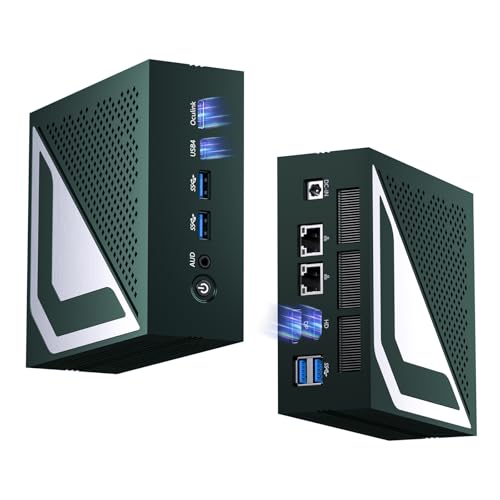
【High-Speed Performance AI Mini PC】 Mini PC equipped with AMD Ryzen AI 9 HX370 processor, which uses AMD's latest generation Zen 5 architecture, 12 Cores and 24 Threads, boost clock is up to 5.1GHz, 24M L3 cache. NPU delivering 50 TOPS AI acceleration (Overall TOPS: up to 80). Handles business, gaming, Video Editing, and AI computing, excelling in AI tasks like drawing and voice interaction. PC pre-installed with Win 11 pro(64bit and with TPM 2.0)

2026 New AI Vision for More Thorough Cleaning: In AI Vision Mode, the C2 Vision uses an industry-leading AI camera to deliver precise cleaning. When the robot identifies heavy debris buildup, it will spend extra time in the area and increase suction power to remove dirt completely

𝐍𝐞𝐱𝐭-𝐆𝐞𝐧 𝐖𝐢-𝐅𝐢 𝟕 𝐰𝐢𝐭𝐡 𝟖-𝐒𝐭𝐫𝐞𝐚𝐦 𝐓𝐫𝐢-𝐁𝐚𝐧𝐝 𝐮𝐩 𝐭𝐨 𝟏𝟒 𝐆𝐛𝐩𝐬 - Deco 7 Pro BE67 delivers smooth 4K/8K streaming, immersive AR/VR gaming, and blazing-fast downloads with speeds up to 8,647 Mbps on the 6 GHz band, 4,324 Mbps on the 5 GHz band, and 688 Mbps on the 2.4 GHz band with 8 streams, and optimize performance on latest WiFi 7 laptops and devices, like the iPhone 16 Pro, Samsung Galaxy S24 Ultra, and PS5 Pro with the latest WiFi 7 technology of Multi-Link Operation, Multi-RUs, and 4K-QAM.◇⌂
Account for Weather and Road Conditions
Weather and road conditions play a significant role in our trip planning and fuel efficiency. To accurately assess fuel needs, let’s consider the following factors:
- Temperature: Colder weather can increase fuel consumption by 12-28% during urban trips. Engines take longer to warm up, impacting efficiency.
- Precipitation: Wet roads increase rolling resistance, reducing fuel efficiency. We may also drive slower, which adds time and fuel use.
- Wind: Headwinds raise aerodynamic resistance, causing higher fuel consumption. Tailwinds can help, but their effect is minor compared to the drawbacks of headwinds.
- Road Surface: Rough or potholed roads can increase fuel usage by nearly 2%, while hilly terrain often leads to greater consumption.
Planning for Load and Weight
While considering weather and road conditions is essential for planning our trips, we also need to take into account the load and weight of our vehicle. Here are some key points for effective load management:
- Curb Weight Impact: Every extra 100 pounds can reduce fuel efficiency by about 1%.
- Gross Vehicle Weight Rating: Make sure we stay within safe limits to avoid excessive fuel consumption.
- Weight Distribution: Balanced loads enhance vehicle control and may improve fuel economy by reducing drag.
- Optimizing Cargo: Reducing unnecessary weight can lead to significant fuel savings, especially on long trips.
Budgeting for Long-Distance Trips
Creating a budget for long-distance trips is essential, especially if we want to keep our finances in check. Fuel budgeting starts with a solid trip estimation. Here’s how we can break it down:
- Calculate Distance: Know the total distance we’ll cover.
- Fuel Efficiency: Use our vehicle’s mpg or liters/100 km.
- Fuel Costs: Estimate fuel price per unit using reliable sources.
- Adjust for Variations: Account for detours and varying fuel prices.
- Monitor Actual Consumption: Track real fuel use against our estimates.
Frequently Asked Questions
How Do I Choose a Fuel-Efficient Vehicle for My Needs?
When choosing a fuel-efficient vehicle, we should consider the eco-friendly features we value and the vehicle size that suits our lifestyle. Evaluating our driving habits and access to charging helps guide our decision.
What Are the Benefits of Regular Vehicle Maintenance on Fuel Efficiency?
Regular vehicle maintenance, like oil changes and tire maintenance, enhances fuel efficiency greatly. By keeping our engines clean and tires properly inflated, we avoid costly repairs and improve mileage, ultimately saving us money at the pump.
How Can Driving Style Impact Fuel Consumption During Trips?
We’ve all felt the shocking difference aggressive acceleration makes to fuel consumption! By embracing smooth braking and cautious speeds, we can greatly improve our vehicle’s efficiency, saving both fuel and money on our journeys.
Are There Apps Available for Tracking Fuel Usage and Costs?
Yes, we’ve found several great apps for fuel tracking that include cost calculators. Apps like Fuelio and MileIQ can help us monitor our fuel usage effectively while giving us insights into our overall expenses.
How Does Traffic Affect Fuel Consumption on My Route?
Traffic congestion drastically impacts fuel efficiency, causing consumption to rise considerably. As we navigate through heavy traffic, we should endeavor to adopt smoother driving habits and plan routes that minimize stops to enhance overall fuel efficiency.